Category: Running - Page 2

How Quickly Do You Lose Fitness After a Marathon? (The Detraining Timeline)
Discover how quickly you lose fitness after a marathon. Learn the detraining timeline, VO2 max changes, and strategies to maintain endurance during breaks.

How Many Miles Per Week for Marathon Training? A Practical Guide
Confused about marathon mileage? Learn how many miles per week you actually need based on your goals, from beginner to advanced levels, and how to avoid injury.

Can You Run a Marathon Without Training? The Risks and Reality
Is it a good idea to run a marathon without training? Explore the physiological risks, from stress fractures to kidney failure, and learn how to finish safely.

Is 4.5 Hours a Good Time for a Marathon?
Is a 4.5-hour marathon time good? For most runners, it’s a realistic, achievable goal that reflects consistency, not speed. Learn how to train for it without overdoing it.
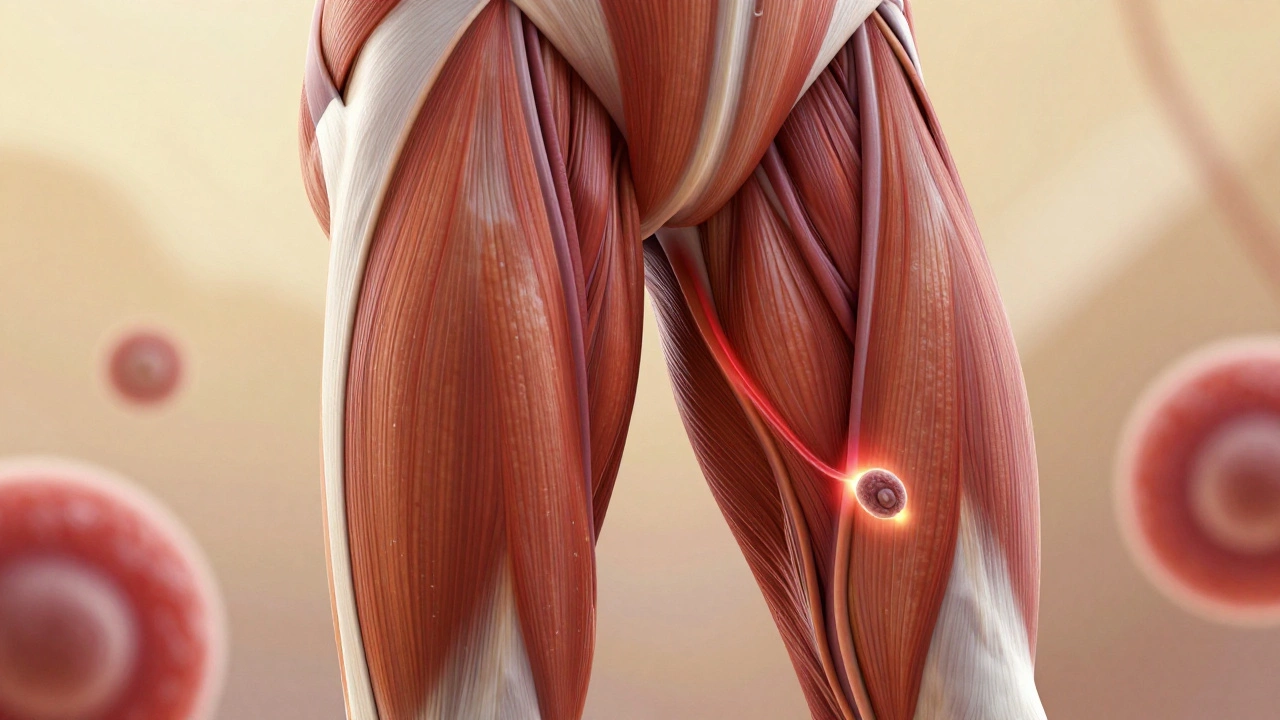
Why Marathon Runners Don't Have Big Legs: The Science Explained
Marathon runners have lean legs due to their focus on endurance over muscle mass. Their training develops slow-twitch fibers, low body fat, and efficient aerobic systems. Unlike sprinters, they prioritize efficiency and stamina, not bulk. Understanding this science helps runners optimize their training for performance.

What Is a Respectable Marathon Time? Real Benchmarks for Runners of All Levels
What's a respectable marathon time? It's not about being fast-it's about finishing strong. Learn real benchmarks for beginners, intermediate, and advanced runners, and how to measure your progress with confidence.

Should I Switch to Barefoot Running? Here’s What Really Happens
Should you switch to barefoot running? Learn how it changes your form, reduces injury risk, and rebuilds foot strength-without the hype. Real steps, real results.

Can You Be Muscular and Run a Marathon? The Real Truth About Muscle and Endurance
Yes, you can be muscular and run a marathon. It’s not about being huge-it’s about building functional strength that helps you run farther, faster, and injury-free. Here’s how to do it right.

Running a Marathon When You Can Only Run 10 Miles - How to Bridge the Gap
Learn how to safely progress from a 10‑mile comfortable run to a full marathon with a step‑by‑step training plan, mileage guide, fueling tips, and injury prevention advice.

Marathon Training Timeline for Beginners: How Long Does It Take?
Learn the realistic 16‑20 week marathon training timeline for beginners, with weekly schedules, mileage progression, injury prevention tips, and a final taper checklist.

Why Do Runners Look Younger? Science-Backed Reasons and How to Get the Effect
Do runners really look younger? Yes-when training is smart. Learn how running shapes skin, hormones, sleep, and body composition, plus pitfalls to avoid.

Do Marathon Runners Really Live Longer?
Marathon running is not just a test of endurance; it might also influence how long we live. While some believe that the physical demands may take a toll, others argue that the benefits outweigh the strains. This article explores the relationship between marathon running and lifespan. It delves into the health benefits, potential risks, and tips for maximizing positive outcomes. Get insights to help understand if hitting the pavement for those long miles is adding years to life or just making them more vibrant.