Running January 12, 2026
Should I Switch to Barefoot Running? Here’s What Really Happens
Barefoot Running Transition Calculator
Your Transition Plan
Calculate your personalized timeline for transitioning to barefoot running based on your experience and goals.
Most runners don’t think twice about their shoes. You buy the latest model with extra cushioning, arch support, and a heel lift-because that’s what everyone says you need. But what if all that tech is actually working against you? Barefoot running isn’t a fad. It’s a return to how humans were built to move. And if you’re wondering whether to ditch your running shoes, you’re not alone.
What barefoot running really means
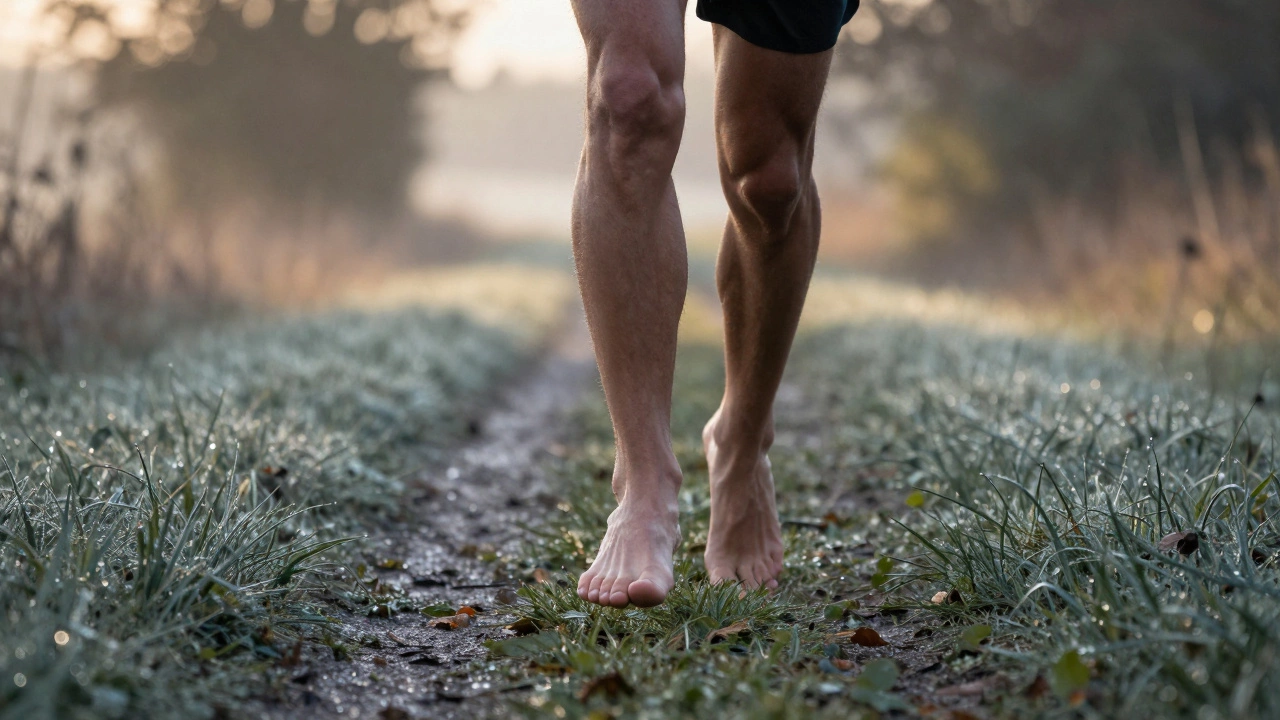
Barefoot running doesn’t mean running around in socks on gravel. It means learning to run with your feet doing the work they were designed for-no thick soles, no heel elevation, no arch supports. You’re not trying to go completely naked-footed on city sidewalks. You’re retraining your body to land softly, engage your arches, and use your calves and feet as natural shock absorbers.
Studies from the University of Colorado in 2010 showed that barefoot runners tend to land on the forefoot or midfoot, not the heel. Heel striking, common in cushioned shoes, sends a shockwave up your leg with every step-up to three times your body weight. Barefoot runners reduce that impact by shortening their stride and letting their foot roll naturally. It’s not about toughness. It’s about technique.
The myth of cushioning
Running shoe companies spent decades convincing us we needed more padding. But here’s the thing: more cushioning doesn’t mean fewer injuries. A 2017 review in the British Journal of Sports Medicine found no clear link between shoe cushioning and reduced injury rates. In fact, runners who switched to minimalist footwear often reported fewer knee problems-but more calf and Achilles tightness at first.
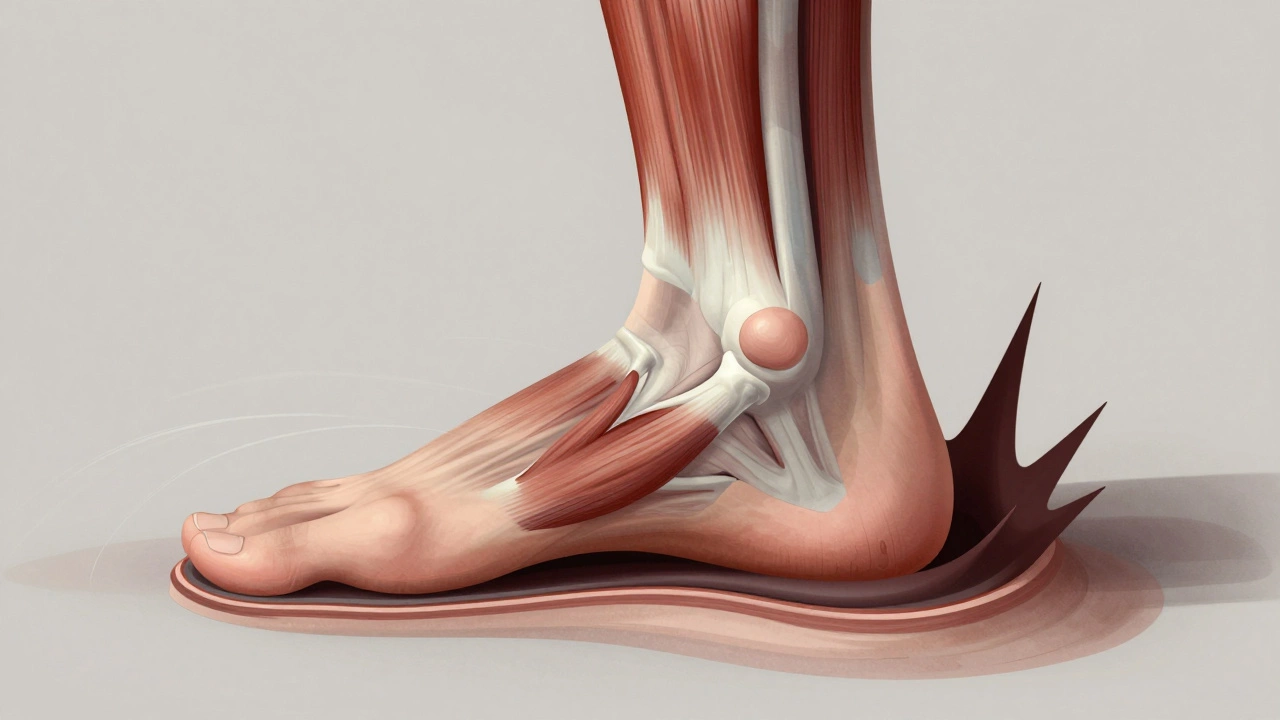
Why? Because your shoes were doing the work your muscles should’ve been doing. Your arches weakened from years of support. Your calves got lazy. When you remove the crutch, your body has to catch up. That’s not a flaw in barefoot running. That’s your body waking up.
Who should try it-and who shouldn’t
Not everyone should jump straight into barefoot running. If you’ve got plantar fasciitis, severe flat feet, or nerve damage from diabetes, you need medical clearance first. But if you’re a healthy runner with no chronic foot pain, you might be a good candidate.
Here’s a simple test: Stand barefoot on a hard floor. Can you spread your toes wide? Can you lift your big toe without curling the others? If not, your feet are stiff. That’s not a dealbreaker-it’s a sign you need to start slow.
Runners who’ve had success with barefoot running usually have:
- Good overall mobility
- No history of foot surgery
- At least six months of consistent running
- Patience to relearn movement
If you’re coming off a long injury break or you’re over 50 and haven’t run in years, don’t rush. Start with foot strengthening exercises. Walk barefoot on grass. Do toe spreads. Pick up marbles with your toes. Build the foundation before you run.
How to transition safely
Going from cushioned shoes to barefoot in two weeks is a recipe for a strained Achilles or torn plantar fascia. The transition takes months-not days.
Here’s a realistic plan:
- Weeks 1-2: Walk barefoot for 10-15 minutes a day on soft surfaces like grass or sand.
- Weeks 3-4: Start with 5 minutes of barefoot jogging after your regular run. Do this twice a week.
- Weeks 5-8: Swap one run per week for a barefoot session. Keep it under 10 minutes. Focus on light, quick steps.
- Weeks 9-12: Increase barefoot runs to twice a week. Still keep them short. Listen to your calves-they’ll tell you when you’re pushing too hard.
- Month 4+: Only add distance once you can run 20 minutes barefoot without pain. Then go slow.
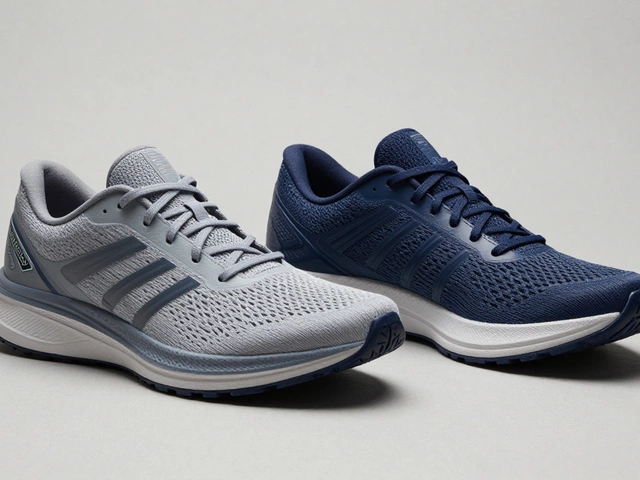
Some runners use minimalist shoes-thin soles, zero drop, wide toe box-as a middle ground. Brands like Vibram FiveFingers, Merrell Vapor Glove, or Altra Lone Peak have models that mimic barefoot running without leaving you vulnerable to glass or sharp rocks.
What your body will feel
Week one: Your calves burn. Your arches ache. You wonder if this was a mistake.
Week four: The burning fades. You notice you’re landing quieter. Your stride feels lighter.
Week eight: You start running on pavement without thinking about it. You don’t need to look down to avoid cracks. Your feet know where to land.
Months later: You realize you haven’t had shin splints in a year. Your ankles feel stronger. You walk barefoot around the house without discomfort. Your running feels… easier.
That’s not magic. That’s your body adapting. Your feet have 200,000 nerve endings. When you stop smothering them, they start talking again.
The hidden benefits
Beyond injury reduction, barefoot running changes how you move in daily life. People who transition often report:
- Better posture-no more leaning forward from heel-striking
- Stronger ankles and arches
- Improved balance
- Less lower back pain
- Faster recovery times
One runner from Bristol, Sarah L., switched after three years of plantar fasciitis. She started with five minutes of barefoot walking on her garden lawn. Six months later, she ran her first 10K without pain. She says, “I didn’t fix my feet with a shoe. I fixed them by letting them move.”
What to avoid
Don’t run on concrete every day. Don’t try to match your old pace. Don’t compare yourself to YouTube influencers who’ve been doing this for five years.
And don’t believe the hype that barefoot running will make you faster overnight. It won’t. It’ll make you more efficient. That’s different.
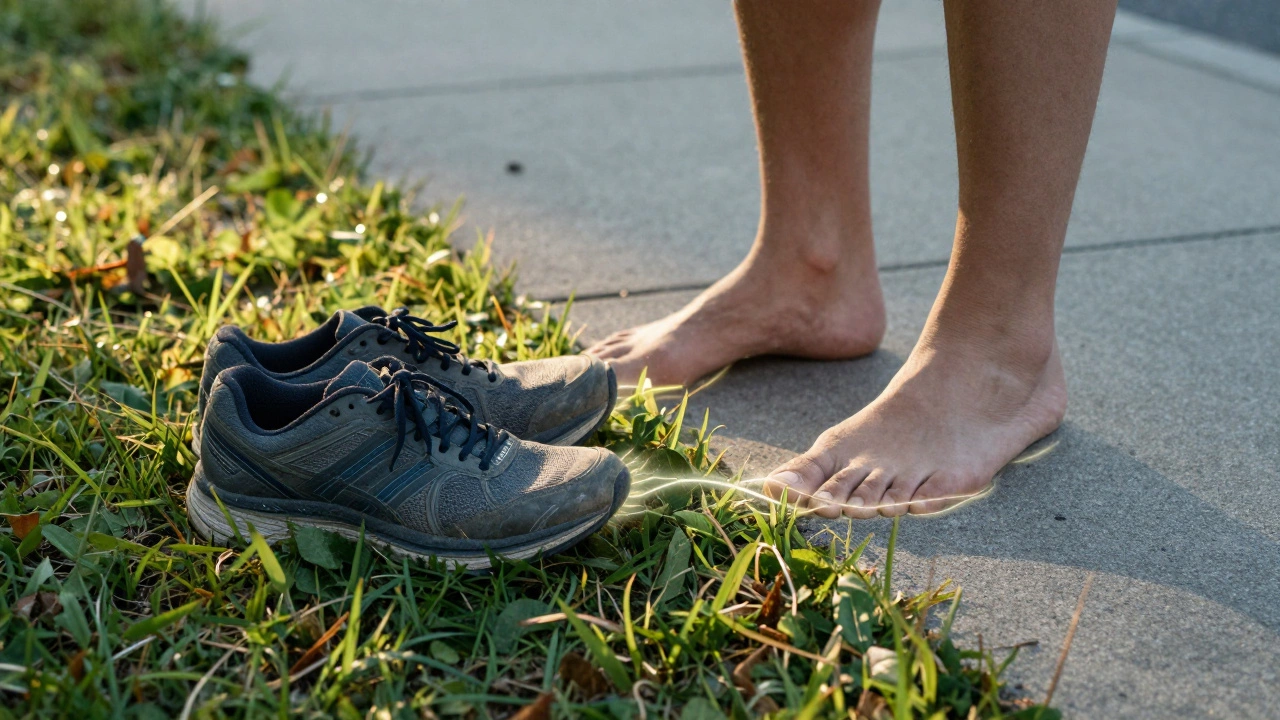
Also, avoid going barefoot in cold, wet, or dirty conditions. You’re not a hero. You’re a runner. Protect your feet when needed.
When to stop
Sharp pain? Stop. Swelling? Stop. Numbness? Stop. Aching for more than 48 hours? Take a break.
Barefoot running isn’t about pushing through pain. It’s about listening to your body. If your calves are tight, stretch. If your arches hurt, go back to shoes for a week. There’s no shame in pausing. This isn’t a race.
Final decision: Should you switch?
Ask yourself these three questions:
- Do you enjoy running? If not, changing shoes won’t fix that.
- Are you willing to learn a new way to move? If you want quick results, this isn’t for you.
- Can you accept that your first barefoot run might feel awkward, slow, and tiring? If yes, then go for it.
If you answered yes to all three, start small. Try 10 minutes of barefoot walking this week. See how your feet feel. Then decide.
Running shoes aren’t evil. But they’re not magic either. Your feet were built to run. You just forgot how.
Is barefoot running better than running in shoes?
It’s not about better-it’s about different. Barefoot running reduces impact forces on the knees and hips by encouraging a forefoot strike. But it increases stress on the calves and Achilles. Neither is universally better. The right choice depends on your body, goals, and how slowly you transition.
Can I still use minimalist shoes instead of going fully barefoot?
Yes. Many runners use minimalist shoes as a bridge. They offer protection from sharp objects and cold ground while still letting your feet move naturally. Look for shoes with zero drop, thin soles (under 5mm), and a wide toe box. Brands like Merrell, Altra, and Xero Shoes make good options.
How long does it take to adapt to barefoot running?
Most people need 3 to 6 months to fully adapt. The first month is usually the hardest-tight calves, sore arches, and fatigue are normal. Don’t rush. Building foot strength takes time. Think of it like starting weight training-you wouldn’t lift heavy on day one.
Will barefoot running help me run faster?
Not immediately. Barefoot running improves efficiency, not speed. Over time, you may find you use less energy to maintain the same pace because your body moves more naturally. Elite runners often use barefoot-style form, but they’ve trained for years. Don’t expect instant gains.
What if I live in a city with rough sidewalks?
Start on grass, trails, or smooth pavement. Avoid gravel, broken concrete, or icy surfaces until your feet are stronger. Many runners alternate between minimalist shoes for city runs and barefoot runs on softer terrain. It’s not all or nothing.
Do I need to stop wearing shoes completely?
No. Most people who switch to barefoot running still wear shoes for cold weather, long commutes, or rough terrain. The goal isn’t to never wear shoes-it’s to let your feet function naturally when you can. Shoes should support, not replace, your feet.
If you’ve been thinking about ditching your running shoes, now’s the time to test it-slowly. Your feet have been waiting for you to listen.