Running February 5, 2026
Why Marathon Runners Don't Have Big Legs: The Science Explained
Muscle Fiber Calculator
What's Your Training Type?
Your Muscle Fiber Composition
Slow-Twitch (Type I)
Fast-Twitch (Type II)
Based on scientific research, marathon runners typically have 70-80% slow-twitch fibers. This composition allows for efficient oxygen use and prolonged activity without significant muscle growth.
Why you don't get bulky legs: Slow-twitch fibers are optimized for endurance, not size. They develop more mitochondria and capillaries for energy production without significant hypertrophy.
Ever wonder why marathon runners have lean legs instead of bulky muscles? You've seen them in action-lean, efficient, and moving with a steady rhythm. But if you're expecting bulky legs like those of a weightlifter or sprinter, you'll be surprised. It's not about lack of effort; it's about biology and training science. Let's unpack the real reasons behind their lean physiques.
Why Muscle Fiber Types Matter
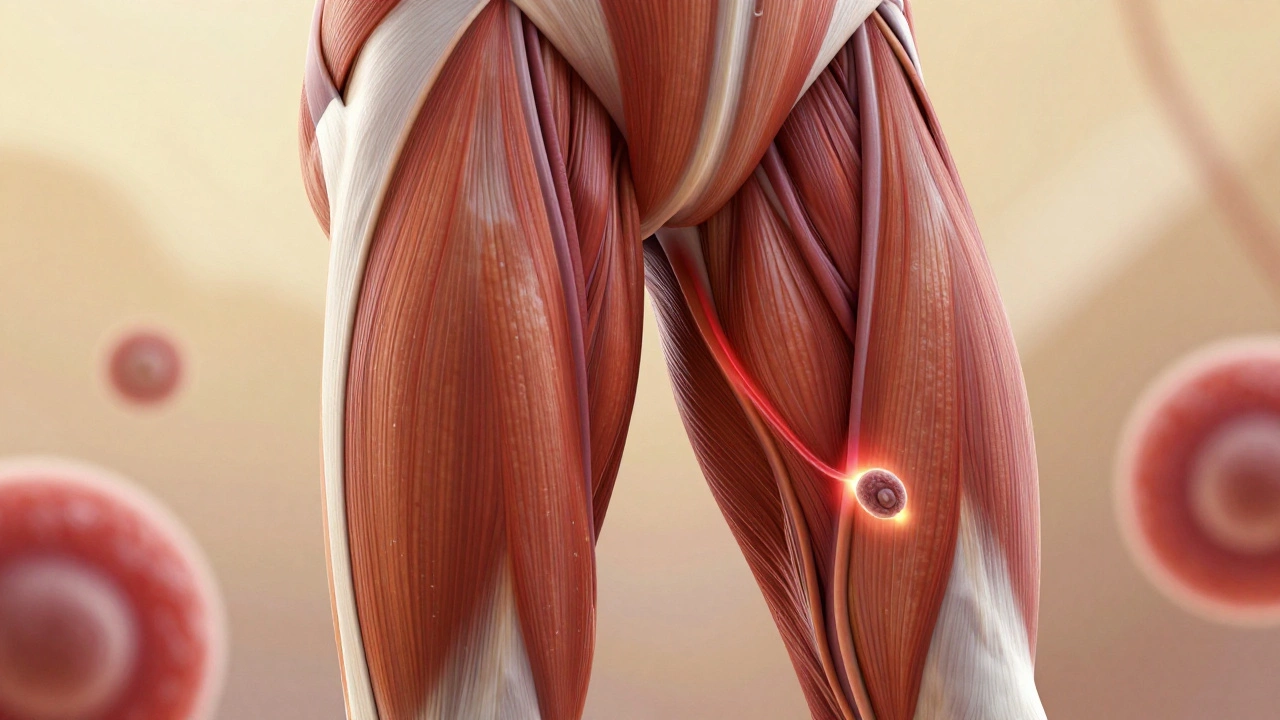
Our muscles have different types of fibers, and the mix varies between athletes. slow-twitch muscle fibers are designed for endurance (Type I). They contract slowly but can work for hours without tiring. Fast-twitch fibers (Type II) fire quickly for short bursts of power but fatigue fast. Marathon runners rely heavily on slow-twitch fibers. A 2023 study in the Journal of Applied Physiology found elite marathoners have up to 80% slow-twitch fibers in their quadriceps. In contrast, sprinters like Usain Bolt have around 50-60% fast-twitch fibers. This difference explains why marathoners don't build big legs-they don't need explosive power, just sustained efficiency. Slow-twitch fibers are red due to high myoglobin content, which stores oxygen. They also have more mitochondria and capillaries, allowing them to sustain activity for hours. This is why marathon runners' legs don't bulk up-they're built for endurance, not size.
Training Adaptations for Endurance
Marathon training focuses on long, steady runs at low to moderate intensity. This type of exercise trains your body to use oxygen efficiently and burn fat for fuel. Over time, your muscles adapt by increasing mitochondria-the powerhouses that produce energy. More mitochondria mean better endurance but not bigger muscles. In fact, the body prioritizes efficiency over size. Heavy lifting or high-intensity sprints would build fast-twitch fibers and bulk, but marathoners avoid this. Instead, their training builds lean, fatigue-resistant muscles. For example, a typical training week includes 20-mile runs at 60-70% of max heart rate. This low-intensity work teaches the body to conserve glycogen and use fat as fuel. It doesn't create muscle growth; it creates endurance.

Body Fat and Lean Muscle
Body composition plays a huge role. Elite male marathoners typically maintain body fat levels between 5-8%, while women stay around 12-15%. These numbers are significantly lower than the average person's 20-25% body fat and far below bodybuilders who often carry more fat despite higher muscle mass. Low body fat combined with lean muscle mass creates that signature marathoner physique. High body fat would slow them down, so their training and diet keep fat levels minimal. This lean appearance is a result of burning calories for energy during long runs, not building muscle mass. For example, Eliud Kipchoge, the world record holder, reportedly maintains a body fat percentage of around 6% during peak training. This level of leanness is crucial for his performance, as excess weight would make running 26.2 miles much harder. A study in Medicine & Science in Sports & Exercise showed elite marathoners have significantly lower body fat compared to recreational runners. Their diets are optimized for performance, not muscle gain.
Aerobic vs Anaerobic Energy
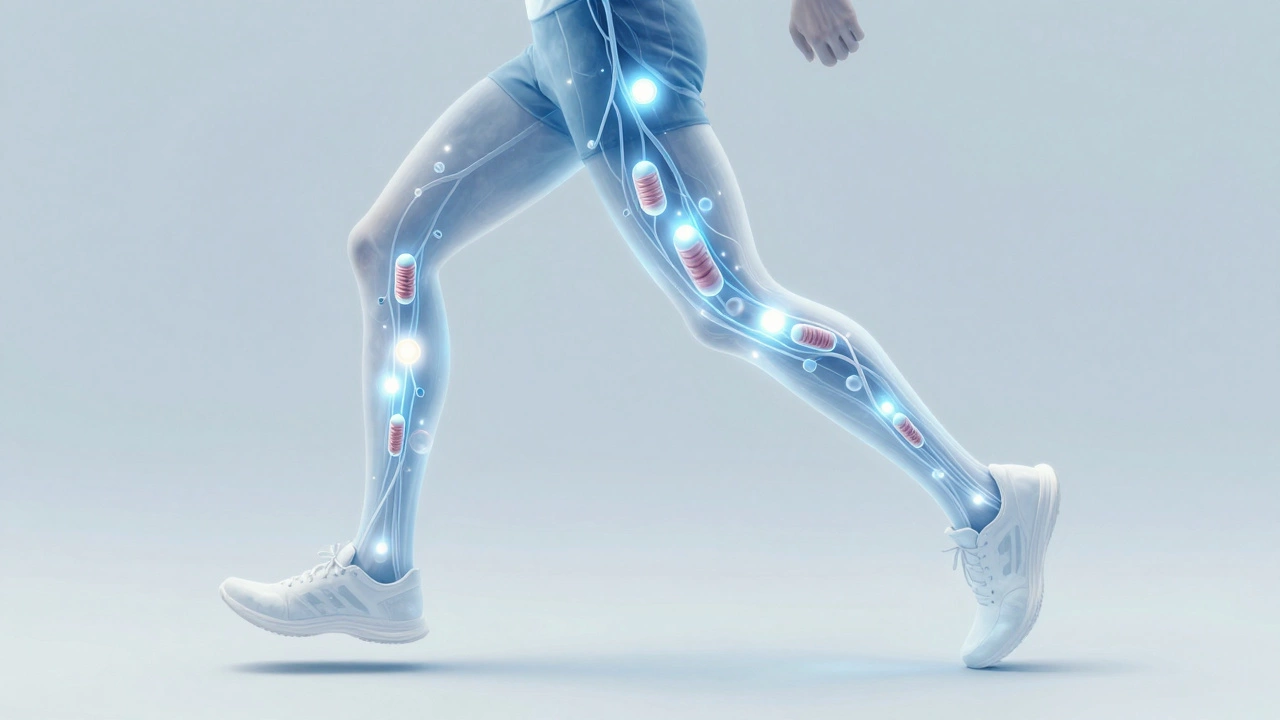
Marathon running is all about aerobic metabolism. This means using oxygen to break down carbohydrates and fats for energy. It's a slow, steady process that can sustain activity for hours. Anaerobic metabolism, used in sprinting or weightlifting, doesn't need oxygen and produces energy quickly but only for short bursts. Marathoners train their bodies to rely on aerobic systems. This adaptation includes more capillaries around muscle fibers for better oxygen delivery. However, this doesn't require large muscle fibers. Instead, it's about efficiency-getting more out of each muscle cell without adding bulk. VO2 max measures how much oxygen your body can use during intense exercise. Elite marathoners often have VO2 max values above 70 ml/kg/min, compared to 40-50 for recreational runners. This high aerobic capacity allows them to sustain effort for hours without fatigue. However, this adaptation happens in the muscles' mitochondria and capillaries, not by increasing muscle size. Research shows endurance training leads to more efficient muscle fibers, not larger ones.
Debunking Common Myths
Many people think running builds big legs. That's a myth. Running actually makes legs leaner by burning fat and developing endurance muscles that don't grow large. Sprinters and weightlifters have bigger legs because they train for power and strength. Another myth is that marathoners don't have strong legs. On the contrary, their legs are incredibly strong for endurance. They can run 26.2 miles without stopping, which requires immense strength-but it's a different kind of strength than lifting weights. The key is understanding that muscle size isn't the same as strength. Marathoners' legs are strong in a way that supports long-distance running, not for explosive movements. For instance, a runner who does 20-mile runs every weekend will see their slow-twitch fibers become more efficient, but their muscle size won't increase. Instead, they'll burn fat and become leaner. Glycogen storage also plays a role. Marathon runners train their bodies to store more glycogen in muscles and liver. This provides a steady energy source during long runs. However, glycogen storage doesn't increase muscle size-it's about energy reserves. When glycogen stores are depleted, runners 'hit the wall,' which is why proper fueling during races is crucial.
Frequently Asked Questions
Do marathon runners ever build muscle?
Yes, they do build some muscle, but it's primarily slow-twitch fibers designed for endurance. These fibers don't grow large like fast-twitch fibers. Marathon training doesn't promote hypertrophy (muscle growth). Some runners incorporate strength training for injury prevention, but it's focused on functional strength, not size. Heavy lifting would actually hinder their performance by adding unnecessary bulk.
Why do some runners have bigger calves?
Calf size varies due to genetics and training focus. Running does engage the calves, but it's not enough to build significant bulk. Some runners may have more developed calves because of their natural muscle fiber distribution or specific training like hill repeats. However, even those calves remain lean and functional, not bulky like a bodybuilder's. The key is that calf size doesn't correlate with running performance-many elite marathoners have relatively small calves.
Can I build leg muscle while training for a marathon?
It's possible to maintain muscle mass, but significant growth is unlikely. Marathon training prioritizes endurance over muscle size. If you add heavy weightlifting, it could interfere with recovery and aerobic adaptations. Instead, focus on bodyweight exercises or light resistance training to support joint health and prevent injuries. Prioritize your running goals-if you want bigger legs, separate strength training from marathon training to avoid conflicting adaptations.
Do marathon runners lift weights?
Yes, but not for building muscle. Many elite marathoners include light strength training in their routines, focusing on core stability and injury prevention. Exercises like planks, single-leg squats, and resistance band work are common. They avoid heavy lifting because it can increase muscle size, which would hinder their performance. For example, Eliud Kipchoge does bodyweight exercises and light resistance training to keep his body strong and resilient without adding bulk.
Why do sprinters have bigger legs than marathon runners?
Sprinters rely on fast-twitch muscle fibers for explosive power. These fibers are larger and generate more force quickly. Their training includes high-intensity sprints and weightlifting to build strength and size. Marathon runners, however, use slow-twitch fibers optimized for endurance. Their training doesn't require large muscles-instead, they focus on efficiency and stamina. This fundamental difference in muscle fiber usage explains why sprinters have visibly larger legs.