Fitness July 13, 2026
Do Squats Reduce Belly Fat? The Truth About Spot Reduction and Core Strength
Squat Metabolic Impact Calculator
Workout Parameters
Used to estimate metabolic cost.
Includes warm-up, sets, and rest periods.
Estimated Results
Spot Reduction Myth: These calories are burned from your entire body, not just your belly. Fat loss is systemic.
Calories Burned (Active)
0
During the workout
Afterburn Effect (EPOC)
0
Extra calories burned post-workout
Total Estimated Energy Expenditure
0 kcal
Squats (Compound)
100%
Crunches (Isolation)
~30%
*Squats engage more muscle mass, leading to higher immediate calorie burn and significantly greater hormonal response for fat metabolism compared to isolation exercises like crunches.
You’ve probably seen it in every fitness magazine or heard it from that one friend who never misses leg day: "If you want to lose belly fat, just do more squats." It sounds logical, right? You’re working the lower body, burning calories, so surely those stubborn inches around your waist will melt away. But here is the hard truth that most people ignore: you cannot target fat loss in a specific area by exercising that area. Doing thousands of squats will build strong quads and glutes, but it won’t magically zap the fat on your stomach.
That doesn’t mean squats are useless for your midsection. In fact, they are one of the best tools you have for getting a leaner look, but not for the reason you think. To understand why, we need to look at how your body actually burns fat and where squats fit into the bigger picture of weight loss.
The Myth of Spot Reduction
Let’s clear up the biggest misconception first. The idea that you can choose where your body loses fat from is called "spot reduction," and science has repeatedly proven it to be a myth. When you create a calorie deficit-eating fewer calories than you burn-your body pulls energy from fat stores all over your system. Where that fat comes off depends largely on your genetics, hormones, and age.
For many men, belly fat is often the last place it leaves. For women, it might be the hips or thighs. No amount of twisting, crunching, or squatting will force your body to dip into the abdominal fat reserves specifically. If you could spot-reduce, bodybuilders would just do endless ab workouts to get six-packs without worrying about diet. They don’t, because they know better. Your body decides where the fat goes, not your exercise routine.
Why Squats Are Still Essential for Weight Loss
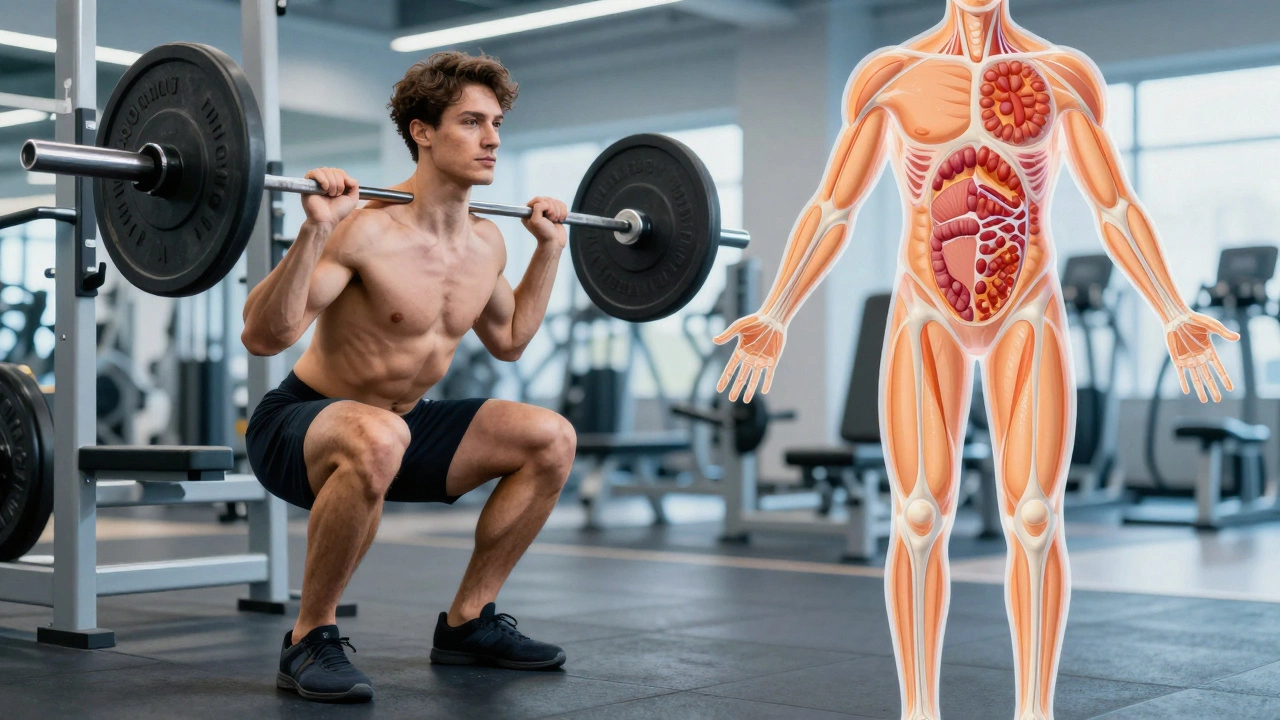
If squats don’t directly burn belly fat, why do trainers swear by them? Because they are metabolic monsters. A squat is what we call a compound exercise, which means it involves multiple joints and muscle groups working together.
When you perform a proper squat, you aren’t just using your quadriceps. You are engaging your hamstrings, glutes, calves, lower back, and yes, your core. This massive recruitment of muscle tissue requires significant energy. Here is how that helps with your overall fat loss goals:
- High Calorie Burn: Because large muscles are involved, squats burn more calories per minute than isolation exercises like bicep curls or even standard crunches.
- The Afterburn Effect (EPOC): Intense resistance training creates something called Excess Post-exercise Oxygen Consumption (EPOC). Your body continues to burn calories at a higher rate for hours after the workout as it repairs muscle tissue and restores balance.
- Hormonal Response: Heavy compound lifts stimulate the release of growth hormone and testosterone, both of which play key roles in fat metabolism and muscle preservation.
Think of it this way: Squats turn your body into a more efficient furnace. They don’t pick out the belly fat to burn, but they crank up the heat across the entire house.
The Hidden Benefit: Core Stability and Posture
While squats won’t strip the fat off your abs, they do wonders for the muscles underneath. Many people walk around with a protruding belly not just because of fat, but because of poor posture and weak core stability. Anterior pelvic tilt-a condition where your pelvis tilts forward-can make your stomach stick out significantly, even if you are relatively lean.
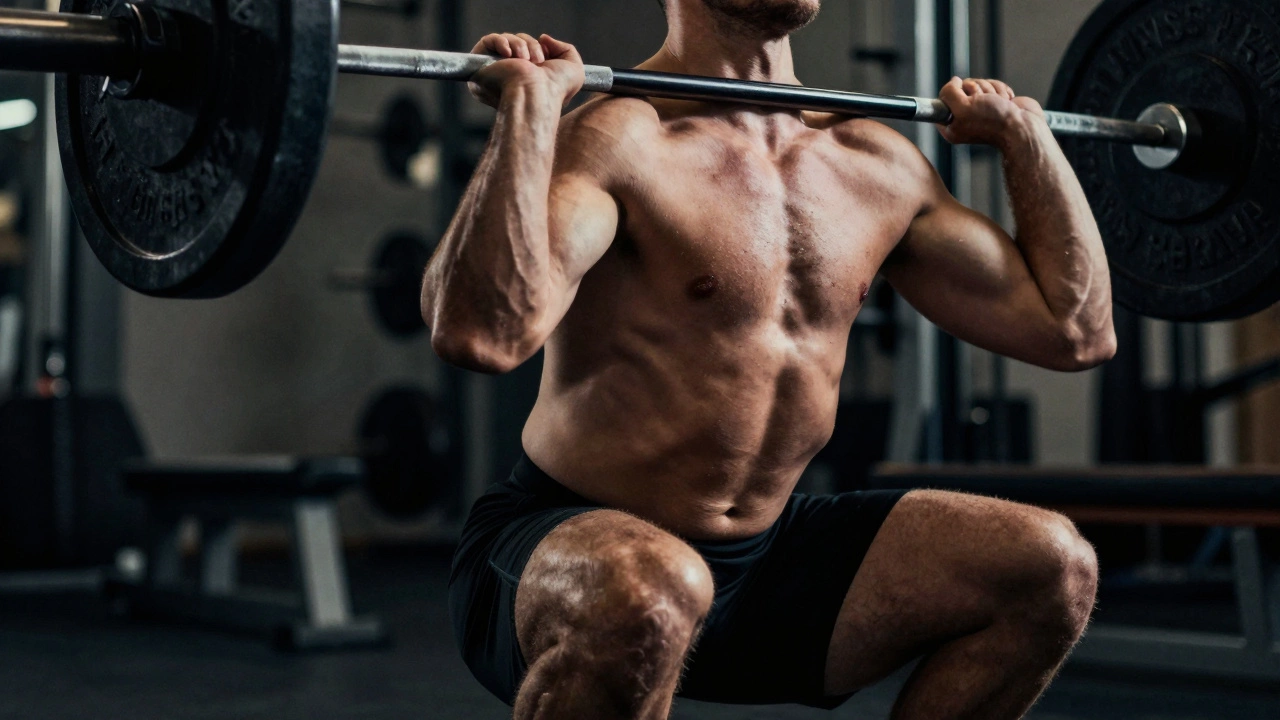
To squat safely and effectively, you must brace your core. You engage your transverse abdominis (the deep corset-like muscle) to keep your spine neutral under load. Over time, consistent squatting strengthens these stabilizers. As your core gets stronger and your posture improves, your stomach may naturally appear flatter. You’re not losing fat; you’re standing taller and pulling your gut in slightly better due to improved muscular control.
How to Structure Squats for Maximum Fat Loss
Knowing that squats help with general calorie burn and muscle building, how should you program them? You don’t need to do 100 reps until you drop. That’s inefficient. Instead, focus on intensity and volume that challenges your metabolic system.
- Use Progressive Overload: Aim to lift heavier weights over time. Muscle tissue is metabolically active. The more muscle you maintain or build, the more calories your body burns at rest. This is crucial for long-term fat management.
- Incorporate Variations: Don’t just stick to the barbell back squat. Try goblet squats, front squats, or jump squats. Jump squats, in particular, add a cardiovascular element that spikes your heart rate, increasing immediate calorie expenditure.
- Superset Them: Pair squats with an upper-body move, like push-ups or rows, with no rest in between. This keeps your heart rate elevated and turns a strength session into a cardio-strength hybrid.
Aim for 3-4 sets of 8-12 repetitions for hypertrophy (muscle growth) or 6-8 reps for strength. Rest periods should be moderate (60-90 seconds) to maintain some cardiovascular stress.
The Real Key: Diet and Lifestyle
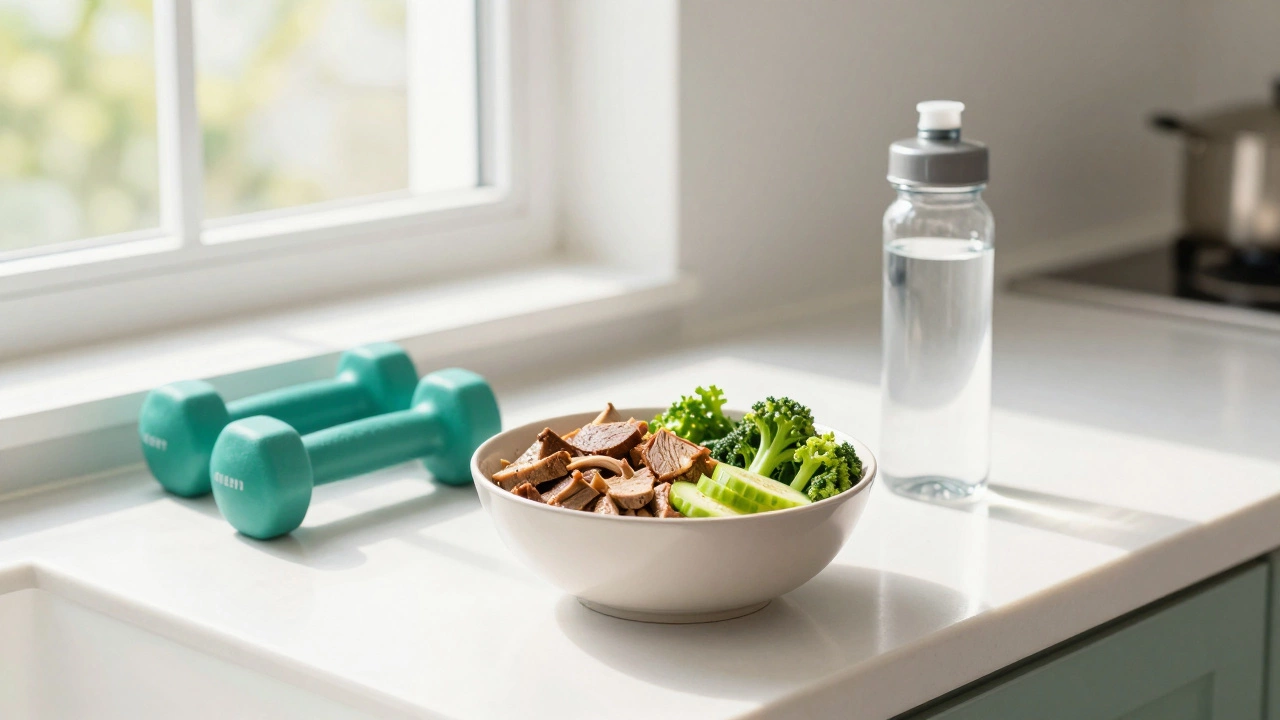
Here is the part nobody wants to hear: You can squat every day, but if you eat in a calorie surplus, you will gain weight. Fat loss happens in the kitchen, not the gym. Squats support the process, but they don’t drive it alone.
To see your abs, you need a low enough body fat percentage. For men, this is typically below 15%, and for women, below 20-22%. Achieving this requires a sustained calorie deficit. Combine this with high protein intake to preserve the muscle you’re building with those squats. Protein also has a high thermic effect, meaning your body burns more calories digesting it compared to fats or carbs.
| Exercise Type | Calorie Burn (During) | Afterburn (EPOC) | Muscle Building | Best For |
|---|---|---|---|---|
| Squats (Weighted) | High | High | Very High | Metabolic boost & strength |
| Running/Jogging | Medium-High | Low | Low | Cardiovascular health |
| Ab Crunches | Low | None | Low (Isolation) | Core endurance only |
| HIIT Sprints | Very High | Very High | Medium | Time-efficient fat burn |
Notice that while running burns calories, it doesn’t build much muscle. Squats do both. This makes them superior for body composition changes-losing fat while keeping or gaining lean mass, which gives you that toned look rather than just looking "skinny fat."
Common Mistakes to Avoid
Many people sabotage their own progress with bad form or unrealistic expectations. Here are the pitfalls to watch out for:
- Ignoring Form for Weight: Ego lifting leads to injury. An injured person can’t train. Focus on depth (hip crease below knee cap) and keeping your chest up. If you can’t control the weight, it’s too heavy.
- Doing Only Squats: Variety prevents plateaus. Mix in lunges, deadlifts, and overhead presses. Full-body engagement yields better hormonal responses for fat loss.
- Neglecting Sleep: Poor sleep raises cortisol levels. High cortisol is linked to increased abdominal fat storage. You can squat perfectly, but if you’re sleeping 5 hours a night, your body holds onto belly fat tighter.
Consistency beats intensity. Three solid squat sessions a week, combined with a slight calorie deficit and good sleep, will yield far better results than one brutal session followed by two weeks of couch potato behavior.
Putting It All Together: A Sample Routine
If you want to integrate squats into a fat-loss focused plan, try this simple structure twice a week:
- Warm-up: 5 minutes of light cardio + dynamic stretches (leg swings, hip circles).
- Main Lift: Barbell Back Squat - 4 sets of 8-10 reps. Rest 90 seconds.
- Accessory: Walking Lunges - 3 sets of 12 steps per leg.
- Core Finisher: Plank - 3 sets holding for 45-60 seconds. This reinforces the stability you used during squats.
- Cardio Cool-down: 10 minutes of brisk walking or incline treadmill work.
This routine hits the major muscle groups, engages the core, and keeps the heart rate up. It’s efficient, effective, and scientifically sound.
Can I lose belly fat just by doing squats?
No. You cannot spot-reduce fat from your belly by doing squats. Fat loss occurs systemically when you are in a calorie deficit. However, squats burn a significant number of calories and build muscle, which helps increase your overall metabolism, aiding in total body fat loss, including the belly area over time.
How many squats should I do a day to lose weight?
There is no magic number. Quality matters more than quantity. Doing 3-4 sets of 8-12 weighted squats three times a week is more effective for weight loss than doing 100 bodyweight squats daily. The goal is to challenge your muscles to promote growth and metabolic activity, not just to fatigue them through repetition.
Do squats tighten the stomach?
Yes, indirectly. Squats require intense core stabilization to protect your spine. This strengthens your deep abdominal muscles (transverse abdominis), which can improve posture and make your midsection appear tighter and flatter, even if the fat layer hasn't changed yet.
Are squats better than running for belly fat?
Squats are generally better for body composition. While running burns calories during the activity, squats build muscle. Muscle tissue burns more calories at rest than fat tissue does. Therefore, squats help raise your basal metabolic rate (BMR), helping you burn more calories 24/7, whereas running's benefits stop once you finish the run.
Why is my belly still big if I squat regularly?
If you are squatting regularly but not seeing belly fat loss, the issue is likely your diet. You may be eating at maintenance calories or a surplus. Additionally, factors like high stress (cortisol), lack of sleep, or genetic predisposition can make abdominal fat harder to lose. Ensure you are in a calorie deficit and prioritizing recovery.