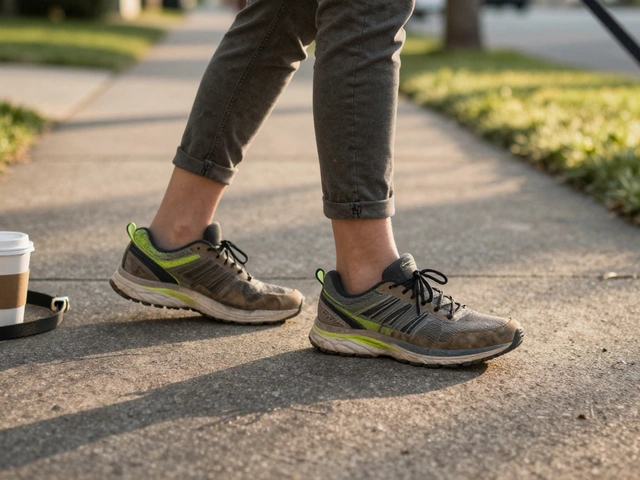
Running Shoes: What You Need to Know Before You Buy
When you step out for a run, your running shoes, specialized footwear designed to support motion, absorb impact, and protect your feet during running. Also known as athletic running footwear, they’re not just sneakers—they’re your foundation for every mile. Get them wrong, and you’ll feel it in your knees, your arches, or your toes. Get them right, and they become invisible—just an extension of your stride.
Not all running shoes are built the same. Hoka, a brand known for its thick, cushioned midsoles that reduce impact and promote a smooth rollout. Also known as maximalist running shoes, they’ve changed how people think about comfort on pavement. But they’re just one option. Brands like Nike, Adidas, and New Balance each bring different tech, fits, and philosophies to the table. Then there’s the fit itself—do you need a size bigger? Should they feel snug? These aren’t just questions, they’re make-or-break decisions. A shoe that’s too tight can cause black toenails. One that’s too loose? That’s how blisters and ankle rolls happen.
And how long do they even last? shoe durability, how many miles a pair of running shoes can handle before the cushioning breaks down and support fades. Also known as running shoe lifespan, it’s not about how worn they look—it’s about what’s happening inside the foam. Most runners replace theirs between 300 and 500 miles. But if you’re a heavy heel-striker or run on rough trails, that number drops fast. Wearing them every day? That drains the cushioning quicker than you think. And having two pairs? It’s not overkill—it’s smart. Rotating shoes gives the foam time to bounce back, cuts down on injury risk, and actually makes your gear last longer.
Running shoes aren’t just about brand names or flashy colors. They’re about how your feet move, how hard you hit the ground, and what kind of miles you’re logging. Whether you’re chasing a personal best or just trying to enjoy your daily walk, the right pair makes all the difference. Below, you’ll find real answers from runners who’ve been there—on fit, on wear, on when to replace, and why some shoes just click while others don’t.
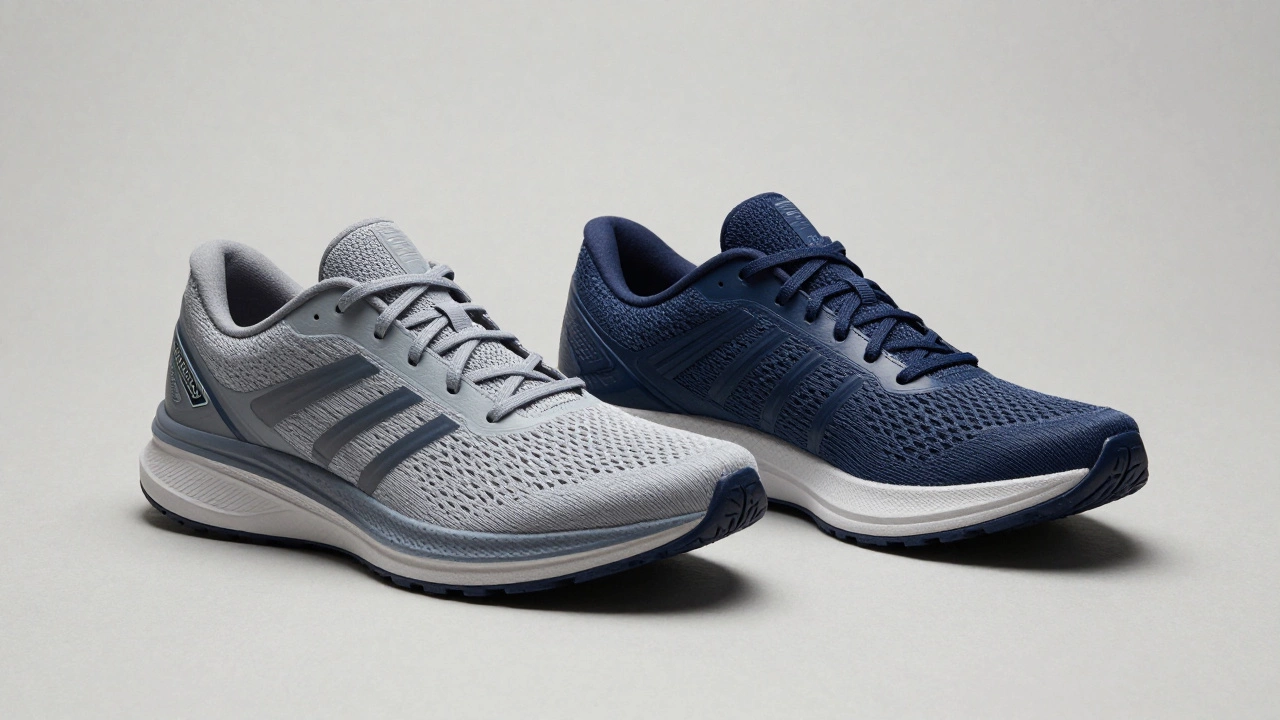
Asics vs Nike Shoe Size: Are They Really the Same?
Find out if Asics and Nike share the same sizing. We compare width, length, and last design to help you pick the correct size for your next running shoes.

Is It Bad to Wear Running Shoes When Not Running? Here's What Really Happens
Wearing running shoes outside of running isn't harmful-but it can shorten their life and hurt your feet if done wrong. Learn when it's safe, when to avoid it, and how to make them last.
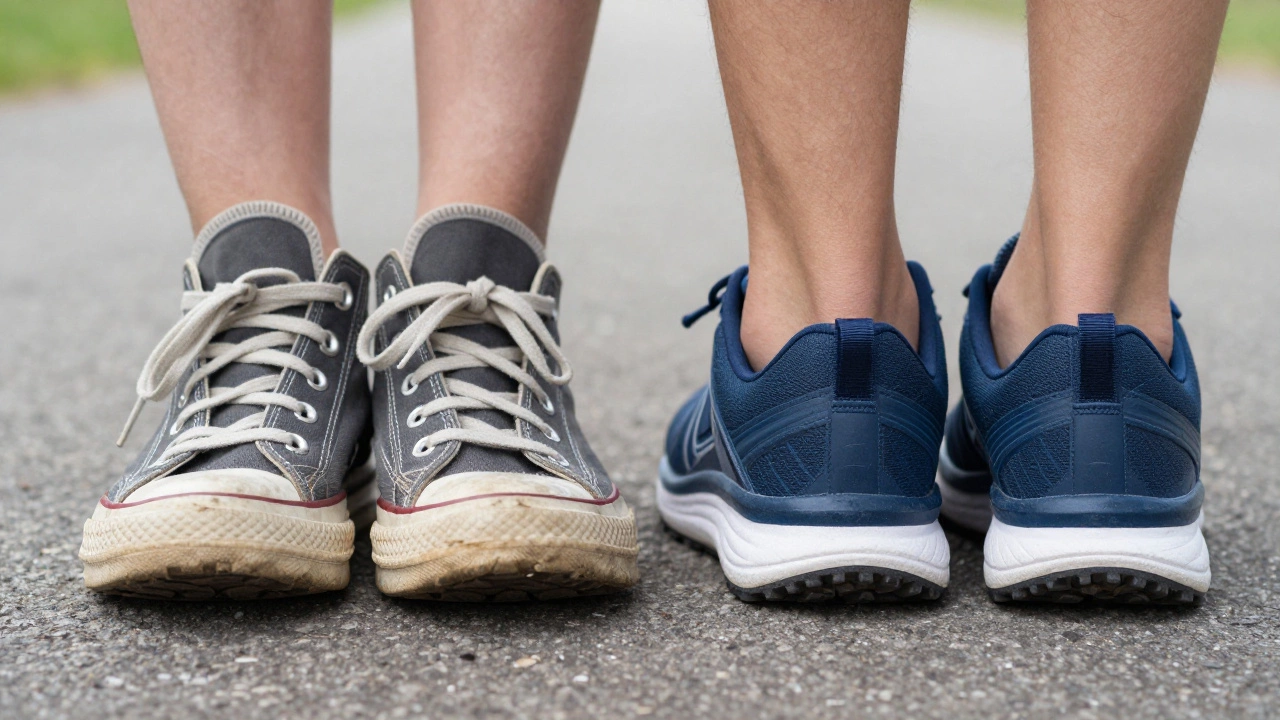
Can I Wear Normal Shoes for Running? The Real Risks and Better Choices
Wearing normal shoes for running can lead to serious injuries. Learn why running shoes are essential, what makes them different from casual sneakers, and how to choose the right pair without overspending.

Is It Bad to Wear Running Shoes a Half Size Too Big?
Wearing running shoes a half size too big can cause blisters, heel pain, and long-term injuries. Learn why proper fit matters more than extra room-and how to find the right size for your feet.

Should Running Shoes Fit Snug? Expert Guide to The Perfect Running Shoe Fit
Learn if running shoes should fit snug, why fit matters, and how to get the best comfort for runs. Tips on sizing, lacing, width, and real-world advice.

How Long Do Hokas Last? Real Answers for Runners
Wondering how long your Hokas will hold up? This article lays out exactly how many miles you can expect from your Hoka running shoes and what really happens as they get older. Get practical tips on spotting wear and tear, real-life signs it’s time to replace them, and how your running style affects their lifespan. We’ll also dig into how to squeeze more life out of your next pair without risking your feet. Stay smart about your gear and run safer, longer.

Which Brand Is Good for Running Shoes? Honest Guide for Your Next Pair
Picking the right brand for running shoes can change the way you move and even how you feel after a run. There are some top brands out there, but choosing depends on your feet and goals. This article breaks down what actually matters when picking a brand and why certain names pop up so much. Real tips about fit, tech, price, and brand strengths are all here. Cut through the noise and find the shoe brand that works for your runs, not just the marketing hype.

Should Running Shoes Be a Size Bigger?
Wondering whether your running shoes should be a size bigger? This article breaks down what actually happens to your feet during a run, why shoe size really matters more than you might think, and the risks of sticking to your regular size. Tips for finding the perfect fit, common mistakes, and personal stories from real runners will help you skip blisters and actually enjoy your miles. Ready to lace up smarter?

What Makes HOKA Running Shoes Stand Out?
This article looks at what makes HOKA running shoes unique in the world of running gear. It covers their signature design, real-world benefits, and how they compare to competitors. You'll learn about the technology behind their comfort and cushioning—and find out why so many runners swear by them. Whether you're a beginner or a seasoned marathoner, these insights might help you choose your next pair.

Can You Walk All Day in Running Shoes? Real-World Comfort and Surprising Facts
Ever wondered if your running shoes can handle a full day on your feet? This article digs into comfort, support, and wear-and-tear if you use running shoes for all-day walking. Discover what happens to your feet, how shoes hold up, and which features matter. Get expert-backed tips and learn about the subtle differences between running and walking shoes. Find out if running shoes fit your lifestyle beyond the treadmill.

How Many Miles Do Hokas Last? Here’s the Lowdown
Hokas are popular among runners for their comfort and support, but how long can they really go before you need a new pair? This article delves into the mileage you can expect from Hokas, touching on factors that affect durability, tips for extending their life, and signs it's time to replace them. Whether you're a marathoner or a casual jogger, knowing how many miles your Hokas can handle helps you plan and budget better for your running journey. With insights and stories from fellow athletes, you'll learn not only when to say goodbye to your shoes but also how to make the most of your investment.

Should You Wear Running Shoes Every Day?
Wearing running shoes daily may seem like a comfortable choice, but is it the right one for your feet? This article explores the benefits and potential downsides of rocking your runners every day. Learn about the support they offer, possible wear and tear issues, and tips for maintaining foot health when choosing your daily footwear. Whether you’re a fitness enthusiast or someone who values comfort, discover what it means for your feet and your sneakers.