Running Shoes March 26, 2026
Asics vs Nike Shoe Size: Are They Really the Same?
Asics vs Nike Fit Advisor
Convert Your Size
Comparison Guide
Understand why sizes differ before you buy.
| Feature | Nike Typical | Asics Typical |
|---|---|---|
| Toe Box | Narrower Tapered fit |
Rounded More room |
| Lockdown | Tight midfoot Slim last |
Secure but loose Larger volume |
| Break-in | Mesh stretches out Feels tight initially |
Stable shape Consistent fit |
The Hard Truth About Brand Sizes
If you are used to wearing a UK 9 in one pair of sneakers, you naturally assume a UK 9 in another brand will feel identical. You will be disappointed if you do that with Asics and Nike. The short answer is no, these brands are not the same size.
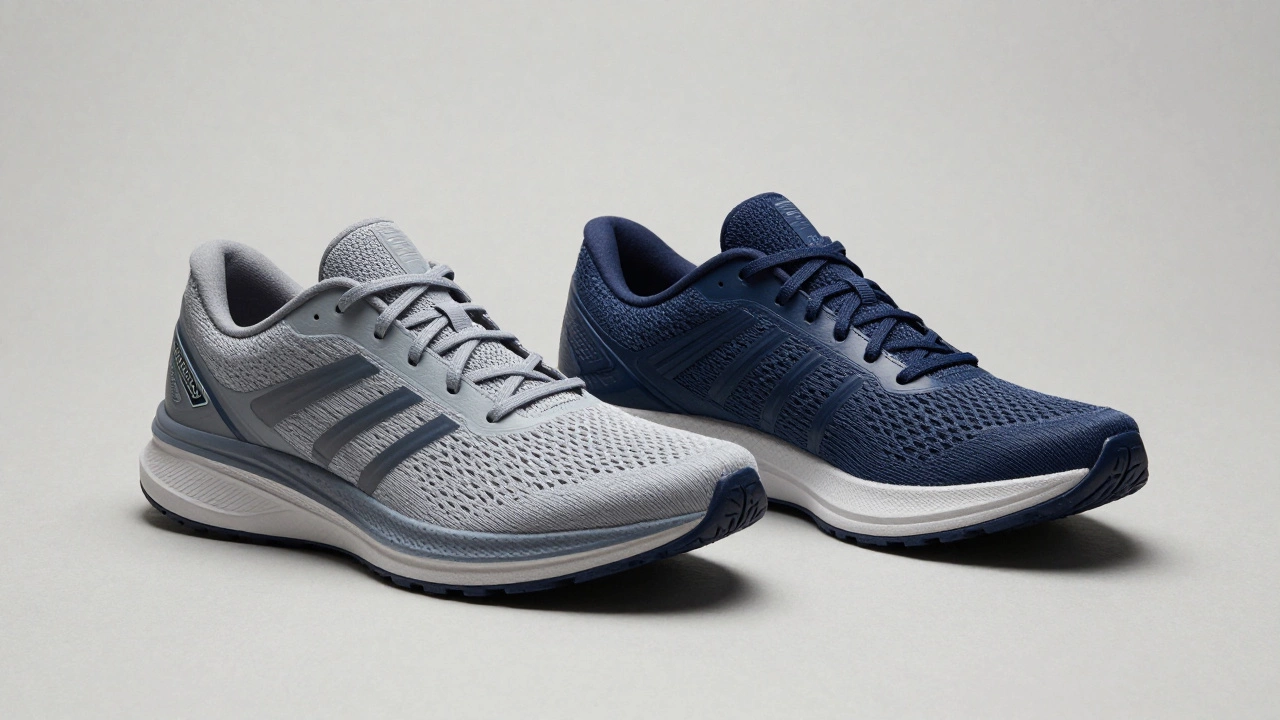
While the number printed on the box might match, the internal volume, width, and length differ because they use different "lasts." A last is the mold around which the shoe is built. Nike tends to build for a narrower, sleeker foot shape, while Asics often provides a bit more room in the toe box, especially in their performance running lines. Buying blindly online without knowing this distinction leads to returns. Understanding the difference saves you money and stops you from ruining your runs with ill-fitting gear.
Nike vs Asics: The Width Difference
Width is the biggest factor where people get confused. Nike designs many of their road running shoes with a narrower forefoot to prioritize lockdown and responsiveness. Think of a standard Nike Pegasus or Zoom Fly; they hug the midfoot tightly. If you have wide feet, you will feel squeezed here.
In contrast, Asics a Japanese footwear manufacturer known for gel cushioning technology generally offers a more accommodating fit out of the box. Their standard width isn't "wide," but it sits slightly looser than Nike's standard D-width. For example, the Asics Gel-Nimbus line is famous for having a roomier upper mesh that doesn't clamp down on the top of the foot. If you have broad feet, sticking with Asics usually requires less breaking in than switching to Nike.
| Feature | Nike Typical Fit | Asics Typical Fit |
|---|---|---|
| Toe Box | Narrower, tapered | Rounded, standard room |
| Midfoot Lockdown | Tight, aggressive | Solid, secure, less restrictive |
| Heel Collar | Soft, low profile | Stiffer, higher padding |
| Vegan/Non-Gel | ZoomX foam variants | Flytefoam / Guidance Line |
Length Variations Across Models
Even within the same brand, model changes affect sizing. A 2026 release of a stability shoe might run differently than the racing version of the same year. Take the Asics Gel-Kayano, for instance. In recent years, Asics adjusted the Kayano to accommodate motion control features, which sometimes tightens the upper. You might find the Gel-Kayano 30 fits snugglier than a Gel-Kayano 29 from two years prior.
Nike sees similar shifts. The Vaporfly super shoes are designed for speed, meaning the fit is aggressive. The tongue might sit differently compared to a daily trainer like the Infinity Run. When moving from Asics to Nike, you cannot rely solely on the millimeter conversion chart. A European size 43 is not always 43 in every factory floor location. Manufacturers often have slight manufacturing tolerances. The safest bet is always to try them on with the socks you intend to run in.
Conversion Charts Aren't Perfect
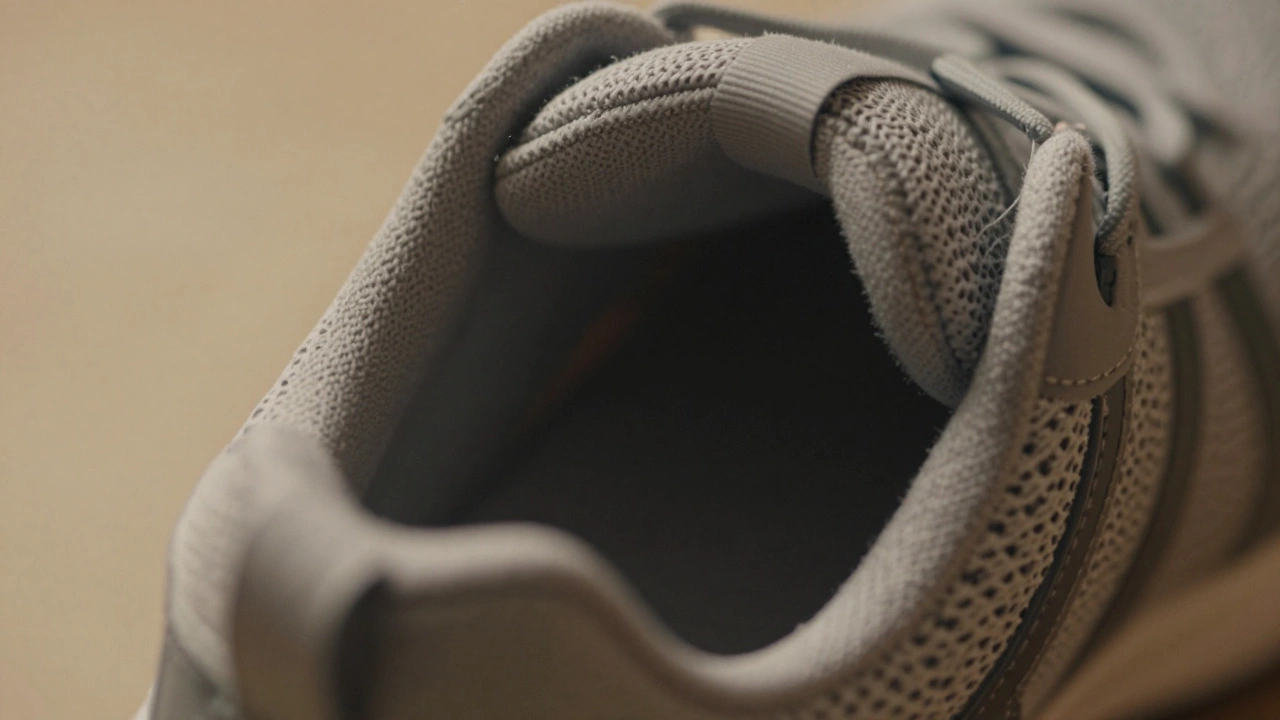
Many people trust a chart that says "Size 9 US = Size 42 EU." That is mathematically true on paper, but physically inconsistent across brands. Nike uses the Mondopoint system loosely for some tracks, while Asics follows strict ISO standards for their Japanese domestic market (JDM) releases. This causes confusion when buying online.
Practical experience shows that runners often need to go up half a size in Nike compared to their Asics baseline. If you walk into a store wearing a 10 in Asics, the sales associate should hand you a 10.5 in Nike. This extra space prevents black toenails during long distance efforts. Don't force your toes to fit the smaller box; your feet swell by about 5% during a run anyway.
Special Cases: Wide and Extra Wide Feet
If you are not standard width, the conversation changes. Nike is notoriously difficult for wide-footed runners unless you specifically hunt for "Wide" versions, which are harder to find and stock. Some popular styles simply never come in 2E or 4E widths.
Asics has a better track record with dedicated wide lasts. They often label these clearly as "W" or "2E." If your heel slips in regular Nikes, it's often because the shoe is too narrow and your foot is floating upward. Asics usually maintains heel counter security even in the wide versions, keeping your foot stable without pinching the sides.
Breaking In Period Expectations
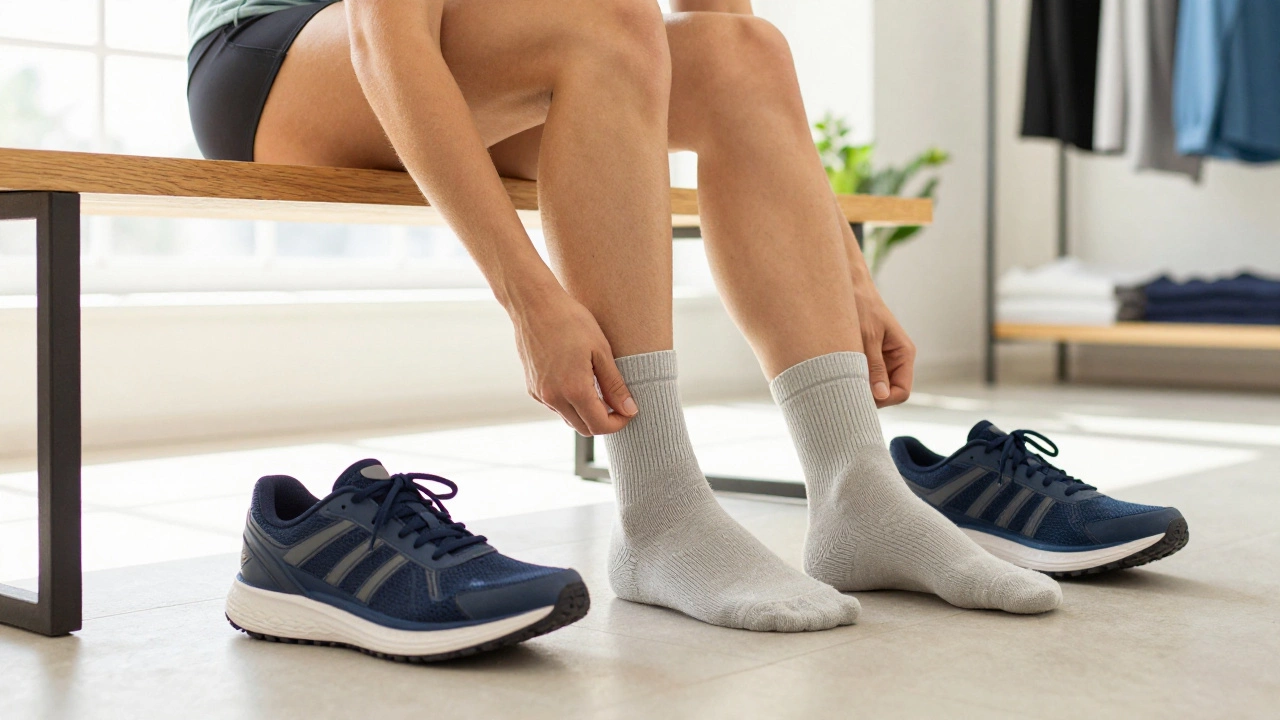
Neither brand should require a painful break-in period if sized correctly, but the sensation differs. Nike shoes, made with tighter engineered meshes (like Flyknit), tend to stretch out laterally as you wear them. You might feel tightness initially, then looseness over weeks.
Asics uppers, often constructed with knit materials now but traditionally synthetic overlays, hold their shape longer. If they feel good on day one, they will likely feel good six months later. Nike requires you to anticipate stretching; Asics requires you to anticipate consistent sizing. This nuance matters when ordering online without a trial option.
How to Choose the Right Fit
To avoid returns, follow a three-step measurement protocol before ordering:
- Measure your foot length at the end of the day when swelling is highest.
- Check the specific model reviews for mentions of "runs small" or "fits large." Look for user feedback on platforms specialized in running gear.
- Ensure a thumb's width of space between your longest toe and the front of the shoe. This accounts for forward slide during downhill braking forces.
If you switch from Asics to Nike, order two sizes (current + 0.5). Try them on with thick socks. Walk around. If possible, do a short jog test if the store allows. Your decision should be based on comfort, not just the size number on the sticker.
Do Asics and Nike use the same sizing standard?
They both use US and UK scales, but the physical dimensions behind those numbers differ. Nike runs narrower overall, meaning a size 10 in Nike may feel smaller than a size 10 in Asics due to the last design.
Should I go up a size when switching from Asics to Nike?
Generally, yes. Most runners recommend going up half a size in Nike if you are transitioning from a standard Asics width. This compensates for the narrower fit typical of Nike's last.
Which brand is better for wide feet?
Asics is widely considered more friendly for wide feet. They offer more standard width options that accommodate broader forefeet, whereas Nike is often marketed for narrow, performance-oriented fits.
Does the length change between the two brands?
Length is fairly consistent, but because of the tapering at the toe box in Nike, your toes might feel cramped even if the length is technically accurate. The perceived length feels shorter in Nike.
Are Asics Gel-Kayanos true to size?
Most models run true to size in Asics, but newer updates may vary. It is always safer to check the specific release year reviews, as last adjustments happen frequently during model refreshes.