Running Shoes January 22, 2026
Is It Bad to Wear Running Shoes When Not Running? Here's What Really Happens
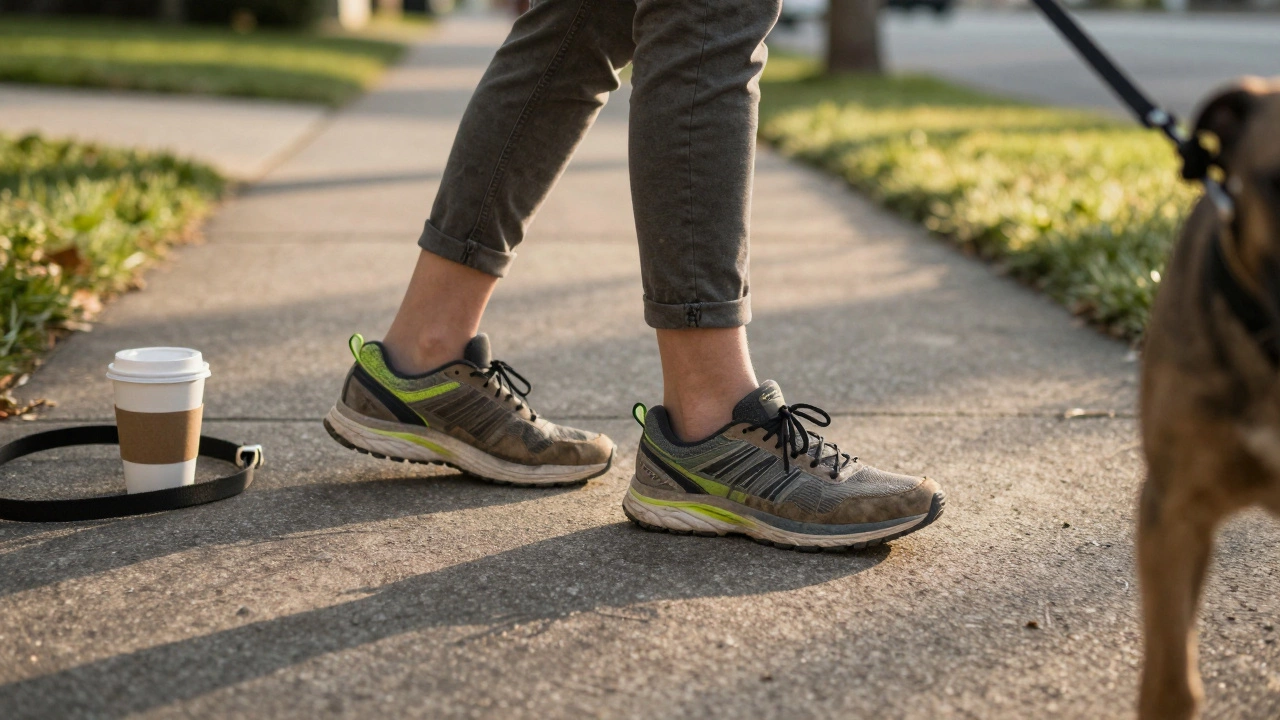
You’ve got a pair of running shoes sitting by the door. You wore them yesterday for your 5K, and now you’re thinking: should I put them on again to grab coffee, walk the dog, or run to the bus stop? It’s tempting. They’re comfy. They look good. But is it bad to wear running shoes when not running?
Running shoes aren’t just for running
Running shoes are designed with one goal: to handle the repeated impact of your foot hitting the ground-about 1,500 times per mile. That means they have cushioning in the heel, arch support tailored for forward motion, and flexible soles that roll smoothly from heel to toe. But that doesn’t mean they only work when you’re sprinting or jogging.Millions of people wear running shoes every day for walking, errands, standing at work, or just lounging around. And for most, it’s perfectly fine. The real question isn’t whether it’s bad-it’s whether it’s smart for your shoes and your feet.
What happens when you wear running shoes for walking
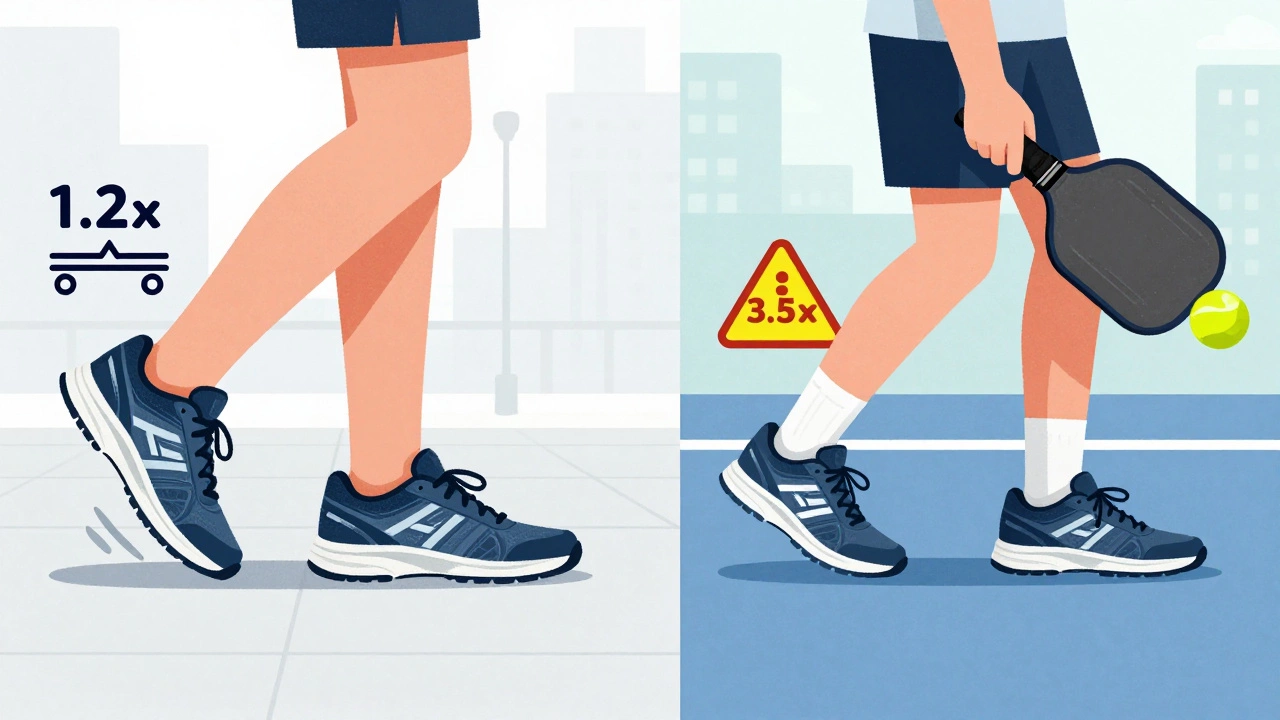
Walking puts less stress on your shoes than running. Your foot strikes the ground with about 1.2 times your body weight when walking, compared to 2.5 to 3 times when running. That means the cushioning in your running shoes isn’t being crushed the same way. The midsole foam-usually EVA or Pebax-still compresses, but it rebounds more easily and doesn’t break down as fast.Some studies show that people who walk in running shoes report less foot fatigue than those wearing flat sneakers or dress shoes. A 2023 biomechanics review from the University of Bristol found that runners who switched to walking in their old running shoes saw a 22% drop in heel pain over six weeks. Why? Because the cushioning supports the natural arch movement during walking better than most casual shoes.
So if you’re walking 10,000 steps a day, your running shoes might actually be doing you a favor.
When wearing running shoes outside of running starts to hurt
There’s a catch. Running shoes aren’t made for every activity. If you’re doing anything that involves lateral movement-like tennis, basketball, or even heavy lifting-you’re asking for trouble.Running shoes have a narrow, streamlined sole designed for forward motion. They lack the wide base and ankle support needed for side-to-side movement. Wearing them for court sports increases your risk of ankle rolls. A 2024 study in the Journal of Sports Injury Prevention found that people who wore running shoes during pickleball had 3.5 times more ankle sprains than those in court-specific shoes.
Same goes for hiking. Running shoes don’t have aggressive tread or ankle protection. On uneven trails, you’re more likely to twist an ankle or slip on wet rocks. And if you’re standing all day on concrete-say, as a retail worker or nurse-your running shoes might feel great at first, but the lack of heel counter support can lead to plantar fasciitis over time.
How fast do running shoes wear out when used daily
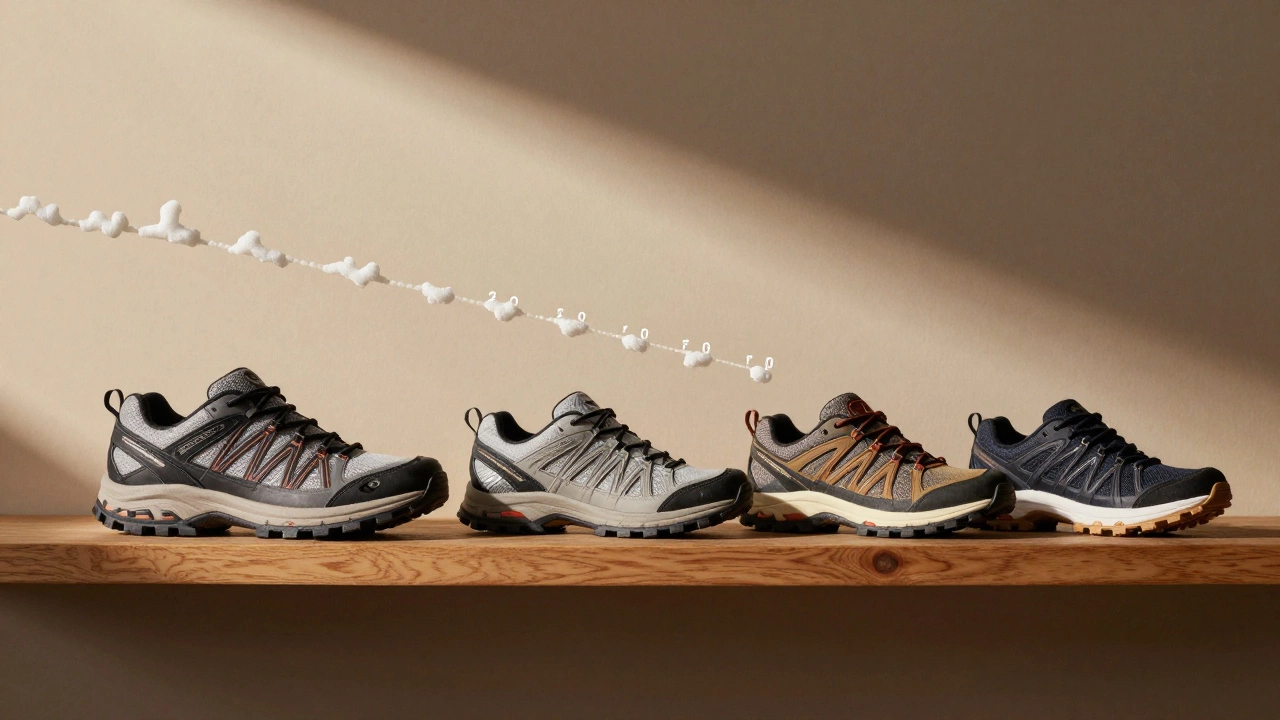
Most running shoes last between 300 and 500 miles. That’s the sweet spot before the foam loses its bounce and the outsole wears thin. But if you’re wearing them 8 hours a day for walking and errands, you’re adding miles-even if you’re not running.Let’s say you walk 3 miles a day, five days a week. That’s 15 miles a week. In 20 weeks, you’ve hit 300 miles. That’s the end of your shoe’s life-even if you’ve only run 50 miles in them. The rest? All that daily wear and tear from pavement, carpets, and stairs is slowly crushing the foam.
Here’s a simple test: lay your shoe on a flat surface. If the heel tilts inward or the midsole looks compressed on one side, it’s done. You don’t need to wait for holes in the sole. The cushioning is already failing.
Are running shoes good for everyday use? Yes, if you do it right
If you want to wear your running shoes outside of running, follow these rules:- Use them for walking, commuting, and light errands-nothing high-impact.
- Rotate two pairs. Swap them every other day to let the foam recover.
- Don’t use them for gym workouts, hiking, or sports with lateral movement.
- Replace them every 6-8 months if you’re wearing them daily, even if you haven’t hit 300 miles.
- Check the heel and arch support monthly. If they feel flatter than before, it’s time.
Many people in Bristol do this. They buy one pair for running, another for daily wear. It’s not expensive-running shoes often go on sale for £50 or less. And it keeps your feet happy.
What to wear instead when you’re not running
If you’re not running, you don’t need the same level of cushioning. For daily walking or standing, a good walking shoe is lighter, more durable, and built for prolonged use. Brands like New Balance 928, Skechers Walk Max, or Brooks Addiction Walker are made for all-day comfort without the extra foam that breaks down fast.For the gym? Go for cross-trainers. They have a wider base and stiffer sole for lifting and lateral moves. For hiking? Trail shoes with grip and ankle support. For the office? A supportive loafers or athletic dress shoe with arch padding.
There’s no need to force your running shoes into roles they weren’t built for. They’re specialists, not generalists.
Myth: Wearing running shoes daily ruins your feet
Some people say wearing running shoes all the time makes your feet weak. That’s not true. Your feet don’t get weaker because you wear cushioned shoes. They get weak if you stop moving. A 2022 study in the Journal of Foot and Ankle Research tracked 300 people who wore running shoes daily for a year. None developed foot deformities or muscle loss. In fact, their foot strength improved slightly because they were walking more.The real issue isn’t the shoe-it’s the lack of variety. If you wear the same pair every single day, year after year, your feet adapt to that one shape. That’s why rotating shoes helps. It gives your feet different stimuli, which keeps them adaptable and strong.
Bottom line: It’s not bad-it’s about smart use
Wearing running shoes when you’re not running isn’t harmful. In fact, it’s often better than wearing flat sneakers, flip-flops, or worn-out loafers. But it’s not a free pass to treat them like all-purpose footwear.Use them for walking and daily life. Don’t use them for sports, hiking, or heavy lifting. Rotate them. Replace them on time. And listen to your feet-if they start aching, it’s not the miles, it’s the shoes.
Running shoes are one of the best investments you can make for your feet. Just don’t waste them on the wrong jobs.
Can I wear running shoes to the gym?
It depends on what you’re doing. For cardio machines like the treadmill or elliptical, yes-running shoes are fine. For weightlifting, HIIT, or any lateral movement, no. Running shoes lack the stability and wide base needed for lifting. Use cross-trainers instead to avoid injury and improve performance.
Do running shoes last longer if I only wear them for running?
Yes, but not as much as you might think. If you run 20 miles a week and wear the shoes only for running, they’ll last about 15-20 weeks before needing replacement. But if you wear them daily for walking, you’ll hit the 300-500 mile limit faster-even if you’re not running. The foam breaks down from pressure, not just impact.
Are expensive running shoes worth wearing daily?
Not really. High-end running shoes with carbon plates or advanced foam are designed for performance, not durability. Wearing them daily will wear out the tech faster than you’d expect. Save those for runs. For everyday walking, a mid-range shoe (£50-70) with good cushioning and support works just as well and costs less to replace.
Can I wear running shoes in the rain?
Most running shoes aren’t waterproof. They’re made with breathable mesh to keep your feet cool. Rain will soak through, and wet foam breaks down faster. If you walk in the rain often, get a pair with water-resistant upper or switch to a dedicated walking shoe with a Gore-Tex lining. Don’t let your running shoes stay soggy.
Should I wear socks with running shoes for daily use?
Always. Even if you’re just walking to the shop. Socks reduce friction, prevent blisters, and help wick moisture away. Going sockless in running shoes-even for short walks-can cause skin irritation, odor, and even fungal infections over time. A simple pair of moisture-wicking socks makes a big difference.
If you're using your running shoes for daily walks, you’re doing it right. Just don’t confuse comfort with durability. Treat them like tools-not fashion statements. They’ll thank you with fewer aches and longer life.