General Sports September 17, 2026
What Is the Oldest Sport? A Look at Ancient Games
Ancient Sports Timeline Explorer
Click on each sport below to reveal its earliest known evidence, location, and key characteristics. Note how definitions of "sport" affect which discipline claims the title of oldest.
Wrestling
c. 15,300 BCELocation: France (Lascaux) / Egypt (Beni Hasan)
Evidence: Cave paintings depicting grappling techniques (headlocks, leg trips). Later Egyptian tomb reliefs show over 400 distinct moves.
Note: Requires no equipment. Often considered the oldest due to prehistoric visual proof.
Polo
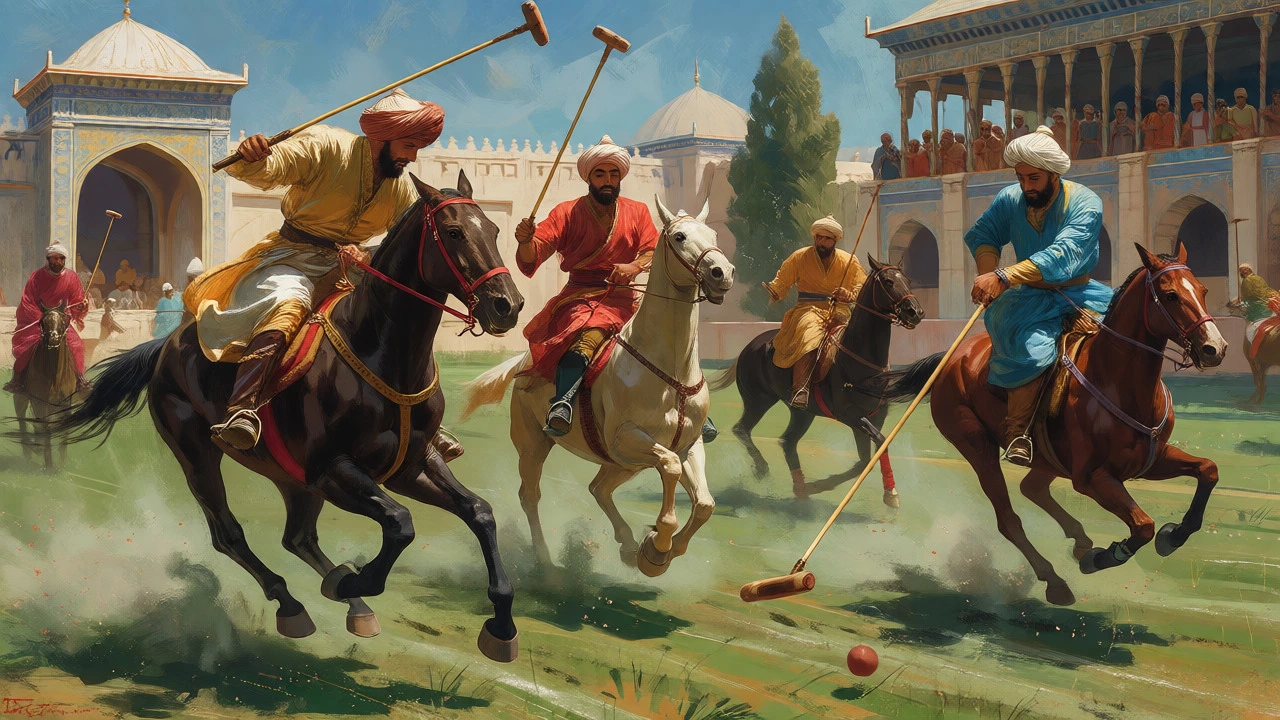
c. 600 BCELocation: Persia (Modern-day Iran)
Evidence: Known as "Chovgan," used for military cavalry training. Oldest organized team sport with specialized equipment (horses, sticks).
Note: Challenges wrestling's title if "sport" requires teams and rules.
Running (Olympic Stadion)
776 BCELocation: Greece (Olympia)
Evidence: First recorded Olympic Games. The only event was the "stadion" race (~192m). Koroibos of Elis was the first champion.
Note: Humans have run for survival since existence, but formalized competition dates to this era.
Football Ancestors (Cuju/Harpastum)
c. 2nd Century BCELocation: China (Han Dynasty) / Rome
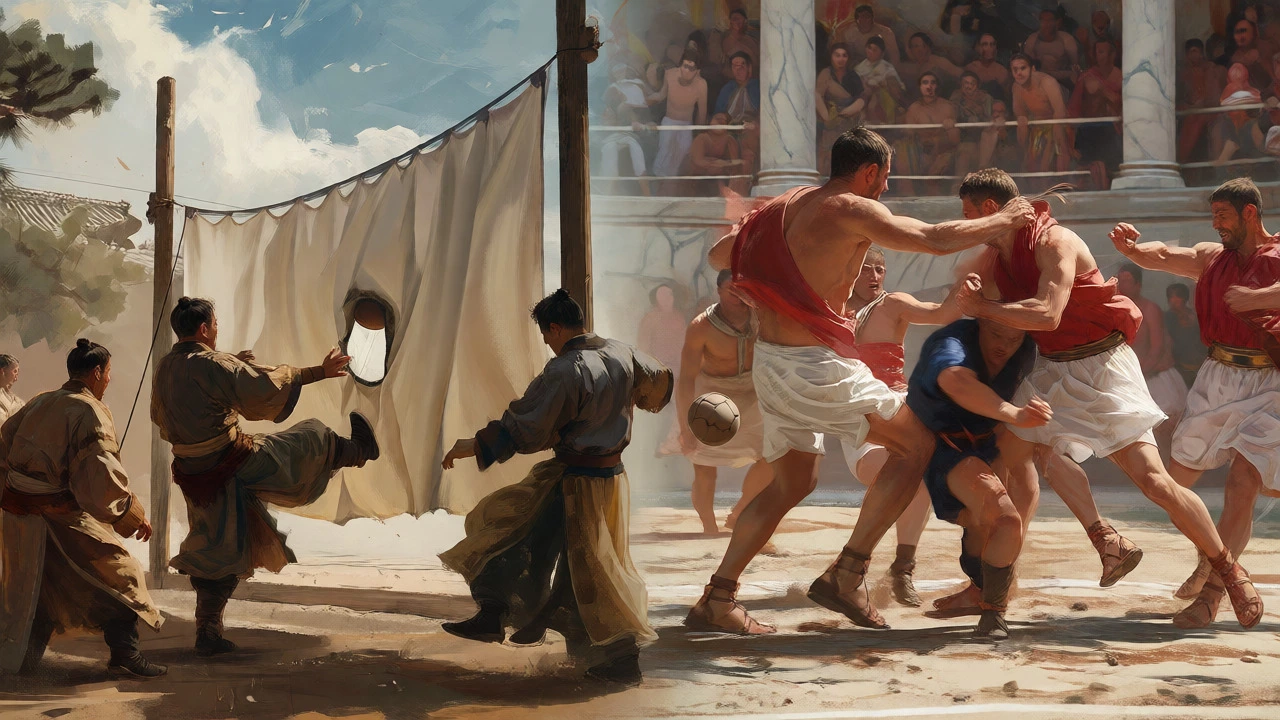
Evidence: "Cuju" involved kicking a leather ball through a silk cloth opening. Roman "Harpastum" involved tackling and passing.
Note: FIFA recognizes Cuju as the earliest form of soccer. Modern association football standardized in 19th-century England.
Key Takeaway
The debate over the "oldest sport" depends entirely on your definition. If it includes any structured physical activity, Wrestling wins with 15,000+ years of evidence. If it requires teams and rules, Polo is the strongest contender among organized games.
You might assume football is one of the oldest games on Earth. After all, humans have been kicking balls around for centuries. But if you dig into archaeological records and ancient texts, football doesn't even make the top five. The title of "oldest sport" belongs to a discipline that requires no equipment, no field markings, and no rules other than gravity and human strength. It’s wrestling.
Why does this matter? Because understanding where sports began helps us appreciate how far we’ve come. From cave paintings in France to modern Olympic arenas, the evolution of physical competition tells the story of human civilization itself. You aren’t just watching athletes; you’re witnessing rituals that date back thousands of years. Let’s break down who really holds the crown, why it’s contested, and what other ancient games deserve recognition.
The Case for Wrestling as the Oldest Sport
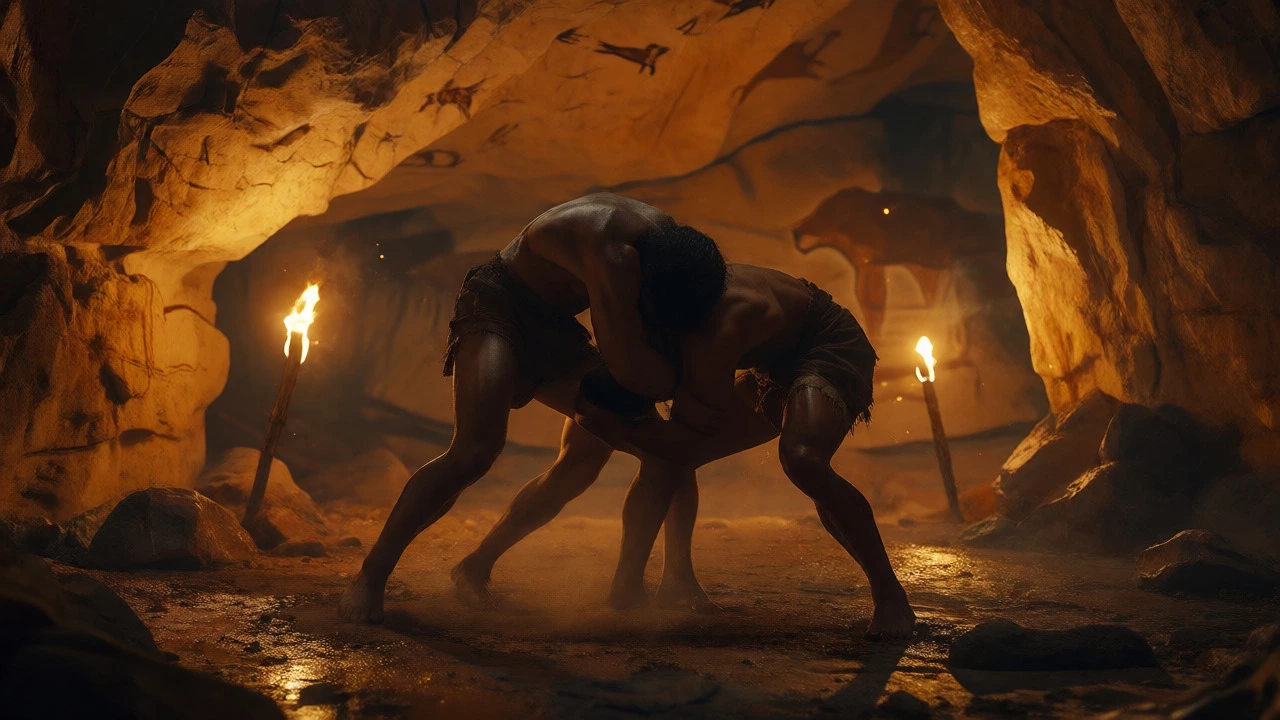
Wrestling isn’t just old; it’s prehistoric. Archaeologists found cave paintings in Lascaux, France, dating back approximately 15,300 years. These images depict two figures grappling in positions that look unmistakably like modern wrestling holds. This isn’t speculation. The art shows specific techniques-headlocks, leg trips-that imply structured practice rather than random fighting.
Fast forward to ancient Egypt. Tomb reliefs from Beni Hasan, dated around 2000 BCE, show over 400 distinct wrestling moves. These weren’t just decorative; they were instructional. The Egyptians documented their techniques with the same rigor we use today for training manuals. If you’ve ever watched a judo match, you’ll recognize the lineage. Judo is essentially a refined, rule-bound descendant of these ancient grappling arts.
| Sport | Earliest Evidence | Location | Key Characteristics |
|---|---|---|---|
| Wrestling | c. 15,000 BCE (Cave Art) | France / Egypt | Grappling, throws, pins |
| Polo | c. 600 BCE | Persia (Iran) | Horseback riding, ball striking |
| Running | c. 776 BCE (Olympics) | Greece | Foot racing, endurance |
| Football Codes | c. 2nd Century BCE | China / Rome | Kicking, carrying, team play |
Why Polo Challenges the Throne
If you define "sport" strictly as a game with teams, rules, and specialized equipment, wrestling loses its claim. That’s where polo enters the conversation. Originating in Persia (modern-day Iran) around the 6th century BCE, polo was originally called "Chovgan." It wasn’t just a pastime for kings; it was military training. Cavalry units played polo to improve horsemanship, coordination, and tactical awareness.
The British discovered polo in India during the colonial era and codified the rules we recognize today. But the Persian roots are undeniable. Unlike wrestling, which evolved naturally from combat, polo required deliberate invention. Someone had to decide: "Let’s put people on horses and hit a ball with sticks." This makes polo arguably the oldest organized team sport. While wrestling is older, polo represents the birth of structured competition.
Ancient Running and the Olympics
People often cite the first recorded Olympic Games in 776 BCE as the start of modern sport. The only event was the "stadion," a foot race roughly 192 meters long. Koroibos of Elis won this inaugural race, becoming the first Olympic champion in history. However, running itself predates the Olympics by millennia.
Humans have run for survival since the dawn of our species. But competitive running as a formalized event began in Greece. The Greeks valued physical perfection, or "arete," and running was central to their educational system. If you’re wondering about the marathon, that’s a myth created much later. Pheidippides didn’t run 26 miles to announce victory; he ran a longer distance before battle. The modern marathon distance was standardized in 1908 to ensure the race ended in front of the royal box.
Football’s Deep Roots
Since you’re interested in football matches, it’s worth noting that the sport has ancient ancestors too. In China, during the Han Dynasty (206 BCE-220 CE), a game called "Cuju" involved kicking a leather ball through a small opening in a silk cloth hung between two poles. No hands allowed. This is the closest ancestor to modern soccer.
The Romans played "Harpastum," a violent ball game involving tackling and passing. Medieval Europe saw "Mob Football," where entire villages would compete to move a pig’s bladder across town boundaries. There were few rules, and injuries were common. Modern association football, as we know it, emerged in England in the 19th century when schools like Rugby and Eton tried to standardize the chaos. So while football isn’t the oldest sport, its lineage is surprisingly deep.
Other Contenders for the Title
Beyond the big three, several other disciplines claim ancient status:
- Hockey: Evidence suggests stick-and-ball games existed in ancient Egypt and Ethiopia. The Mesoamerican game "Pok-ta-Pok" also shares similarities, though it used a rubber ball and stone hoops.
- Lacrosse: Indigenous peoples in North America played lacrosse centuries before European contact. It served spiritual and diplomatic purposes, not just recreation.
- Archery: As both a hunting tool and a competitive skill, archery competitions date back to ancient Egypt and China. The Parthians were famous for their horse-archery skills.
Each of these sports reflects the values of its culture. Archery highlighted precision and patience. Lacrosse emphasized community and spirituality. Hockey demonstrated teamwork and strategy. None are "better" than the others; they simply solved different human needs through play.
How We Define "Sport" Matters
The debate over the oldest sport hinges entirely on definition. If a sport requires rules, referees, and scheduled matches, polo wins. If it includes any structured physical activity, wrestling wins. If it includes basic human movement, running wins.
Most historians lean toward wrestling because of the visual evidence. Cave paintings don’t lie. They show intentional, repeated actions that mirror modern techniques. Polo, while organized, lacks such early visual proof. Its history relies more on textual references and cultural transmission.
This distinction matters for modern athletes. When you step onto a wrestling mat, you’re participating in a tradition older than written language. When you kick a football, you’re part of a global phenomenon that unified communities long before television existed. Understanding this context adds depth to every match you watch.
Is wrestling really older than running?
Yes, in terms of structured competition. Humans have run since existence, but competitive wrestling appears in cave art from 15,000 years ago. Organized running events like the Greek stadion came much later, around 776 BCE. Wrestling’s depiction in art suggests it was already a formalized activity when those paintings were made.
Was polo invented in England?
No. Polo originated in Persia (modern-day Iran) around the 6th century BCE. The British encountered it in Manipur, India, during the 19th century and codified the rules for international play. The sport spread globally from there, but its roots are firmly Middle Eastern and Central Asian.
Does Cuju count as football?
FIFA recognizes Cuju, played in ancient China, as the earliest form of football. It involved kicking a ball without using hands, similar to modern soccer. However, it lacked the complex team strategies and goal structures of contemporary football. It’s a direct ancestor, but not identical.
Why do some sources say hockey is the oldest?
Some claims rely on ambiguous artifacts, like Egyptian tomb drawings showing stick-and-ball games. However, these lack clear rules or team structures comparable to modern hockey. Most historians view these as recreational activities rather than formal sports. Polo and wrestling have stronger documentary and artistic evidence for organized competition.
Are ancient sports still played today?
Absolutely. Wrestling is an Olympic sport with direct ties to ancient techniques. Polo remains popular in Argentina, India, and the UK. Running is universal. Even Cuju has seen revivals in China as a cultural heritage activity. Many traditional games persist locally, preserving historical methods of play and community bonding.