Fitness June 8, 2026
Can You Lose Belly Fat in 30 Days? A Realistic Guide to Results
30-Day Belly Fat Loss Estimator
Based on diet changes and increased NEAT.
50% (Inconsistent)
80%
100% (Strict)
Your 30-Day Projection
0 lbs
Total Weight Loss
0 in
Est. Waist Reduction
0 lbs
Pure Fat Mass
0 lbs
Water Weight Drop
Weekly Breakdown
Week 1
Detox & Reset
0 lbs
Week 2
Building Habits
0 lbs
Week 3
Intensifying Effort
0 lbs
Week 4
The Final Push
0 lbs
Note: Week 1 typically shows rapid loss due to water weight from cutting sodium/carbs. Weeks 2-4 represent slower, steadier fat loss. Consistency is key to maintaining this rate.
Here is the hard truth: you cannot spot-reduce fat from your stomach. If you do a thousand crunches every morning, you will build stronger abdominal muscles, but the layer of fat sitting on top of them will not disappear just because you targeted that area. So, can you lose belly fat in 30 days? The short answer is yes, you can make significant progress. The long answer involves understanding how your body actually burns energy and why most quick-fix diets fail.
Most people want a flat stomach in four weeks for an upcoming event, a holiday, or simply to feel better in their clothes. It is a valid goal, but it requires a shift in strategy. You are not trying to 'burn' belly fat directly; you are trying to create an environment where your body chooses to use stored fat for fuel. When you do this consistently for 30 days, the scale moves, your waistline shrinks, and your energy levels skyrocket.
The Biology of Belly Fat: Why It Sticks Around
To tackle belly fat, you need to know what you are fighting against. There are two main types of fat around your midsection: subcutaneous fat and visceral fat. Subcutaneous fat is the soft, pinchable fat under your skin. It is annoying, but relatively harmless. Visceral fat, however, is deeper. It wraps around your liver, pancreas, and intestines. This type of fat is metabolically active, meaning it releases hormones and inflammatory substances that can lead to serious health issues like type 2 diabetes and heart disease.
Why does visceral fat accumulate? It is often driven by high insulin levels. When you eat foods that spike your blood sugar-like white bread, sugary drinks, or processed snacks-your body releases insulin to manage the glucose. Insulin is a storage hormone. When insulin levels are high, your body locks the doors on fat cells, preventing them from releasing stored energy. To lose belly fat in 30 days, you must lower those insulin spikes. This means shifting away from refined carbohydrates and toward whole, nutrient-dense foods.
Stress also plays a massive role. When you are stressed, your body produces cortisol. High cortisol levels specifically encourage fat storage in the abdominal area. If you are sleeping five hours a night and working yourself into the ground, no amount of dieting will fully counteract the hormonal signal telling your body to hold onto belly fat. Sleep and stress management are not optional extras; they are part of the equation.
Nutrition: The 80% Rule
You cannot out-train a bad diet. In fact, nutrition accounts for about 80% of your results when it comes to losing weight. For a 30-day challenge, you do not need a complicated meal plan. You need consistency and simplicity. The goal is to stay in a slight caloric deficit while keeping your metabolism happy.
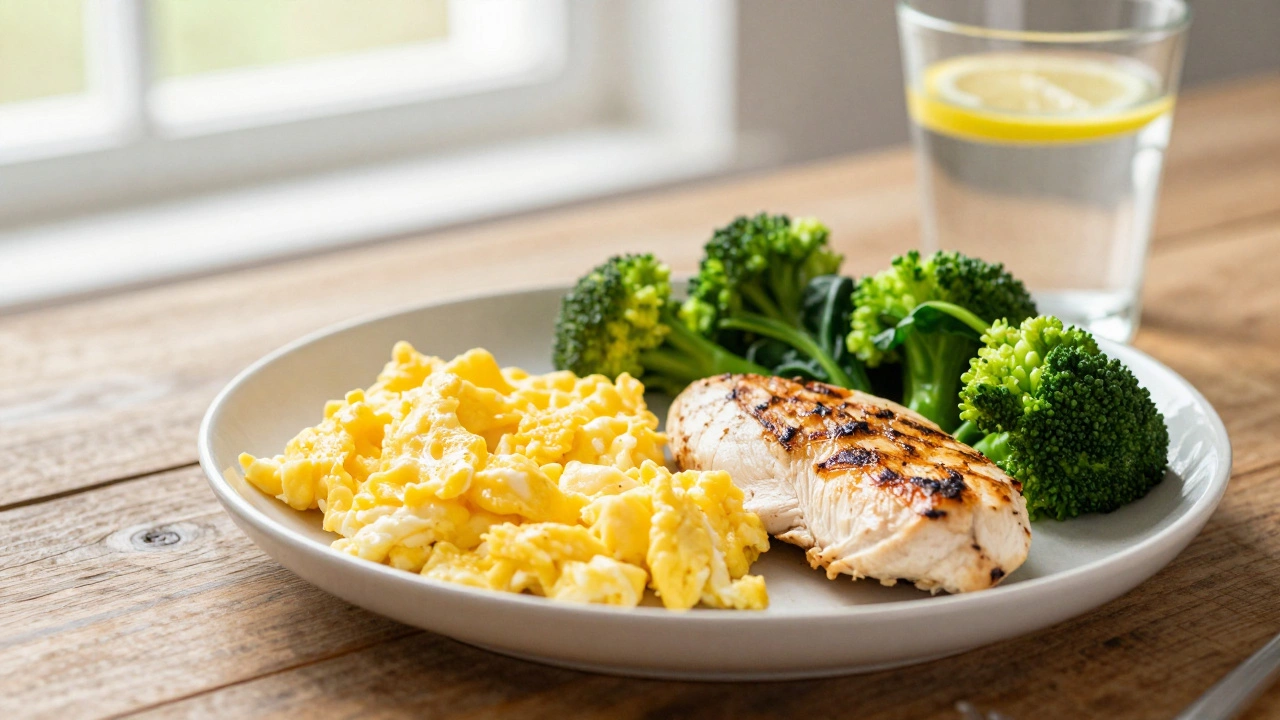
Start by prioritizing protein. Protein has a high thermic effect, meaning your body burns more calories digesting it than it does with fats or carbs. More importantly, protein keeps you full. Aim for 25-30 grams of protein at each meal. Good sources include chicken breast, fish, eggs, Greek yogurt, tofu, and lentils. If you start every meal with protein, you naturally eat fewer empty calories later.
Next, cut the liquid calories. Soda, juice, fancy coffee drinks, and alcohol are major hurdles. Alcohol, in particular, pauses fat burning because your liver prioritizes breaking down the ethanol over burning fat. For 30 days, try sticking to water, black coffee, or unsweetened tea. This single change can drop several pounds of water weight and reduce bloating within the first week.
Fiber is your other best friend. Soluble fiber, found in oats, beans, and vegetables, absorbs water and forms a gel that slows digestion. This helps control appetite and improves gut health. Fill half your plate with non-starchy vegetables like spinach, broccoli, zucchini, and peppers. They add volume to your meals without adding significant calories, allowing you to eat satisfying portions while staying in a deficit.

Movement: How to Train for Fat Loss
While diet drives weight loss, exercise determines what you look like as you lose it. If you only cut calories, you might lose muscle along with fat, leading to a 'skinny fat' appearance. To keep your metabolism high and your body toned, you need resistance training.
Forget endless cardio sessions on the treadmill. While walking is excellent for health and calorie burning, strength training builds muscle tissue. Muscle is metabolically expensive; it burns calories even when you are sitting on the couch. Aim for three to four strength sessions per week. Focus on compound movements that engage multiple muscle groups at once:
- Squats: Engage your quads, hamstrings, glutes, and core.
- Deadlifts: Work your posterior chain and core stability.
- Push-ups: Build chest, shoulders, and triceps while stabilizing the core.
- Rows: Strengthen your back and improve posture.
If you are new to lifting, bodyweight exercises are a perfect starting point. A simple routine of squats, lunges, push-ups, and planks performed in circuits can elevate your heart rate and build strength simultaneously. Consistency is key here. Doing 20 minutes of focused strength work three times a week is far more effective than one hour of sporadic jogging.
Don't underestimate the power of Non-Exercise Activity Thermogenesis (NEAT). This refers to the calories you burn through daily movement that isn't structured exercise. Walking to the store, taking the stairs, cleaning the house, or standing while talking on the phone all count. Increasing your NEAT can burn hundreds of extra calories a day without requiring a gym membership. Aim for 8,000 to 10,000 steps daily during your 30-day challenge.
The 30-Day Roadmap: Week by Week
Breaking the month down into weekly goals makes the process manageable and less overwhelming. Here is how to structure your 30 days for maximum impact.
Week 1: Detox and Reset
The first week is about flushing out excess sodium and water retention. Cut out processed foods, added sugars, and alcohol completely. You will likely see a quick drop in weight on the scale, mostly due to water loss. This is a great psychological boost. Start incorporating daily walks after meals to aid digestion and stabilize blood sugar. Establish your sleep schedule now; aim for seven to eight hours per night.
Week 2: Building Habits
By now, the initial cravings should have subsided. Focus on hitting your protein targets. Introduce your strength training routine if you haven't already. You might feel tired as your body adjusts to lower carbohydrate intake, but this is temporary. Keep moving. Try to find ways to increase your step count without feeling like you are 'exercising.'
Week 3: Intensifying Effort
This is often the hardest week. Motivation dips, and the initial water weight is gone. Now you are burning actual fat, which is slower. Push through by varying your workouts. Try high-intensity interval training (HIIT) once or twice a week if you are conditioned for it, or increase the weight in your strength sessions. Re-evaluate your portion sizes. Are you snacking mindlessly? Eliminate hidden calories.
Week 4: The Final Push
In the last week, maintain your discipline. Do not cheat on the diet thinking you have 'earned' it. Your body is primed for fat loss. Continue strength training to preserve muscle. Hydrate heavily to help flush out metabolic waste. Take progress photos now and compare them to Day 1. Sometimes the mirror shows changes before the scale does.

Common Pitfalls to Avoid
Many people sabotage their own progress by falling into common traps. First, avoid weighing yourself every day. Fluctuations in water weight can be misleading and discouraging. Weigh yourself once a week, at the same time, under the same conditions. Instead, track your waist measurement. A tape measure around your navel is a more accurate indicator of belly fat loss than the scale.
Second, beware of 'detox' teas and supplements. Most of these are laxatives that cause dehydration and temporary weight loss. They do not burn fat and can disrupt your digestive system. Stick to whole foods and natural remedies like green tea or lemon water if you need a boost.
Finally, don't ignore hunger cues. Extreme restriction leads to binge eating. If you are hungry, eat more fiber-rich vegetables or lean protein. Listen to your body. Sustainable fat loss is not about suffering; it is about making smarter choices consistently.
| Strategy | Effective Approach | Ineffective Approach |
|---|---|---|
| Diet | High protein, high fiber, moderate healthy fats | Starvation diets, cutting out entire food groups unnecessarily |
| Exercise | Strength training + daily walking | Only doing ab exercises or excessive steady-state cardio |
| Tracking | Waist measurements and progress photos | Obsessive daily scale weighing |
| Lifestyle | 7-8 hours sleep, stress management | Ignoring sleep and high cortisol levels |
Maintaining Results After Day 30
The real test begins after the 30 days are up. Many people regain the weight because they revert to old habits. To maintain your results, adopt a maintenance mindset. You don't have to live perfectly, but you must live intentionally. Allow yourself flexibility. The 80/20 rule works well here: eat nutrient-dense foods 80% of the time and enjoy treats 20% of the time.
Continue strength training. As you age, muscle mass naturally declines, which slows your metabolism. Keeping your muscle mass high ensures you can eat more food without gaining fat. Monitor your waistline regularly. If you notice it creeping back up, adjust your calorie intake slightly before the problem becomes entrenched.
Remember, losing belly fat is not just about aesthetics. It is a profound investment in your long-term health. Reducing visceral fat lowers your risk of chronic diseases and improves your quality of life. Thirty days is enough time to break bad habits and start building new ones. You have the tools; now you need the consistency.
How much belly fat can I realistically lose in 30 days?
A safe and sustainable rate of weight loss is 1-2 pounds per week. Over 30 days, this translates to 4-8 pounds of total weight loss. However, not all of this will be pure fat, especially in the first week where water weight drops significantly. In terms of inches lost around the waist, you can expect to lose 1-3 inches depending on your starting point and adherence to the plan. Those with more weight to lose may see faster initial results.
Do ab exercises help lose belly fat?
No, ab exercises do not directly burn belly fat. Spot reduction is a myth. Crunches and planks strengthen the underlying abdominal muscles, which can improve posture and core stability. However, if there is a layer of fat covering these muscles, they will not be visible until you lower your overall body fat percentage through diet and full-body exercise.
Is it normal to feel hungry during the first week?
Yes, it is very common. Your body is adjusting to a lower intake of refined carbs and sugars, which previously provided quick energy spikes. To combat hunger, increase your intake of fiber-rich vegetables and lean proteins. Drinking plenty of water also helps distinguish between thirst and hunger. This feeling usually subsides after 3-5 days as your metabolism adapts.
Can I drink alcohol during my 30-day challenge?
It is highly recommended to avoid alcohol entirely for the best results. Alcohol contains empty calories and halts fat burning processes as your liver prioritizes detoxifying the alcohol. Additionally, alcohol often lowers inhibitions, leading to poor food choices. If you must drink, limit it to one occasion and choose low-carb options like dry wine or spirits with zero-calorie mixers.
What if I miss a workout or eat poorly one day?
Do not panic. One bad meal or missed workout will not ruin your progress, just as one salad won't make you fit. Consistency over time is what matters. Get back on track immediately with your next meal or workout. Guilt leads to stress, which raises cortisol and hinders fat loss. Be kind to yourself and focus on the long-term trend, not daily perfection.
Does sleep really affect belly fat loss?
Absolutely. Poor sleep disrupts hormones that regulate hunger (ghrelin and leptin), making you crave high-calorie foods. It also increases cortisol, a stress hormone linked to abdominal fat storage. Studies show that people who sleep less than six hours a night gain more visceral fat than those who get seven to eight hours, even with similar diets and activity levels.
Are there specific foods that target belly fat?
No single food burns belly fat. However, certain foods support fat loss by promoting satiety and stable blood sugar. Foods rich in soluble fiber (oats, beans, fruits), healthy fats (avocado, nuts, olive oil), and high-quality protein (fish, poultry, eggs) are excellent choices. Avoid processed foods, sugary beverages, and trans fats, which contribute to inflammation and fat storage.