Sports Equipment May 31, 2026
What Are the Characteristics of Sports Equipment? A Buyer's Guide
Sports Equipment Value Estimator
Equipment Details
Based on material quality and warranty info.
Analysis Result
--
Value Score
Enter details to see if this gear is worth it.
Annual Cost
$0.00
Efficiency Rating
--
Tip: Higher annual costs are normal for intensive use, but ensure the durability matches your frequency.
Have you ever bought a pair of running shoes that felt great in the store but fell apart after three months? Or maybe you picked up a tennis racket that looked pro-level but made your wrist ache during every match? It’s frustrating. The difference between gear that works and gear that wastes your money usually comes down to a few specific traits. When we talk about the characteristics of sports equipment, we aren’t just talking about how cool it looks. We are talking about the physical and functional properties that determine whether that item will help you perform better or hold you back.
Whether you are a weekend warrior playing pickup basketball or a serious athlete training for competition, understanding these core attributes changes how you shop. You stop looking at marketing buzzwords and start looking at the actual build quality. Let’s break down exactly what makes sports gear effective, safe, and worth the investment.
Durability: The Lifespan of Your Gear
Durability is often the first thing people think of when they hear "characteristics," but it’s more complex than just "does it break?" In the context of sports equipment, durability refers to the material's ability to withstand repeated stress, environmental exposure, and impact without degrading its function. Think about a football helmet. If the outer shell cracks under normal play conditions, it fails its primary job. That is poor durability.
Materials play a huge role here. High-quality gear often uses advanced composites like carbon fiber or Kevlar blends because they offer high strength-to-weight ratios. For example, a professional-grade baseball bat might use multi-layered aluminum alloys designed to resist denting from repeated impacts with hardballs. Cheaper alternatives might use thin plastic or low-grade metals that warp or crack after a few seasons. When evaluating durability, look for warranties. Brands that stand behind their products for two or five years are signaling confidence in their materials. If a company offers a 30-day return policy but no long-term warranty, they likely know their product has a short lifespan.
You also need to consider the type of wear. Some equipment suffers from abrasion, like soccer cleats rubbing against turf. Others suffer from fatigue, like a bicycle frame bending slightly over thousands of miles of riding. Understanding which type of stress your sport puts on your gear helps you choose the right construction. A rock climber needs ropes resistant to abrasion from stone edges, while a marathon runner needs shoes that maintain their cushioning despite repetitive compression.
Safety Standards and Compliance
Safety isn't just a nice-to-have; it is a non-negotiable characteristic of any legitimate sports equipment. This involves meeting specific regulatory standards set by organizations like the Consumer Product Safety Commission (CPSC) or international bodies like ISO. These standards ensure that equipment minimizes the risk of injury during normal use. For instance, helmets for cycling, skiing, and hockey must pass rigorous impact tests. They are dropped from specific heights onto anvils to measure how well they absorb shock. If a helmet doesn't meet these thresholds, it shouldn't be sold.
Look for certification labels. On a ski helmet, you might see CE or ASTM marks. On protective padding for martial arts, you might look for USA Taekwondo approval. These aren't just stickers; they represent third-party testing. Without these certifications, you are gambling with your health. Even in less dangerous sports, safety matters. A poorly balanced dumbbell can slip out of your grip, causing strain or dropping weights on your toes. Proper weight distribution and secure handles are safety features disguised as convenience.
It is also important to check for recall history. Sometimes, a batch of equipment has a manufacturing defect that wasn't caught during initial testing. Checking online databases for recalls related to specific models can save you from buying defective gear. Safety is dynamic; it requires both proper manufacturing and ongoing vigilance from manufacturers.
Ergonomics and Fit
If a piece of equipment doesn't fit your body correctly, it doesn't matter how durable or safe it is. Ergonomics is the study of designing equipment to fit the human body efficiently. In sports, this translates to comfort, control, and injury prevention. Poor ergonomics lead to blisters, joint pain, and reduced performance. Consider gloves for weightlifting. If the palm padding is too thick, you lose grip strength. If it's too thin, you get calluses. The ideal glove balances protection with tactile feedback.
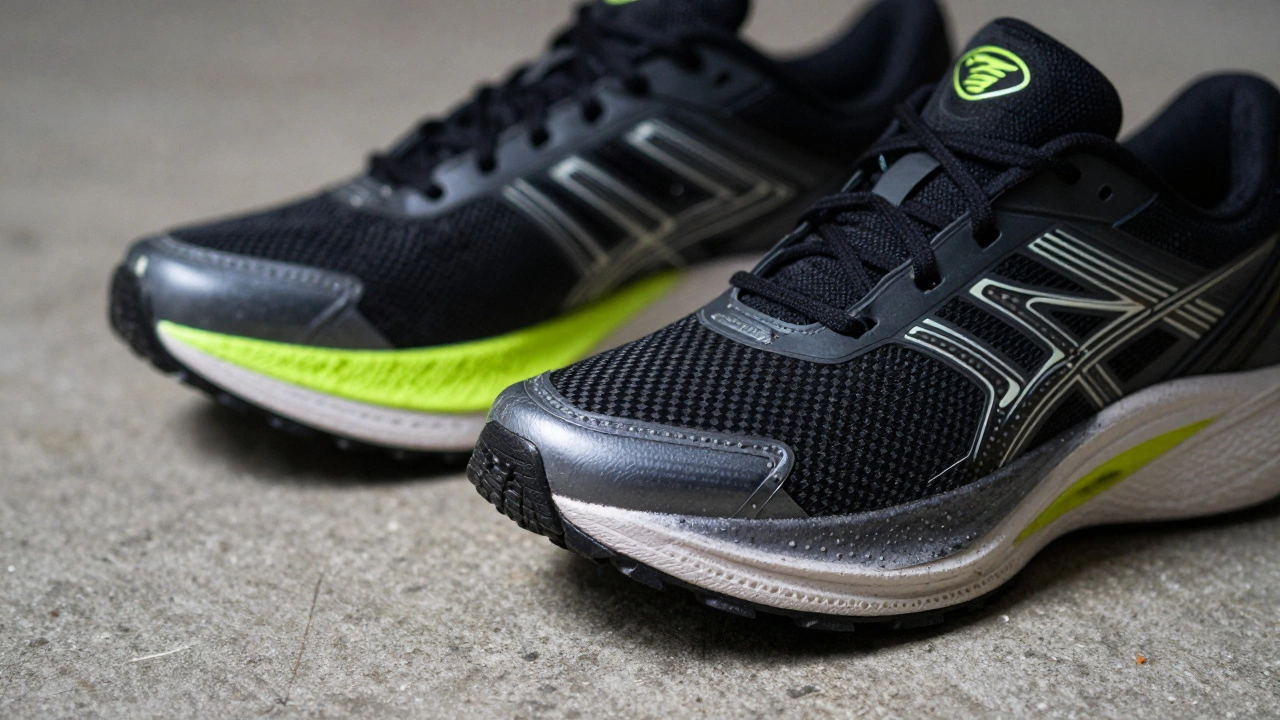
Fit varies wildly between individuals. Shoe width, arch support, and heel lock are critical for runners. A shoe that fits one person perfectly might cause black toenails in another due to insufficient toe box space. Many brands now offer multiple widths or customizable lacing systems to address this. Rackets and bats have grip sizes measured in inches or millimeters. Holding a grip that is too large forces you to tighten your hand muscles unnecessarily, leading to fatigue and potential tendonitis. Too small, and the racket twists in your hand on off-center hits.
Adjustability is a key ergonomic feature. Helmets with dial-fit systems allow you to tighten the circumference for a snug fit. Backpacks for hiking should have hip belts that transfer weight to your legs, not your shoulders. When trying on gear, move around. Don't just stand still. Swing the bat, squat with the weights, or run in place in the shoes. Your body will tell you if the ergonomics are working against you.
Performance Enhancement Features
Beyond basic functionality, modern sports equipment is engineered to enhance performance. This could mean reducing drag, increasing power transfer, or improving precision. In swimming, suits are made from hydrophobic fabrics that repel water, reducing friction and allowing swimmers to move faster through the pool. In cycling, aerodynamic frames and deep-section wheels cut through the air more efficiently, saving energy over long distances.
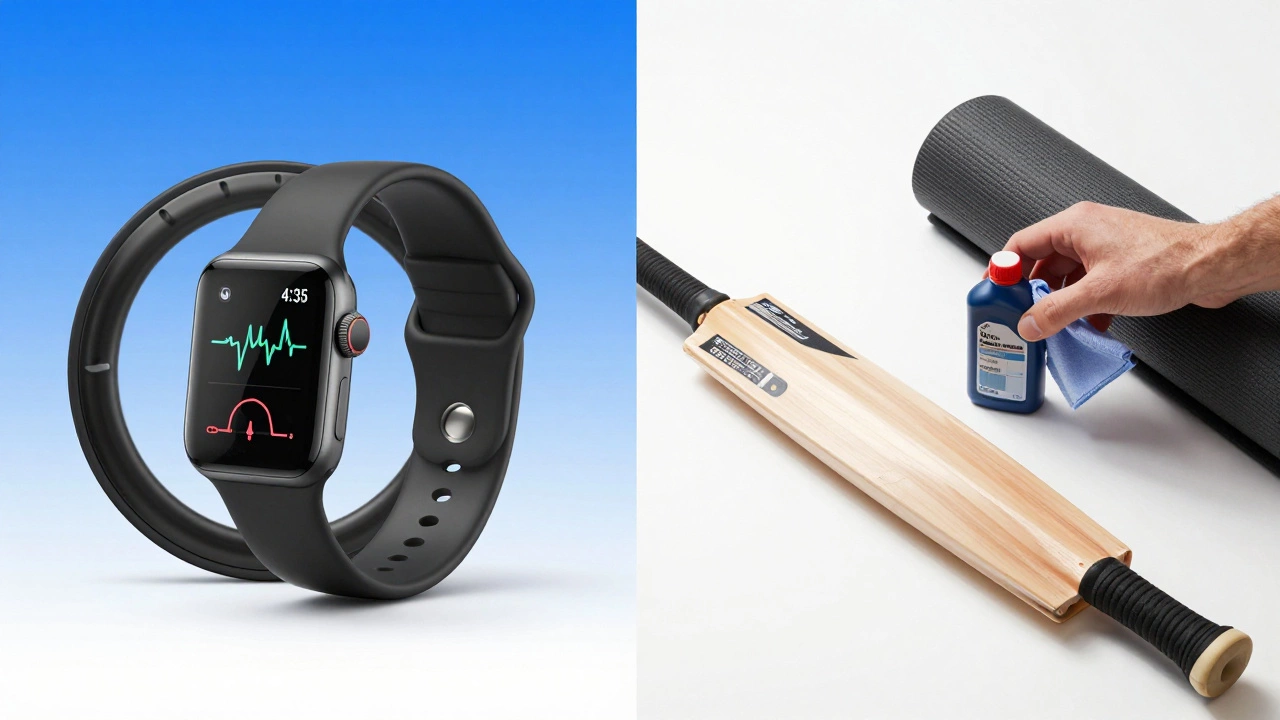
Technology integration is becoming a major characteristic. Smart watches track heart rate, pace, and sleep patterns, providing data that helps athletes optimize their training loads. Golf clubs now come with sensors that analyze swing speed, launch angle, and spin rate. This feedback loop allows players to make real-time adjustments. While this doesn't directly change the physical act of hitting the ball, it enhances the overall performance outcome by informing technique.
Material science drives many of these enhancements. Graphene-infused strings in tennis rackets offer greater tension maintenance, meaning the racket stays powerful longer. Foam density in running shoes affects energy return; softer foams absorb impact, while firmer ones provide a quicker push-off. Choosing the right performance feature depends on your goals. A beginner might prioritize forgiveness and ease of use, while an advanced player might seek maximum responsiveness and control.
Maintenance and Care Requirements
Every piece of sports equipment requires some level of care. Ignoring maintenance reduces durability and compromises safety. Leather cricket bats need oiling to prevent cracking. Yoga mats require regular cleaning to remove sweat and bacteria, which can degrade the material and cause skin issues. Bicycles need chain lubrication and brake adjustments to function safely.
Understanding the maintenance burden before you buy is crucial. High-performance gear often demands more attention. A carbon fiber bike frame is lightweight and stiff, but it requires careful handling to avoid scratches that could weaken the structure. Synthetic leather soccer balls are easier to clean and dry faster than genuine leather ones, making them more practical for all-weather play. Consider how much time you are willing to spend on upkeep. If you want plug-and-play simplicity, look for low-maintenance materials like synthetic fabrics and sealed bearings.
Storage conditions also matter. Storing a guitar in a humid room can warp the wood. Leaving a foam roller in direct sunlight can cause it to crumble. Proper storage extends the life of your equipment significantly. Always follow the manufacturer's care instructions. They know the specific vulnerabilities of their materials.
Price vs. Value Analysis
Price is a characteristic, but it is not a measure of quality. Expensive gear isn't always better, and cheap gear isn't always worse. Value is determined by how well the equipment meets your specific needs relative to its cost. A $200 pair of running shoes might last twice as long as a $100 pair, offering better value over time. However, if you only run once a month, the cheaper pair might suffice.
Consider the total cost of ownership. This includes the initial purchase price, plus any required accessories, maintenance costs, and replacement frequency. A high-end mountain bike might cost $3,000, but if it holds its resale value well and lasts ten years, it could be cheaper per year than a $800 bike that breaks down after two seasons. Look for reviews from users who have owned the product for a year or more. Short-term reviews often miss long-term durability issues.
Also, be wary of "pro" labeling. Just because a brand sponsors a professional athlete doesn't mean their consumer line is equally built. Pros often use custom prototypes that are never sold to the public. Stick to independently tested reviews and user experiences to gauge true value.
| Characteristic | What to Look For | Red Flags |
|---|---|---|
| Durability | High-grade materials, warranties | Thin plastics, vague guarantees |
| Safety | CE/ASTM certifications, impact ratings | No safety labels, recalled models |
| Ergonomics | Adjustable fits, breathable designs | Rigid structures, poor sizing options |
| Performance | Specialized tech (aero, carbon) | Generic specs, no innovation |
| Maintenance | Clear care instructions, easy cleaning | Complex upkeep, fragile parts |
Choosing the Right Gear for Your Sport
The best way to select sports equipment is to align its characteristics with your activity level and environment. A casual jogger doesn't need the same carbon-plated racing shoes as a marathoner. Over-specifying gear leads to wasted money. Under-specifying leads to frustration and potential injury. Start by identifying your primary use case. Will you be playing indoors or outdoors? How often will you use the equipment? What is your skill level?
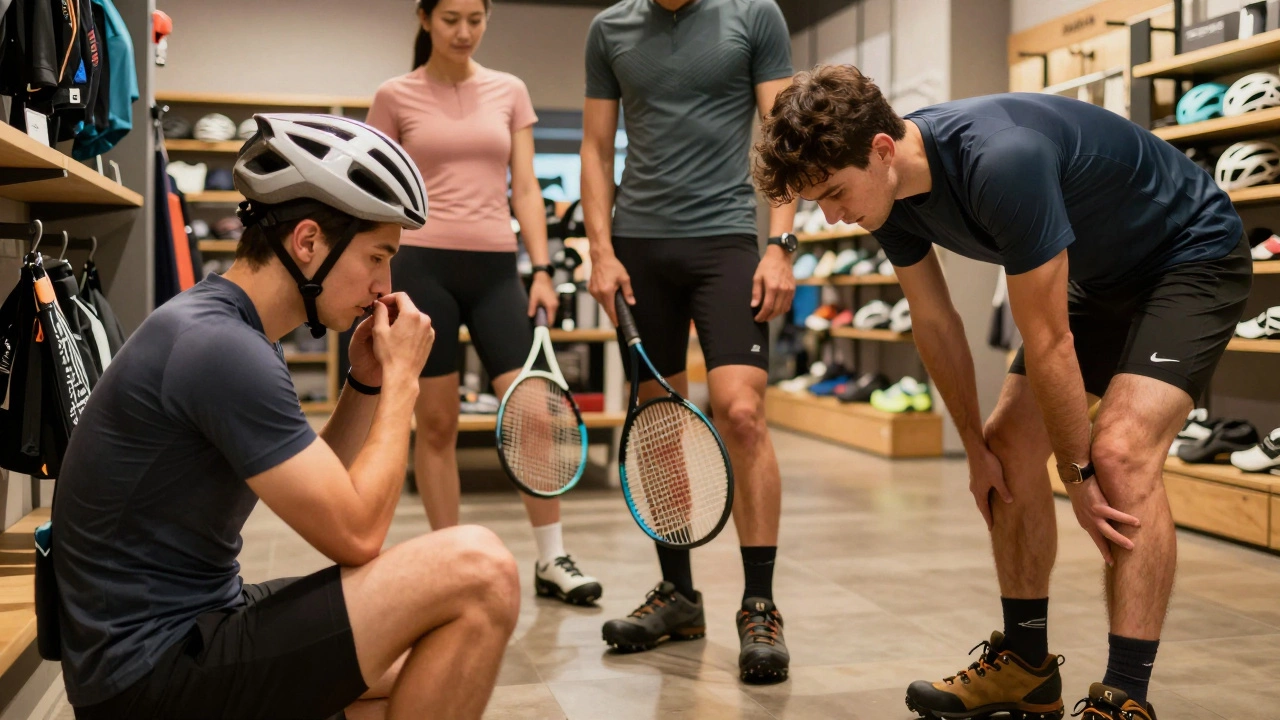
Visit a specialty store if possible. Sales staff can help you understand the nuances of different brands and models. Try things on. Test them out. Don't rely solely on online descriptions. Physical interaction with the gear reveals details that photos cannot. Pay attention to how the equipment feels in your hands, on your feet, or against your body. Comfort is subjective, so trust your own senses.
Finally, read recent reviews. Technology evolves, and older reviews might not reflect current production quality. Look for patterns in feedback. If multiple users mention the same issue, such as a zipper breaking or a strap snapping, take it seriously. Your experience should be informed by the collective wisdom of other users.
How do I know if sports equipment is durable enough?
Check the materials used, such as carbon fiber or reinforced nylon. Look for warranties of at least one year. Read long-term user reviews to see if common failure points emerge after six months of use.
Are expensive sports equipment always better?
Not necessarily. Higher prices often reflect advanced technology and brand prestige. For beginners, mid-range gear often provides the best balance of performance and cost. Evaluate based on your specific needs rather than price alone.
What safety certifications should I look for?
Look for CE (European Conformity), ASTM (American Society for Testing and Materials), or CPSC (Consumer Product Safety Commission) marks. These indicate the product has passed independent safety tests relevant to its category.
How important is fit in sports equipment?
Fit is critical. Poor fit can lead to injuries like blisters, strains, or joint pain. It also reduces performance efficiency. Always try on gear and test it in motion before purchasing, especially for shoes, gloves, and helmets.
Can I improve the performance of my existing equipment?
Yes, through proper maintenance and upgrades. Replacing worn-out parts like grips, strings, or batteries can restore performance. Cleaning and storing equipment correctly also extends its useful life and maintains its original specifications.