Boxing Matches July 6, 2026
Is a Boxing Match a Fight? The Rules, Risks, and Reality of the Sweet Science
Boxing Match vs. Street Fight Analyzer
Scenario Checklist
Select the features present in your scenario to determine if it is a regulated athletic contest or an unregulated conflict.
Walk into any gym in Bristol or watch a pay-per-view event from London, and you’ll hear people call it a "fight." But is a boxing match is a regulated athletic contest governed by strict rules, referees, and safety protocols actually a fight? On the surface, yes. Two people are hitting each other with gloves. But dig deeper, and you realize that calling it just a "fight" misses the point entirely. It’s a sport. A highly technical, dangerous, and beautifully structured competition.
The confusion comes from the word itself. "Fight" implies chaos, lack of rules, and mutual intent to harm without restraint. A boxing match is the opposite. It’s a controlled environment where athletes test their skill, endurance, and heart under a microscope of regulations. If you’re wondering why we don’t just call it what it looks like, the answer lies in the structure, the safety measures, and the sheer athleticism required to survive twelve rounds.
The Anatomy of a Regulated Contest
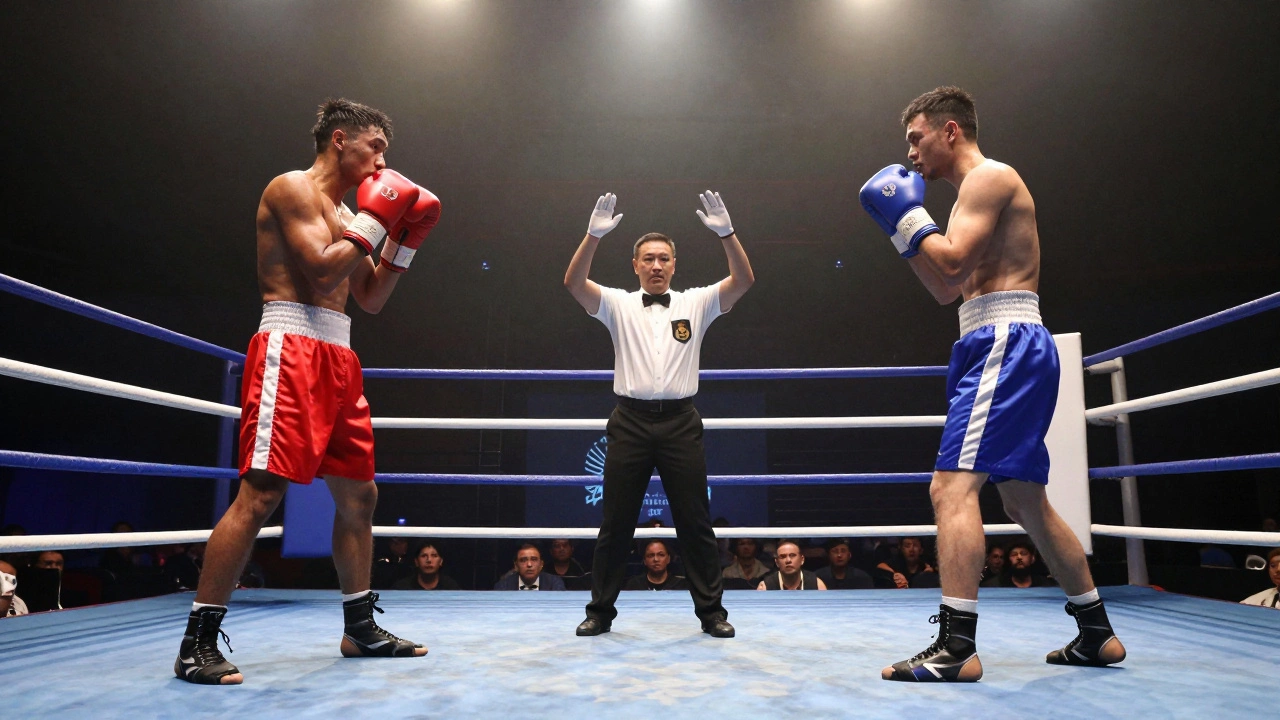
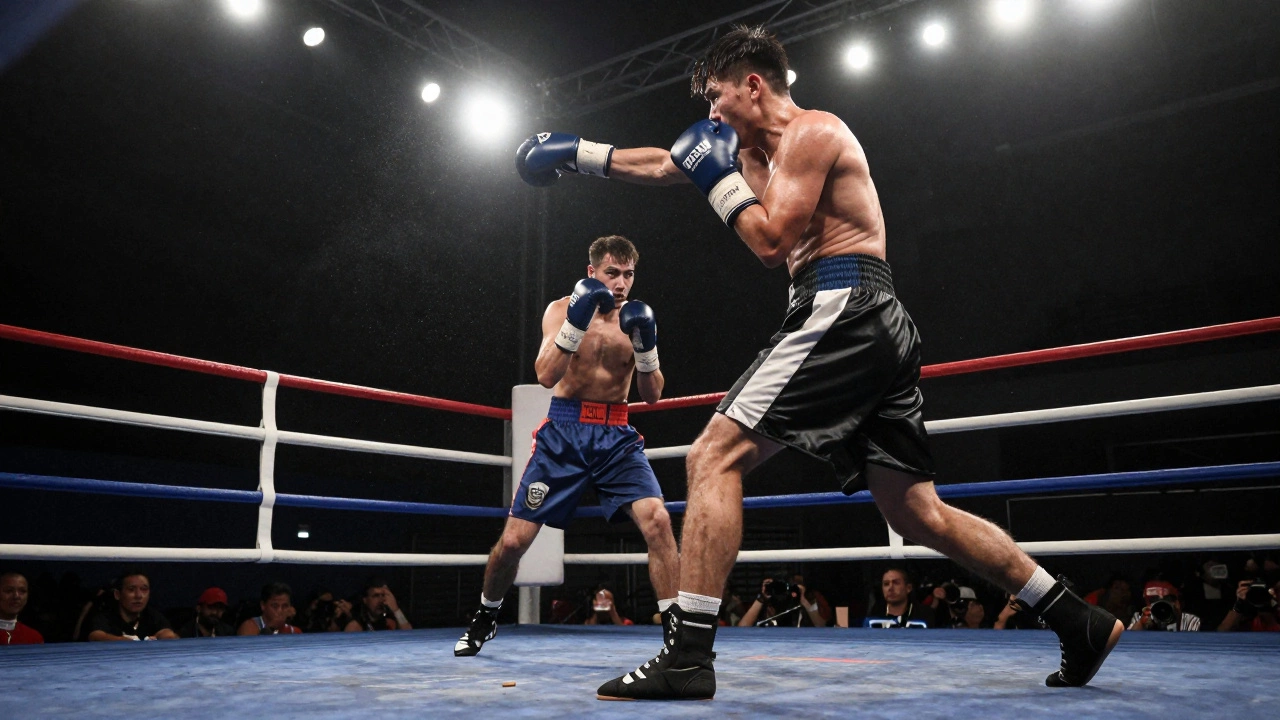
Let’s break down what happens inside the ropes. In a professional boxing match, everything is scripted in terms of procedure, even if the outcome isn’t. You have two fighters, each wearing boxing gloves are padded protective gear designed to reduce impact force on the hands and head. These aren’t bare knuckles. They’re typically 8 to 10 ounces for professionals, adding significant padding that changes how punches land. This padding protects the puncher’s hands from breaking but also spreads the force over a larger area of the opponent’s face, which ironically can increase rotational force on the brain-a key factor in concussions.
Then there’s the referee. This person isn’t just watching; they are an active participant in safety. Their job is to stop the contest if one fighter is taking too much damage. This concept, known as a TKO (Technical Knockout), is unique to regulated sports. In a street fight, nobody stops until someone can’t get up or runs away. In a boxing match, the referee steps in to protect the athlete. This distinction is crucial. It transforms violence into sport.
- Rounds: Professional bouts last three minutes each, with one-minute rest periods. Amateur matches often use two-minute rounds.
- Weight Classes: Fighters are separated by weight to ensure fairness, ranging from minimumweight (105 lbs) to heavyweight (no upper limit).
- Scoring: Judges score each round based on effective aggression, ring generalship, defense, and clean punching.
This structure creates a predictable framework. Athletes train specifically for these intervals. They pace themselves. They strategize. It’s chess at 120 miles per hour, not a brawl.
Safety Protocols: Why It’s Not a Death Match
You might think boxing is reckless, but the industry has spent decades trying to make it safer. Since the tragic death of boxer Ray Mancini’s opponent Duk Koo Kim in 1982, regulations have tightened significantly. Today, every licensed boxing match requires medical checks before and after the bout.
Fighters must pass neurological exams. They wear mouthguards to protect their teeth and reduce jaw impact. They use headgear in amateur competitions (though not usually in pro bouts). Promoters are legally liable if they allow a fighter to compete when they’re unfit. This legal and medical oversight is absent in unregulated fights.
| Feature | Boxing Match | Unregulated Fight |
|---|---|---|
| Rules | Strict (Marquess of Queensberry) | None or informal |
| Protection | Gloves, mouthguards, referee | Usually none |
| Medical Oversight | Mandatory pre/post-fight exams | None |
| Objective | Win by points or knockout within rules | Harm or dominate opponent |
| Duration | Fixed rounds (3 mins) | Until stopped by external force |
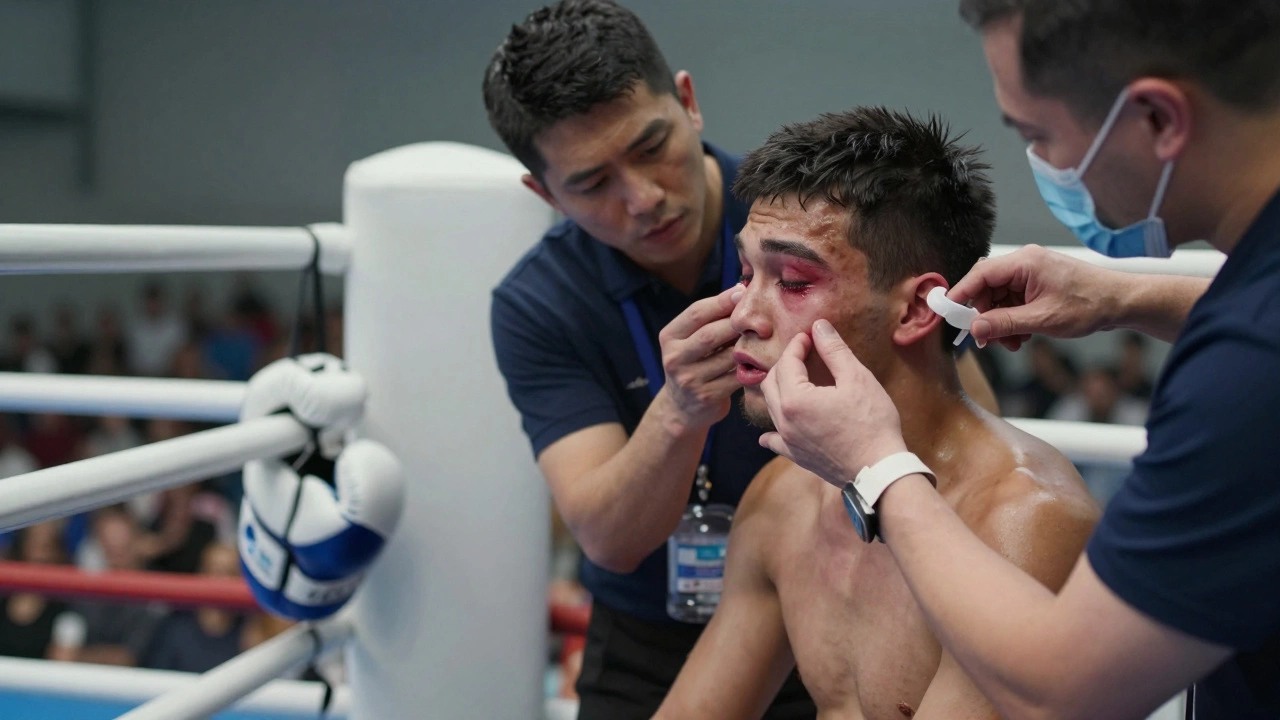
The presence of a corner team-trainers, cutmen, and assistants-adds another layer of care. Between rounds, these professionals work to stop bleeding, hydrate the fighter, and advise on tactics. If a cut is too deep, the referee will stop the fight. In a real fight, you keep going until you bleed out or pass out. That’s the difference between sport and survival.
The Skill Gap: Technique Over Brute Force
If you’ve never thrown a punch in your life, a boxing match might look like random slugging. But look closer. Every movement is calculated. Footwork, distance management, timing, and counter-punching are all part of the equation. A skilled boxer can win without landing a single heavy blow by controlling the center of the ring and accumulating points through clean, accurate jabs.
Consider the concept of "ring IQ." This is the ability to read an opponent’s movements and react instantly. It’s not about who hits harder; it’s about who hits smarter. Muhammad Ali didn’t just swing wildly; he danced. He used his height and reach to frustrate opponents, making them miss while he landed precise counters. This level of strategy is absent in most unregulated fights, where adrenaline overrides technique.
Training for a boxing match involves months, sometimes years, of conditioning. Boxers run miles to build stamina. They hit bags to develop power. They spar to refine reflexes. This dedication turns a violent act into a display of human potential. When you watch a world champion defend their title, you’re witnessing the pinnacle of athletic achievement, not just a scuffle.
Why the Word "Fight" Persists
So why do we still call it a fight? Language evolves slowly, and "fight" carries emotional weight. It suggests danger, excitement, and raw emotion. Marketing departments love it because it sells tickets. Fans use it because it feels visceral. But technically, it’s inaccurate.
In martial arts circles, you’ll hear terms like "bout," "contest," or "match." These words emphasize the competitive nature rather than the violent aspect. Boxing promoters often use "fight night" in titles, but insiders know it’s a performance. The athletes respect each other. They hug after the bell. They acknowledge the shared risk. This camaraderie is rare in actual conflicts.
Moreover, the legal definition matters. In the UK, boxing is recognized as a sport under the Sports Governance Act. Participants consent to the risk of injury within the rules. Assault laws do not apply to consensual sporting contests. If you punch someone outside the ring without consent, it’s a crime. Inside the ring, it’s entertainment. This legal distinction reinforces the idea that a boxing match is not a fight in the criminal sense.
The Mental Aspect: Courage Under Pressure
What makes a boxing match truly remarkable is the mental fortitude required. Standing in front of someone who wants to knock you unconscious takes immense courage. Most people would flee. Boxers step forward. They face fear directly. This psychological battle is as important as the physical one.
Many boxers speak about the "zone"-a state of flow where time slows down and reactions become automatic. It’s a meditative state achieved through repetition and focus. Achieving this state requires discipline that extends beyond the gym. Diet, sleep, and mental preparation are all critical. A boxer who arrives tired or distracted is vulnerable. This holistic approach to performance separates athletes from brawlers.
Additionally, the pressure of public scrutiny adds another layer. Millions of eyes are on you. One mistake can end your career. This stakes raise the intensity, making every round a test of character. It’s not just about winning; it’s about proving you belong among the elite.
Conclusion: Respect the Sport
Calling a boxing match a "fight" is like calling a Formula 1 race a "car crash waiting to happen." It captures the danger but ignores the skill, structure, and spirit. Boxing is a noble pursuit that demands respect. It teaches discipline, resilience, and humility. Whether you’re a fan, a fighter, or a casual observer, understanding the difference between a sport and a brawl enriches your appreciation.
Next time you watch a match, look past the gloves and the blood. See the footwork. Hear the instructions from the corner. Notice the referee’s vigilance. Appreciate the artistry. Because what you’re seeing isn’t just violence-it’s mastery.
Is boxing considered a violent sport?
Yes, boxing involves controlled violence, but it is regulated to minimize unnecessary harm. Unlike unregulated fights, boxing has rules, referees, and medical oversight to protect participants. The goal is competition, not injury.
Why do boxers wear gloves if they want to hurt each other?
Gloves protect the boxers' hands from fractures and reduce facial cuts. While they may increase rotational force on the brain, they prevent severe hand injuries and allow fighters to punch repeatedly without disabling themselves.
Can a boxing match be stopped early?
Yes, a referee can stop a match via TKO if a fighter cannot defend themselves, or if a doctor determines a fighter is unfit to continue due to injury. Corners can also throw in the towel to end the fight.
What is the difference between amateur and professional boxing?
Amateur boxing focuses on scoring points with shorter rounds and mandatory headgear. Professional boxing aims for knockouts, has longer rounds, no headgear, and higher financial stakes. Both follow similar core rules but differ in objective and equipment.
Is it safe to start boxing as an adult?
Yes, many adults start boxing for fitness. With proper coaching, protective gear, and gradual progression, the risks are manageable. Always consult a doctor before beginning any new intense physical activity.