Boxing Matches June 4, 2026
What Is a Friendly Boxing Match Called? (Sparring, Exhibitions & More)
Boxing Match Type Identifier
Match Settings
Select your settings and click Identify to see what type of match you are looking for.
You step into the ring. The bell rings. But instead of trying to knock your opponent out, you’re both smiling, nodding, and moving with purpose but without malice. If you’ve ever watched this happen or wondered what happens when boxers fight without the pressure of a title on the line, you might be asking: what is a friendly boxing match called?
The answer isn’t just one word. It depends entirely on *why* they are fighting. Are they practicing for a real fight? Are they putting on a show for fans? Or are they just testing each other’s skills in a relaxed setting? In the world of boxing, these non-competitive bouts have specific names, rules, and purposes. Getting the terminology right helps you understand not just the sport, but the culture behind it.
Sparring: The Training Ground Reality
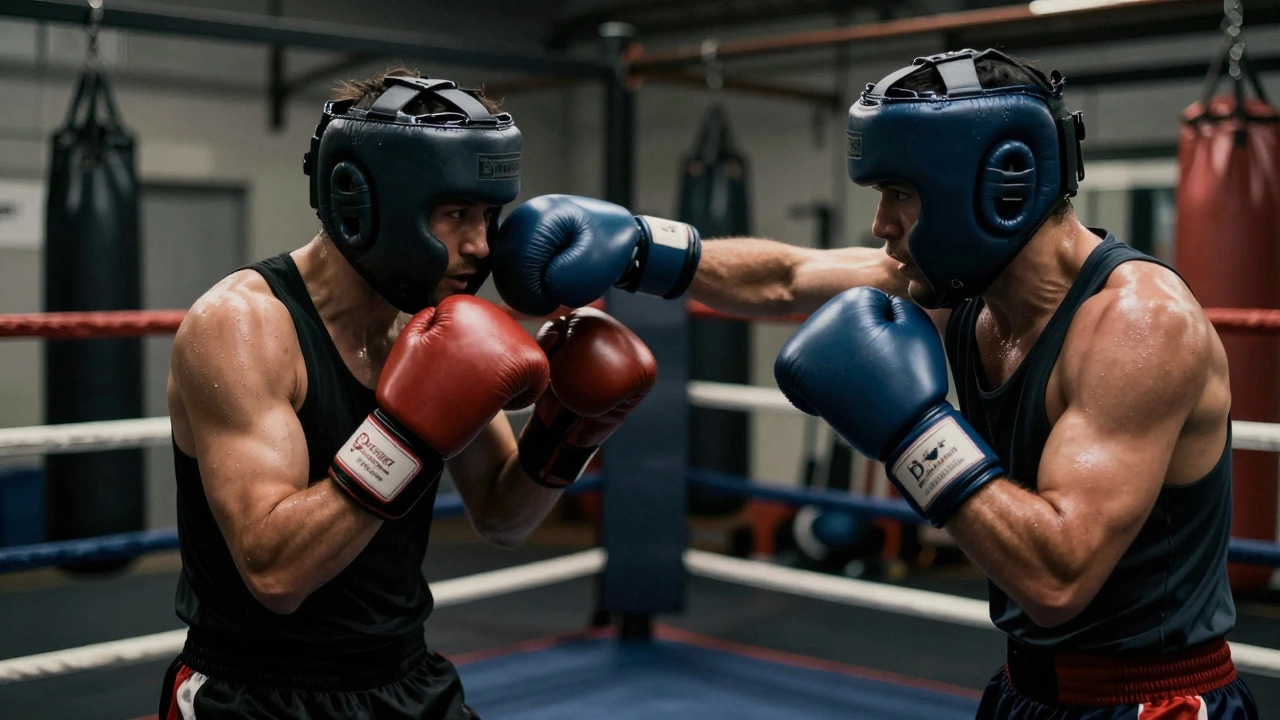
If you walk into almost any boxing gym in Bristol, London, or New York, you will see pairs of fighters in the ring wearing headgear and large, padded gloves. They are throwing punches, slipping jabs, and moving around. This is sparring, which is the primary form of controlled practice fighting used by boxers to prepare for actual competition.
Sparring is technically a "friendly" match in the sense that the goal isn't to hurt your partner permanently, but it is definitely not a game. It is work. When two boxers spar, they are simulating the conditions of a real bout. One person might play the role of an aggressive boxer while the other practices defense. They agree on the intensity beforehand-this is often referred to as "light sparring," "technical sparring," or "hard sparring."
- Technical Sparring: Focuses on form and technique. Punches are pulled significantly. Speed is slow.
- Light Sparring: Boxers move at normal speed but keep power low. It’s about timing and distance.
- Hard Sparring: Close to full contact, usually done only by experienced pros shortly before a major fight. Even here, there is an unspoken rule: do not try to KO your training partner unless absolutely necessary.
The key difference between sparring and a real match is the mindset. In sparring, if someone gets tired or wants to stop, they can simply say so. There is no referee counting you out, and no crowd cheering for blood. It is a collaborative effort to get better.
Exhibition Fights: The Spectacle Without Stakes
If sparring is private practice, an boxing exhibition is a public demonstration of boxing skills performed for entertainment rather than competitive ranking. These are often what people mean when they ask about friendly matches involving famous athletes.
Think of the recent trend where celebrities or retired champions step into the ring for charity events or promotional tours. For example, when Floyd Mayweather Jr. fought Conor McGregor in Las Vegas, it was billed as an exhibition. Why? Because the result didn’t matter for their professional records. There were no judges scoring rounds for a win or loss. The rules were modified-shorter rounds, fewer total rounds, and sometimes different protective gear.
Exhibitions serve a different purpose than sparring. While sparring is about improvement, exhibitions are about engagement. They allow fans to see high-level skill in a low-risk environment. However, they come with criticism. Purists argue that exhibitions dilute the integrity of the sport because the competitors know they cannot lose in any official capacity. Despite this, they remain popular because they draw massive audiences and generate significant revenue for promoters and charities.
Amateur Bouts: Competition With Safety First
Another context for a "friendly" feeling match is amateur boxing, which is regulated competitive boxing governed by organizations like AIBA, focusing on points and safety over knockout power. Amateur boxing, including Olympic boxing, feels friendlier than professional bouts because of strict safety protocols.
In amateur boxing, fighters wear headguards and thicker gloves. The bouts are shorter-typically three two-minute rounds instead of twelve three-minute rounds. The moment a fighter takes a heavy hit, the referee stops the action immediately to check on them. The scoring system rewards clean hits and defensive movement rather than damage inflicted. You rarely see amateurs trying to finish each other; they are trying to score points.
This structure makes amateur boxing feel less brutal to the casual observer. It emphasizes athleticism and technique over violence. Many professional boxers start their careers in this arena, learning the fundamentals in an environment designed to protect young athletes from long-term brain injury.

Scrims and Open Gym Sessions
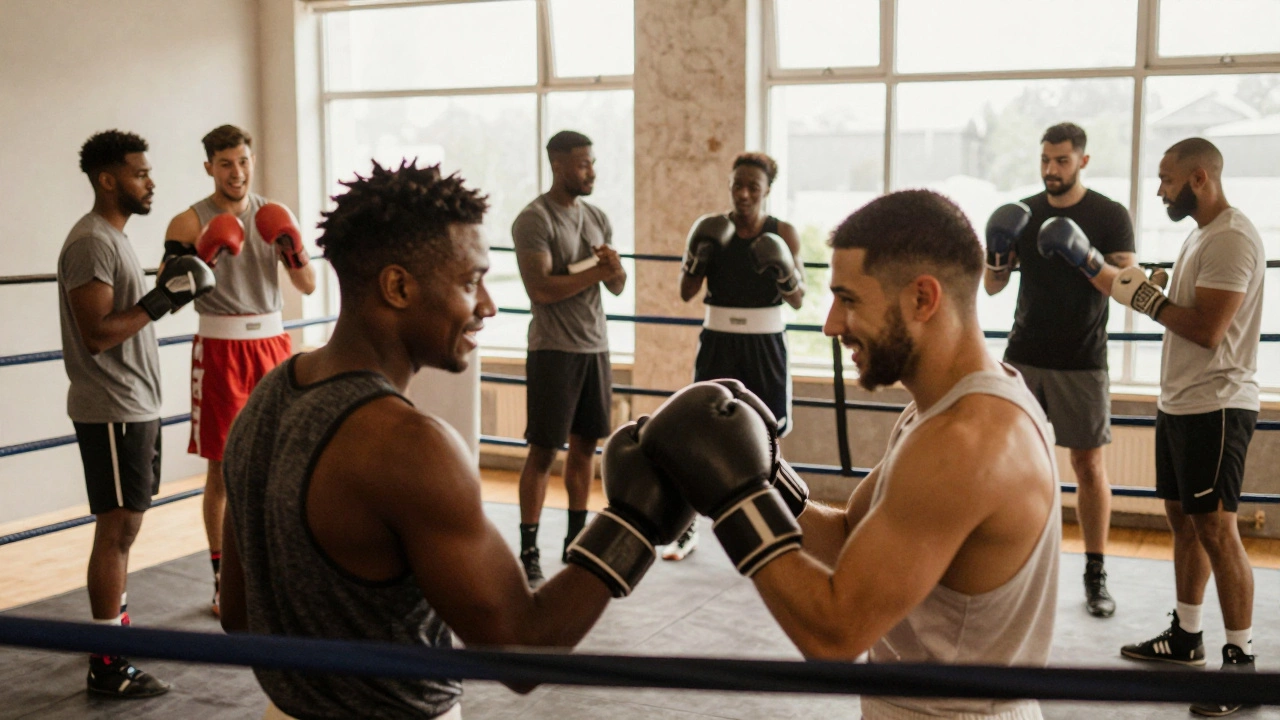
Outside of formal training camps and paid exhibitions, there are informal gatherings known as scrims, which are informal competitive matches often held during open gym hours or team practices to test skills against unfamiliar opponents. A scrim is less structured than sparring. It might happen at the end of a class when everyone is tired, or during a weekend workshop where boxers from different gyms meet up.
In a scrim, the atmosphere is social. People chat between rounds. Coaches might rotate partners every minute. The goal is exposure: seeing how you handle different styles, paces, and body types. It’s the closest thing to a true "friendly match" in terms of vibe. There is no pressure to perform perfectly, and mistakes are laughed off rather than criticized harshly.
| Format | Primary Goal | Audience | Safety Gear | Official Record? |
|---|---|---|---|---|
| Sparring | Training & Preparation | Private (Gym only) | Headgear, 16oz Gloves | No |
| Exhibition | Entertainment & Promotion | Public / TV | Varies (Often 8-10oz) | No |
| Amateur Bout | Competition & Ranking | Public / Judges | Headgear, 10oz Gloves | Yes |
| Scrim | Social Skill Testing | Private (Gym members) | Standard Gym Gear | No |
Why Terminology Matters in Boxing Culture
Understanding the difference between these terms matters because it sets expectations. If you tell someone you are going to "spar," they expect you to sweat, get hit, and leave sore. If you say you are watching an "exhibition," they expect a show, not a war. Misusing these terms can lead to misunderstandings, especially for beginners entering the sport.
For instance, a new boxer might join a gym and ask to "fight" someone. An experienced coach will correct them: "We don't fight here; we spar." That distinction is crucial. Fighting implies intent to harm. Sparring implies intent to learn. The language shapes the behavior. By using the correct terms, participants maintain the respect and safety required in a combat sport.
Safety Protocols Across All Friendly Matches
Regardless of whether it’s called sparring, a scrim, or an exhibition, safety is the common thread. In all friendly contexts, certain rules are non-negotiable:
- Mouthguards are mandatory. Protecting teeth prevents jaw fractures and reduces concussion risk.
- Gloves must be appropriate. Heavy bag gloves are too thin for hitting another human. Sparring gloves are typically 14oz to 16oz to cushion the impact.
- Communication is key. Partners must agree on intensity. If one person wants to go hard and the other wants to stay light, it’s dangerous. Always check in before stepping into the ring.
- Respect the tap-out. In many friendly settings, if a participant raises a hand or taps their partner, the round ends immediately. No arguments.
These protocols ensure that the "friendly" aspect remains intact. Without them, even a well-intentioned sparring session can turn into a liability nightmare.
Finding the Right Environment for You
If you are looking to participate in a friendly boxing match, start by identifying your goal. Do you want to improve your skills? Look for a reputable gym with structured sparring sessions supervised by coaches. Do you want to watch top-tier talent without the brutality of a pro fight? Seek out local amateur tournaments or celebrity exhibitions. Do you just want to have fun and meet people? Join an open gym night or a beginner’s class that includes light scrims.
Boxing is more than just punching. It’s a community built on mutual respect and shared discipline. Whether you call it sparring, an exhibition, or a scrimmage, the core value remains the same: pushing yourself while protecting your partner. Knowing the right name for the activity helps you find the right place to belong.
Is sparring considered a real fight?
No, sparring is not a real fight. It is a training exercise where boxers practice techniques and strategies in a controlled environment. The goal is improvement, not victory or inflicting damage. Participants agree on the level of intensity beforehand.
What is the difference between an exhibition and a professional match?
The main difference is that exhibitions do not count toward a boxer's official record. There are no winners or losers declared by judges. Exhibitions often have modified rules, such as shorter rounds, and are primarily for entertainment or promotion rather than competitive ranking.
Can beginners participate in sparring?
Yes, but only under strict supervision. Beginners should start with technical sparring, which focuses on form and slow movements with minimal contact. Never spar with someone significantly more experienced until you have mastered basic defense and footwork.
Are exhibition fights safe for the boxers?
Exhibitions are generally safer than professional matches because the stakes are lower, and fighters may hold back slightly. However, they still carry risks of injury. Reputable organizers enforce safety rules, including medical checks and appropriate protective gear, to minimize danger.
What gear is required for a friendly boxing match?
Essential gear includes a mouthguard, hand wraps, and boxing gloves (usually 14oz-16oz for sparring). Headgear is highly recommended, especially for beginners and in amateur settings. Some gyms also require shin guards or groin protection depending on the style of martial art mixed in.