Fitness September 3, 2026
How Do I Know If My Stamina Is Bad? Signs, Tests, and Fixes
Stamina Health Checker
Answer the questions below honestly to get an instant assessment of your current stamina level. No equipment needed!
1. The Stair Climbing Test
Climb a standard flight of stairs (10-12 steps) at a moderate pace. Do not run.
2. The Wall Sit Challenge
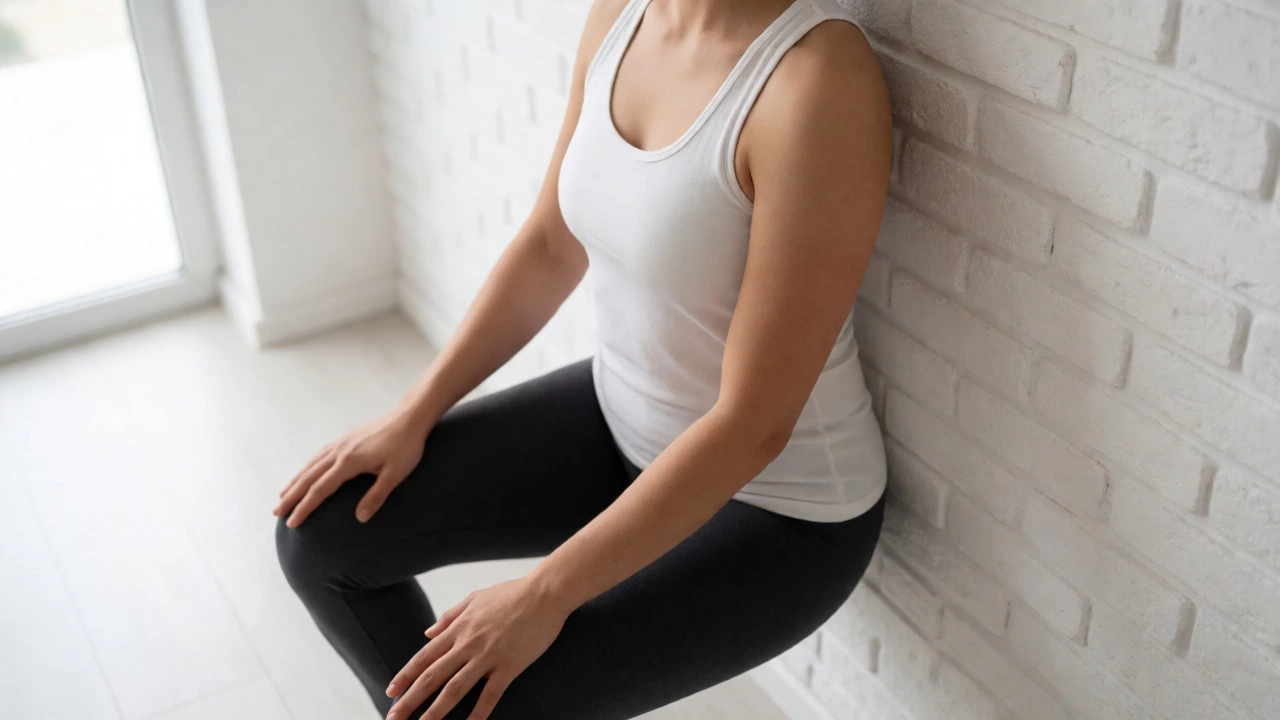
Lean back against a wall, slide down until knees are at 90 degrees. Hold as long as possible.
Target: 60+ seconds for good endurance.
3. The Brisk Walk Talk Test
Walk briskly outdoors. Try to recite the alphabet aloud while walking.
Lifestyle Check
Your Stamina Assessment
Score: 0/10
Analyzing...
Recommendations Based on Your Input:
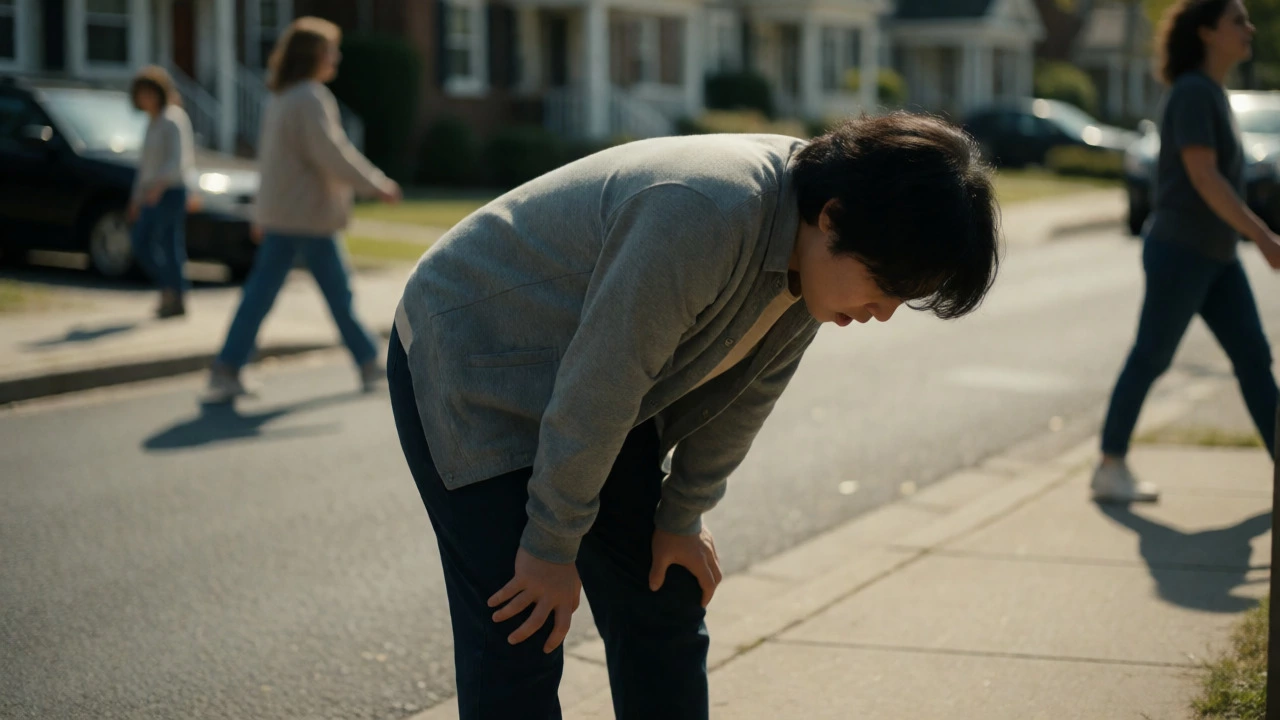
You’re halfway through a flight of stairs, or maybe you’ve just finished chasing the bus, and suddenly your lungs feel like they’re on fire. Your legs turn to jelly, and you have to stop and double over, gasping for air while everyone else walks past as if nothing happened. It’s a humbling feeling, isn’t it? But here is the uncomfortable truth: most people confuse being unfit with having bad stamina. They are related, sure, but they aren’t the same thing. Stamina is your body’s ability to sustain physical or mental effort for extended periods. If you’re wondering whether your engine is running on fumes, you don’t need a PhD in physiology to figure it out. Your body sends loud, clear signals when its endurance capacity drops below a healthy baseline.
The Everyday Stress Test: How You Handle Daily Tasks
Forget about fancy gym equipment for a second. The most accurate indicator of your stamina isn’t how much weight you can bench press; it’s how you handle mundane activities. Think about carrying groceries up two flights of stairs. If you reach the top door without breaking a sweat or needing to pause, your cardiovascular system is doing its job. If you’re leaning against the wall, trying not to pass out, that’s a red flag. Consider the simple act of walking briskly to catch a train or walk the dog. People with good stamina can maintain a moderate pace for 15-20 minutes without their heart rate skyrocketing into the anaerobic zone. If you find yourself stopping after five minutes because your chest feels tight or your breathing becomes ragged, your aerobic capacity is likely compromised. This isn’t necessarily about being "fat" or "thin." A lean person can have terrible stamina if they spend all day sitting at a desk and only sprint occasionally. Conversely, someone with a bit more weight might have solid endurance if they stay active regularly. Another subtle sign is recovery time. After exertion-whether it’s playing with your kids or moving furniture-how long does it take for your breathing to return to normal? For a healthy adult, this should happen within one to two minutes. If it takes five, ten, or longer, your heart and lungs are struggling to deliver oxygen efficiently to your muscles. That lag is a direct measurement of poor stamina.
Physical Symptoms That Scream "Low Endurance"
Your body doesn’t lie. When stamina is lacking, specific physiological symptoms pop up that are hard to ignore. These aren’t just feelings; they are measurable biological responses to stress.
- Excessive Sweating: While sweating is normal, drenching your shirt during light activity (like walking to the mailbox) suggests your body is working overtime to cool down because it’s inefficient at regulating temperature during movement.
- Dizziness or Lightheadedness: This often happens when blood pressure drops too quickly during exercise or fails to rise enough to meet demand. It’s a classic sign that your cardiovascular system isn’t pumping blood effectively to the brain under stress.
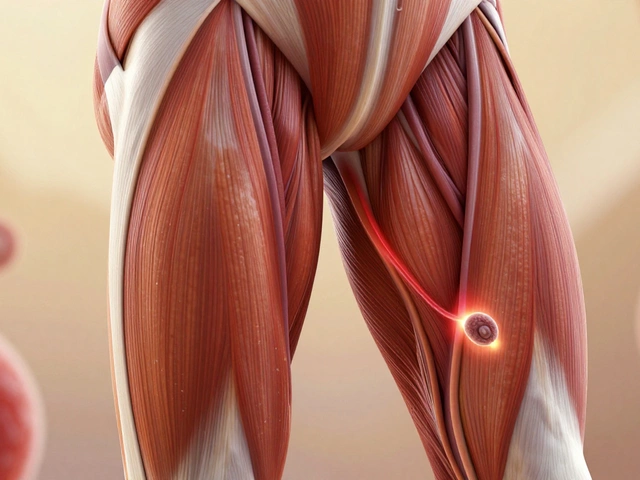
- Muscle Fatigue Before Breathlessness: Typically, cardio limitations show up as breathlessness first. If your legs give out before your lungs do, you might lack muscular endurance, which is a key component of overall stamina. This means your muscles can’t process energy efficiently for sustained periods.
- Chronic Post-Exercise Exhaustion: Feeling tired after a workout is expected. Feeling completely wiped out, unable to function, or nauseous for hours afterward indicates you pushed beyond your current capacity because your baseline was too low.
It’s also worth noting the role of sleep and diet. Poor stamina often correlates with iron deficiency (anemia), especially in women, or inadequate hydration. Dehydration thickens the blood, making the heart work harder to pump it, which artificially lowers your perceived stamina. Before blaming your genetics, check your water intake and iron levels.
Three Simple At-Home Stamina Tests
If you want concrete data rather than vague feelings, try these three tests. They require no equipment and can be done in your living room or garden. Make sure you are healthy enough for exercise; if you have existing heart conditions, consult a doctor first.
The Stair Climbing Test
This is a staple in medical screenings for a reason. Find a standard flight of stairs (about 10-12 steps). Climb them at a moderate, steady pace. Do not run. Stop immediately when you finish the last step. Check your pulse. If your heart rate is above 120 beats per minute (bpm) and stays there, or if you cannot speak a full sentence without pausing for breath, your stamina is likely below average. Healthy individuals usually recover to a resting heart rate within two minutes of stopping.
The Wall Sit Challenge
This tests muscular endurance, specifically in the quadriceps, which is crucial for overall physical resilience. Lean your back against a wall and slide down until your knees are bent at a 90-degree angle, thighs parallel to the floor. Hold this position. Aim for 60 seconds. If you collapse before 30 seconds, your lower body endurance needs work. If you hold it for 60+ seconds with shaking but stable form, you’re in decent shape. Note: This measures local muscle stamina, not full-body cardio, but both are vital.
The Talk Test During Walking
Go for a brisk walk outdoors. Try to recite the alphabet or read a paragraph from a book aloud while walking. If you can do this comfortably, your intensity is sustainable, meaning your stamina supports that level of output. If you have to stop every few words to gasp for air, your aerobic base is weak. This is a practical metric used by coaches everywhere because it directly links oxygen availability to cognitive function during movement.
The Difference Between Cardio Fitness and Stamina
Here is where things get tricky. Many people think "cardio fitness" and "stamina" are synonyms. They overlap, but they aren’t identical. Cardio fitness refers to the efficiency of your heart and lungs (VO2 Max). Stamina is broader-it includes mental toughness, muscular endurance, and metabolic efficiency.
| Feature | Cardio Fitness | Stamina |
|---|---|---|
| Primary Focus | Heart and lung efficiency | Sustained effort over time (physical/mental) |
| Key Metric | VO2 Max (oxygen uptake) | Time to exhaustion / Recovery rate |
| Training Type | Running, cycling, swimming | Long hikes, circuit training, manual labor |
| Sign of Weakness | Shortness of breath at low intensity | Inability to finish tasks; mental fatigue |
You can have high cardio fitness but low stamina if you only do short sprints. You’ll have a great VO2 Max, but you’ll crash after an hour of hiking because your muscles and mind aren’t conditioned for duration. Conversely, you might have moderate cardio fitness but high stamina if you’re used to long, slow activities like gardening or walking. Identifying which part is failing helps you fix it faster.

Common Causes of Declining Stamina
Why does stamina drop? It’s rarely just "getting older," though age plays a role. After 30, we lose about 1% of our maximum heart rate and muscle mass per decade if we don’t train. But lifestyle factors accelerate this decline significantly. Sedentary behavior is the biggest culprit. Sitting for 8+ hours a day shrinks your capillary density-the tiny blood vessels that feed your muscles. Fewer capillaries mean less oxygen delivery. Another major factor is inconsistent training. Doing one intense HIIT session on Saturday and then sitting still all week doesn’t build stamina. Stamina requires consistency. It’s built through regular, moderate exposure to stress, not sporadic shocks. Stress and sleep deprivation also sabotage endurance. High cortisol levels (the stress hormone) keep your body in a state of alert, burning through glycogen stores faster and impairing recovery. If you’re sleeping six hours a night and working a high-pressure job, your stamina will tank regardless of how much you exercise. Your body simply doesn’t have the resources to repair and adapt.
How to Fix Low Stamina (Without Dying in the Gym)
Good news: Stamina is highly trainable. You don’t need to become a marathon runner. You just need to increase your "aerobic base." Here is a realistic plan for beginners.
- Start with Zone 2 Training: This is low-intensity exercise where you can hold a conversation but would rather not. Walk, cycle, or swim at this pace for 30-45 minutes, 3 times a week. This builds the mitochondrial density in your cells, allowing them to produce energy more efficiently. It feels easy, almost too easy. Trust the process.
- Add Progressive Overload: Every week, increase your duration by 5-10%. If you walked 30 minutes this week, walk 33 minutes next week. Don’t increase speed yet. Increase time. Stamina is about duration.
- Incorporate Strength Endurance: Once a week, do a circuit of bodyweight exercises (squats, push-ups, planks) with minimal rest between sets. Keep your heart rate moderately elevated. This teaches your muscles to resist fatigue.
- Prioritize Sleep Hygiene: Aim for 7-9 hours. Non-negotiable. This is when your body repairs the micro-tears in muscle and resets hormonal balance.
Avoid the trap of going too hard too fast. Most people quit because they make their workouts miserable. If you’re gasping for air, you’re building power, not necessarily stamina. Slow down. Consistency beats intensity every single time when it comes to endurance.
Can anxiety affect my stamina?
Yes, absolutely. Anxiety triggers the fight-or-flight response, raising your resting heart rate and causing shallow breathing. This makes physical exertion feel much harder than it actually is. If you suspect anxiety is a factor, practice box breathing (inhale 4s, hold 4s, exhale 4s, hold 4s) before exercising to calm your nervous system.
How long does it take to improve stamina?
You may notice small improvements in energy levels within two weeks of consistent low-intensity exercise. Significant gains in VO2 Max and endurance typically take 8-12 weeks of regular training. Patience is key; rapid changes often lead to injury or burnout.
Is low stamina always a sign of illness?
Not always. Deconditioning from a sedentary lifestyle is the most common cause. However, sudden drops in stamina can indicate anemia, thyroid issues, asthma, or heart conditions. If your stamina declines rapidly despite regular exercise, see a GP for blood work and a cardiac check.
Does caffeine help with stamina?
Caffeine can reduce perceived exertion, making exercise feel easier, which may help you go longer. However, it doesn’t physiologically increase your aerobic capacity. Relying on it too heavily can disrupt sleep, which ultimately hurts stamina recovery.
What is a good resting heart rate for stamina?
A lower resting heart rate generally indicates better cardiovascular fitness. For adults, 60-100 bpm is considered normal. Athletes often have rates below 60 bpm. If your resting heart rate is consistently above 80 bpm, it may signal poor conditioning or high stress levels.