Sports Equipment April 20, 2026
Understanding Sports Specific Equipment: Gear That Actually Matters
Sports Gear Matcher
Answer these three questions to see if you should stick with general gear or upgrade to specialized equipment.
Casual Enjoyment
Fitness, hobbies, or light recreation
Fitness, hobbies, or light recreation
Competitive Performance
Winning, breaking records, or league play
Winning, breaking records, or league play
No major issues
Comfortable and safe with current gear
Comfortable and safe with current gear
Performance Gaps
Slipping, instability, or safety concerns
Slipping, instability, or safety concerns
Beginner / Intermediate
Still learning core mechanics and movements
Still learning core mechanics and movements
Advanced / Pro
High technical proficiency and strength
High technical proficiency and strength
Your Recommendation
The Basics of Specialized Gear
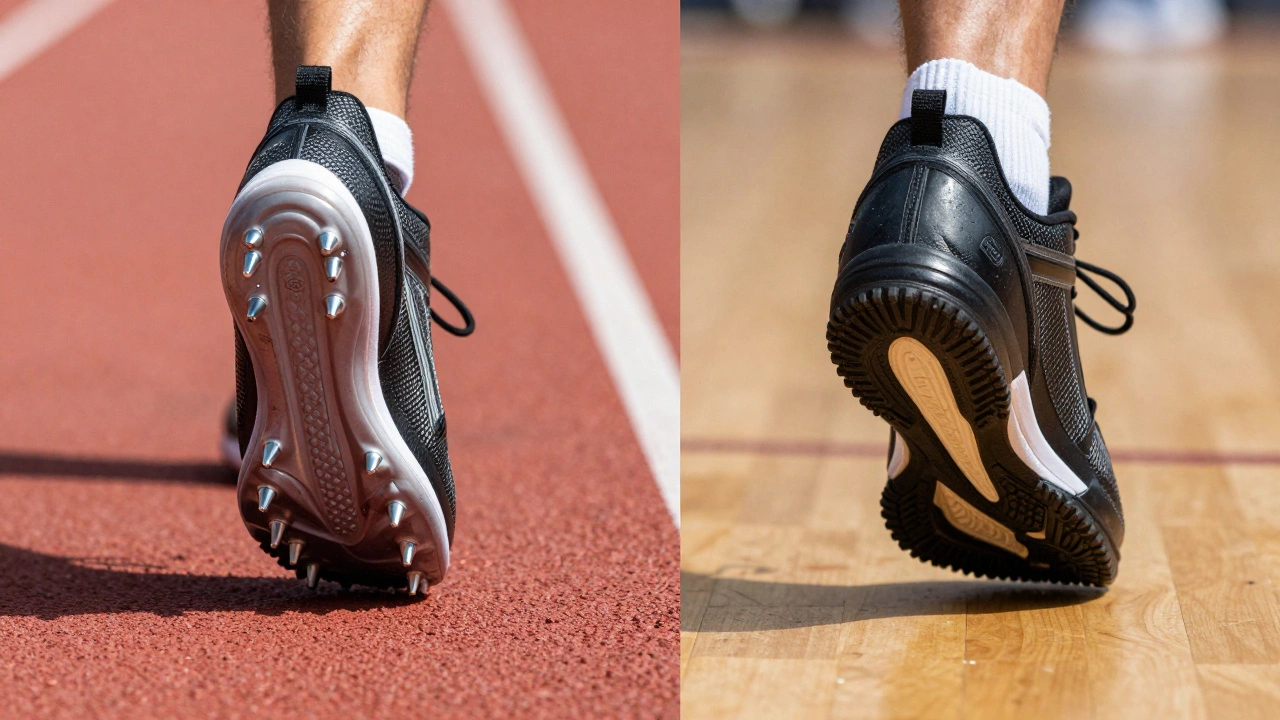
When we talk about sports specific equipment is the specialized tools, apparel, and hardware designed to meet the unique physical and technical demands of a particular sport. It's not just about having a ball or a racket. It's about the physics of the game. For example, a shoe isn't just a shoe. A sprinting spike has a rigid sole to push the athlete forward, while a basketball shoe focuses on lateral support to prevent ankle sprains during quick cuts.
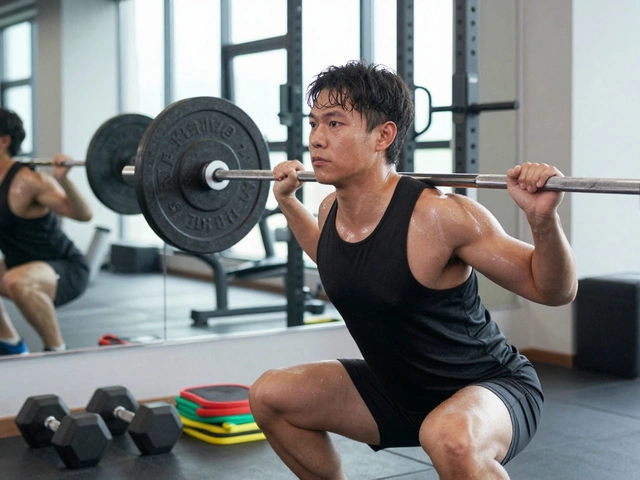
Why can't we just use "general sports gear"? Because every sport creates different stresses on the body. In Weightlifting, you need a shoe with a hard, non-compressible heel to keep your balance during a heavy squat. If you used a cushioned running shoe, the foam would compress, making you unstable and potentially leading to a back injury. Specialized gear removes these barriers and lets you focus on the skill, not the struggle.
Quick Guide: General vs. Specific Gear
| Feature | General Gear (e.g., Gym Sneakers) | Specific Gear (e.g., Cleats) |
|---|---|---|
| Traction | Flat rubber for indoor floors | Studs for grip on grass/turf |
| Support | All-around moderate support | Targeted support for specific movements |
| Material | Breathable mesh, general durability | Water-resistant leather or carbon fiber |
| Goal | Versatility and comfort | Maximum performance and safety |
Performance and the Physics of Gear
Specialized equipment is often a result of engineering and biomechanics. Take Cycling as an example. A road bike is designed for speed on pavement with thin, high-pressure tires. If you took that same bike onto a mountain trail, the thin tires would puncture instantly, and the rigid frame would rattle your teeth out. You need a Mountain Bike, which features wider, knobby tires for grip and a suspension system to absorb shocks from rocks and roots.
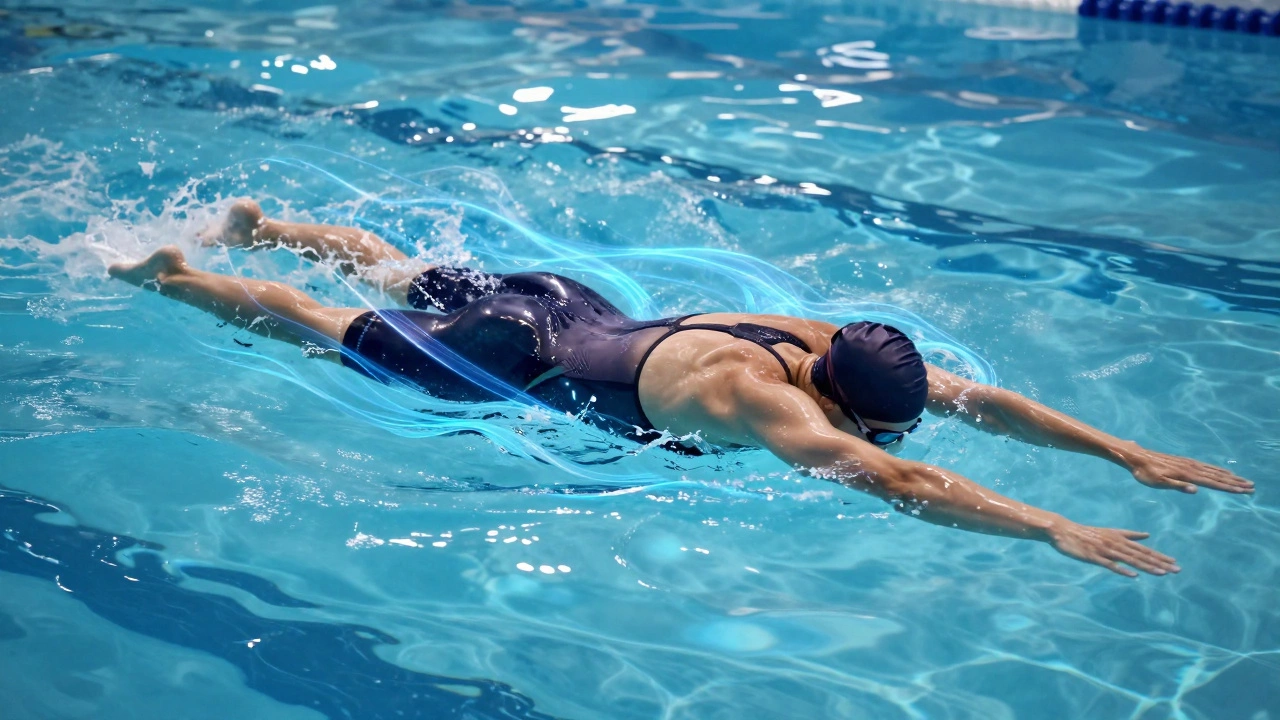
Then there's the world of Swimming. A casual swimmer might wear a standard swimsuit, but a competitive athlete uses a "tech suit." These suits are made from hydrophobic materials that compress the muscles to reduce drag and keep the body in a more streamlined position. The difference between a standard suit and a tech suit can be a few tenths of a second-which is the difference between a gold medal and fourth place.
Do you ever wonder why baseball players wear different gloves for different positions? A first baseman's mitt is huge and padded because they catch high-velocity throws. An outfielder's glove is shallower to allow for a quicker transfer of the ball to the hand. The gear is literally shaped around the job the player has to do on the field.
Safety: The Non-Negotiable Side of Specificity
Performance is great, but safety is where specialized equipment becomes mandatory. General protection doesn't cut it when you're dealing with high-impact forces. In American Football, a helmet isn't just a hard shell; it's a complex system of padding designed to disperse the energy of a collision. A bicycle helmet, while great for a fall, would offer zero protection against a 100kg linebacker hitting you at full speed.
Consider Boxing. Hand wraps and gloves aren't there to protect the opponent; they are there to protect the fighter's small metacarpal bones in the hand from fracturing. Without them, the force of a punch would likely break the hitter's hand before it knocked out the opponent. This is a perfect example of equipment that manages the specific risks of a high-impact activity.
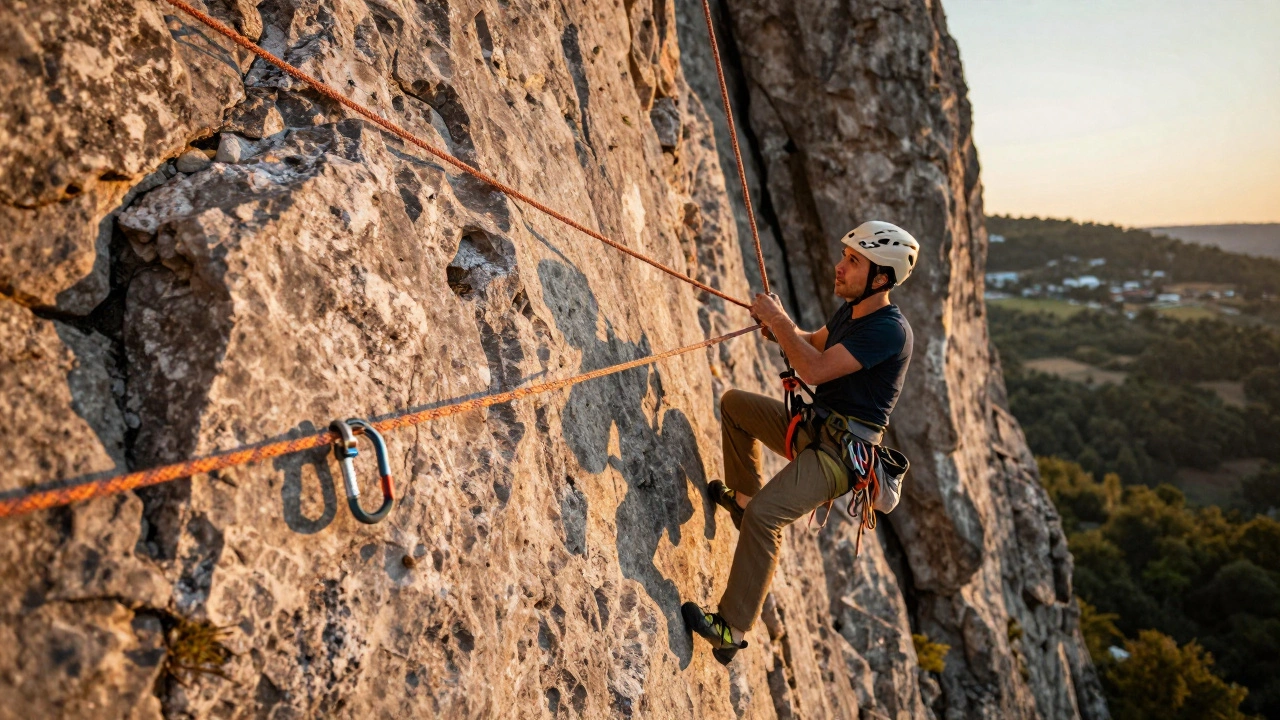
Even in low-impact sports, specificity saves lives. In Rock Climbing, a dynamic rope is essential. Unlike a static rope (which doesn't stretch), a dynamic rope acts like a giant rubber band when a climber falls. If you used a static rope for lead climbing, the sudden jerk of a fall could snap the rope or cause internal injuries to the climber. The equipment is engineered for the exact physics of a fall.
How to Choose the Right Gear for Your Level
You don't always need the most expensive, pro-level gear the day you start. In fact, jumping into ultra-specialized equipment too early can actually hinder your progress. For instance, a beginner runner doesn't need carbon-plated "super shoes" used by marathon winners. Those shoes are unstable and can lead to injury if your tendons and muscles aren't conditioned for that level of energy return. A high-quality, neutral trainer is a better starting point.
The rule of thumb is to match your gear to your current biological capacity and the environment. If you're playing soccer on a concrete park, don't wear long studs; you'll twist your ankle. Use "turf shoes" with many small rubber nubs. If you're starting Tennis, start with a versatile graphite racket before moving into a high-tension setup that requires a very fast swing speed to be effective.
Ask yourself these three questions before buying specialized gear:
- Does this equipment solve a specific problem I'm facing (e.g., sliding on the court)?
- Is my current skill level high enough to actually benefit from the technical features?
- Does this gear protect me from the specific risks of the sport?
Common Mistakes When Buying Special Equipment
One of the biggest traps is "feature creep." This is when you buy a piece of gear because it has a fancy name or a professional endorsement, even though it doesn't fit your needs. For example, buying a professional-grade Golf shaft with an extremely stiff flex just because a pro uses it. If your swing speed is slow, that stiff shaft will feel like a piece of rebar, and your balls will slice right into the woods.
Another mistake is ignoring the "ecosystem" of gear. Specialized equipment works in tandem. A high-end road bike is useless if you're wearing heavy cotton t-shirts that soak up sweat and chafe your skin. You need the matching moisture-wicking jerseys and padded bib shorts to actually utilize the bike's efficiency. The gear should work as a system, not as isolated pieces.
Lastly, don't overlook maintenance. Specialized gear is often more fragile than general gear. Carbon fiber frames on bikes can crack if clamped too tightly in a stand. High-performance swimming suits degrade if you touch them with lotion. The more specific the equipment, the more careful you have to be with it.
Is sports specific equipment always more expensive?
Not necessarily, but often yes. The cost comes from the R&D required to engineer specific materials, like carbon fiber or hydrophobic fabrics. However, buying the wrong "cheap" gear can be more expensive in the long run due to injuries or the need to replace it quickly when it fails under pressure.
Can I use general gym shoes for sports like badminton or squash?
It is not recommended. Badminton and squash involve intense lateral (side-to-side) movements. General gym shoes often lack the reinforced side-walls needed to prevent your foot from sliding over the edge of the sole, which is a leading cause of rolled ankles in court sports.
When should I upgrade from general to specialized gear?
Upgrade when your current gear starts limiting your performance or posing a safety risk. If you find yourself slipping on the field, or if you're experiencing pain that a more supportive shoe would solve, it's time to switch. Also, once you move from "casual" to "competitive" levels, the marginal gains of specialized gear become much more important.
Does specialized equipment always improve performance?
Only if it matches the user's skill level. As mentioned with carbon-plated running shoes, they can actually be detrimental to a beginner who doesn't have the leg strength to handle the energy return. Equipment is a multiplier; if your skill is zero, the multiplier still results in zero.
What is the most critical piece of specific equipment for beginners?
Footwear. Regardless of the sport, the connection between your body and the ground is where most injuries happen and where most power is generated. Investing in the correct shoes for your specific activity is always the first and most important step.
Next Steps for Your Gear Journey
If you're just getting started, don't go out and buy the most expensive kit available. Start with the "critical path" items-usually the shoes and the primary safety gear. Once you've played for a few months and understand your own movement patterns, you can start adding the more technical pieces. If you're an experienced athlete, look into "tuning" your equipment, such as changing the tension of your racket strings or the pressure in your tires, to better suit the current season's conditions.