Boxing Matches September 7, 2026
How Do Boxing Matches Work? Rules, Rounds, and Scoring Explained
Boxing Scorecard Simulator
Enter the scores for each round below. Remember: The winner of the round gets 10 points. The loser gets 9 or fewer (e.g., 10-9 for close, 10-8 for dominant/knockdown). If a round is even, both can get 10, but judges are encouraged to pick a winner.
| Round | Red Corner Score | Blue Corner Score | Notes / Knockdowns |
|---|
You’ve seen the highlights. Two fighters circle each other, throw rapid combinations, and occasionally land a punch that sends someone to the canvas. It looks chaotic, but it’s actually one of the most structured sports out there. If you’ve ever watched a fight and wondered why the bell rings every three minutes, or how a judge decides who won when both guys are bleeding, this breakdown is for you.
Boxing isn’t just about hitting hard. It’s about managing time, space, and energy within a strict set of rules. Whether you’re watching a local club night in Bristol or a title unification bout on pay-per-view, the core mechanics remain the same. Let’s strip away the confusion and look at exactly how a boxing match functions from the opening bell to the final decision.
The Basic Structure: Rounds and Rest
At its heart, boxing is a combat sport involving two competitors who fight each other using only their fists while wearing protective gloves. The match is divided into periods called rounds. This structure exists for safety. Fighting continuously for 30 minutes would be brutal and dangerous, so the sport breaks it down into manageable bursts of action followed by recovery time.
In professional men’s boxing, a standard bout consists of 12 rounds, each lasting three minutes. Between rounds, there is a one-minute rest period. During this minute, cornermen (the trainer and assistants) give advice, treat cuts, and hydrate the fighter. For women’s professional bouts, rounds are typically two minutes long, though some jurisdictions still use three-minute rounds for championship fights. Amateur boxing, like what you see in the Olympics, usually features shorter rounds-often three rounds of three minutes-to prioritize speed and technique over endurance.
| Fight Type | Number of Rounds | Round Duration | Rest Period |
|---|---|---|---|
| Professional Men (Non-Title) | 4, 6, 8, or 10 | 3 Minutes | 1 Minute |
| Professional Men (Title Fight) | 12 | 3 Minutes | 1 Minute |
| Professional Women | Varies (often 10) | 2 Minutes | 1 Minute |
| Olympic/Amateur | 3 | 3 Minutes | 1 Minute |
Scoring: How Judges Decide the Winner
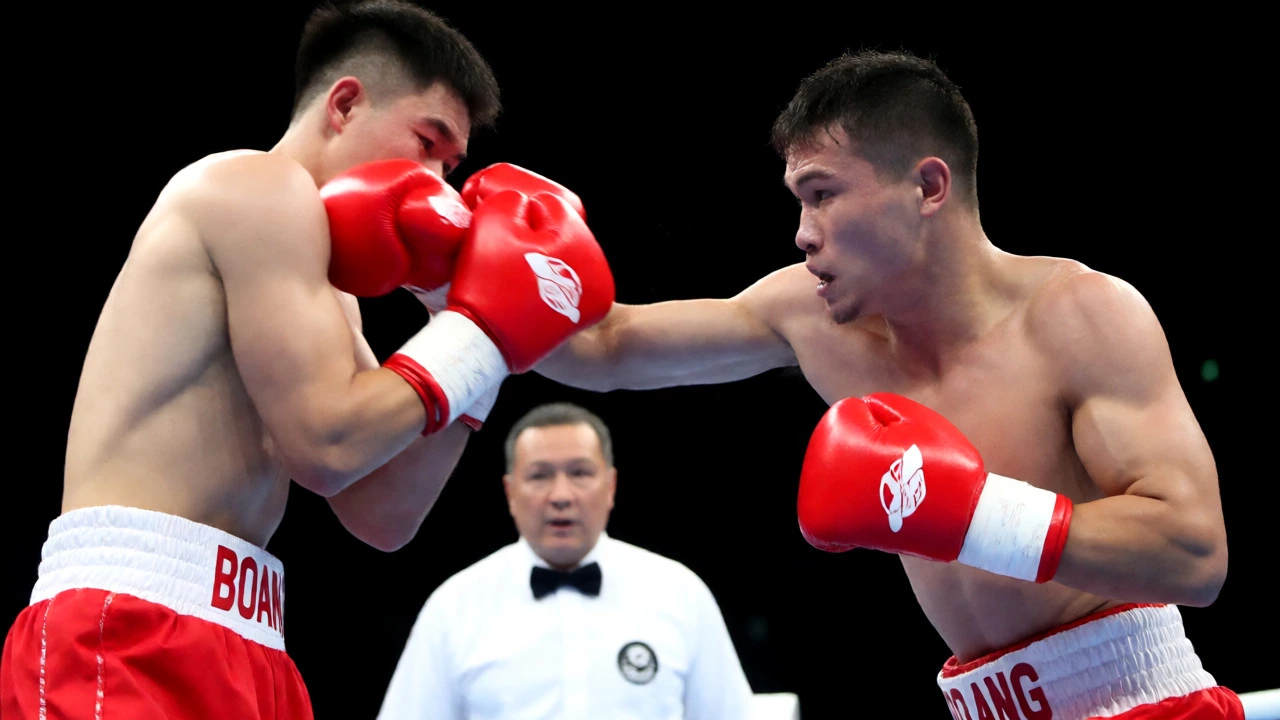
If no one gets knocked out, the winner is decided by judges. This is where most casual fans get confused. They think they need to count punches, but judges don’t do that. They score based on four specific criteria, weighted in order of importance:
- Clean Punching: Did the punch land with force and accuracy? A glancing blow scores less than a solid connection to the head or body.
- Effective Aggression: Moving forward alone doesn’t count. You must move forward *and* land clean punches. If you chase your opponent around the ring but never hit them, you lose the round.
- Ring Generalship: Who controls the pace and location of the fight? Cutting off the ring and forcing the opponent to react to you demonstrates generalship.
- Defence: Slipping punches, blocking shots, and avoiding damage without being passive adds points. A fighter who takes fewer hits often edges out close rounds.
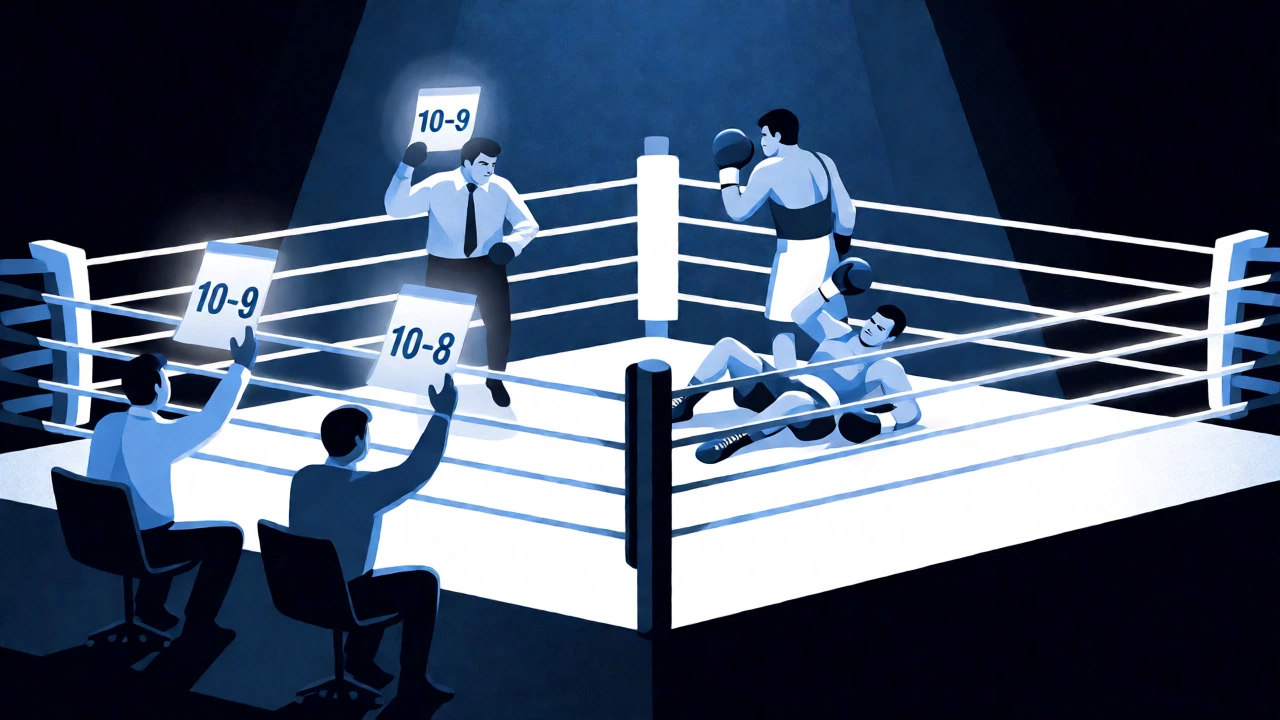
Judges use the "10 Point Must System." In every round, the winner gets 10 points. The loser gets 9 or fewer. If a round is even, both might get 10, but judges are encouraged to pick a winner if possible. If a fighter is knocked down, they automatically lose a point for that round (so a 10-8 score). If they are knocked down twice, it’s 10-7. These scores are added up after all rounds. The fighter with the highest total wins by Decision.
Ways to Win: Beyond the Decision
A decision is common, but boxers aim for more definitive outcomes. There are several ways a fight can end before the final bell rings. Understanding these distinctions helps you appreciate the drama of the sport.
Knockout (KO)
A knockout occurs when a fighter is knocked down and cannot rise to their feet by the count of ten. The referee starts counting immediately. If the fighter is unconscious or too disoriented to stand, the fight is over instantly. No count is needed if the fighter is clearly unable to continue.
Technical Knockout (TKO)
This is more nuanced. A TKO happens when the referee stops the fight because one fighter is taking excessive punishment and cannot defend themselves intelligently. It could also happen if a doctor stops the fight due to a severe cut, or if a fighter’s corner throws in the towel. The key difference between a KO and a TKO is consciousness; in a TKO, the fighter might be awake but helpless.
Disqualification (DQ)
If a fighter repeatedly fouls after warnings, the referee can disqualify them. Common fouls include hitting below the belt, holding, kicking, or hitting a downed opponent. Accidental low blows are different-if the fouled fighter needs more than five minutes to recover, the fight may go to the scorecards.
No Contest (NC)
If an accidental foul causes a fight-ending injury early in the bout (usually before round 4), the result may be declared a No Contest. This means neither fighter wins or loses. Their records remain unchanged.
The Referee’s Role: More Than Just Counting
The referee is the ultimate authority in the ring. Their job isn’t just to count to ten. They are responsible for fighter safety above all else. A good referee will step in and break clinches, warn fighters for fouls, and stop a lopsided fight to prevent unnecessary brain trauma.
Referees have broad discretion. One ref might let a fighter take three knockdowns before stopping the fight, while another might call it after the first. This variability is part of the sport. When watching, pay attention to the referee’s hand signals. A closed fist means "stop," while pointing indicates direction or a warning. If a fighter is dropped, the ref waves their arm to signal a standing eight count-a check-in to ensure the fighter is coherent enough to continue.
Gear and Safety Standards
Modern boxing relies heavily on equipment to make the sport sustainable. Fighters wear padded gloves, mouthguards, and protective cups. The size of the gloves matters significantly. Heavier gloves (10oz or 12oz) are used in sparring and lower-weight pro fights to protect hands and reduce impact force. Lighter gloves (8oz) are typical for heavier weight classes and high-profile title fights, increasing the chance of a knockout but raising the risk of cuts.
Mouthguards are mandatory. They protect teeth and help absorb shock to the jaw, potentially reducing concussion risk. Headgear was removed from Olympic men’s boxing in 2016 to align with professional standards, acknowledging that headgear can sometimes create a false sense of security, leading fighters to take more risks.
Common Misconceptions About Boxing Matches
Many people believe boxing is simply about who hits harder. That’s a myth. While power is valuable, defense and counter-punching often win fights. Another misconception is that judges favor the hometown fighter. While home advantage exists-crowd noise can influence perception slightly-judges are trained to score objectively. Studies have shown that home advantage is statistically small compared to performance quality.
Also, not every knockdown leads to a loss. Fighters get up all the time. Getting knocked down is a setback, costing you points, but it’s not fatal to your chances unless you can’t beat the count. Resilience is a skill, and many champions have been dropped before winning.
What is the difference between a KO and a TKO?
A Knockout (KO) means the fighter is physically unable to rise before the referee counts to ten. A Technical Knockout (TKO) means the referee, doctor, or corner stops the fight because the fighter is conscious but cannot safely continue defending themselves.
How long is a professional boxing round?
For men’s professional boxing, rounds are three minutes long with a one-minute rest period between them. Women’s professional rounds are typically two minutes long, though regulations vary by country and commission.
Can a boxing match end in a draw?
Yes. If the judges’ scorecards result in equal points for both fighters, the match is declared a Draw. There are three types: Unanimous Draw (all judges agree), Split Draw (two judges draw, one has a winner), and Majority Draw (one judge draws, others disagree).
Why do boxers touch gloves at the start?
Touching gloves is a gesture of sportsmanship and respect. It signifies that the rivalry is strictly athletic and that both fighters acknowledge each other as competitors. It is not required by the rules but is a widely observed tradition.
What happens if a boxer gets knocked down?
The referee begins a count to ten. The fighter must rise and be ready to continue by the count of ten. If they fail, it’s a knockout. If they rise, they are given a standing eight count to check their condition, and the fight continues, but they lose a point for that round.