Fitness December 4, 2025
Can I Transform My Body in 1 Month? Realistic Expectations and Proven Steps
Body Transformation Calculator
Realistic 30-Day Expectations
Based on research from the Journal of the International Society of Sports Nutrition
Fat Loss
4-8 lbs
Muscle Gain
1-3 lbs
Calculate Your Targets
Your 30-Day Transformation Plan
Daily Calorie Target
1,800 calories
(300-500 calorie deficit for fat loss)
Daily Protein Target
160 grams
(1g per pound body weight)
Estimated Results
Fat Loss: 5-7 lbs
Muscle Gain: 1-2 lbs
Progress Tracking Tips
Track changes beyond the scale:
- Take weekly photos in same lighting
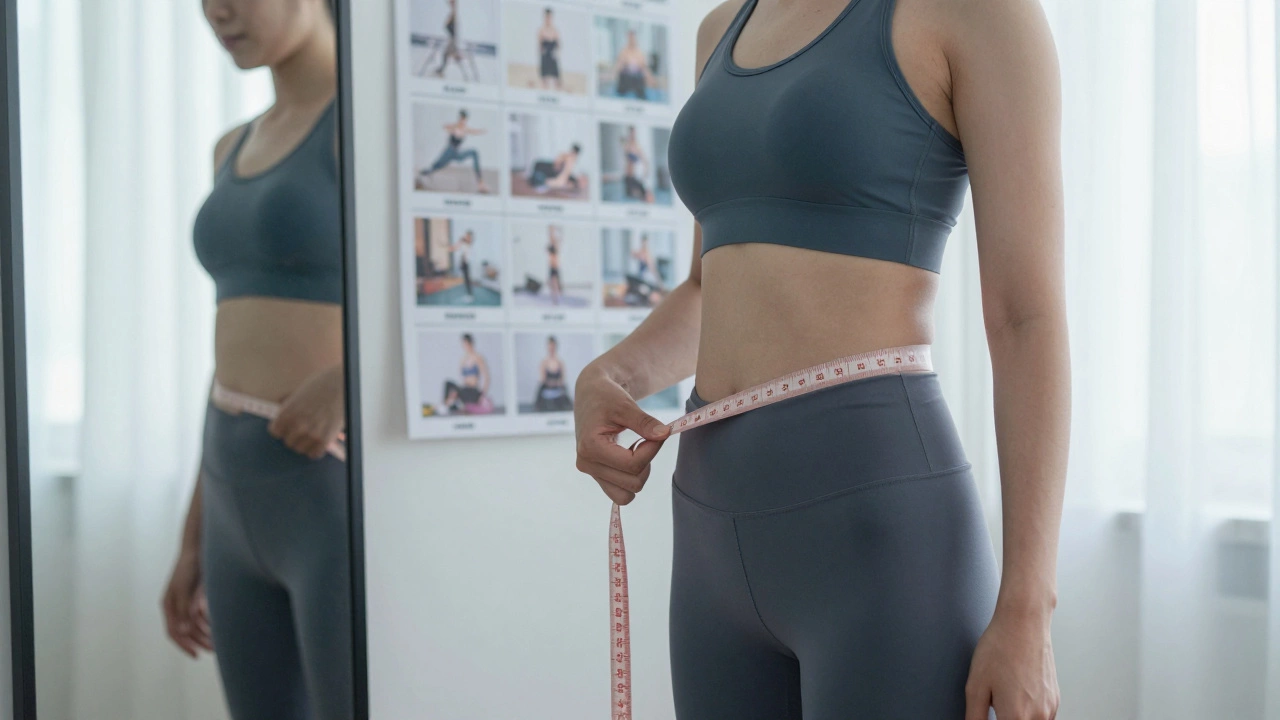
- Measure waist circumference
- Track strength improvements
Can you really change your body in just 30 days? The short answer: yes-but not the way most people think. You won’t turn into a bodybuilder or model overnight. But you can lose noticeable fat, gain lean muscle, and feel stronger, sharper, and more confident than you did a month ago. This isn’t magic. It’s science, consistency, and smart choices.
What a Realistic Body Transformation Looks Like in 30 Days
Let’s clear up the hype first. Social media shows before-and-afters where someone goes from soft to shredded in four weeks. Those are usually edited, lit, and taken after weeks or months of prep. Realistic results? For most people, losing 4-8 pounds of fat and gaining 1-3 pounds of muscle in a month is solid progress. That’s enough to see changes in your waistline, arms, and how your clothes fit.
Here’s what that actually looks like:
- Your shirt buttons feel looser around the midsection
- Your arms look more defined when you raise them
- You can do 2 more push-ups than you could last month
- You sleep better and feel less sluggish after meals
That’s not a miracle. That’s biology working with you.
How Your Body Changes in 30 Days (The Science)
Body transformation isn’t just about lifting weights or running on a treadmill. It’s about creating the right environment inside your body to burn fat and build muscle at the same time. That’s called body recomposition.
Studies from the Journal of the International Society of Sports Nutrition show that with proper nutrition and resistance training, untrained individuals can gain up to 2.5 pounds of muscle in 4 weeks. Fat loss? A safe, sustainable rate is 1-2 pounds per week. That means 4-8 pounds lost in a month.
How does this happen?
- Strength training creates micro-tears in muscle fibers. Your body repairs them stronger.
- Calorie deficit (eating less than you burn) forces your body to use stored fat for energy.
- Protein intake tells your body to hold onto muscle while shedding fat.
You don’t need to starve yourself. You don’t need to do 2-hour workouts. You need the right balance.
Step-by-Step Plan: What to Do in 30 Days
Here’s exactly what to do, broken down into daily actions. No guesswork. No fads.
- Track your calories for the first week-just to understand your baseline. Use a free app like MyFitnessPal. Don’t restrict yet. Just log.
- Set your calorie target: Subtract 300-500 calories from your maintenance level. For most men, that’s 1,800-2,200. For most women, 1,500-1,900.
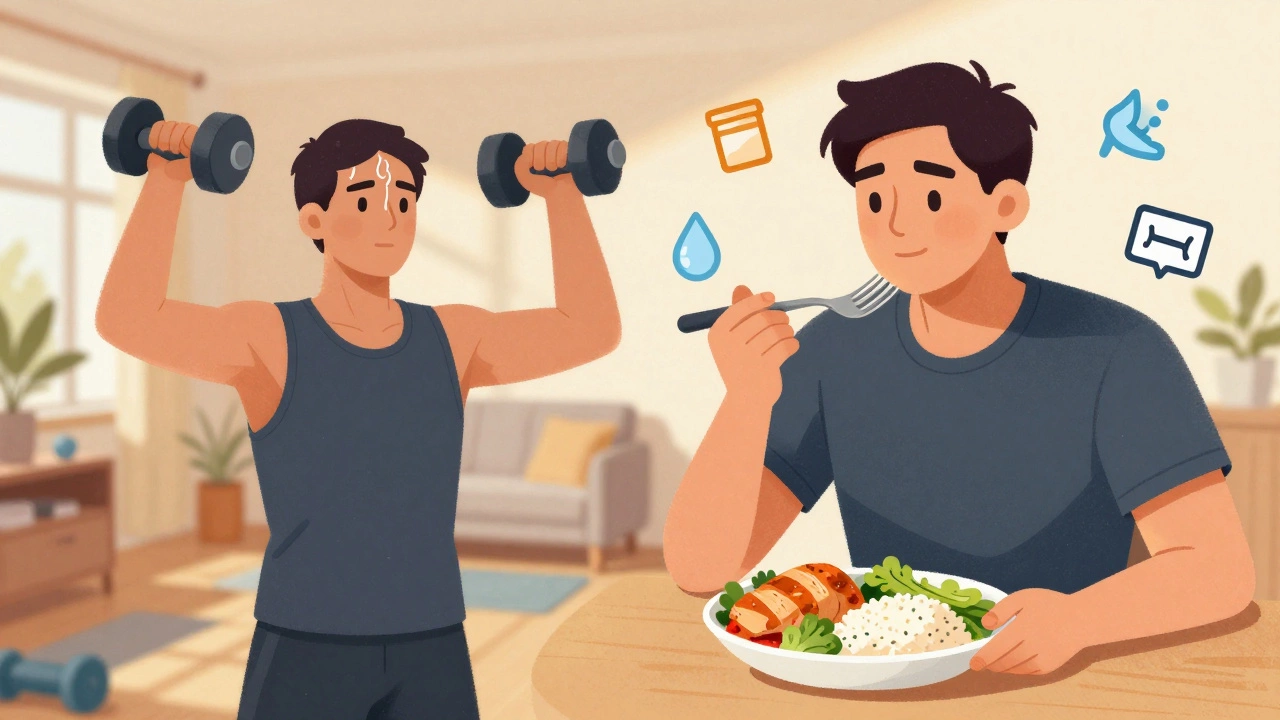
- Get 1 gram of protein per pound of body weight. If you weigh 160 pounds, eat 160 grams of protein daily. Chicken, eggs, Greek yogurt, tofu, and protein powder all work.
- Strength train 3-4 days a week. Focus on compound moves: squats, push-ups, rows, deadlifts, overhead presses. Do 3 sets of 8-12 reps per exercise. No machines needed-bodyweight works fine.
- Add 2 short cardio sessions. 20 minutes of brisk walking, cycling, or stair climbing. This helps burn extra fat without burning out.
- Sleep 7-8 hours every night. Poor sleep raises cortisol, which stores belly fat and kills muscle growth.
- Drink 3 liters of water daily. Dehydration makes you feel tired and hungrier than you are.
That’s it. No juice cleanses. No detox teas. No 5 a.m. workouts you hate. Just consistency.
What Not to Do (The Common Mistakes)
Most people fail in month one because they do the wrong things. Here’s what to avoid:
- Doing too much cardio. Running 5 miles a day won’t help you build muscle. It might even make you lose it.
- Cutting carbs completely. Your brain and muscles need glucose. Eat whole grains, fruits, and vegetables. They’re not the enemy.
- Skipping protein. If you don’t eat enough, your body will break down muscle for fuel-even if you’re in a deficit.
- Waiting for motivation. Motivation fades. Discipline stays. Show up even when you don’t feel like it.
- Comparing yourself to influencers. Their results took months of prep. Your journey starts today.
Progress Tracking: How to Know You’re Actually Changing
Don’t just rely on the scale. Weight can stay the same while your body changes dramatically.
Use these 3 methods:
- Take weekly photos. Same lighting, same clothes, same time of day. Look at them side-by-side after 4 weeks.
- Measure your waist. Use a tape measure right above your hip bones. A 1-2 inch reduction is a win.
- Track strength gains. Can you do more push-ups? Lift heavier? Hold a plank longer? That’s muscle growing.
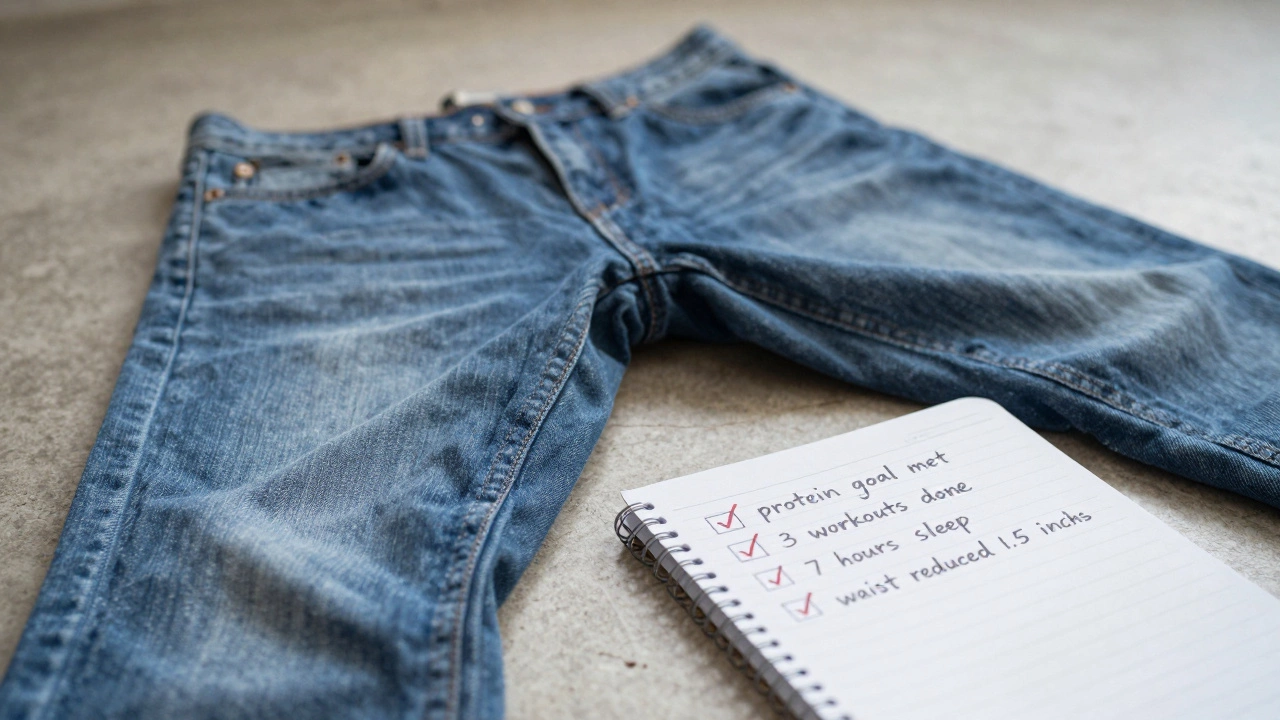
One client of mine lost 6 pounds and gained 2 pounds of muscle in 30 days. Her scale barely moved. But her jeans fell off her hips. That’s the real win.
What Comes After 30 Days
Thirty days isn’t the finish line. It’s the foundation. By then, your habits will be forming. Your energy will be up. Your confidence will be higher. That’s when you level up.
Next step? Increase your protein to 1.2 grams per pound. Add a fourth strength day. Try intermittent fasting if it feels right. Or just keep doing what works.
The goal isn’t to transform in 30 days. The goal is to become someone who can transform-anytime, anywhere. That’s the real win.
Frequently Asked Questions
Can I lose 20 pounds in one month?
Losing 20 pounds in 30 days is not safe or sustainable. That would require burning over 2,300 extra calories every day. Most people can only create a 500-700 calorie deficit safely. That’s 1-2 pounds per week. Rapid weight loss leads to muscle loss, metabolic slowdown, and rebound weight gain. Focus on losing 4-8 pounds with muscle gain instead.
Do I need supplements to transform my body?
No. Protein powder helps if you struggle to hit your protein goal, but it’s not required. Multivitamins, creatine, or fat burners won’t make a difference if your diet and training are off. Real food and consistent effort beat any supplement. Save your money.
Can women transform their bodies in 30 days like men?
Yes-but differently. Women naturally carry more body fat and have lower testosterone, so muscle gain is slower. But fat loss works the same way. A woman can lose 4-7 pounds of fat and gain 1-2 pounds of muscle in a month. The changes will show in tighter arms, a flatter stomach, and better endurance. Don’t compare your progress to men’s.
What if I miss a workout or eat too much one day?
One missed workout or one indulgent meal won’t ruin your progress. What ruins progress is quitting. If you slip up, just get back on track the next day. Consistency over weeks matters far more than perfection in a single day.
Is it possible to get ripped in 30 days?
"Ripped" means very low body fat-usually under 10% for men and 18% for women. That takes months or years of strict dieting and training. In 30 days, you can become leaner and more toned, but not visibly ripped unless you were already close to that level. Aim for progress, not perfection.
Next Steps
Start today. Not tomorrow. Not after the weekend.
Step one: Write down your current weight and waist measurement. Step two: Plan your protein intake for tomorrow. Step three: Do a 20-minute bodyweight workout-squats, push-ups, planks, lunges. That’s it.
You don’t need a gym membership. You don’t need fancy gear. You just need to show up. The rest will follow.