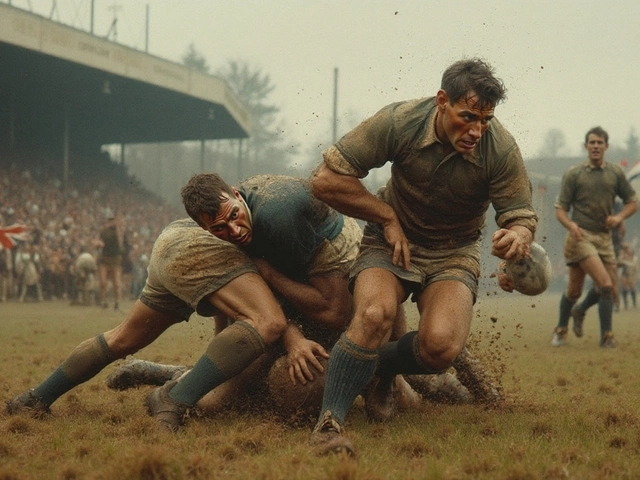
Running: Training, Recovery, and What It Really Does to Your Body
When you go out for a running, a cardiovascular activity that involves moving at a pace faster than walking, typically to build endurance, burn calories, or improve health. Also known as jogging, it’s one of the most accessible forms of exercise—but what you do on the road shapes far more than your lungs. It changes your muscles, your skin, your hormones, even how your body ages. You don’t need to be a pro to feel those effects. Whether you’re trying to run your first 5K or training for a full marathon, your body responds in ways most people never expect.
One big myth? That being muscular ruins your running. Not true. muscle and running, the balance between strength and endurance training that helps runners move efficiently without adding unnecessary weight works when you train smart. It’s not about bulk—it’s about functional strength in your hips, core, and glutes that keeps you upright, reduces injury, and lets you push harder on long runs. Then there’s marathon training, a structured, multi-week plan that gradually increases distance, teaches fueling, and prepares the body for 26.2 miles. You can’t jump from 10 miles to a marathon overnight. It takes time, patience, and a plan that builds mileage slowly—usually 16 to 20 weeks for beginners. And it’s not just about logging miles. Your recovery, sleep, and nutrition are just as critical as the run itself.
Here’s the surprising part: people who run regularly often look and feel younger. That’s not just because they’re leaner. running and aging, the relationship between long-term running and biological aging markers like skin elasticity, inflammation levels, and cellular repair is backed by real science. Running boosts circulation, reduces oxidative stress, and helps regulate cortisol. But push too hard without rest, and you risk burning out—or even accelerating wear on joints and tendons. It’s a tightrope. The best runners know when to go hard and when to slow down. And yes, studies show that regular runners tend to live longer, but only if they avoid overtraining and listen to their bodies.
So what’s in it for you? Whether you’re trying to lose weight, beat stress, or cross a finish line, running gives you tools to take control. You’ll find guides here that break down exactly how to build endurance without burning out, how to train your body to handle long distances, and how to keep your muscles strong without turning into a bodybuilder. You’ll see real stories from people who went from 10 miles to 26.2, and others who used running to reverse signs of aging. No fluff. No hype. Just what works.

Is 4.5 Hours a Good Time for a Marathon?
Is a 4.5-hour marathon time good? For most runners, it’s a realistic, achievable goal that reflects consistency, not speed. Learn how to train for it without overdoing it.
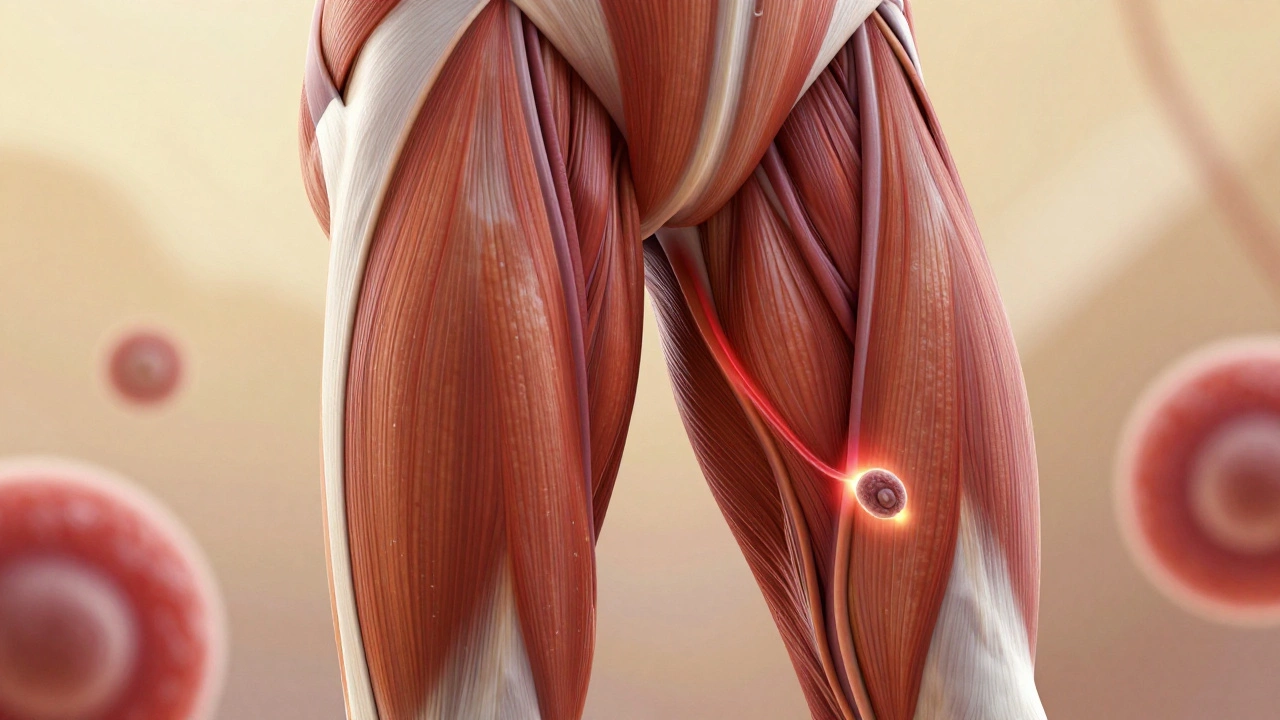
Why Marathon Runners Don't Have Big Legs: The Science Explained
Marathon runners have lean legs due to their focus on endurance over muscle mass. Their training develops slow-twitch fibers, low body fat, and efficient aerobic systems. Unlike sprinters, they prioritize efficiency and stamina, not bulk. Understanding this science helps runners optimize their training for performance.

What Is a Respectable Marathon Time? Real Benchmarks for Runners of All Levels
What's a respectable marathon time? It's not about being fast-it's about finishing strong. Learn real benchmarks for beginners, intermediate, and advanced runners, and how to measure your progress with confidence.

Should I Switch to Barefoot Running? Here’s What Really Happens
Should you switch to barefoot running? Learn how it changes your form, reduces injury risk, and rebuilds foot strength-without the hype. Real steps, real results.

Can You Be Muscular and Run a Marathon? The Real Truth About Muscle and Endurance
Yes, you can be muscular and run a marathon. It’s not about being huge-it’s about building functional strength that helps you run farther, faster, and injury-free. Here’s how to do it right.

Running a Marathon When You Can Only Run 10 Miles - How to Bridge the Gap
Learn how to safely progress from a 10‑mile comfortable run to a full marathon with a step‑by‑step training plan, mileage guide, fueling tips, and injury prevention advice.
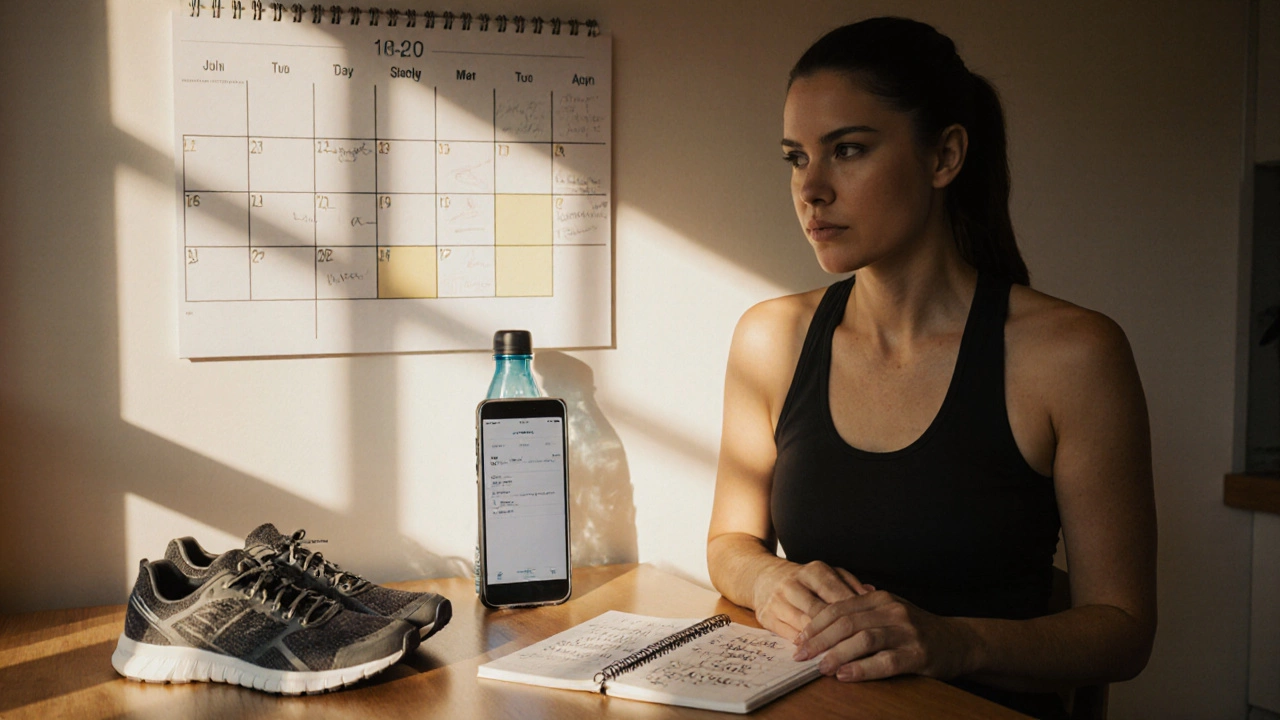
Marathon Training Timeline for Beginners: How Long Does It Take?
Learn the realistic 16‑20 week marathon training timeline for beginners, with weekly schedules, mileage progression, injury prevention tips, and a final taper checklist.

Why Do Runners Look Younger? Science-Backed Reasons and How to Get the Effect
Do runners really look younger? Yes-when training is smart. Learn how running shapes skin, hormones, sleep, and body composition, plus pitfalls to avoid.

Do Marathon Runners Really Live Longer?
Marathon running is not just a test of endurance; it might also influence how long we live. While some believe that the physical demands may take a toll, others argue that the benefits outweigh the strains. This article explores the relationship between marathon running and lifespan. It delves into the health benefits, potential risks, and tips for maximizing positive outcomes. Get insights to help understand if hitting the pavement for those long miles is adding years to life or just making them more vibrant.

Do Runners Age Faster? The Impact of Marathon Training on Aging
The relationship between marathon training and aging is complex. While some believe that the physical demands of long-distance running can accelerate aging, others point out its health benefits. This article explores whether runners actually age faster, backed by scientific findings and expert insights. You'll find useful tips on how to enjoy running while managing the aging process effectively.