Running November 2, 2026
Can You Walk a Marathon in 6 Hours? A Realistic Guide
Marathon Finish Time Estimator
Enter your average walking pace to see how long it will take you to complete a standard 26.2-mile marathon.
Your Pace
:
min/mile
Typical recreational walk: 15-17 min/mi. Power walk: 12-14 min/mi.
Estimated Results
Enter your pace and click Calculate to see your results.
Quick Reference: The 6-Hour Goal
Target Pace: To finish in exactly 6 hours, you must maintain an average pace of 13 minutes and 44 seconds per mile.
Strategy Tip: If your natural pace is slower (e.g., 16 min/mi), consider incorporating short jogging intervals or power-walking segments to bring your average down.
You’ve signed up for your first marathon, but you’re not exactly sprinting through your weekend runs. Maybe you’re a walker who loves the distance but hates the pounding of running. Or maybe you’re just realistic about your current fitness level. The big question keeping you up at night is simple: Can you actually finish a 26.2-mile race in six hours if you don’t run a single step?
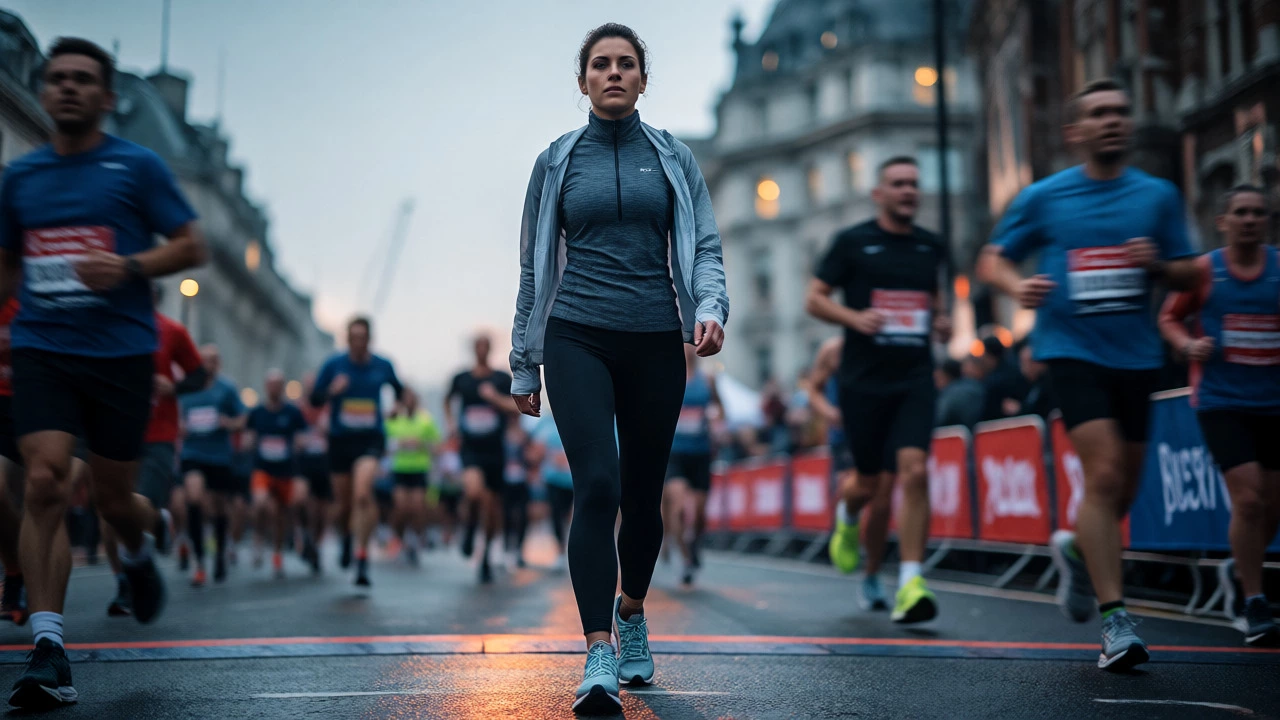
The short answer is yes, absolutely. But it’s not as easy as just strolling to the finish line. Six hours is a tight window for pure walking. It requires strategy, pacing discipline, and knowing exactly which races will let you cross that timing mat before they sweep the course. Let’s break down the math, the gear, and the mental game so you can walk across that finish line with a medal around your neck.
Do the Math: The Pace You Need
Let’s get specific. A standard marathon is 26.2 miles (42.195 kilometers). If you want to finish in under six hours, you need to maintain an average pace of roughly 13 minutes and 44 seconds per mile (or about 8 minutes and 30 seconds per kilometer). That sounds manageable until you realize this has to be sustained for over 26 miles, including hills, crowds, and aid station stops.
Most recreational walkers cruise along at a comfortable 15 to 17 minutes per mile. At 15 minutes per mile, you’d finish in 6 hours and 33 minutes. At 17 minutes per mile, you’re looking at nearly 7.5 hours. So, to hit the six-hour mark, you need to move faster than your casual Sunday stroll. You need a purposeful, brisk walk. Think of it as "power walking" rather than "window shopping."
| Walking Pace (min/mile) | Estimated Finish Time | Feasibility for 6-Hour Goal |
|---|---|---|
| 12:00 - 13:00 | 5:15 - 5:40 | Very Comfortable |
| 13:44 | 6:00 | Exact Target |
| 14:30 | 6:20 | Too Slow (without run breaks) |
| 16:00 | 7:00 | Unlikely without assistance |
Race Cutoffs and Sweepers: Know Before You Go
Here is where many first-time walkers get tripped up. Not every marathon allows six-hour finishes. Major city marathons often have strict cutoff times, sometimes as early as seven hours for the whole course, but with intermediate checkpoints. For example, the Boston Marathon has a 6-hour cutoff from the official start, but because of wave starts, your personal clock might start later. However, other major events like the New York City Marathon have a 7-hour limit, giving you more breathing room.
Always check the specific race rules. Look for terms like "sweeper bus" or "course closure." These are vehicles or officials that pick up anyone moving slower than the required pace at specific mile markers. If you miss a checkpoint time, you’ll be pulled off the course, no matter how close you are to the finish. Choose smaller, local, or charity-focused marathons if you’re worried about strict timing. They tend to be more welcoming to walkers and have longer cutoff windows.
Technique Matters: Efficiency Over Speed
You don’t need to look like an Olympic race walker, but poor form will drain your energy. When you walk for six hours, small inefficiencies add up to massive fatigue. Keep your posture upright. Don’t slouch forward; that compresses your diaphragm and makes breathing harder. Swing your arms naturally. Your legs should follow the rhythm of your arms. This counter-movement helps propel you forward with less effort from your leg muscles.
Focus on rolling through your foot strike. Land on your heel, roll through the midfoot, and push off from your toes. Avoid "stomping," which sends shockwaves up your shins and knees. If you find yourself getting tired, shorten your stride. Taking quick, shorter steps is often more efficient and sustainable than trying to take huge, loping strides. It keeps your cadence high and reduces the impact on your joints.

Gear Up: Shoes and Clothing for Long Distances
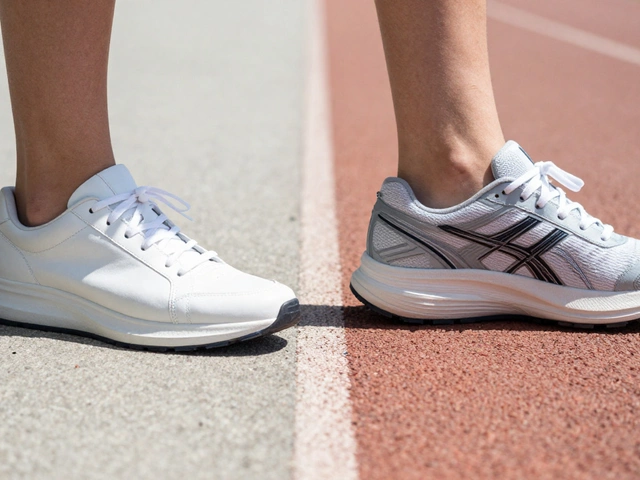
Your feet are your engine. Do not wear brand-new shoes on race day. Break in a pair of supportive, cushioned walking or running shoes at least three weeks before the event. Look for models designed for long-distance comfort, such as those from Brooks, Hoka, or New Balance. Socks matter just as much. Avoid cotton, which holds sweat and causes blisters. Opt for synthetic blends or merino wool socks that wick moisture away from your skin.
Dress for weather, but remember you’ll warm up quickly. Layers are your friend. A moisture-wicking base layer, a lightweight windbreaker, and perhaps arm sleeves allow you to adjust as the temperature changes. Chafing is the silent killer of marathon dreams. Apply anti-chafe balm to your inner thighs, underarms, and anywhere skin rubs against clothing. Test everything during your long training walks.
Fueling and Hydration Strategy
You cannot walk a marathon on water alone. Even though you aren’t burning calories at the rate of a runner, you still need fuel. Aim to consume 30-60 grams of carbohydrates per hour. This could be gels, chews, bananas, or pretzels. Eat before you feel hungry. Once hunger sets in, your blood sugar drops, and you’ll hit a wall hard.
Hydration is equally critical. Drink when you’re thirsty, but don’t overdo it. Sip at every aid station. Electrolyte drinks are better than plain water for distances over four hours because they replace salts lost through sweat. Practice your nutrition plan during training. Find out what sits well in your stomach. Race day is not the time to try a new energy gel for the first time.
Training Plan: Building Endurance, Not Just Distance
You don’t need to train like an elite athlete, but you do need consistency. Start with a baseline of walking 3-4 miles comfortably. Gradually increase your weekly mileage by no more than 10% each week. Incorporate one long walk every weekend. Build up to a 20-mile long walk at least three weeks before race day. This proves to your body-and your mind-that you can handle the distance.
Include some interval work. Once a week, alternate between 1 minute of fast power walking and 2 minutes of normal walking. This improves your cardiovascular efficiency and teaches your body to recover while moving. Strength training twice a week helps too. Focus on your core, glutes, and calves. Stronger muscles resist fatigue better over long durations.

Mental Game: Breaking Down the Miles
Six hours is a long time. Staring at the number 26.2 can be overwhelming. Break the race into chunks. Focus only on getting to the next aid station, usually every 2-3 miles. Celebrate small victories. When you hit the halfway point, tell yourself you’re already past the hardest part. Use music or podcasts to distract yourself, but keep the volume low enough to hear instructions from marshals.
Expect pain. Around mile 18, your legs will feel heavy. This is normal. Push through it by focusing on your form and taking short breaks if needed. Many walkers use the "run/walk" method even if they identify as walkers. Alternating 30 seconds of jogging with 5 minutes of walking can boost your average pace without exhausting you. Listen to your body, but don’t quit unless you have sharp, acute pain.
Key Takeaways
- Pace Requirement: To finish in 6 hours, you must maintain an average pace of 13:44 per mile.
- Race Selection: Verify cutoff times; choose races with 7+ hour limits if you are borderline.
- Form: Maintain upright posture and swing arms to maximize efficiency and reduce fatigue.
- Nutrition: Consume carbs hourly and hydrate with electrolytes to prevent bonking.
- Preparation: Complete at least one 20-mile training walk before race day.
Frequently Asked Questions
Is it allowed to walk in a marathon?
Yes, most marathons explicitly allow walkers. However, you must meet the course cutoff times. Some ultra-marathons are more walker-friendly than major city marathons, which often have stricter time limits due to road closures.
What is a good walking pace for a beginner?
A typical recreational walking pace is 15 to 17 minutes per mile. To achieve a 6-hour marathon, you need to improve this to approximately 13:44 per mile, which requires deliberate power walking techniques.
How many calories do I burn walking a marathon?
On average, a person burns about 100 calories per mile walked, regardless of speed. For a 26.2-mile marathon, expect to burn roughly 2,600 calories, though individual metabolic rates vary based on weight and efficiency.
Should I carry my own water?
Most major marathons provide water and sports drinks at aid stations every 2-3 miles. Carrying your own hydration pack adds weight and may slow you down. Unless you have specific dietary needs, relying on aid stations is usually more efficient.
What happens if I miss a cutoff time?
If you miss a checkpoint cutoff, you will likely be asked to leave the course. In some cases, you may be able to continue on sidewalks outside the closed race route, but you won't receive an official finish time or medal. Always check the specific race policy.