
Basketball June 22, 2026
What League Is Below the NBA? G-League, WNBA, and International Paths Explained
NBA Career Path Simulator
Define Your Profile
Select your preferred starting path:
G League
Official NBA Affiliate. High visibility, lower pay.
Europe
High stability, better pay, tactical focus.
NCAA College
Amateur development, high exposure.
TBT / Summer
High risk/reward, $1M prize potential.
Projected Trajectory
Select a path above to see your projection.
Est. Year 1 Income:
$0
NBA Call-up Probability:
0%
Analysis:
Waiting for input...
If you watch the National Basketball Association (NBA) on a regular basis, you know it is the pinnacle of professional basketball. But what happens when a player gets cut, needs more playing time, or is just starting out? They don't just disappear. They drop down to the next level. For most Americans, the answer seems obvious: the NBA G League. However, the landscape of professional basketball beneath the NBA is actually quite complex. It involves domestic minor leagues, international circuits, and college systems that feed directly into the pros.
Understanding these layers is crucial for anyone who wants to follow player development, scout talent, or simply understand why their favorite star played in Mexico or Germany last season. Let’s break down exactly which leagues sit below the NBA and how they function as stepping stones to the big show.
The Official Minor League: The NBA G League
The direct affiliate of the NBA is the NBA G League (the official minor league of the NBA). Formerly known as the NBA Development League (D-League) until 2017, this league was designed with one primary purpose: to develop players for the NBA. It operates under a strict affiliation model where most teams are owned by or partnered with specific NBA franchises.
For example, the South Bay Lakers serve as the development team for the Los Angeles Lakers. This structure allows NBA teams to call up players instantly if an injury occurs in the main roster. The G League features two-way contracts, which allow players to split their time between the NBA and the G League during the regular season. This system has become the standard pipeline for young athletes who need game reps but aren't quite ready for full-time NBA minutes.
| League Name | Primary Function | Affiliation Type | Key Markets |
|---|---|---|---|
| NBA G League | Player Development | Direct NBA Affiliate | USA, Canada |
| The Basketball Tournament (TBT) | Summer Competition / Exposure | Independent | USA |
| EuroLeague | Top-Tier International Competition | Club-Based (European) | Europe |
| NCAA Division I | Amateur Development | College System | USA |
International Leagues: The Global Stepping Stones
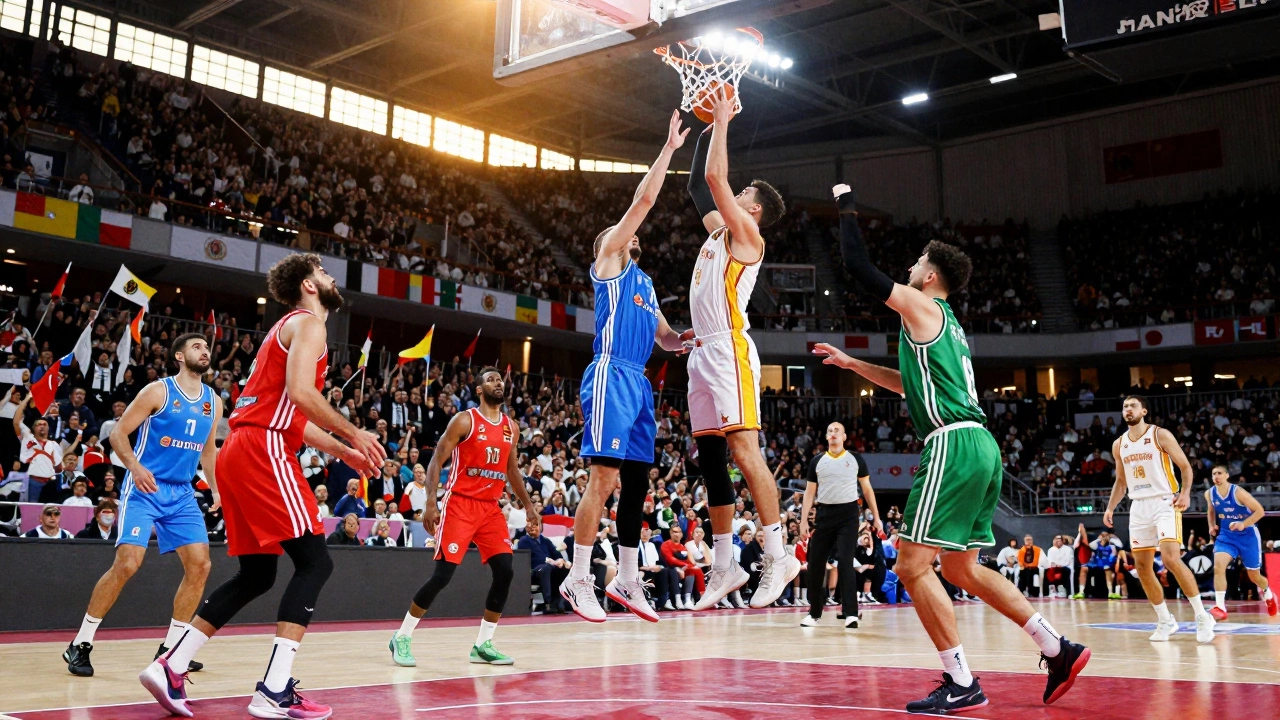
While the G League is the official "minor league," many players skip it entirely and head overseas. In fact, some of the best basketball in the world outside the NBA is found in Europe. Leagues like the Turkish Basketball Super League, the Spanish Liga ACB, and the German Basketball Bundesliga offer competitive environments that often rival the physicality of the NBA.
Why do players choose these leagues over the G League? Money and stability. A veteran player might earn significantly more in Spain or Turkey than in the American minor leagues. Additionally, the tactical style of European basketball emphasizes team play and fundamentals, which can help refine a player's skill set in ways that the fast-paced G League sometimes does not. Many NBA stars, including Dirk Nowitzki and Giannis Antetokounmpo, honed their craft in these international circuits before joining the NBA.
The College Pipeline: NCAA Division I
In the United States, the most common path to the NBA is through NCAA Division I basketball. While technically amateur, the competition level at top schools like Duke, Kentucky, and Kansas is incredibly high. Players spend one to four years here, improving their skills while gaining exposure to NBA scouts.
The NCAA serves as a filter. Only the top percentage of college players get drafted or signed as free agents by NBA teams. For those who go undrafted, the journey doesn't end there. They often enter the NBA Summer League or sign with G League teams to prove they belong at the professional level. This creates a continuous loop where college talent feeds into the minor leagues, which then feed into the NBA.
Other Domestic Options: TBT and TheBIG3
Beyond the G League, there are other unique competitions in the US. The Basketball Tournament (TBT) is a massive summer event with a $1 million grand prize. It attracts former NBA players, current college stars, and international pros. Winning TBT can revive a career and catch the eye of NBA general managers looking for depth.
Then there is TheBIG3, founded by Ice Cube. This league features three-on-three basketball with older veterans, mostly ex-NBA players. While it doesn't serve as a traditional developmental league, it provides visibility and keeps former pros active and in shape, occasionally leading to coaching roles or ambassador positions within the NBA ecosystem.

How Players Move Between Leagues
The movement of players between these leagues is fluid. An NBA team might assign a rookie to the G League for ten days to build confidence. Later, that same player might be traded to a European club if he doesn't make the NBA roster. Conversely, a veteran from Italy might join the G League specifically to showcase his skills to American coaches before signing an NBA contract.
This interconnectedness means that "below the NBA" isn't a dead end; it's a dynamic network. Scouts monitor all these leagues closely. A breakout performance in the German Bundesliga or a standout game in the G League All-Star Weekend can change a player's trajectory overnight.
Frequently Asked Questions
Is the G League considered a minor league?
Yes, the NBA G League is the official minor league of the NBA. It functions similarly to Minor League Baseball, providing a structured environment for player development and serving as a direct feeder system for NBA rosters through two-way contracts and call-ups.
Can you go straight from the G League to the NBA?
Absolutely. Many players have been called up directly from the G League to the NBA, especially during the regular season when injuries occur. Some players even start their careers in the G League after going undrafted and eventually secure full-time NBA contracts based on their performance.
Which international leagues are best for NBA prospects?
The top international leagues for NBA prospects include the EuroLeague, the Turkish Basketball Super League, the Spanish Liga ACB, and the Greek Basket League. These leagues offer high-level competition, strong scouting presence, and opportunities to play against seasoned professionals.
What is the difference between the D-League and the G League?
There is no structural difference; the D-League was simply renamed the G League in 2017 after Gatorade became the title sponsor. The league expanded significantly since the rebranding, adding more teams and strengthening its ties with NBA franchises.
Do NBA teams own G League teams?
Many NBA teams fully own their G League affiliates, such as the Boston Celtics owning the Maine Celtics. Others have partial ownership or formal partnership agreements. This ownership structure ensures alignment in coaching philosophies and player development strategies.