Running Shoes November 15, 2026
Can You Just Walk in Running Shoes? The Truth About Comfort and Support
Running Shoe Walker Suitability Calculator
Not sure if that pair of running shoes is right for your daily walks? Answer a few questions about your shoes and feet to get a personalized suitability score.
Your Running Shoes
Most standard running shoes are 8-12mm. Racing flats are often 0-4mm.
Your Feet & Usage
Suitability Score
0%
Verdict
Detailed Analysis:
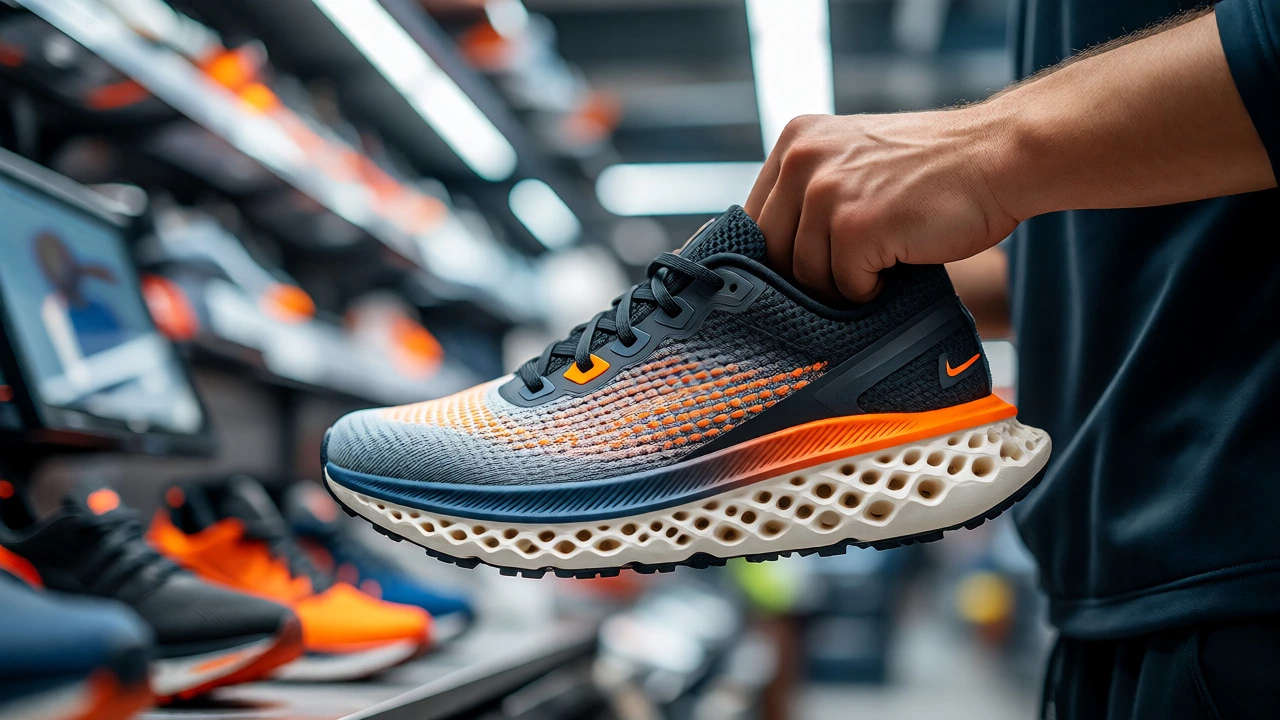
You’re standing at the checkout of a sports store, holding a pair of bright, bouncy running shoes that promise to make you feel like you’re floating on clouds. You don’t run much-maybe once a week if you’re lucky-but they look cool, and everyone says they’re comfortable. So, can you just walk in them? Is it harmless, or are you secretly sabotaging your feet?
The short answer is yes, you absolutely can walk in running shoes. For most people, it’s perfectly fine and often more comfortable than wearing stiff dress shoes or flat sneakers. But here’s the catch: running shoes are engineered for a specific type of movement. Walking is different from running. If you plan to wear them every single day for long walks, there are some nuances about fit, support, and longevity you need to know before you lace up.
The Biomechanical Difference Between Walking and Running
To understand why this question matters, you have to look at how your body moves. When you run, you spend about 30-40% of your time airborne. Your foot strikes the ground with force equivalent to three times your body weight. Running is a high-impact activity that requires significant shock absorption and forward propulsion. Because of this, running shoes are built with thick, soft midsoles (the foam layer between the outsole and your foot) to cushion those heavy impacts.
Walking, on the other hand, is a low-impact activity. You always have one foot on the ground. The forces involved are much lower, typically only 1-1.5 times your body weight. More importantly, the mechanics of the gait cycle differ. In running, you land on your heel or midfoot and roll forward to push off from your toes. In walking, you heel-strike, roll through the midfoot, and push off from the big toe. This rolling motion requires the shoe to flex easily at the forefoot.
Many modern running shoes, especially those designed for speed or maximum cushioning, are stiff. They might have carbon plates embedded in the midsole to act as a spring for runners. If you try to walk in a stiff, plate-loaded shoe, your foot has to work harder to bend the sole. This can lead to calf strain or discomfort in the arch over long distances because the shoe isn’t allowing your natural foot mechanics to happen smoothly.
Why Running Shoes Might Actually Be Great for Walking
Despite the biomechanical differences, many walkers prefer running shoes for good reason. Traditional walking shoes can sometimes be heavy, bulky, or lack sufficient cushioning for hard surfaces like concrete. Modern running shoes offer superior technology that benefits casual walkers:
- Lightweight Materials: Most running shoes use breathable mesh uppers that keep your feet cooler than leather or synthetic walking shoes.
- Superior Cushioning: Technologies like Nike Air, Adidas Boost, or Hoka Clifton foam provide excellent protection against joint pain, which is helpful if you have arthritis or plantar fasciitis.
- Arch Support: Many running shoes come with structured arch support that helps maintain proper alignment during long periods of standing or walking.
If you’re walking on pavement, the extra cushioning in a running shoe can reduce fatigue significantly. A study published in the Journal of Applied Biomechanics found that highly cushioned shoes can reduce metabolic cost during walking for certain individuals, meaning you might actually feel less tired after a long walk if your shoes absorb the shock well.
The Pitfalls: When Running Shoes Are Bad for Walking
It’s not all sunshine and cloud-like foam. There are specific scenarios where wearing running shoes for walking can cause issues. The biggest problem is the "rocker" geometry. Many max-cushion running shoes have a curved sole shape designed to help runners roll forward quickly. While this helps runners, it can make walking feel unstable or unnatural for some people, causing balance issues or ankle strain.
Another issue is durability. Running shoes are optimized for forward motion. Their tread patterns are often minimal because runners don’t need aggressive grip for straight-line sprinting. If you’re walking on uneven terrain, trails, or wet surfaces, a dedicated trail shoe or hiking boot will provide better traction and stability. Running shoes also tend to wear out faster when used for non-running activities because the foam compresses differently under constant pressure rather than intermittent impact.
Finally, consider the drop. Running shoes often have a higher heel-to-toe drop (8-12mm), which lifts the heel relative to the toe. This shifts your posture slightly forward. For short walks, this is negligible. But for someone with tight Achilles tendons or calf muscles, a high-drop shoe worn all day might exacerbate tension. Conversely, some minimalist running shoes have zero drop, which can strain the calves if you aren’t accustomed to it.
Choosing the Right Shoe for Daily Wear
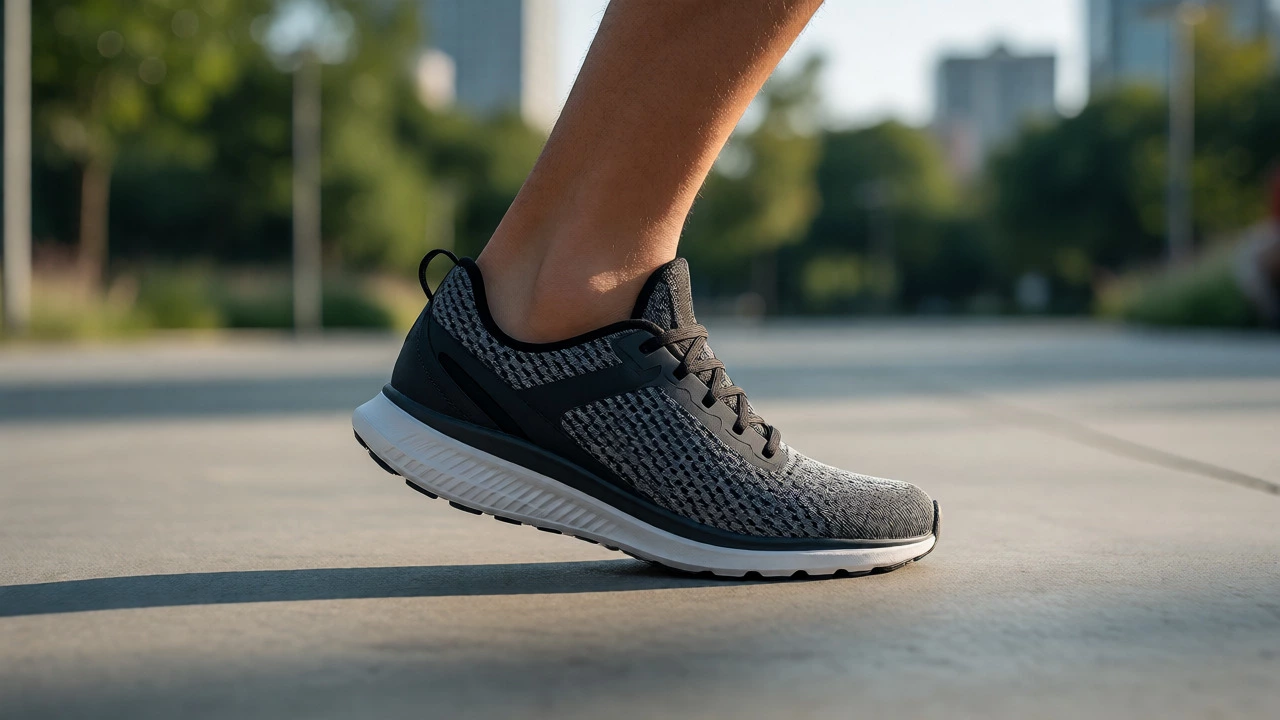
If you decide to go with running shoes for your daily strolls, you need to pick the right type. Not all running shoes are created equal. Here is a breakdown of what to look for based on your primary activity.
| Feature | Daily Trainer Running Shoe | Racing/Carbon Plate Shoe | Dedicated Walking Shoe |
|---|---|---|---|
| Cushioning Level | Moderate to High | High but Stiff | Moderate |
| Flexibility | Good | Poor (Stiff) | Excellent |
| Weight | Light | Very Light | Moderate |
| Best For | Gym, Casual Walking, Short Runs | Speed Workouts, Races | All-Day Standing, Long Walks |
| Durability for Walking | High | Low (Foam breaks down fast) | High |
Look for a "daily trainer." These are the workhorses of the running world, like the Brooks Ghost, ASICS Gel-Nimbus, or New Balance Fresh Foam. They offer a balanced mix of cushioning and flexibility. Avoid super-lightweight racing flats or shoes with rigid carbon plates unless you are specifically using them for exercise. The stiffness that helps a runner explode off the track will make your ankles work overtime when you’re just trying to get to the bus stop.
How to Fit Running Shoes for Walking
Fitting rules change slightly when you switch from running to walking. When you run, your feet swell and slide forward, so you need about a thumb’s width of space in the toe box. For walking, you still want room, but excessive length can cause your foot to slide around inside the shoe, leading to blisters or black toenails.
Try this simple test: Stand up in the shoe. Wiggle your toes. There should be enough room that your toes aren’t crushed, but not so much that your foot slides forward when you lean back. Also, check the heel lock. Runners often tighten laces aggressively to prevent slippage during sprints. For walking, you want a snug fit that doesn’t cut off circulation. If you feel pressure points on the top of your foot, loosen the laces or try a different lacing pattern.
Don’t forget about socks. Thick cotton socks bunch up and cause friction. Use moisture-wicking synthetic or merino wool socks. They keep your feet dry and reduce the chance of blisters, regardless of whether you’re running or walking.
The Rotation Strategy: Why One Pair Isn’t Enough
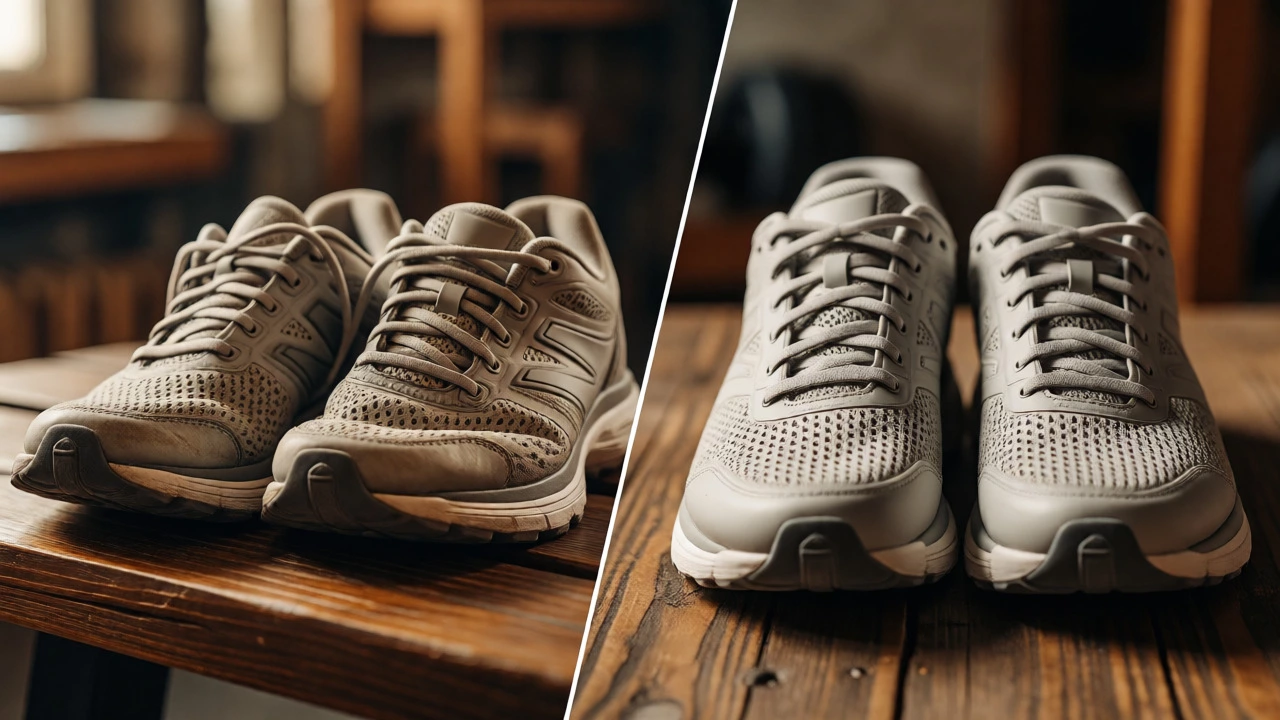
Here’s a pro tip that applies to both runners and walkers: rotate your shoes. Foam materials in shoes need time to decompress and regain their shape after being compressed by your weight. If you wear the same pair of running shoes every day for walking, the foam will break down faster, losing its ability to cushion your joints.
Aim to alternate between two pairs of shoes. This extends the life of both pairs and ensures consistent support. If you already have a pair of running shoes you love, buy a second pair. It’s cheaper than buying new orthotics or dealing with knee pain later. Plus, having variety keeps things interesting. Maybe one pair is for gym days and another for weekend hikes.
Also, pay attention to the mileage. Even if the outside looks new, the internal foam may be dead. Most running shoes last between 300 to 500 miles. If you walk 5 miles a day, that’s roughly 60-100 days of use. Mark the date you bought them on the tongue with a marker. If they feel flatter or less responsive, it’s time to replace them, even if the tread looks fine.
Special Considerations for Specific Foot Conditions
If you have existing foot problems, the choice becomes more critical. People with flat feet (overpronation) need stability features. Some running shoes have medial posts or guide rails to prevent the arch from collapsing inward. Wearing a neutral, highly cushioned shoe without these supports might aggravate your condition during long walks.
Conversely, if you have high arches (supination), you need maximum cushioning to absorb shock because your feet don’t naturally spread the impact. A stiff walking shoe might feel too harsh. In this case, a plush running shoe is often the better choice.
Those with plantar fasciitis often find relief in shoes with a slight heel lift and firm arch support. Many running shoes provide this, but ensure the heel counter (the cup around your heel) is sturdy. A wobbly heel counter won’t stabilize your foot, no matter how much foam is under it.
Verdict: Should You Buy Them?
So, can you just walk in running shoes? Yes, and for many people, it’s the best option available. The combination of lightweight construction, breathable materials, and advanced cushioning makes them superior to traditional fashion sneakers or heavy boots for daily mobility.
Just be mindful of the type. Choose flexible, stable daily trainers over stiff, race-day speedsters. Rotate your pairs to extend their life. And listen to your body-if your calves start hurting or your arch feels strained, switch to a shoe with more flexibility or less drop. Your feet are complex machines; treating them with the right gear pays dividends in comfort and health.
Is it bad to wear running shoes for everyday use?
No, it is generally not bad. Running shoes offer excellent cushioning and support that can benefit everyday walking and standing. However, they may wear out faster than dedicated casual shoes due to the softer foams. Rotating pairs helps mitigate this.
Do running shoes help with back pain while walking?
Yes, for many people. The shock-absorbing properties of running shoe midsoles reduce the impact transmitted up the kinetic chain to the knees, hips, and lower back. This can alleviate discomfort associated with prolonged walking on hard surfaces.
Can I use running shoes for hiking?
For light trails and well-maintained paths, yes. Road running shoes provide good cushioning. However, for rugged terrain, mud, or steep inclines, dedicated trail shoes or hiking boots are better due to their aggressive tread patterns, reinforced toe caps, and waterproof membranes.
How long do running shoes last if I only walk in them?
While walking causes less impact damage than running, the foam still degrades over time. Expect 6 to 12 months of regular daily use (3-5 miles per day). Watch for loss of rebound in the midsole or uneven wear on the outsole as signs it's time to replace them.
Are expensive running shoes worth it for walking?
Not necessarily. Mid-range models ($100-$130) often provide the best balance of durability and comfort for walkers. Top-tier max-cushion shoes are great but may be overly soft or unstable for casual walking. Save the premium price tag for specialized performance needs.