
Sports Equipment October 18, 2026
The Big Four: Understanding Nike, Adidas, Puma, and Under Armour
Big Four Sportswear Matchmaker
Answer three quick questions to find the best brand for your specific needs.
Your Recommended Brand:
High ConfidenceKey Technologies to Look For:
Pro Tip:
Brand Profile
- Origin:
- Market Share:
- Best Sizing Note:
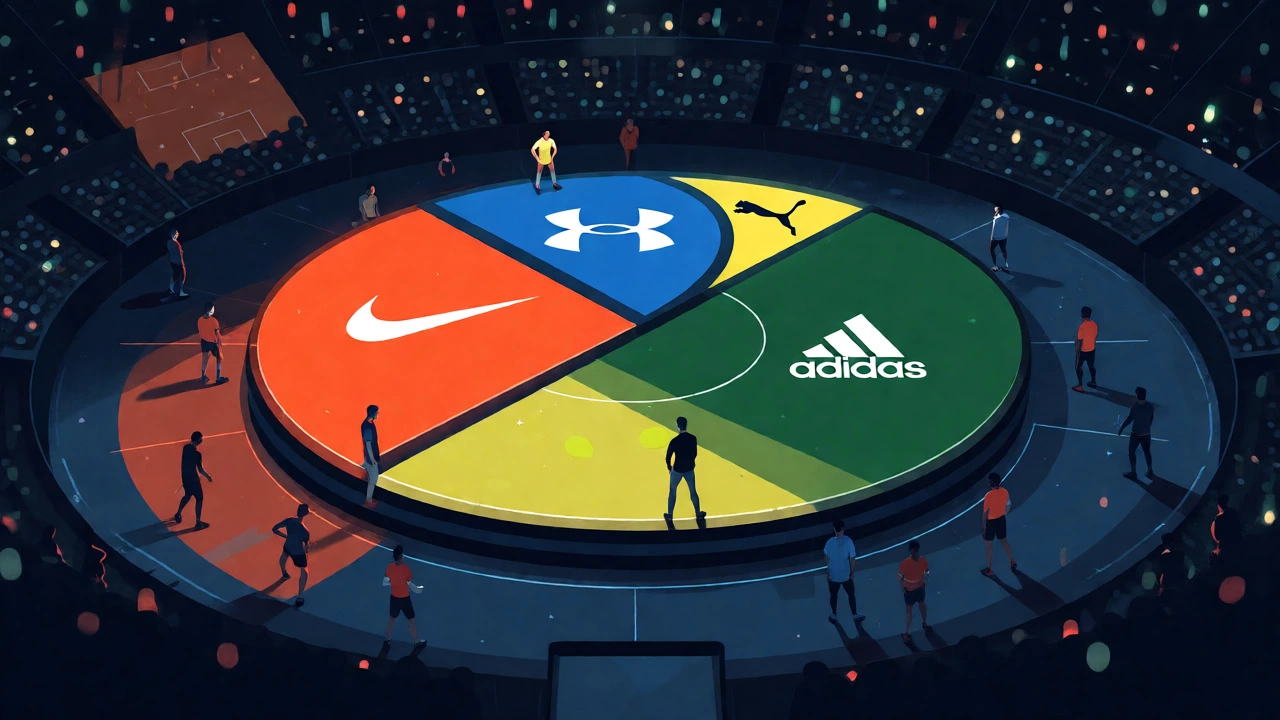
You walk into a sports store, and the walls are screaming at you. Red swooshes, three stripes, jagged cats, and U-shaped logos compete for your attention. It can feel like there are hundreds of choices, but if you look at who actually dominates the shelves, the revenue charts, and the professional athletes' feet, the list shrinks dramatically. When industry analysts talk about the "Big Four" in global sportswear, they aren't guessing. They are referring to four specific powerhouses that control the vast majority of the market outside of niche luxury collaborations.
But here is the catch: knowing their names isn't enough. You need to know what makes each one tick. Why does a marathon runner choose Nike over Adidas? Why has Under Armour struggled to keep pace with its European rivals? And where does Puma fit in when it seems to be everywhere in fashion but less so in high-performance gym gear?
This guide breaks down the four dominant players in the sports equipment and apparel world. We will look at their history, their core strengths, their weaknesses, and which one might actually be worth your money depending on what you are trying to achieve-whether that's running a sub-3-hour marathon or just looking sharp at the pub after work.
The Market Landscape: Who Actually Counts?
Before we dive into the individual brands, let's set the stage. The global sportswear market is valued at over $300 billion as of 2026. While thousands of brands exist, four companies account for nearly half of all branded athletic footwear and apparel sales worldwide. These are not just clothing manufacturers; they are technology companies that happen to sell clothes.
The hierarchy is clear:
- Nike: The undisputed king of marketing and innovation.
- Adidas: The European giant with deep roots in football (soccer) and lifestyle.
- Puma: The agile challenger focusing on speed and street culture.
- Under Armour: The American specialist that pioneered moisture-wicking synthetic fabrics.
Other names like New Balance, Asics, and Lululemon are massive, but they often occupy specific niches (running, yoga/lifestyle) rather than the broad, multi-sport dominance these four possess. If you are buying general-purpose sports gear, you are almost certainly interacting with one of these four ecosystems.
Nike: The Innovation Machine
If you ask anyone to name a sports brand, Nike is an American multinational corporation that designs, develops, and sells footwear, apparel, equipment, and accessories. Founded in 1964 as Blue Ribbon Sports by Bill Bowerman and Phil Knight, it rebranded to Nike in 1971. Today, it holds roughly 38% of the global athletic footwear market share.
What makes Nike different? It’s the obsession with data-driven performance. Take their Air Max technology, launched in 1987. It wasn’t just a cushioning system; it was a visible promise of comfort. Fast forward to today, and their ZoomX foam offers the highest energy return per dollar spent compared to almost any competitor. If you are a runner looking for maximum propulsion, Nike’s Vaporfly series changed the entire landscape of competitive running, sparking debates about "super shoes" that lasted years.
However, Nike isn’t perfect. Their pricing strategy is aggressive. A pair of top-tier basketball shoes can easily hit £150-£180. Furthermore, their sizing can be inconsistent. Many users report that Nike runs narrow, which is great for sprinters but terrible for people with wide feet. If you prioritize cutting-edge tech and brand prestige, Nike is usually the safe bet. But you pay for the Swoosh.
Adidas: The Heritage Powerhouse
Across the Atlantic, Adidas is a German multinational corporation that manufactures sports shoes, clothing, and accessories. Founded by Adolf Dassler in 1949, Adidas built its empire on football. For decades, if you wanted quality soccer boots, you bought Adidas. This heritage gives them a credibility in team sports that Nike struggles to match in Europe.
Adidas’ secret weapon is Boost technology. Introduced in partnership with BASF, this thermoplastic polyurethane (TPU) foam provides superior energy return and durability. Unlike Nike’s ZoomX, which feels soft and bouncy, Boost feels dense and responsive. It lasts longer. If you run daily on pavement, an Adidas Ultraboost will likely outlast a comparable Nike shoe by several hundred miles.
Adidas also dominates the "athleisure" space. Thanks to collaborations with celebrities like Kanye West (Yeezy, though the partnership ended) and Pharrell Williams, Adidas has successfully blurred the line between gym wear and streetwear. However, this focus on lifestyle sometimes dilutes their performance identity. Some pro athletes complain that Adidas prioritizes aesthetics over pure function in their latest releases. If you want a shoe that looks good off the court and performs well on it, Adidas is a strong contender.
Puma: The Speed Specialist
Often overlooked in the "Big Two" debate, Puma is a German company that produces athletic and casual footwear, apparel, and accessories. Founded by Rudolf Dassler, Adolf’s brother, after a famous family feud, Puma has carved out a unique lane. They don’t try to beat Nike in every category. Instead, they focus on speed and agility.
Puma’s Nitro foam technology is lightweight and reactive, making it ideal for sprinters and football players who need quick changes of direction. In recent years, Puma has made significant strides in women’s training and motorsport-inspired apparel. They sponsor major football clubs like Manchester City and AC Milan, leveraging that visibility to push their lifestyle lines.
Where Puma falls short is in breadth. Their running shoe lineup is smaller than Nike’s or Adidas’. If you need a specialized trail running shoe or a heavy-duty weightlifting belt, you might find Puma’s options limited. But for general fitness, football, and casual wear, Puma offers excellent value. Their products are often priced 10-15% lower than equivalent Nike models, without sacrificing too much quality.
Under Armour: The Performance Purist
Rounding out the four is Under Armour, an American manufacturer of sports-related clothing, footwear, and accessories. Founded in 1996 by Kevin Plank, Under Armour started with a simple problem: cotton t-shirts get sweaty and heavy during workouts. Their solution was the HeatGear compression shirt, which wicks moisture away from the body.
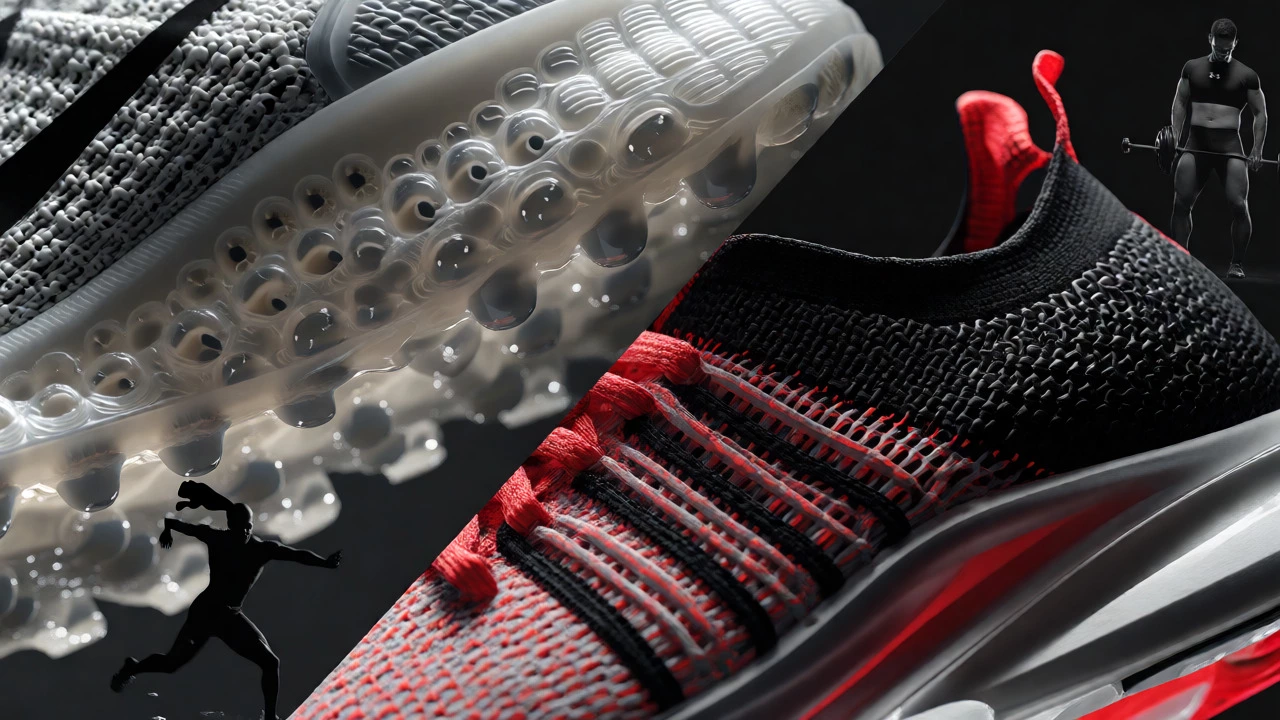
Under Armour positions itself as the choice for serious athletes who care more about function than fashion. Their HOVR and Flow technologies provide decent cushioning, but they lack the revolutionary bounce of Nike’s ZoomX or the durability of Adidas’ Boost. Where Under Armour shines is in compression wear and base layers. If you are lifting weights or doing CrossFit, their tight-fitting tops and shorts offer support and muscle containment that loose-fit competitors can’t match.
The downside? Under Armour has faced criticism for declining innovation in footwear. Many runners find their shoes stiff and unresponsive compared to modern standards. Additionally, their sizing tends to run small, requiring many customers to buy a size up. Despite these issues, their loyal following among college athletes and military personnel keeps them relevant. They are the brand for the grinder, not the showman.
Head-to-Head Comparison
Choosing between these brands depends entirely on your primary activity. Here is how they stack up against common needs.
| Feature | Nike | Adidas | Puma | Under Armour |
|---|---|---|---|---|
| Best For | Basketball, Running, Marketing | Football, Lifestyle, Durability | Speed, Agility, Casual Wear | Compression, Training, Cold Weather |
| Key Tech | Air, ZoomX, Flyknit | Boost, Primeknit, 4D Printing | Nitro Foam, NRGY | HeatGear, HOVR, Charged Cushioning |
| Price Range | High (£100-£200+) | Medium-High (£80-£180) | Medium (£60-£120) | Medium (£50-£110) |
| Sizing Fit | Narrow to True | True to Size | True to Size | Runs Small |
| Durability | Moderate (Performance focus) | High (Long-lasting foams) | Moderate | High (For apparel) |
How to Choose the Right Brand for You
Don’t buy based on logo alone. Match the brand to your biomechanics and goals.
Choose Nike if: You are a competitive athlete seeking marginal gains. If you are training for a marathon or playing high-level basketball, the energy return in their top-tier shoes is unmatched. Also, if you want the most recognizable status symbol in sports, Nike delivers.
Choose Adidas if: You play football or value longevity. If you run 5k three times a week, an Adidas shoe will last you six months longer than a similar Nike model. Their lifestyle range is also superior if you plan to wear your trainers to dinner.
Choose Puma if: You want style on a budget. Puma’s collaborations with Rihanna (Fenty) and other designers have made them a fashion staple. For general gym use, their gear is reliable and affordable. Just check reviews for specific running models before committing.
Choose Under Armour if: You lift weights or train in cold weather. Their thermal layering systems are some of the best in the business. If you hate baggy clothes getting in the way during deadlifts, UA’s compression fit is a game-changer.
Common Pitfalls to Avoid
Even with the big four, mistakes happen. First, ignore the hype around limited editions unless you are collecting. A £200 special edition shoe often performs no better than the £120 standard version. Second, never buy sports shoes online without checking the return policy. Fit varies wildly between brands, even within the same brand across different models.
Another trap is assuming expensive equals better. A £60 Puma trainer might be perfectly adequate for someone walking their dog or doing light cardio. Save the premium tech for high-intensity activities where joint impact matters.
Frequently Asked Questions
Which sports brand is the largest in the world?
Nike is currently the largest sports brand globally by revenue and market capitalization. As of 2026, it holds approximately 38% of the global athletic footwear market, significantly ahead of its closest rival, Adidas.
Is Adidas better than Nike for running?
It depends on your priority. Nike generally offers better energy return and lighter materials, making them preferred for racing and speed work. Adidas offers more durable cushioning (Boost), making them better for daily training and long-distance comfort over time.
Why is Under Armour considered a top sports brand?
Under Armour earned its place by inventing moisture-wicking compression fabric. While its footwear lags behind Nike and Adidas, its apparel, particularly base layers and training gear, remains highly respected for functionality and fit among strength athletes and military professionals.
Are Puma shoes good for gym workouts?
Yes, Puma offers solid value for general gym workouts. Their flat-soled trainers are suitable for weightlifting, and their lightweight running shoes work well for treadmill sessions. They are often more affordable than Nike or Adidas equivalents, offering good durability for casual fitness enthusiasts.
Do these brands manufacture all their own equipment?
No. Like most major consumer goods companies, Nike, Adidas, Puma, and Under Armour rely heavily on third-party manufacturing partners, primarily in Asia (Vietnam, China, Indonesia). They design the products and manage supply chains, but the physical production is outsourced.
Final Thoughts: Beyond the Big Four
While Nike, Adidas, Puma, and Under Armour dominate the headlines, remember that the best gear is the one that fits your foot and your wallet. Don’t let marketing convince you that you need the newest release every season. Assess your actual usage patterns. Are you a weekend warrior or a daily grinder? Do you care about aesthetics or raw performance?
The next time you stand in front of that wall of logos, take a breath. Look past the hype. Test the shoes. Check the specs. And maybe, just maybe, consider a niche brand like Hoka or On Running if your needs fall outside the mainstream. But for most people, sticking with one of the Big Four ensures you’re getting tested, proven technology backed by billions in R&D.