Sports Equipment October 15, 2026
What Is Required in Sports? Essential Gear and Safety Guide
Sports Readiness Checker
Select your sport below to view the essential gear, footwear, and regulatory requirements needed to stay safe and compliant.
Football Requirements
Compliance Warning: Missing required gear can lead to fines or match abandonment.
Essential Gear Checklist
Footwear & Safety Notes
General Rule of Thumb
Always verify local league rules before purchasing specialized equipment. Standards vary by region and age group.
You step onto the pitch, court, or track. Your heart is pounding. But before you make that first move, have you actually checked if you are legally and safely allowed to play? It’s a question many beginners overlook until they’re sent off for missing a shin guard or banned from a league for wearing the wrong footwear. Sports requirements are not just suggestions; they are the framework that keeps athletes safe and competitions fair. Whether you are joining a local Sunday league or training for a marathon, understanding what is required goes beyond just buying a jersey. It involves specific equipment standards, regulatory compliance, and physical prerequisites that vary wildly depending on the sport.
The Core Pillars of Athletic Participation
Think of sports participation as a three-legged stool. If one leg breaks, the whole structure collapses. The first leg is regulatory compliance. This includes age limits, medical clearances, and membership fees set by governing bodies like FIFA, World Athletics, or your local council. The second leg is equipment standards. This isn't about having the most expensive brand; it's about meeting minimum safety thresholds. A helmet without proper certification is just plastic. The third leg is physical readiness. You can have the best boots in the world, but if your body isn't prepared for the impact, you’re a liability to yourself and others.
Most people focus only on the gear. They buy a racket and think they are ready for tennis. But tennis requires more than a racket. It requires shoes with non-marking soles to protect court surfaces, appropriate clothing that doesn't restrict movement, and often, a level of skill verified by a coach or club assessment. Ignoring these layers leads to injuries, fines, or exclusion from matches.
Protective Gear: More Than Just Padding
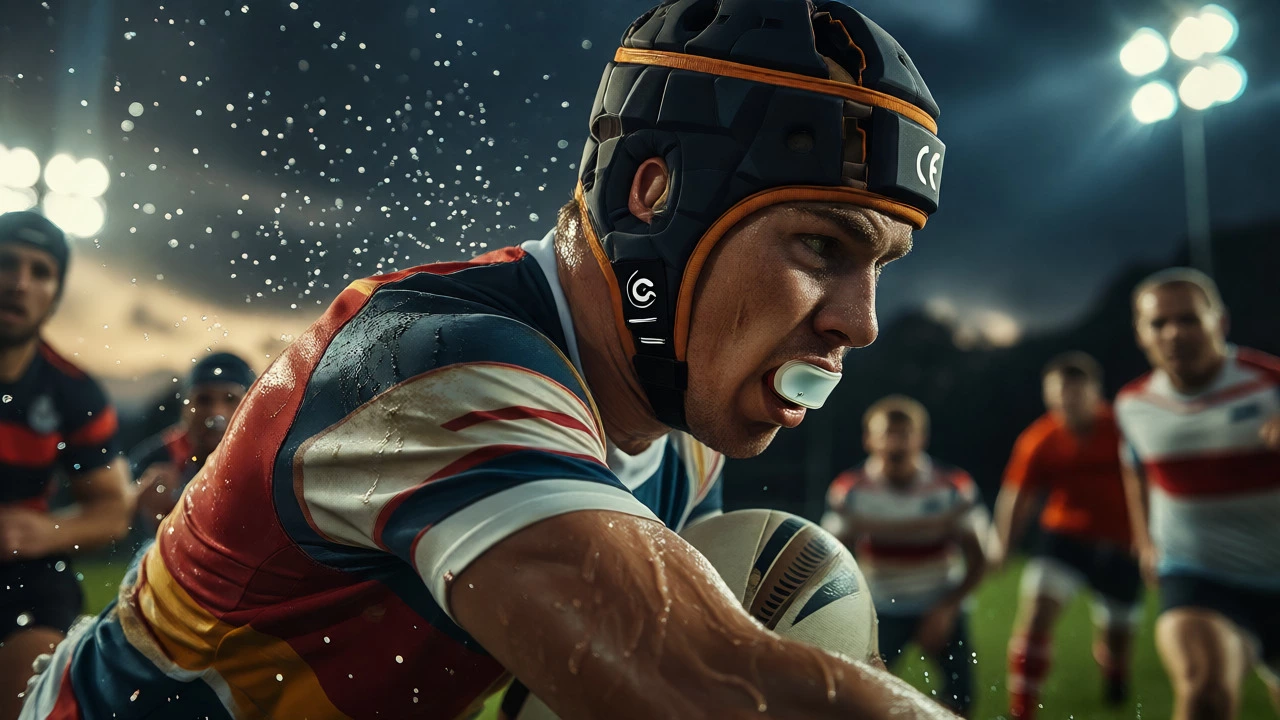
When we talk about protective equipment, we are talking about devices designed to reduce the risk of injury. In contact sports like rugby or American football, this is obvious. You need helmets, mouthguards, and shoulder pads. But what about low-contact sports?
In cricket, a batsman must wear pads, gloves, and a helmet. Missing any of these can result in being declared "not out" if hit by a ball, but more importantly, it risks severe trauma. In cycling, a helmet is often mandatory for insurance purposes in organized events. The British Standards Institution (BSI) sets strict guidelines here. A bike helmet marked EN 1078 is different from a climbing helmet marked EN 12492. Using the wrong type isn't just ineffective; it's dangerous because the energy absorption properties differ.
Let's look at mouthguards. Often dismissed as optional in amateur leagues, research suggests they significantly reduce the severity of concussions and dental injuries. Yet, many players skip them because they feel bulky. The requirement here is often dictated by league rules rather than physics. If your league mandates them, wearing a substandard, cheap version might technically satisfy the rule, but fail the safety intent. Always check if your gear carries the CE mark or equivalent regional safety certification.
Footwear Specifics That Can Get You Disqualified
Shoes are arguably the most critical piece of equipment for any athlete. They are the interface between your body and the ground. Requirements here are highly specific to the surface and the sport.
| Sport | Required Shoe Type | Critical Feature | Risk of Non-Compliance |
|---|---|---|---|
| Football | Studs/Boots | Molded plastic or metal studs (no aluminum in some youth leagues) | Fines, match abandonment |
| Basketball | High-top Sneakers | Ankle support, non-marking sole | Court damage fines, ankle sprains |
| Running | Road/Trail Shoes | Cushioning matched to mileage | Shin splints, stress fractures |
| Golf | Golf Shoes | Soft spikes or spikeless traction | Course fee penalties |
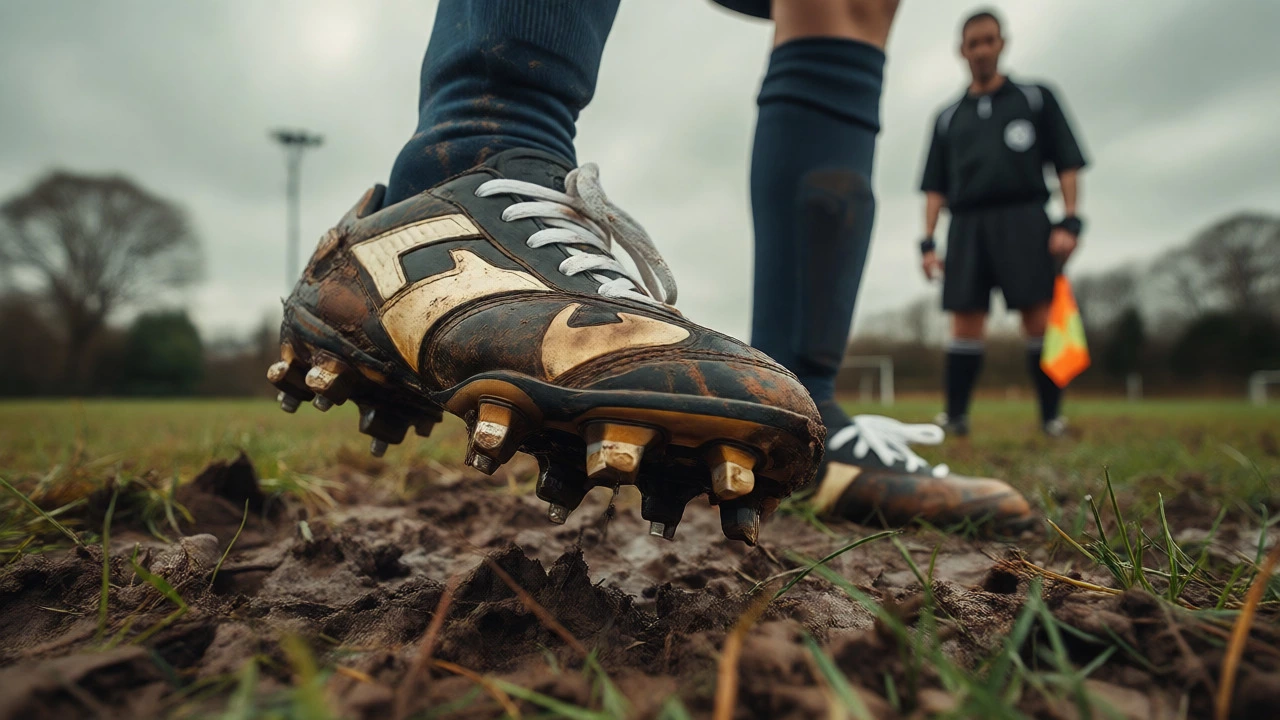
In football, the material of the studs matters. Many grassroots leagues ban metal studs for younger age groups because they cause deeper cuts and more serious injuries on muddy pitches. If you show up with metal studs in a plastic-stud-only league, the referee will send you off. It’s not a debate. It’s a rule.
For runners, the requirement shifts from external rules to internal biomechanics. While no official "rulebook" dictates shoe type for a casual jog, organized marathons often require timing chips attached to shoes. More importantly, using worn-out shoes violates the implicit requirement of safety. Most running shoes last 300-500 miles. Continuing past this point increases injury risk exponentially. Check the midsole compression regularly.

Apparel and Uniform Regulations
Your kit isn't just about looking good. Governing bodies enforce strict dress codes. In professional tennis, all-white attire was once mandatory at Wimbledon. While relaxed now, other tournaments still demand specific color contrasts between teams to ensure visibility for referees and spectators.
Material technology also plays a role. Modern sports apparel uses moisture-wicking synthetic blends like polyester or nylon. Cotton is often discouraged or even banned in high-intensity team sports because it retains sweat, becomes heavy, and causes chafing. Some leagues explicitly state that undergarments must be the same color as the outer shirt. This prevents distractions when a player lifts their arms during a serve or celebration.
Accessibility is another emerging requirement. For adaptive sports, such as wheelchair basketball, the chair itself is considered part of the uniform. It must meet specific classification criteria regarding seat height and wheel camber. Modifying a standard wheelchair without approval can lead to disqualification. This highlights how "equipment" blurs the line between personal gear and regulated apparatus.
Medical and Administrative Prerequisites
Before you touch any equipment, you usually need paperwork. This is the invisible layer of sports requirements. Most clubs require a signed waiver acknowledging the risks involved. In the UK, this often ties into insurance coverage provided by national governing bodies.
Some sports require medical certificates. Contact sports like boxing or martial arts typically mandate a pre-participation physical examination (PPE). This checks for heart conditions, joint stability, and vision acuity. If you have asthma, you might need an inhaler on hand during every session. Failing to carry prescribed medication can result in suspension from play.
Age verification is strictly enforced in youth sports. Playing in an older age bracket to gain a competitive advantage is known as "age fraud." Governing bodies use birth certificates and school records to verify eligibility. If caught, the entire team can forfeit points. This administrative burden ensures fairness, which is a core value of sportsmanship.
Environmental and Facility Constraints
What is required depends heavily on where you are playing. Indoor vs. outdoor changes everything. Indoor soccer requires flat-soled shoes to prevent floor damage. Outdoor soccer allows cleats. Tennis balls used indoors are often pressurized differently than those used outdoors due to temperature and humidity effects on bounce.
Lighting requirements affect evening games. A field must meet lux levels to ensure player safety. If the floodlights are dim, the referee may postpone the match. Similarly, water availability is a basic requirement. Hydration stations are mandatory in long-distance events. Not providing them can violate health and safety laws for event organizers.
Weather conditions also dictate requirements. Lightning protocols halt play immediately. Players must know the evacuation routes. In extreme heat, hydration breaks are mandated by FIFA guidelines. These environmental factors are dynamic requirements that change minute by minute.
Technology and Data Tracking
The modern era has added new requirements: data tracking. GPS vests are common in professional football and rugby. These small devices monitor distance covered, speed, and acceleration. While not always mandatory for amateurs, they are becoming standard for performance analysis. You need to charge them, sync them, and sometimes pay for subscription software.
VAR (Video Assistant Referee) systems require specific camera angles and frame rates. For lower-level leagues adopting tech, this means installing reliable internet connections and monitoring screens. The requirement here shifts from physical gear to digital infrastructure. Without stable connectivity, the system fails, potentially delaying decisions or causing errors.
How to Audit Your Own Readiness
So, how do you ensure you meet all requirements? Start with a simple checklist before every season or major event.
- Check League Rules: Download the current year's handbook. Look for "Equipment Regulations."
- Inspect Gear Condition: Are your helmet straps frayed? Are your shoe treads worn smooth? Replace if compromised.
- Verify Certifications: Ensure protective gear has valid safety marks (CE, ASTM, etc.).
- Update Medical Info: Confirm your emergency contacts and allergies are on file with your club.
- Test Technology: If you use trackers, update apps and charge batteries before game day.
This proactive approach saves money and hassle. Replacing a broken shin guard after a fine costs less than paying the fine plus the replacement.
Do I really need specific shoes for each sport?
Yes, absolutely. Each sport places unique stresses on your feet and ankles. Running shoes are designed for forward motion and cushioning, while basketball shoes offer lateral support for side-to-side movements. Wearing running shoes for basketball increases the risk of ankle rolls because they lack the necessary stability. Furthermore, indoor courts often prohibit black-soled shoes to prevent scuff marks, making compliance a facility requirement.
What happens if my equipment fails safety standards?
If your equipment does not meet the required safety standards (such as lacking a CE mark), you may be barred from participating in official matches. In recreational settings, you might face a warning. However, in case of an injury, inadequate equipment could affect insurance claims. Insurers may argue that negligence in gear selection contributed to the severity of the injury, potentially reducing compensation.
Are mouthguards mandatory in all contact sports?
Not in all, but in many. Rugby union mandates mouthguards for all players. Hockey requires them for field players. In boxing, they are essential for both protection and legal compliance. Even in non-contact sports like lacrosse or netball, many coaches strongly recommend them due to accidental collisions. Always check your specific league's rulebook, as amateur variations exist.
Can I wear jewelry while playing sports?
Generally, no. Most governing bodies prohibit rings, earrings, necklaces, and watches. This is primarily for safety-jewelry can catch on opponents' kits or skin, causing lacerations or degloving injuries. There are rare exceptions for religious symbols, but these must be taped down securely and cannot protrude. Failure to remove jewelry can result in a caution or temporary suspension until it is removed.
How often should I replace my sports equipment?
It depends on usage intensity. Running shoes typically need replacement every 300-500 miles. Helmets should be replaced after any significant impact, even if no visible damage exists, as the foam liner compresses permanently. Bicycle tires wear based on tread depth, while rackets lose tension over time. Regular inspection is key. If you notice cracks, thinning, or loss of elasticity, replace the item immediately to maintain safety compliance.