Gym Workouts September 20, 2026
What Burns the Most Belly Fat? The Truth About HIIT, Weights, and Diet
Belly Fat Burn Strategy Calculator
Your Profile
Poor sleep (<6h) increases cortisol and belly fat storage.
High stress elevates cortisol, promoting abdominal fat storage.
Daily Calorie Target
To lose ~0.5kg of fat per week:
-- kcal
Protein Goal: -- g/day
Weekly Workout Blueprint
Optimized for visceral fat reduction & muscle preservation:
Lifestyle Adjustment
--
Enter your details to generate a personalized plan targeting visceral fat through HIIT, Strength Training, and Diet.
You’ve probably heard it a thousand times: do crunches to lose belly fat. It’s one of the biggest myths in fitness. You can’t spot reduce fat, no matter how many sit-ups you grind out. Your body decides where to pull energy from based on genetics and hormones, not which muscle you’re working. So, if your goal is to shrink that midsection, you need to change the strategy entirely.
The real answer isn’t a single magic exercise. It’s about maximizing calorie burn during and after your workout, while simultaneously improving your metabolic health. Let’s break down what actually works, backed by physiology rather than Instagram trends.
Understanding the Enemy: Visceral vs. Subcutaneous Fat
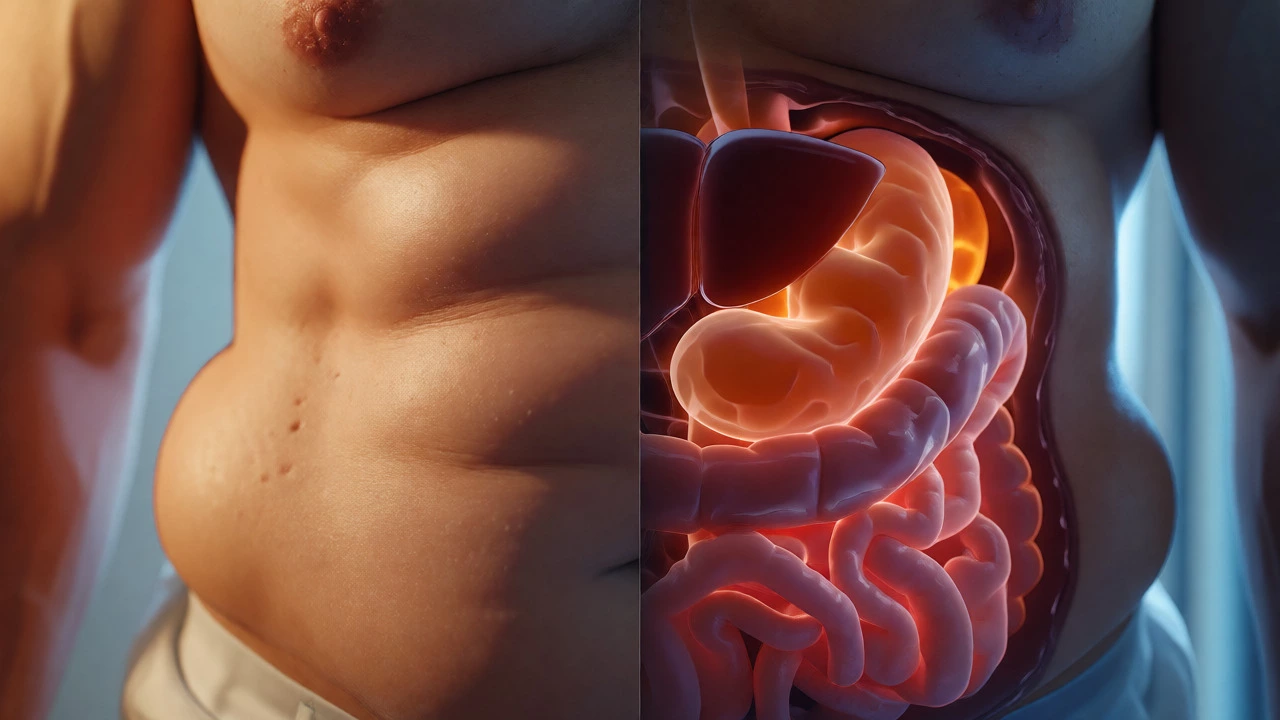
Before we talk about burning it, we need to know what we’re burning. Belly fat comes in two forms. First, there’s subcutaneous fat, which is the jiggly stuff you can pinch just under your skin. It’s annoying, but relatively harmless metabolically. Second, there’s visceral fat. This is the dangerous type. It wraps around your internal organs like the liver and intestines. It’s hard, deep, and pushes your belly out even if you’re thin elsewhere.
| Feature | Subcutaneous Fat | Visceral Fat |
|---|---|---|
| Location | Under the skin (abdomen, hips, thighs) | Around internal organs |
| Health Risk | Low (mostly cosmetic) | High (linked to diabetes, heart disease) |
| Response to Exercise | Slow to reduce | Responds quickly to cardio and HIIT |
Here’s the good news: visceral fat is metabolically active. It responds faster to exercise than subcutaneous fat. If you start moving correctly, you’ll likely see health markers improve before you see a six-pack. That’s progress.
Why High-Intensity Interval Training (HIIT) Wins for Time Efficiency
If you ask trainers what burns the most calories per minute, they’ll almost always point to High-Intensity Interval Training or HIIT. Unlike steady-state jogging, HIIT alternates short bursts of near-maximum effort with brief recovery periods. Think sprinting for 30 seconds, walking for 60 seconds, repeated for 15-20 minutes.
Why does this work better for belly fat? Two reasons. First, the intensity triggers Excess Post-exercise Oxygen Consumption (EPOC). Your body stays in "burn mode" for hours after you leave the gym as it tries to return to homeostasis. Second, HIIT improves insulin sensitivity. Since high insulin levels lock fat cells shut, lowering insulin helps unlock those stores, particularly around the waist.
But don’t overdo it. HIIT is stressful on the central nervous system. Doing it every day leads to burnout. Aim for two to three sessions a week, keeping them under 25 minutes including warm-up.
Strength Training: The Metabolic Engine
Cardio burns calories while you do it. Strength training burns calories while you sleep. Muscle tissue is metabolically expensive. The more muscle you have, the more calories your body burns at rest. This is your Basal Metabolic Rate (BMR).
Focus on compound movements that recruit multiple large muscle groups. Squats, deadlifts, bench presses, and overhead presses require massive energy expenditure. A study published in the *Journal of Applied Physiology* found that resistance training preserved lean mass during weight loss, whereas aerobic exercise alone often resulted in losing both fat and muscle. Losing muscle slows your metabolism, making long-term fat loss harder.
You don’t need to become a bodybuilder. Lifting heavy things for low reps (5-8 range) builds dense muscle. Higher reps (12-15) with lighter weights improve endurance and caloric burn. Both help. The key is progressive overload-gradually increasing the weight or difficulty over time.

The Kitchen Rule: You Can’t Out-Train a Bad Diet
Let’s be blunt. If you’re eating 3,000 calories of processed sugar and fried food, no amount of burpees will fix your gut. Belly fat is heavily influenced by diet, specifically refined carbohydrates and added sugars. These spike blood glucose, trigger insulin release, and promote fat storage in the abdominal area.
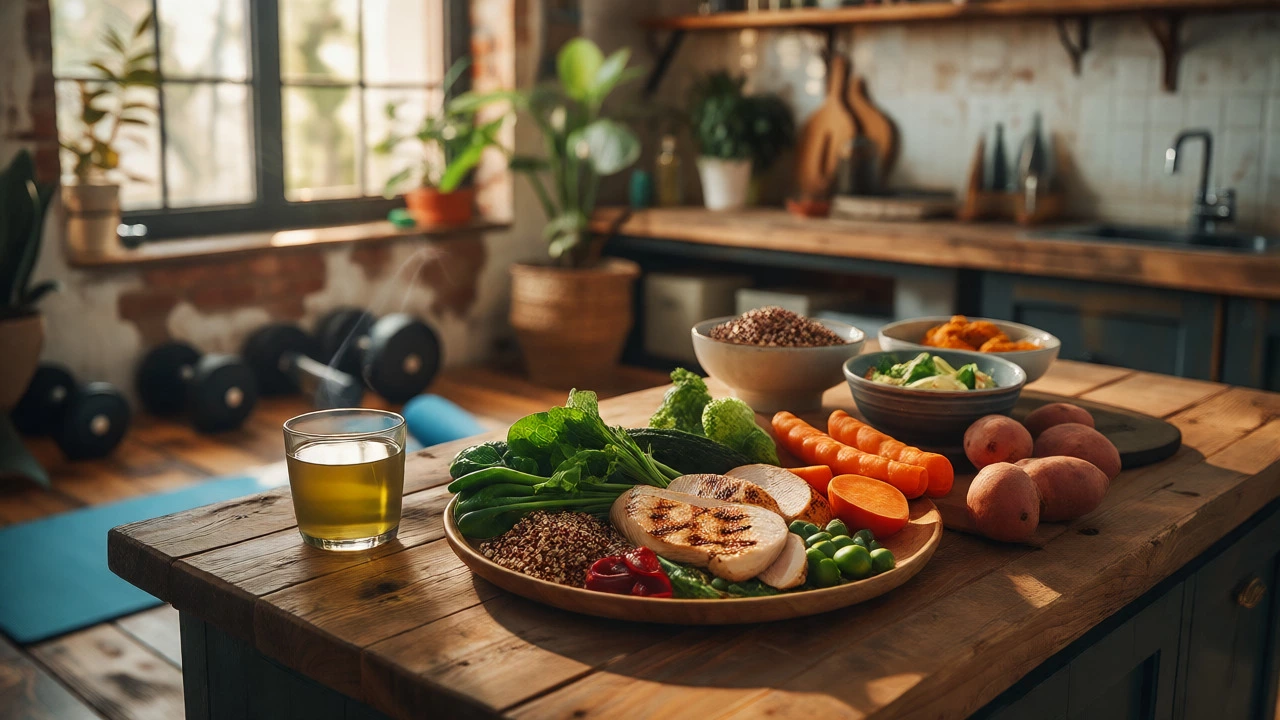
Protein is your best friend here. It has a high thermic effect, meaning your body uses more energy digesting protein than carbs or fats. It also preserves muscle during a calorie deficit. Aim for 1.6 to 2.2 grams of protein per kilogram of body weight daily. Fill half your plate with vegetables, a quarter with lean protein (chicken, fish, tofu, eggs), and a quarter with complex carbs (oats, sweet potatoes, quinoa).
Cut liquid calories. Sodas, fancy coffees, and fruit juices are empty calories that fly into your system without triggering satiety signals. Switch to water, black coffee, or green tea. Green tea contains catechins, antioxidants that may slightly boost metabolic rate and fat oxidation, though the effect is modest compared to diet changes.
Lifestyle Factors: Stress and Sleep Matter More Than You Think
You’re hitting the gym and eating clean, but the belly won’t budge? Check your stress levels. Chronic stress elevates cortisol, a hormone that encourages fat storage specifically in the abdominal region. Cortisol breaks down muscle tissue and increases appetite for sugary, fatty foods. It’s a vicious cycle.
Sleep plays a similar role. Lack of sleep disrupts ghrelin and leptin, the hunger and fullness hormones. When you’re tired, you crave high-calorie comfort foods. Studies show people who sleep less than six hours a night gain significantly more visceral fat over time than those who get seven to nine hours. Prioritize sleep hygiene: dark room, cool temperature, no screens an hour before bed.
Putting It All Together: A Weekly Blueprint
So, what should your week look like? Forget doing 100 crunches a day. Here is a realistic, sustainable approach for someone looking to reduce belly fat effectively:
- Monday: Full-body strength training (Squats, Push-ups, Rows). Focus on form and control.
- Tuesday: 20-minute HIIT session (e.g., Battle ropes, Kettlebell swings, or Sprint intervals).
- Wednesday: Active recovery. Go for a 45-minute brisk walk or light yoga. Keep moving, but keep intensity low.
- Thursday: Lower-body strength focus (Deadlifts, Lunges, Planks).
- Friday: Upper-body strength or another HIIT session if you feel recovered.
- Saturday/Sunday: Rest or leisure activity. Hiking, cycling, or playing sports with friends. Enjoy movement without the pressure of performance.
Consistency beats intensity every time. Missing one workout won’t ruin you. Quitting because you burned out will. Find a routine you can stick to for months, not weeks.
Frequently Asked Questions
Does doing abs exercises burn belly fat?
No, abs exercises strengthen the muscles underneath the fat but do not significantly burn the fat covering them. Spot reduction is a myth. To lose belly fat, you must create a overall calorie deficit through diet and full-body exercise.
How long does it take to see results from HIIT?
Most people notice improved stamina within two weeks. Visible changes in body composition typically appear after 4 to 8 weeks of consistent HIIT combined with proper nutrition. Visceral fat may decrease before visible subcutaneous fat loss occurs.
Is cardio better than weights for belly fat?
Neither is strictly "better." Cardio burns more calories during the session, while weights build muscle that boosts resting metabolism. The best approach combines both: strength training to preserve/build muscle and HIIT/cardio to increase total energy expenditure.
Can I eat whatever I want if I do HIIT?
No. HIIT is efficient but doesn't grant immunity to poor dietary choices. One hour of intense HIIT might burn 400-600 calories. A burger and fries can easily exceed 1,000 calories. Diet controls weight; exercise controls health and body composition.
Does stress really cause belly fat?
Yes. Chronic stress raises cortisol levels, which promotes fat storage in the abdominal area and increases cravings for high-sugar foods. Managing stress through sleep, meditation, or hobbies is crucial for effective fat loss.