General Sports January 25, 2026
What is Brazil best known for? Culture, nature, and sports beyond the pitch
Brazil isn’t just a country on a map-it’s a burst of color, rhythm, and raw energy that hits you before you even land. When people ask what Brazil is best known for, most jump straight to football. And sure, Pelé, Neymar, and that iconic yellow jersey are global symbols. But Brazil’s identity runs deeper than the World Cup trophies. It’s in the pulse of the samba, the green lungs of the Amazon, the chaos of Carnaval, and the quiet strength of its people. This isn’t a list of tourist brochures. This is what actually defines Brazil-beyond the headlines.
Football isn’t just a sport-it’s a religion
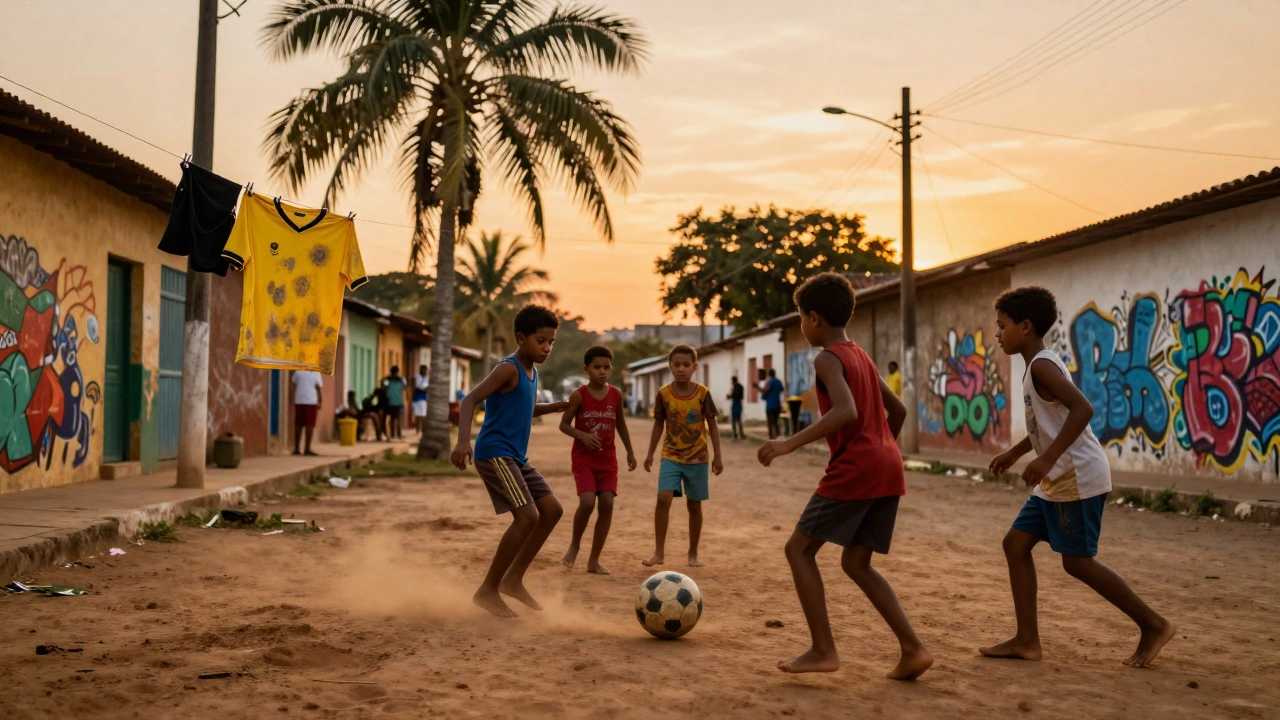
There are over 200 million people in Brazil. Almost every one of them has a favorite team. The country has won the FIFA World Cup five times-more than any other nation. But it’s not the trophies that matter most. It’s how football lives in everyday life. Kids play barefoot on dusty streets. Grandfathers argue over tactics over caipirinhas. The Maracanã Stadium in Rio holds nearly 80,000 fans, and when the national team scores, the whole country stops. You don’t just watch football in Brazil-you feel it in your chest. The style? Fluid, creative, unpredictable. It’s called ginga-a dance-like movement that blends skill with soul. That’s why Brazil produces more world-class dribblers than any other nation. It’s not coaching. It’s culture.
The Amazon: Earth’s most vital ecosystem
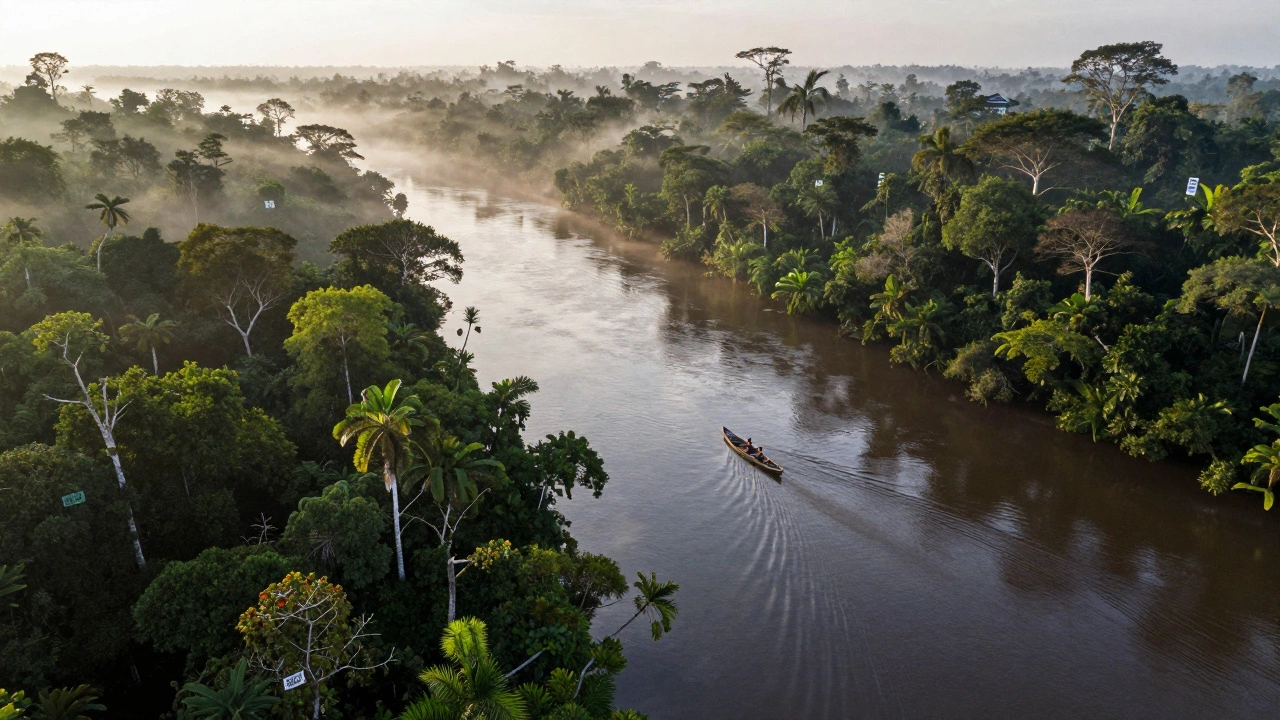
Half of the world’s remaining tropical rainforest is in Brazil. The Amazon isn’t just trees-it’s a living, breathing system that generates 20% of the planet’s oxygen and holds 15% of the world’s freshwater. It’s home to over 40,000 plant species, 1,300 bird species, and 40,000 insect species. Indigenous tribes who’ve lived here for thousands of years still protect sacred lands against illegal logging and mining. The river itself stretches over 6,800 kilometers-wide enough to be mistaken for a sea. You won’t find a place like this anywhere else. And while climate change threatens it, Brazil’s role as its guardian is critical to the entire planet’s survival.
Carnaval: The world’s biggest party
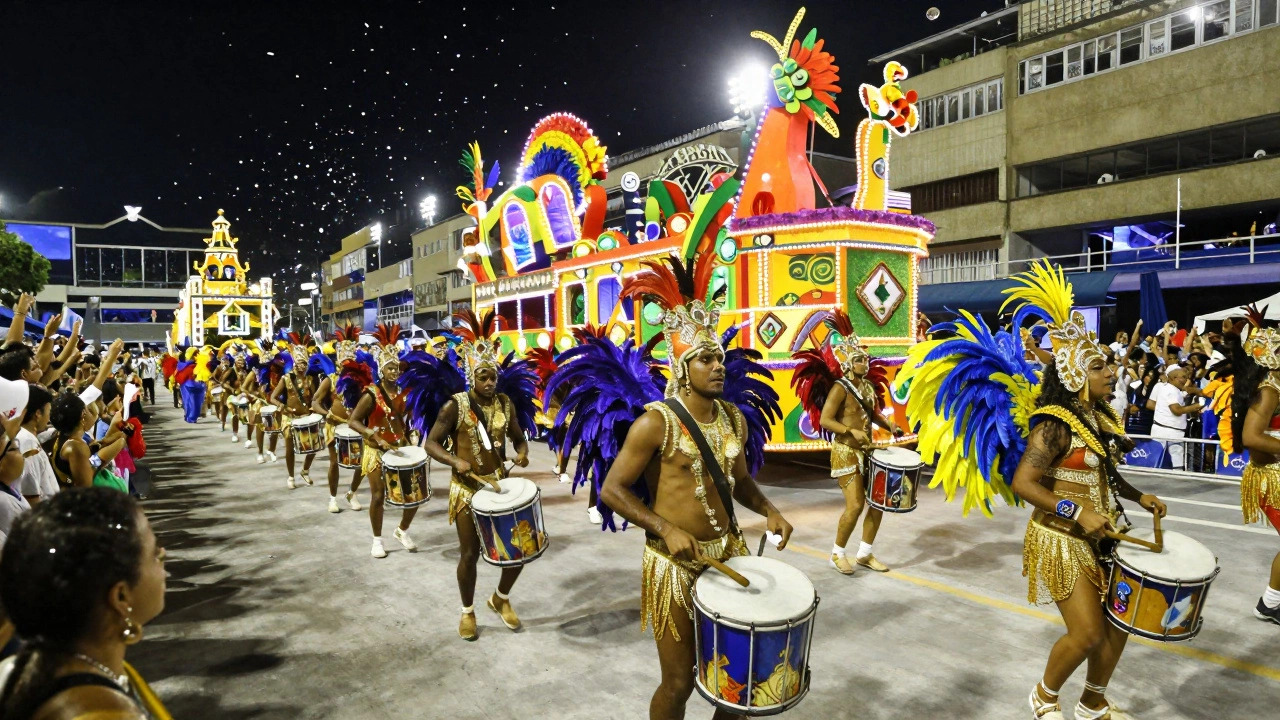
Picture this: 2 million people dancing in the streets of Rio on a single day. That’s just one city. Across Brazil, from Salvador to Recife, Carnaval turns cities into open-air stages. Samba schools spend all year preparing-designing costumes that cost more than a car, building floats taller than buildings, rehearsing choreography with hundreds of dancers. The music? Drums, brass, and voices that rise like a wave. It’s not just a festival. It’s a cultural statement. In the 1930s, Carnaval was banned for being too African. Today, it’s Brazil’s proudest export. The rhythm comes from enslaved Africans. The spectacle comes from Brazilian ingenuity. And every year, millions of visitors come-not to see a show, but to become part of it.
Brazilian cuisine: More than just churrasco
Yes, Brazil is famous for its grilled meats. Churrasco-slow-roasted beef, pork, and chicken-is a Sunday ritual. But the real food story is far richer. Feijoada, a black bean stew with pork, is the national dish, served with orange slices to cut the richness. Açaí bowls from the Amazon are now global, but in Brazil, they’re eaten for breakfast. Pão de queijo-cheesy bread balls made from cassava flour-are eaten with coffee at every corner bakery. And then there’s caipirinha, Brazil’s national cocktail: lime, sugar, and cachaça, a sugarcane spirit. Food here isn’t about fancy plating. It’s about sharing, tradition, and flavor that’s been passed down for generations.
Beaches that define a lifestyle
From Copacabana to Praia do Forte, Brazil’s coastline stretches over 8,500 kilometers. But it’s not just about sunbathing. Beaches here are living rooms. People play footvolley (a mix of soccer and volleyball), buy fresh coconut water from street vendors, and gather in circles to play music. Surfing is huge-Brazil has produced multiple world champions. In the north, you’ll find secluded islands with crystal water. In the south, the waves are colder, the crowds fewer. The beach isn’t a destination-it’s a way of life. You’ll see families picnicking, teenagers dancing to funk carioca, and elderly men playing chess under palm trees. No other country blends natural beauty with social rhythm quite like this.
Sports beyond football
Football dominates, but Brazil’s sporting spirit doesn’t stop there. Volleyball is huge-Brazil’s men’s and women’s teams are consistently among the world’s best. The country has won multiple Olympic golds in beach volleyball. Jiu-jitsu? Developed in Brazil, now a global martial art. Brazil is also a powerhouse in motorsports-Ayrton Senna remains a legend, and Formula 1 races in São Paulo draw massive crowds. Even rugby, though not as popular, has grown. Brazil’s national team, the Tupis, competes in the Americas Rugby Championship and has quietly become one of the strongest sides in South America. The sport’s growth is tied to youth programs in Rio and São Paulo, where kids are discovering rugby through school initiatives. It’s not the main event-but it’s growing, fast.
Why Brazil matters
Brazil isn’t famous because it’s perfect. It’s famous because it’s alive. It’s messy, loud, vibrant, and deeply human. It’s the country where a child in a favela can become a world champion with nothing but a ball and a dream. Where the forest breathes for the planet. Where music turns protest into poetry. Where a single game of football can unite a nation-or break it apart. To understand Brazil, you don’t need to know its GDP or its political history. You just need to feel the rhythm. Listen to the drums. Taste the açaí. Watch the sunset over Ipanema. And realize-this isn’t just a place. It’s a feeling.
Is Brazil famous for rugby?
Brazil isn’t known globally for rugby like it is for football or Carnaval, but its national team, the Tupis, has been steadily growing. They compete in the Americas Rugby Championship and have improved significantly over the last decade, especially in youth development. Rugby is still a niche sport there, but it’s gaining traction in cities like São Paulo and Rio through school programs and local clubs.
What is Brazil’s most famous landmark?
Christ the Redeemer in Rio de Janeiro is Brazil’s most iconic landmark. Standing 30 meters tall on Corcovado Mountain, it overlooks the entire city and is one of the New Seven Wonders of the World. But many locals would argue the Amazon or the Iguazu Falls are more meaningful. The statue is symbolic; the natural wonders are alive.
Why is Carnaval so important to Brazil?
Carnaval is Brazil’s cultural heartbeat. It blends African, Indigenous, and European traditions into a massive celebration of identity. Historically, it was a way for marginalized communities to express themselves when they were silenced. Today, it’s a national pride event that draws millions and generates billions in tourism revenue. More than parties and costumes, it’s about belonging.
What makes Brazilian football unique?
Brazilian football is defined by creativity, improvisation, and joy. Unlike European teams that focus on structure and tactics, Brazilian players grow up playing on streets and beaches, learning to control the ball with flair. The term ginga describes this fluid, dance-like movement. It’s not taught-it’s inherited. That’s why Brazil produces more individual stars than any other country.
Is the Amazon really that important?
Yes. The Amazon rainforest produces 20% of the world’s oxygen, stores over 150 billion metric tons of carbon, and regulates global weather patterns. It’s also home to 10% of all known species. If it’s destroyed, the effects will ripple across continents-not just in Brazil. Protecting it isn’t a local issue. It’s a global emergency.