Sports Equipment July 30, 2026
What Sports Use Protective Equipment? A Complete Safety Guide
Protective Sports Equipment Guide
Select a sport to see the essential protective gear required for safety.
Primary Risk:
Essential Gear:
Optional/Advanced Gear:
You step onto the field, court, or ring with adrenaline pumping. But have you stopped to think about what’s between you and a broken bone? The answer isn’t just skill-it’s protective sports equipment. From the heavy padding in American football to the subtle mouthguards in soccer, safety gear is the unsung hero of modern athletics.
We often assume that only violent contact sports require armor. That’s a dangerous myth. High-speed cycling, precision shooting, and even recreational hiking rely on specialized gear to prevent catastrophic injuries. Understanding which sports demand protection-and why-can save your career, your health, or even your life.
The Heavy Hitters: Full-Contact Sports
When we talk about protective gear, our minds usually jump to the gridiron or the boxing ring. These sports involve direct, high-impact collisions where the body is both the weapon and the target. Here, equipment isn’t optional; it’s regulated by governing bodies like the NCAA and FIFA.
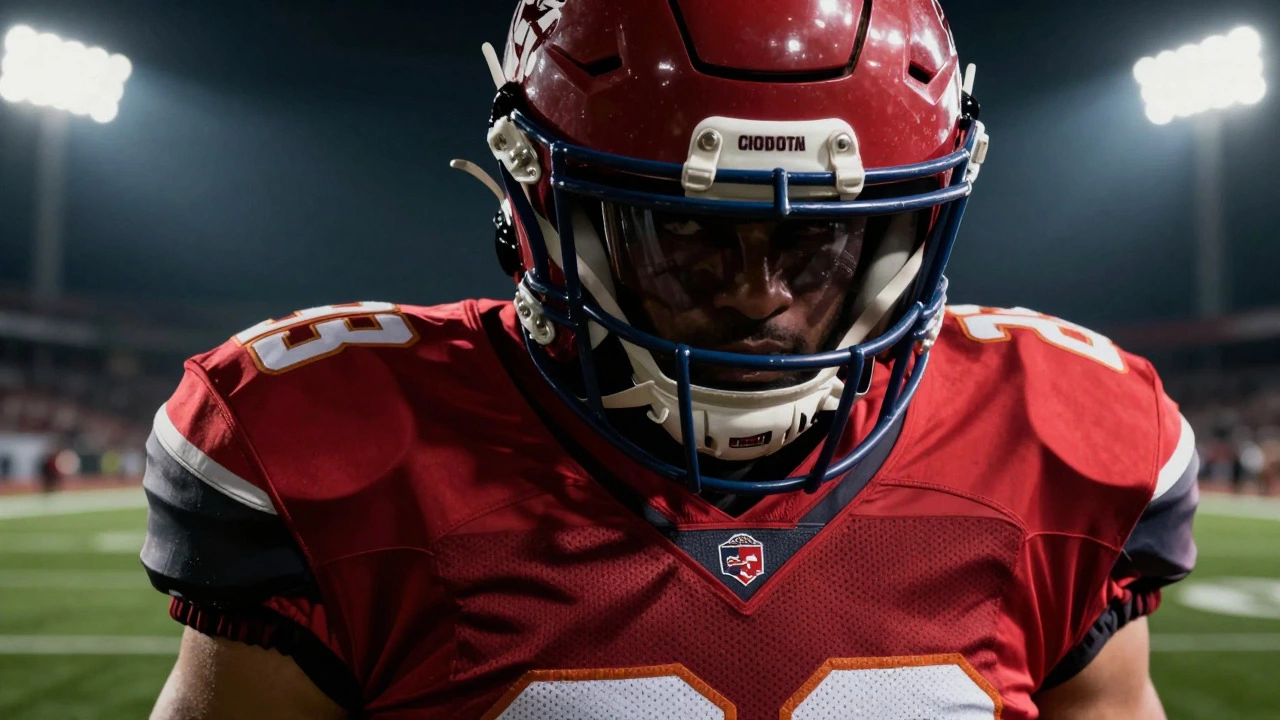
American Football is the gold standard for padded protection. Players wear hard-shell helmets with facemasks, shoulder pads, thigh pads, and tailbone protectors. The goal is to absorb kinetic energy from tackles that can reach speeds over 20 mph. Without this layering system, concussions and spinal injuries would be far more frequent.
Rugby, while less padded than its American cousin, relies heavily on soft-head guards, gum shields (mouthguards), and scrum caps. Unlike football, rugby players don’t wear hard helmets because they can cause neck injuries during rucks. Instead, the focus is on protecting teeth and reducing superficial head trauma.
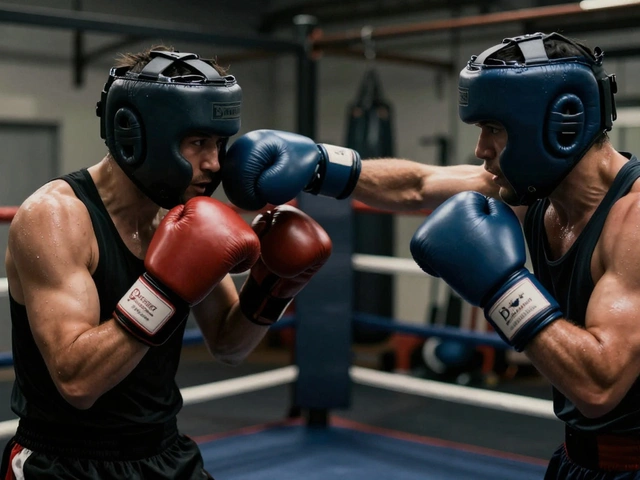
In Boxing and MMA, the face is the primary vulnerability. Boxers wear heavy leather gloves to cushion punches and headgear to reduce cuts and bruises. In Mixed Martial Arts, athletes use MMA-specific gloves that allow finger dexterity for grappling while protecting knuckles. Mouthguards are mandatory in both to prevent jaw fractures and dental loss.
- Helmets: Essential in football, optional but recommended in rugby.
- Mouthguards: Mandatory in almost all contact sports.
- Pads: Shoulder, hip, and knee pads vary by sport intensity.
Speed and Impact: Motorized and Wheeled Sports
Velocity changes everything. When you’re moving at 30+ miles per hour, a minor slip becomes a major accident. This is why motorized and wheeled sports prioritize aerodynamic yet rigid protection.
Motorsports (F1, MotoGP) use some of the most advanced tech in sports. Drivers wear multi-layered fire-resistant suits, HANS devices (Head and Neck Support), and carbon-fiber helmets. The HANS device prevents basilar skull fractures by limiting head movement during sudden deceleration. It’s a small plastic collar that has saved countless lives since its introduction.
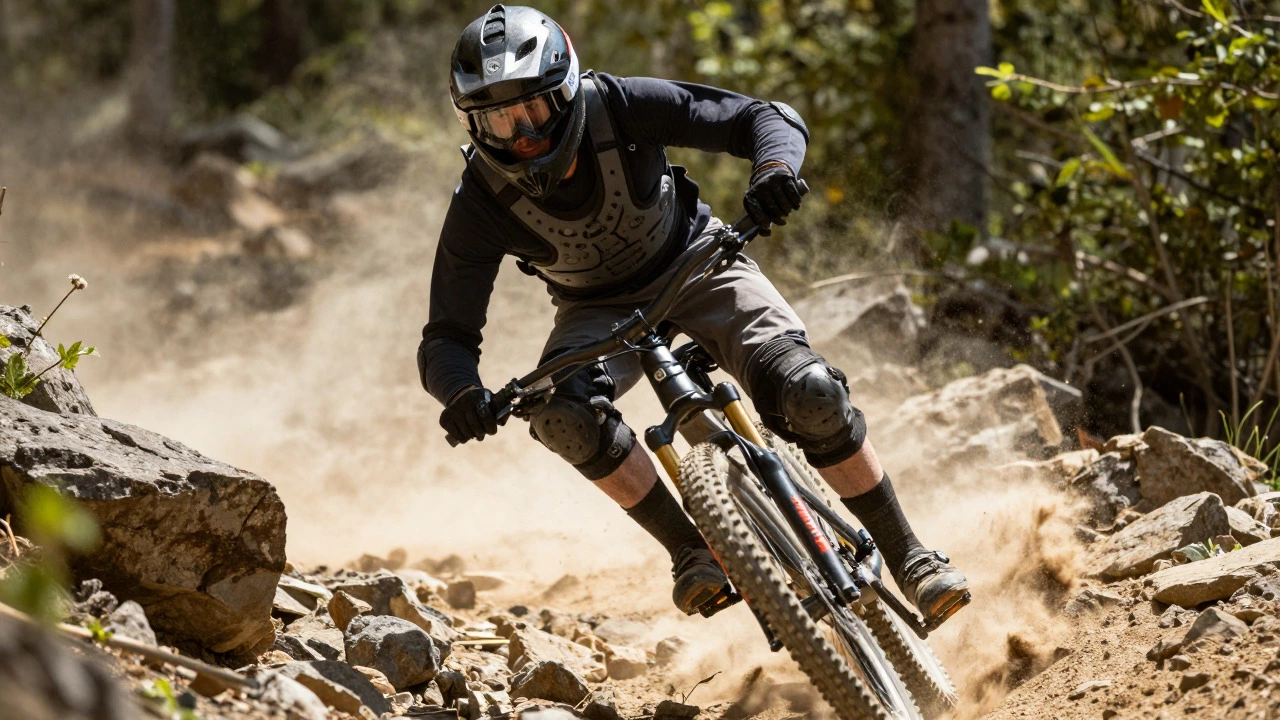
Cycling has seen a massive shift toward safety. Road cyclists now routinely wear aerodynamic helmets with MIPS (Multi-directional Impact Protection System). Mountain bikers go further, adding full-face helmets, elbow pads, knee pads, and chest protectors for downhill racing. The difference? Downhill biking involves jumps and rocks that can throw riders into obstacles at high speed.
Even Scooter and Skateboarding communities are adopting stricter norms. Young skaters wear wrist guards, knee pads, and helmets to mitigate falls on concrete. Wrist guards are particularly important because people instinctively put their hands out when falling, leading to Colles’ fractures.
| Sport | Primary Risk | Essential Gear | Optional/Advanced Gear |
|---|---|---|---|
| American Football | Concussion, Fractures | Helmet, Shoulder Pads, Mouthguard | Tailbone Protector, Compression Sleeves |
| Rugby | Collisions, Dental Injury | Mouthguard, Soft Head Guard | Scrum Cap, Rib Protector |
| Cycling (Downhill) | High-Speed Falls | Full-Face Helmet, Knee/Elbow Pads | Chest Protector, Neck Brace |
| Boxing | Facial Trauma, Concussion | Gloves, Headgear, Mouthguard | Hand Wraps, Shin Guards (for kickboxing) |
| Archery | String Slap, Eye Injury | Arm Guard, Finger Tab | Safety Glasses |
Precision and Projectiles: Non-Contact Sports
Not all danger comes from other players. Some sports involve projectiles, sharp objects, or environmental hazards. Here, protection is about precision and preventing accidental self-injury.
Archery might seem gentle, but a loose string can whip back at 150+ mph, causing severe bruising or eye damage. Archers wear arm guards to protect the forearm from string slap and finger tabs to prevent blistering. Safety glasses are increasingly common to protect against stray arrows or debris.
Fencing is a high-speed duel with metal blades. Fencers wear wire-mesh masks, thick jackets, and knickers designed to withstand thrusts from epees, foils, or sabres. The mask alone must pass a 800-newton impact test to ensure facial protection.
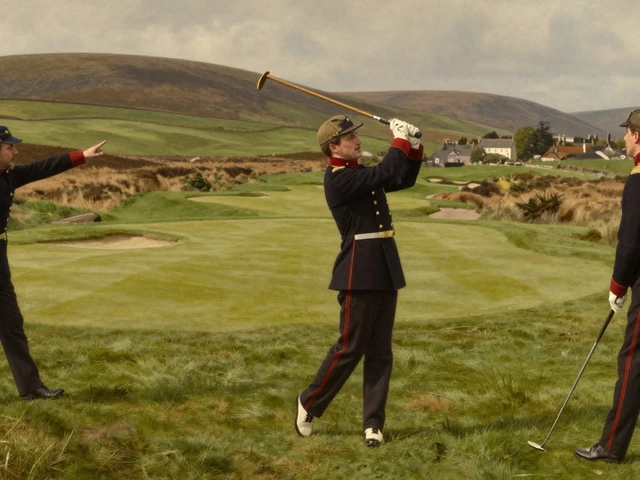
In Golf, the risk is indirect. Golfers wear spiked shoes for traction and sunglasses for glare reduction. While not “protective” in the traditional sense, proper footwear prevents slips on wet grass, and UV protection saves long-term eye health.
Water and Ice: Environmental Hazards
Water and ice introduce unique risks: drowning, hypothermia, and blunt force trauma from hard surfaces. Protection here focuses on buoyancy and insulation.
Kayaking and Whitewater Rafting require personal flotation devices (PFDs) and helmets. In whitewater, helmets protect against rock strikes, while PFDs keep you upright in turbulent currents. Dry suits add thermal protection in cold water.
Ice Hockey combines speed with a frozen surface. Players wear hard helmets with cages, thick padded jerseys, shin guards, and skate guards. Goalies have additional protection: leg pads, blocker gloves, and catchers. The ice amplifies impact forces, making padding non-negotiable.
Even Swimming uses minimal gear. Swimmers wear goggles to protect eyes from chlorine and caps to reduce drag. In open-water swimming, wetsuits provide thermal regulation and visibility.
Choosing the Right Gear: Key Considerations
Buying protective equipment isn’t one-size-fits-all. Fit, certification, and sport-specific design matter more than brand names.
- Certification Standards: Look for NOCSAE (National Operating Committee on Standards for Athletic Equipment) approval for helmets and pads. For cycling, seek CPSC or CE marks.
- Fit Over Fashion: A helmet that sits too loosely won’t protect your brain. Shoulder pads should allow full range of motion without shifting.
- Material Quality: Foam density matters. High-impact sports need multi-density foam layers. Cheap gear may crack under pressure.
- Maintenance: Helmets expire. After any significant impact, replace them. Mouthguards degrade over time and should be replaced annually.
Don’t skip mouthguards. They’re cheap, easy to customize, and prevent concussions by absorbing shock before it reaches the jaw and skull. Custom-fit guards from a dentist offer better protection than boil-and-bite versions.
The Future of Sports Protection
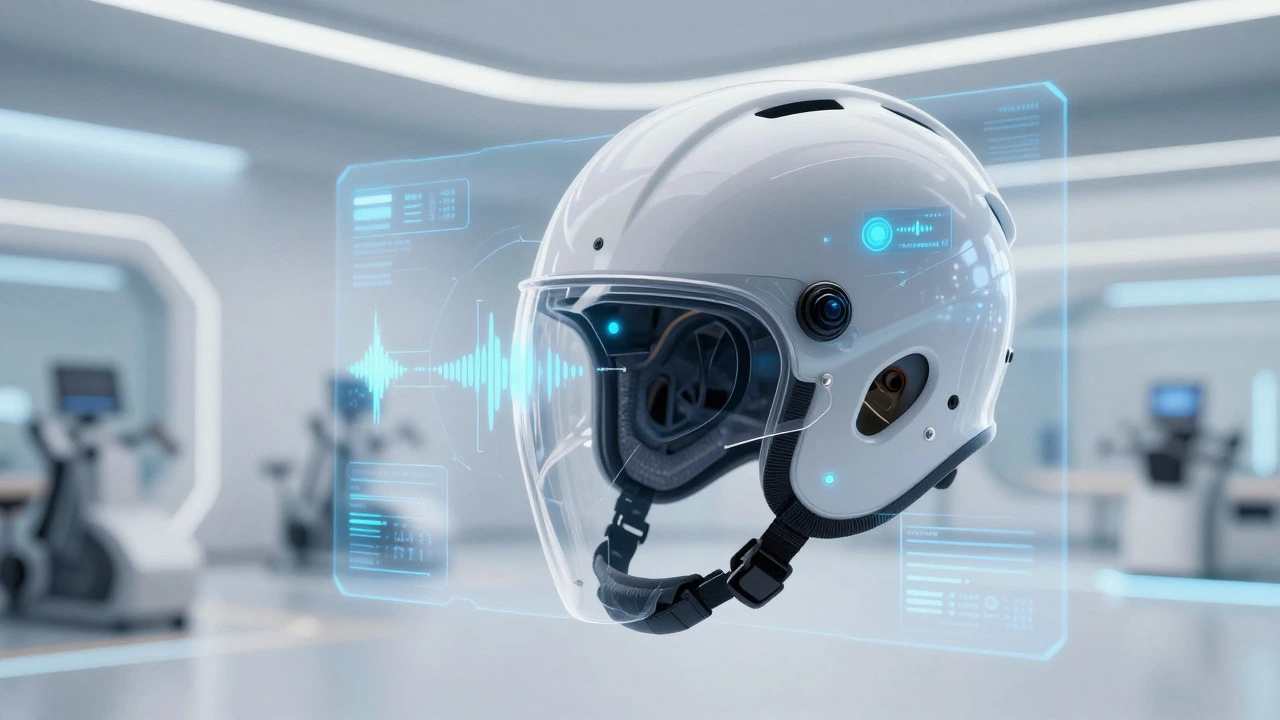
Technology is evolving fast. Smart helmets with sensors detect impact force and alert trainers to potential concussions in real-time. Materials like graphene are being tested for lighter, stronger pads. AI-driven fit analysis helps athletes choose gear that matches their body type and playing style.
As sports become more data-driven, protection will shift from reactive to predictive. Wearables will monitor heart rate, temperature, and impact history, allowing coaches to adjust training loads before injuries occur.
Do I need protective gear for casual sports?
Yes. Even recreational activities like cycling or hiking carry risks. A helmet costs less than an ER visit. For casual play, prioritize basics: mouthguards for contact sports, helmets for wheeled activities, and goggles for eye exposure.
How often should I replace my sports helmet?
Replace helmets every 3-5 years, or immediately after any significant impact. Foam compresses over time, losing its ability to absorb shock. Check manufacturer guidelines for specific expiration dates.
Are custom mouthguards worth the cost?
Absolutely. Custom guards fit snugly, stay in place during intense activity, and distribute force evenly. Boil-and-bite guards often slip, reducing protection and comfort. For serious athletes, the investment pays off in longevity and safety.
What protective gear is essential for kids in sports?
Kids need age-appropriate gear. Helmets must fit properly and meet safety standards. Mouthguards are crucial for dental protection. Avoid adult-sized gear, as poor fit reduces effectiveness. Teach children to respect equipment as part of their routine.
Can protective equipment cause overheating?
Yes, especially in hot climates. Modern gear uses breathable materials and moisture-wicking liners. Choose ventilated helmets and lightweight pads. Stay hydrated and take breaks to manage core temperature. Overheating is a risk, but so are injuries-balance is key.