Basketball April 19, 2026
What Does G Stand for in G League? Meaning and History
G League Knowledge Challenge
How well do you know the G League?
Your Progress
Score: 0/5
Loading question...
Challenge Complete!
Great job!
0/5
Key Takeaways
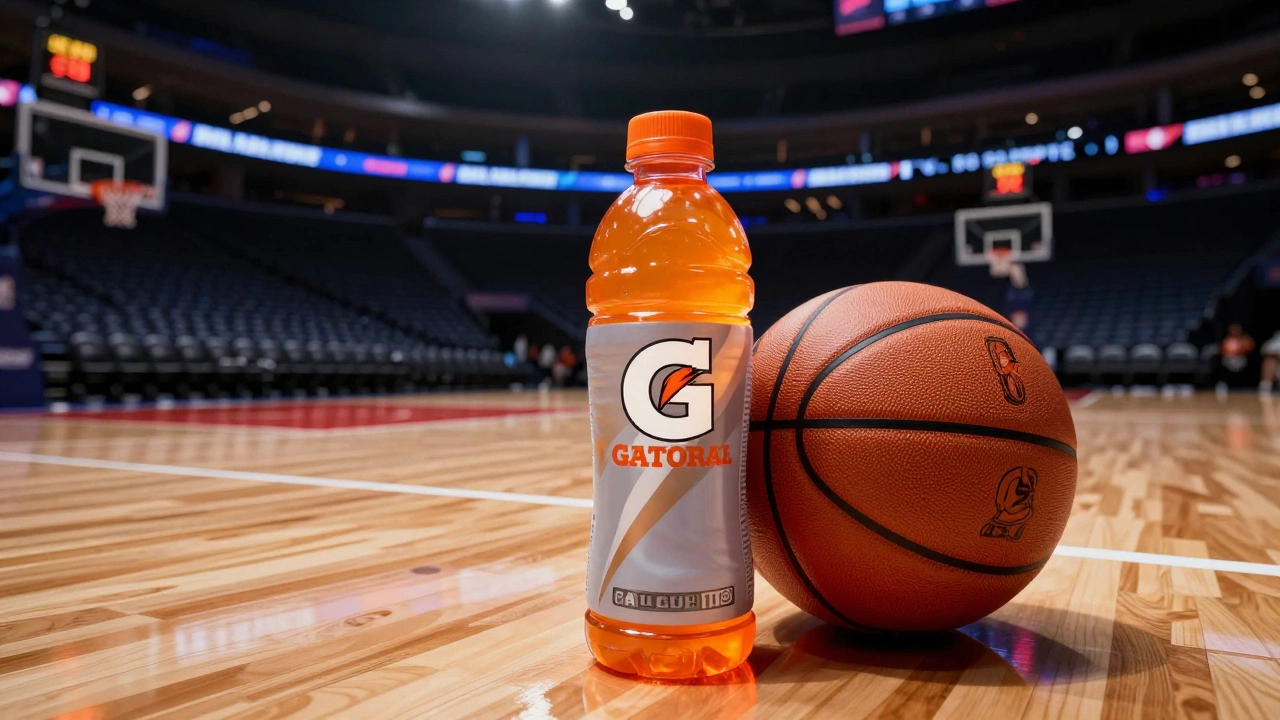
- The "G" in G League stands for Gatorade.
- It is the first time a professional sports league has named itself after a corporate sponsor.
- The league serves as the primary developmental system for the NBA.
- The rebranding happened in 2017, moving away from the "D-League" name.
The Mystery of the Letter G
To put it simply, the G League is the NBA's official minor league, where the "G" specifically stands for Gatorade. If you're wondering why it's not called the "NBA Minor League" or something more traditional, you're looking at one of the most aggressive naming-rights deals in sports history. Unlike a stadium name-like the Crypto.com Arena-the sponsor's identity is baked directly into the name of the entire organization.
When the NBA (National Basketball Association) signed the deal with Gatorade in 2017, they didn't just put logos on the court. They rebranded the entire entity. It was a bold move that signaled a shift in how sports leagues view monetization. Instead of just selling a few commercials, they sold the very identity of the developmental system.
From D-League to G League: What Changed?
Before the "G" arrived, we had the NBA Development League, better known as the D-League. For years, the "D" stood for "Development," which made perfect sense. The league's only goal was to develop players who weren't quite ready for the big stage or to give veterans a place to find their rhythm again.
But in 2017, the league decided a change was needed. The transition to the G League wasn't just about a check from a beverage company; it was about elevating the professional status of the league. The NBA wanted the developmental system to feel like a premier destination rather than just a "practice' league. By partnering with a global brand like Gatorade, they added a layer of commercial polish to the operation.
| Feature | D-League Era | G League Era |
|---|---|---|
| Meaning of Letter | Development | Gatorade |
| Primary Goal | Player Growth | Growth + Commercial Brand |
| Sponsorship Model | Traditional | Integrated Naming Rights |
| Perception | "Minor League" | Professional Pipeline |
How the G League Actually Works
If you think the G League is just where players go when they get cut from the NBA, you're missing half the story. It's a complex ecosystem designed to bridge the gap between college basketball and the pros. The league uses a "two-way contract" system, which is a game-changer for roster management. A two-way contract allows a player to be shared between an NBA roster and their G League affiliate.
This means a player can spend Monday practicing with the Los Angeles Lakers and Wednesday playing 35 minutes of high-intensity game time for the South Bay Lakers. This setup prevents young talent from sitting on the bench for three years and getting rusty. Instead, they get the reps they need to improve their shooting or defense in a real-game environment.
The league also experiments with rules that the main NBA hasn't adopted yet. Have you ever seen a game where the clock doesn't stop after a made basket in the final minutes, or where they try out different three-point line distances? Those are G League laboratories. They test these tweaks to see if they make the game faster or more exciting before deciding if the NBA should adopt them.
The Pipeline: Why the G League Matters
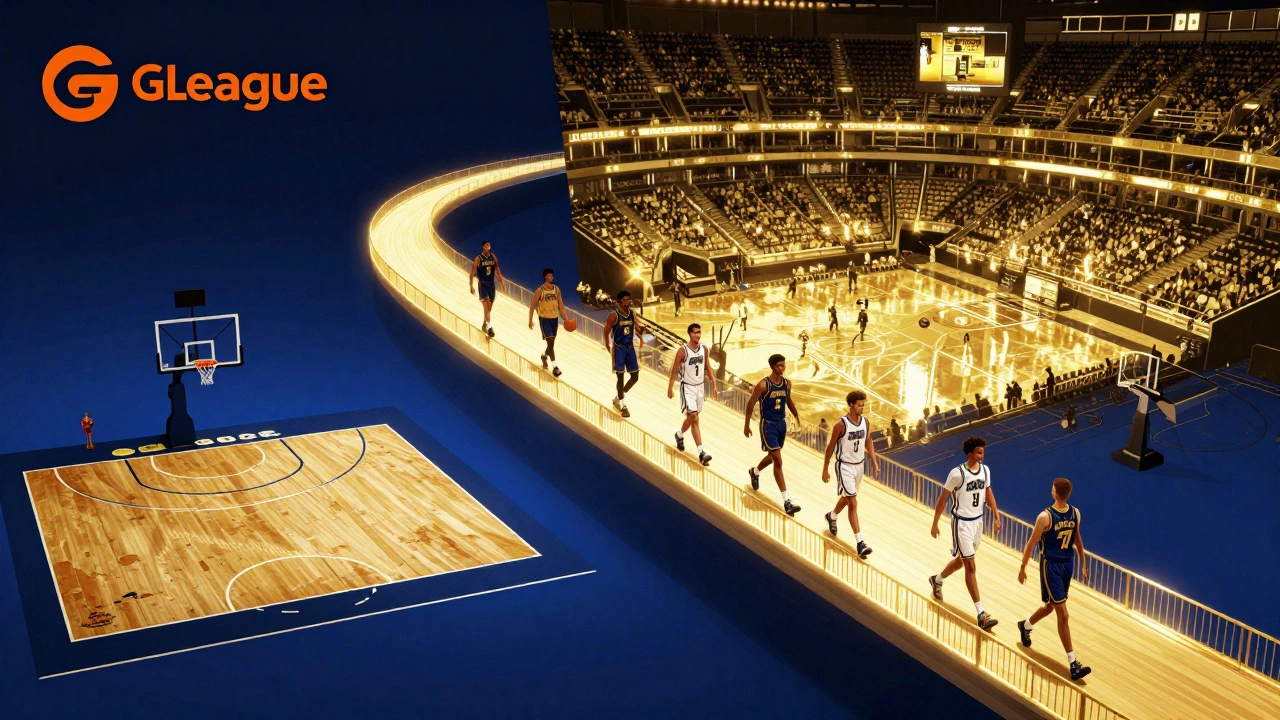
Why should the average fan care about a league sponsored by a sports drink? Because the G League is where the next superstars are forged. Look at players like Pascal Siakam or Fred VanVleet. Neither of them was a top-five draft pick who walked straight into a starting role. They spent critical time in the developmental system, learning how to play a professional style of basketball.
The relationship between the parent NBA team and the G League affiliate is tight. Most NBA teams now own and operate their own G League teams. This allows the head coach of the main team to tell the G League coach, "I need my point guard to work on his pick-and-roll defense," and the player can get that specific training immediately. It's a streamlined vertical integration of talent.
Common Misconceptions About the "G"
Some people still believe that "G" stands for "Growth" or "Global." It's a natural assumption. In sports, we're used to letters representing concepts. However, this is a rare case where the answer is purely commercial. If you look at the official branding, the Gatorade connection is explicit. The partnership provides the league with funding and resources, and in exchange, Gatorade gets its name mentioned every single time a commentator talks about the league.
Another misconception is that the G League is just "bad NBA." In reality, the talent level is incredibly high, but the consistency is lower. You'll see a player score 40 points in a G League game because they have the skill of an NBA All-Star, but they might struggle with the defensive discipline required to stay in the league. That's exactly why the G League exists-to fix those specific gaps in a player's game.
The Future of Developmental Basketball
As we move further into 2026, the G League is evolving. We're seeing more international integration and a push toward a more sustainable model for smaller markets. The league is no longer just a place for "draft busts" to recover; it's a destination for international pros who want to prove they can handle the American style of play.
The financial model provided by the Gatorade partnership has allowed the league to expand its reach and improve facilities. While some purists hate the idea of a corporate-named league, the money has undoubtedly improved the quality of the training and the living conditions for the players. When the players are healthier and better prepared, the quality of the NBA improves, which benefits the fans.
Does the G League have its own playoffs?
Yes, the G League has a postseason tournament to determine a champion. While the main focus is player development, the competition remains fierce as players fight for an NBA call-up.
Can any player join the G League?
Not exactly. Players usually enter via the NBA Draft, by signing two-way contracts, or through the G League draft for those who weren't selected in the main NBA draft but are eligible for professional play.
How long do players usually stay in the G League?
It varies wildly. Some players are called up to the NBA within weeks, while others spend several seasons refining their game. The goal is always to move up to the NBA, but some become stalwarts of the G League.
Is the G League's "G" permanent?
It depends on the contract between the NBA and Gatorade. Like any sponsorship, it's a business agreement. If the deal expires or a different company offers a significantly larger sum, the name could theoretically change again.
What is the difference between a G League player and an NBA player?
The main difference is often consistency and specialized skill. Most G League players have the athletic ability for the NBA, but they might lack the tactical discipline, strength, or specific skill set (like 3-point shooting) required to compete at the highest level every night.
Next Steps for Fans
If you're interested in following the G League, the best way is to pick your favorite NBA team and find their affiliate. Watching their G League games is like looking into a crystal ball-you can often see who will be a key rotation player for the main team in a year or two. Keep an eye on the "two-way" players on your roster; they are the ones most likely to be bouncing between the two leagues.