Double Workouts: How to Train Twice a Day Without Burning Out
When you hear double workouts, training twice in one day, often with different goals like strength in the morning and cardio in the evening. Also known as two-a-days, it’s a strategy used by elite runners, military personnel, and serious triathletes to push past plateaus. But for most people, it’s not about doing more—it’s about doing it smarter. Doing two sessions back-to-back without planning leads to fatigue, injury, or quitting altogether. The key isn’t just adding another workout. It’s managing recovery, fuel, and purpose.
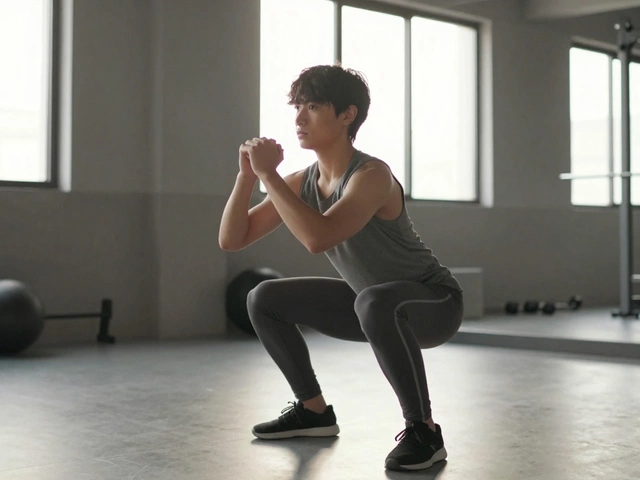
Double workouts work best when the two sessions serve different roles. One might focus on strength training, building muscle and power through resistance exercises like squats, deadlifts, or push-ups in the morning, while the evening session is lighter—think mobility, steady-state cardio, or skill work. This split lets your body recover between sessions. You’re not crushing your system twice; you’re balancing stress and repair. Athletes who do this successfully track sleep, hydration, and protein intake closely. A 2021 study in the Journal of Strength and Conditioning found that athletes doing double sessions with at least 6 hours between them improved endurance and strength faster than those doing single daily workouts—*if* they ate enough and slept 7+ hours.
Not everyone needs double workouts. If you’re just starting out, one solid session five times a week beats two half-hearted ones. But if you’re already training 4-5 days a week and hitting a wall, splitting your routine might be the spark you need. Think of it like this: if you used to run 5 miles every morning, try running 3 miles in the morning and doing 20 minutes of core and mobility in the evening. Or lift weights in the morning and go for a brisk walk after dinner. The goal isn’t to exhaust yourself—it’s to build consistency without burnout.
Recovery isn’t optional here. You need more protein, more water, and more sleep than usual. Skipping meals after your first workout? That’s a recipe for muscle loss. Trying to sleep 5 hours because you’re tired? That cancels out the gains. Your body repairs itself while you rest—not while you’re sweating. And if you’re sore, swollen, or feeling drained for days, you’re doing too much. Double workouts aren’t for everyone, but when done right, they unlock a level of progress that single sessions just can’t match.
Below, you’ll find real advice from people who’ve tried it—some succeeded, others learned the hard way. Whether you’re wondering if you can build muscle while running more, if you need special shoes for back-to-back sessions, or how to fit this into a busy schedule, the posts here cut through the noise. No fluff. Just what works.
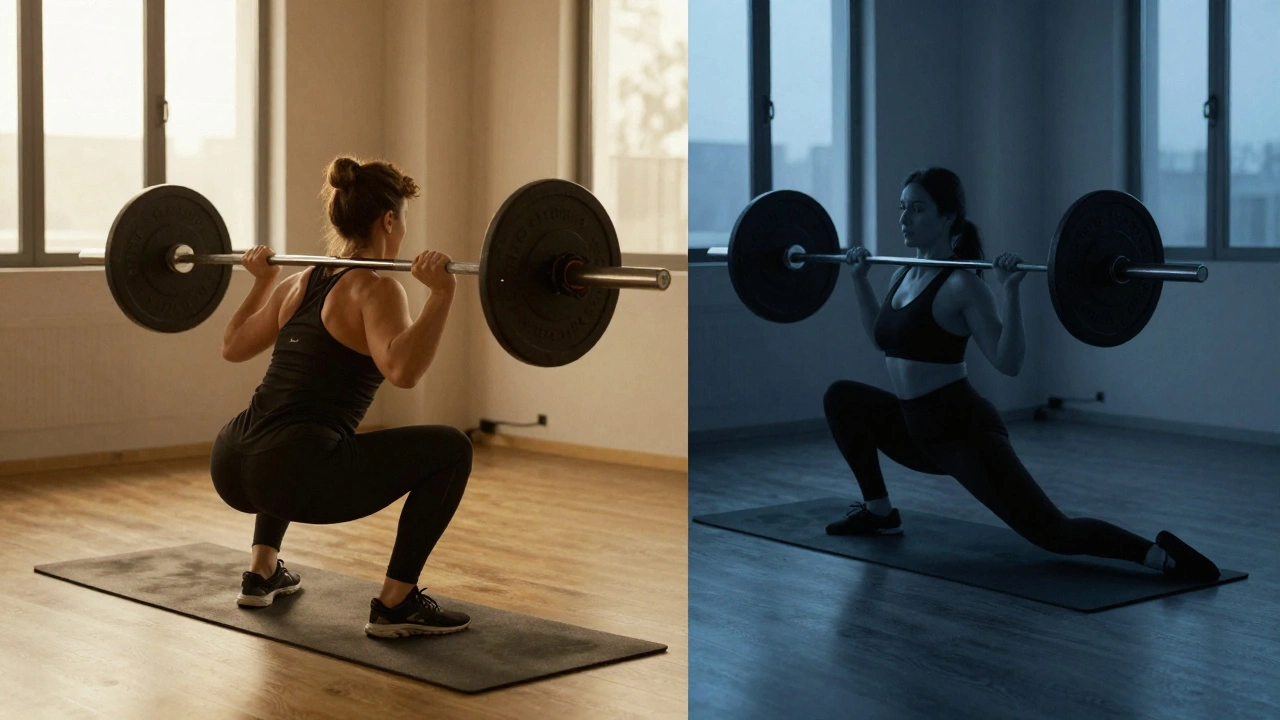
Is It OK to Gym Twice a Day? Here’s What Really Works
Training twice a day can boost results-but only if done right. Learn when it helps, when it hurts, and how to recover properly without burning out.