Gym Workouts February 12, 2026
How to Start a Gym Routine: A Simple Step-by-Step Guide for Beginners
Gym Routine Progress Tracker
Your Progress Plan
Starting a gym routine doesn’t need to be overwhelming. You don’t need fancy equipment, a personal trainer, or a six-pack on day one. You just need to show up - consistently. The biggest mistake most people make? They try to do too much too soon. They spend an hour lifting weights they can’t handle, skip leg day because it’s "too hard," and quit after two weeks because they feel sore and discouraged. Sound familiar? Let’s fix that.
Know why you’re going
Before you even step into the gym, ask yourself: why? Not "I want to get fit" - that’s too vague. Be specific. Do you want to lift heavier than you did last year? To stop feeling tired after work? To fit into your old jeans? To feel stronger when you play with your kids? Write it down. This isn’t fluff. This is your anchor. When you’re tired, when it’s raining, when your phone says "just one more episode" - this reason pulls you back. People who write down their goals are 42% more likely to stick with them, according to a study from Dominican University. You don’t need to be perfect. You just need to be clear.Start with the basics - no fluff
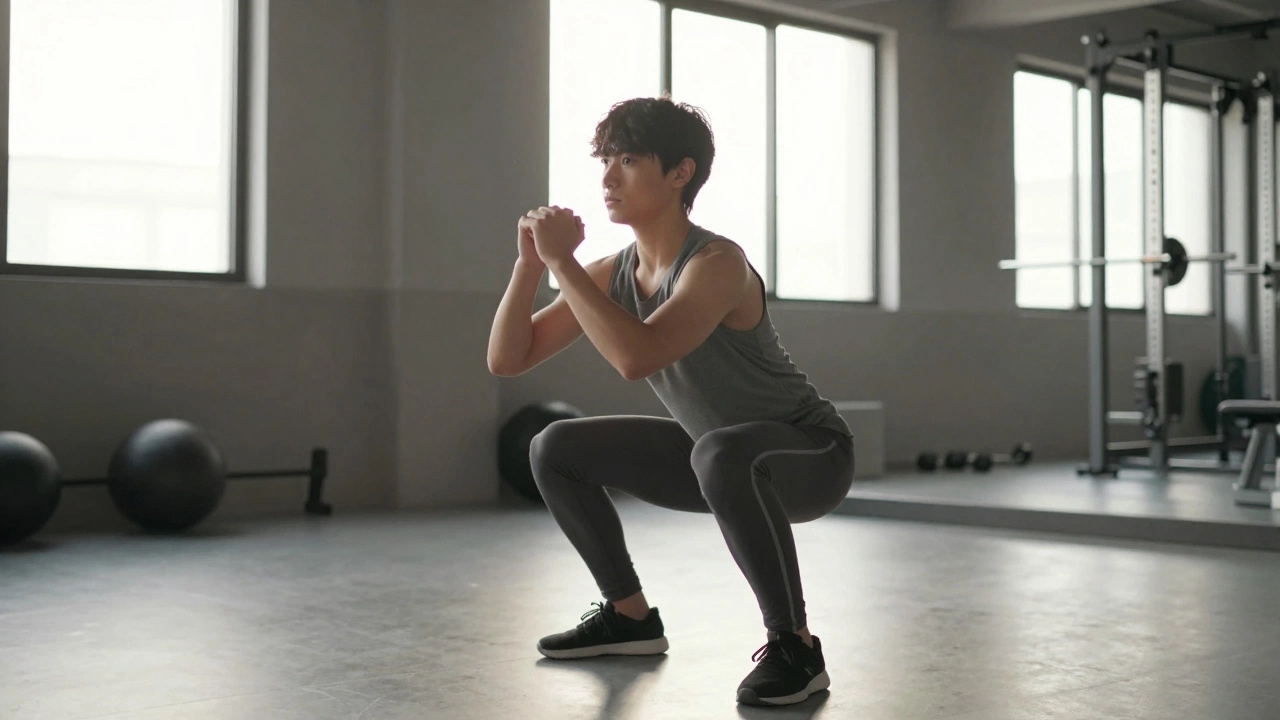
Forget the Instagram workouts with 15 different machines. Your first three months should be built on three movements: squats, push-ups, and rows. These cover your entire body. Squats work your legs and core. Push-ups build your chest, shoulders, and arms. Rows (using a resistance band or a barbell) fix your posture and strengthen your back. That’s it. Do these three things, and you’re already ahead of 80% of beginners who jump straight into bicep curls and leg extensions.Here’s how to start:
- Do 3 sets of 8-12 reps for each movement.
- Rest 60 seconds between sets.
- Do this 2-3 times a week, with at least one rest day in between.
You don’t need to lift heavy right away. Focus on form. Watch videos. Ask a staff member to check your squat stance. It’s not weak to ask - it’s smart. Your body will thank you later when your knees don’t hurt.
Plan your week - but keep it simple
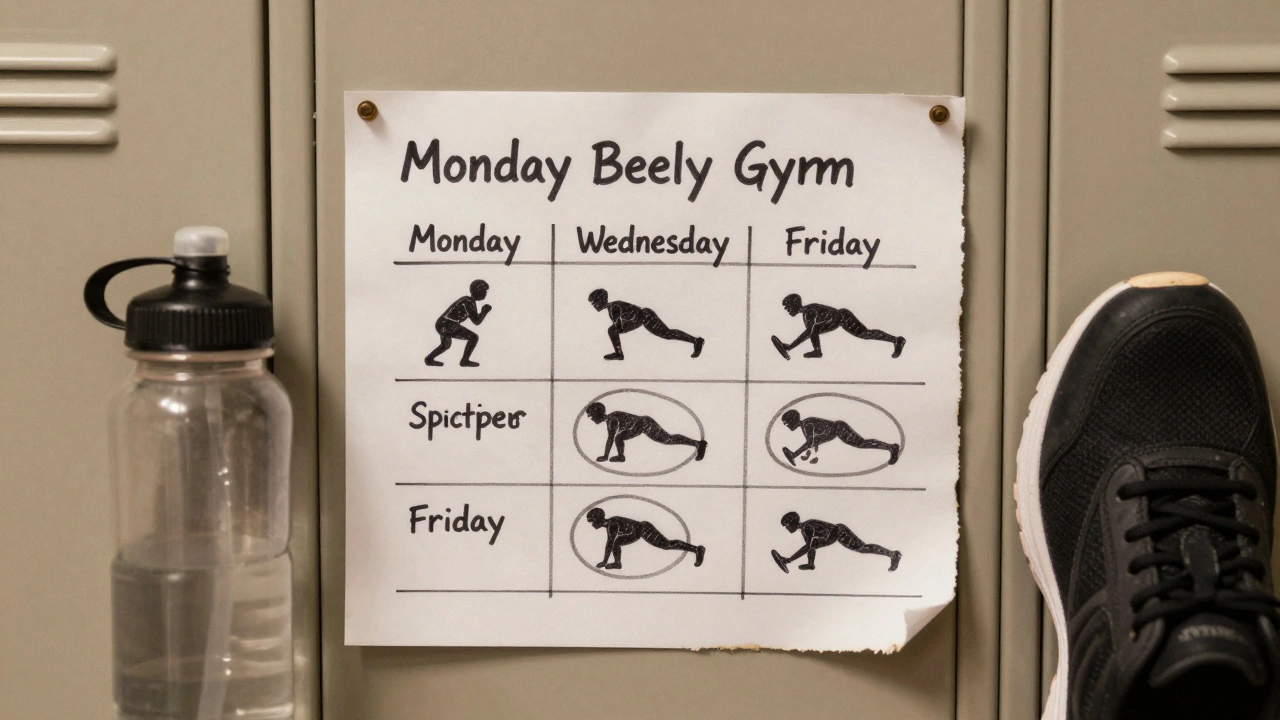
You don’t need a 12-week program. Start with this:- Monday: Full body (squats, push-ups, rows)
- Wednesday: Rest or walk 30 minutes
- Friday: Full body again
- Saturday: Optional light cardio - bike, swim, or just walk
That’s it. No need to fill your calendar. The goal is consistency, not intensity. If you miss a day, don’t panic. Just show up next time. People who stick with a routine for 60 days are 10 times more likely to keep going for a year. That’s the real win.
Track progress - not weight
Don’t step on the scale every morning. That’s a recipe for frustration. Instead, track what you can control:- How many push-ups you can do now vs. last week
- Whether your squats feel smoother
- If you’re sleeping better
- If you’re less out of breath climbing stairs
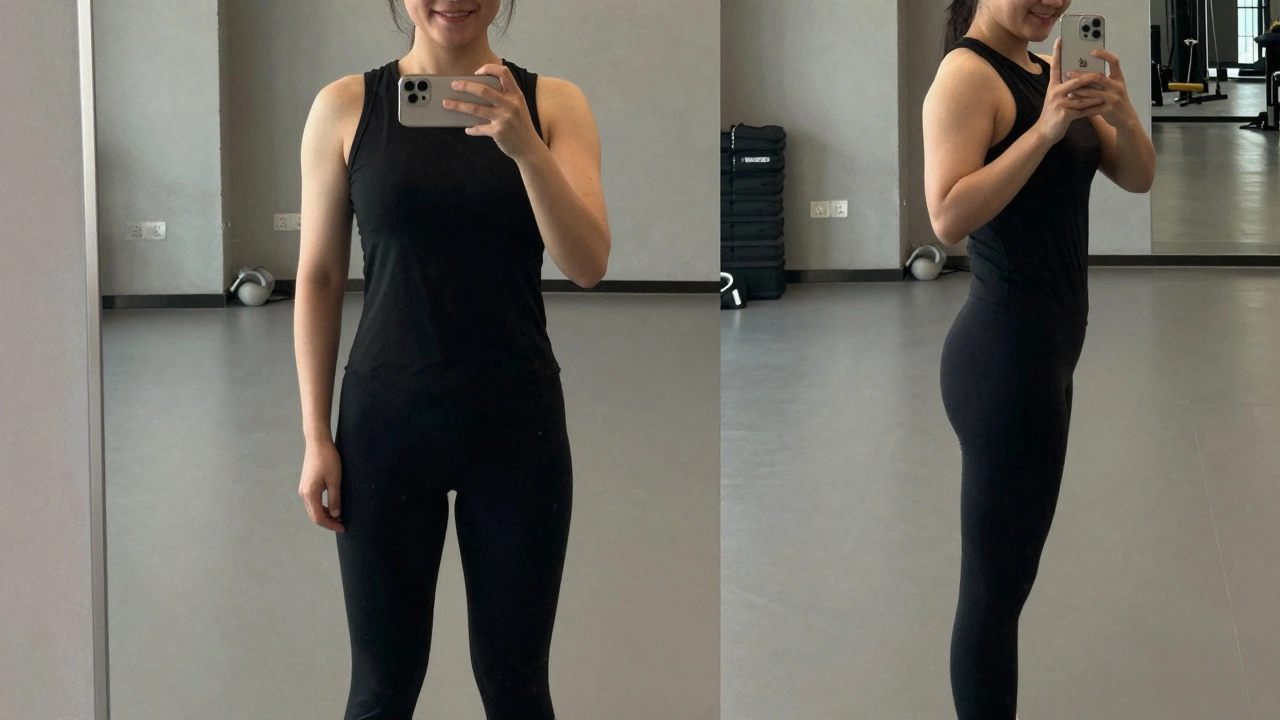
Take a photo every four weeks. Not for social media. For you. You won’t notice changes day-to-day, but after a month, you’ll see it. Muscle doesn’t show up overnight. But it shows up if you keep showing up.
Listen to your body - not the noise
Soreness is normal. Sharp pain isn’t. If your knee clicks and aches during squats, stop. Adjust. Maybe your form’s off. Maybe you need to warm up longer. Maybe you’re going too heavy. Don’t push through pain. That’s how injuries happen. And injuries don’t just set you back - they make you quit.Warm up for 5-10 minutes before every session. Walk on a treadmill, do arm circles, or just march in place. It’s not optional. It’s your insurance policy.
Find your people - or your quiet space
Some people thrive in group classes. Others hate the noise. Neither is wrong. If you like energy, try a beginner class. If you prefer silence, go early in the morning or late at night. The gym isn’t a competition. It’s your space. Use it how you need to.One tip: talk to one person. The guy who cleans the equipment. The woman who always does deadlifts. Say hi. You’ll find someone who’s been where you are. They’ll give you real advice - not the kind you see on YouTube.
What to eat - keep it simple
You don’t need protein shakes or meal prep containers. Just eat real food. More vegetables. More protein. Less sugar. That’s it. If you’re hungry after a workout, eat something. A hard-boiled egg. A banana. A slice of turkey. Your body needs fuel to rebuild. Don’t starve yourself. You’re not training for a photo shoot. You’re building strength for life.Don’t compare - just improve
Someone else might bench 100kg. You’re doing 20kg. So what? They’ve been lifting for five years. You’ve been lifting for five days. That’s okay. Progress isn’t linear. Some weeks you’ll feel strong. Others, you’ll feel sluggish. That’s normal. Your job isn’t to be like them. It’s to be better than you were yesterday.What comes next?
After 8-12 weeks, you’ll feel different. Stronger. More confident. You might want to add more exercises - lunges, dumbbell presses, planks. That’s great. But don’t rush. Master the basics first. Most people fail because they skip the foundation. You won’t.Stick with this for three months. Then look back. You’ll be amazed at how far you’ve come. Not because you lifted heavy. But because you showed up. Again. And again. And again.