Gym Workouts December 8, 2025
Is It OK to Gym Twice a Day? Here’s What Really Works
Double Session Planner
Create Your Personalized Split
Recovery Check
Sleep: 7-9 hours
Protein: 1.6-2.2g/kg
Energy: 7/10
Sleep:
Energy:
Going to the gym twice a day sounds like something only elite athletes or fitness influencers do. But if you’re wondering whether it’s safe-or even smart-for you to squeeze in two sessions, the answer isn’t simple. It depends on your goals, your recovery, and how you structure those workouts. For some people, it’s a game-changer. For others, it’s a fast track to burnout or injury.
When Two Sessions Make Sense
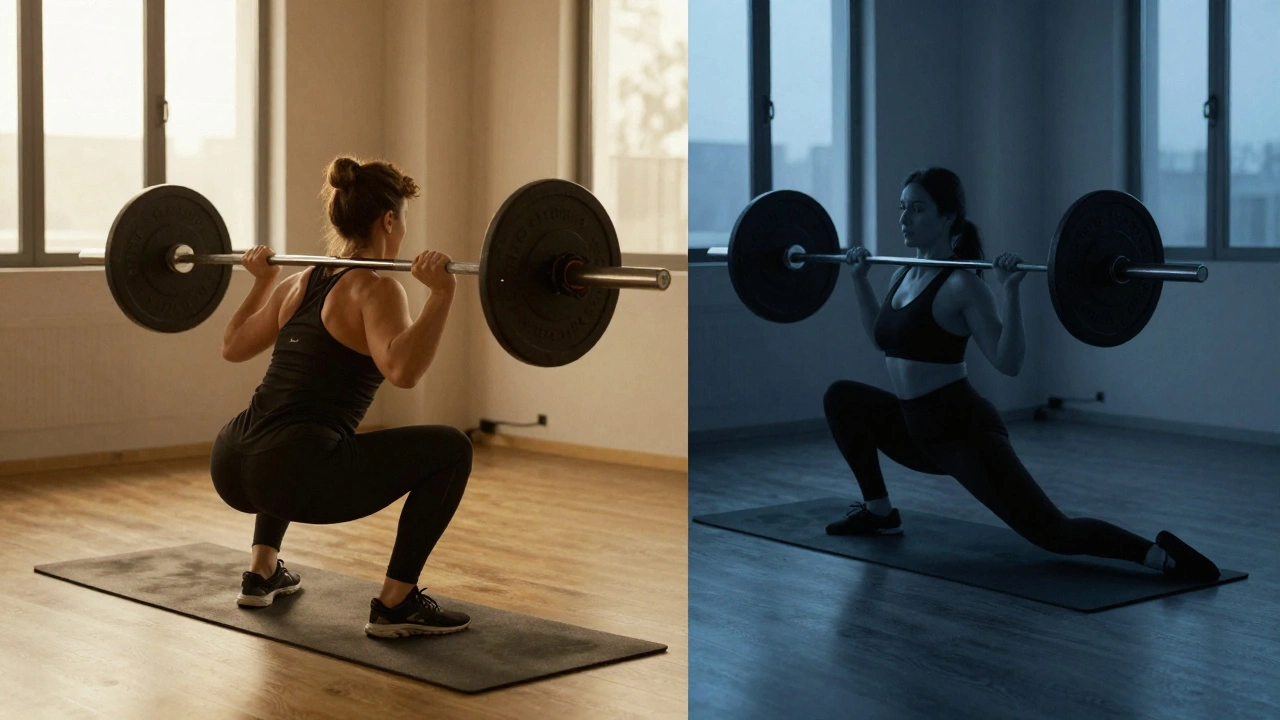
Training twice a day isn’t about doing the same workout twice. It’s about splitting your effort strategically. Many professional athletes and serious competitors do this because their sport demands it. A soccer player might do strength training in the morning and technical drills in the evening. A bodybuilder might lift weights in the morning and do low-intensity cardio or mobility work after work.
For the average person, double sessions work best when they serve different purposes. One session could focus on heavy lifting-compound movements like squats, deadlifts, or bench presses. The second could be light cardio, yoga, or mobility work. This approach gives you the benefits of both without overloading the same muscle groups.
There’s real science behind this. A 2022 study in the Journal of Strength and Conditioning Research found that athletes who split their daily volume into two shorter sessions improved strength and endurance more than those who did one long session, as long as total volume and recovery were managed properly.
What Doesn’t Work
Doing two intense strength sessions back-to-back? That’s a recipe for trouble. Your muscles need time to repair. If you hit your legs hard at 6 a.m. and then do another leg day at 6 p.m., you’re not building muscle-you’re breaking it down faster than your body can fix it. The same goes for high-intensity interval training (HIIT). Two HIIT sessions in one day without rest can spike cortisol levels, suppress immune function, and lead to overtraining.
And don’t confuse volume with intensity. You might think, “I did 30 minutes of cardio and 30 minutes of weights-that’s only an hour total.” But if both sessions are hard, your central nervous system is still under massive stress. Recovery isn’t just about sleep-it’s about managing fatigue across your whole body.
Recovery Is Non-Negotiable
If you’re going to train twice a day, recovery becomes your new priority. Sleep isn’t optional anymore. Aim for 7-9 hours. Poor sleep cuts muscle protein synthesis by up to 30%, according to research from the University of Chicago. That means even if you train perfectly, you won’t grow if you’re running on fumes.
Hydration matters too. Dehydration reduces strength output by as much as 15%. Drink water consistently throughout the day-not just during workouts. And don’t skip meals. Eating enough protein (about 1.6-2.2 grams per kilogram of body weight) and carbs helps fuel both sessions and repair tissue.
Supplements aren’t magic, but some help. Creatine monohydrate (5g daily) supports recovery and energy production. Omega-3s reduce inflammation. Magnesium can improve sleep quality. But none of these replace real food, rest, and time.
Who Should Avoid Double Sessions
If you’re new to working out, skip the double sessions. Your body hasn’t adapted to even one intense workout yet. Jumping into two a day increases injury risk dramatically. Most beginners should stick to 3-4 sessions per week, with at least one full rest day.
Same goes if you’re stressed out. High work pressure, family demands, or financial worries raise your baseline stress. Adding physical stress on top can push you into chronic fatigue. Signs you’re overdoing it: constant soreness, trouble sleeping, irritability, loss of motivation, or getting sick often.
And if you’re not eating enough? Don’t try this. Your body needs fuel. Training twice a day on a calorie deficit might lead to muscle loss, not fat loss. Your metabolism slows down. Hormones get out of whack. Women, especially, can experience menstrual disruptions from excessive training without adequate energy intake.
How to Do It Right
If you’re ready to try two sessions a day, here’s how to make it work:
- Schedule smart. Leave at least 6 hours between sessions. Morning and evening works better than back-to-back.
- Split focus. Strength + mobility. Power + cardio. Heavy lifting + low-impact conditioning.
- Keep the second session light. No max lifts, no max effort. Think active recovery: walking, cycling, foam rolling, stretching.
- Track your energy. Keep a simple log: rate your energy (1-10), sleep quality, soreness level. If your energy drops below 5 for three days in a row, cut back.
- Take a deload week. Every 4-6 weeks, reduce volume by 50% for a week. Let your body reset.
Example schedule for someone training for endurance and strength:
- 6:00 a.m. Strength: Upper body, 45 minutes
- 7:00 p.m. Cardio: Steady-state bike, 30 minutes
Example for someone focused on fat loss:
- 6:30 a.m. HIIT: 20 minutes
- 7:00 p.m. Walk + mobility: 40 minutes
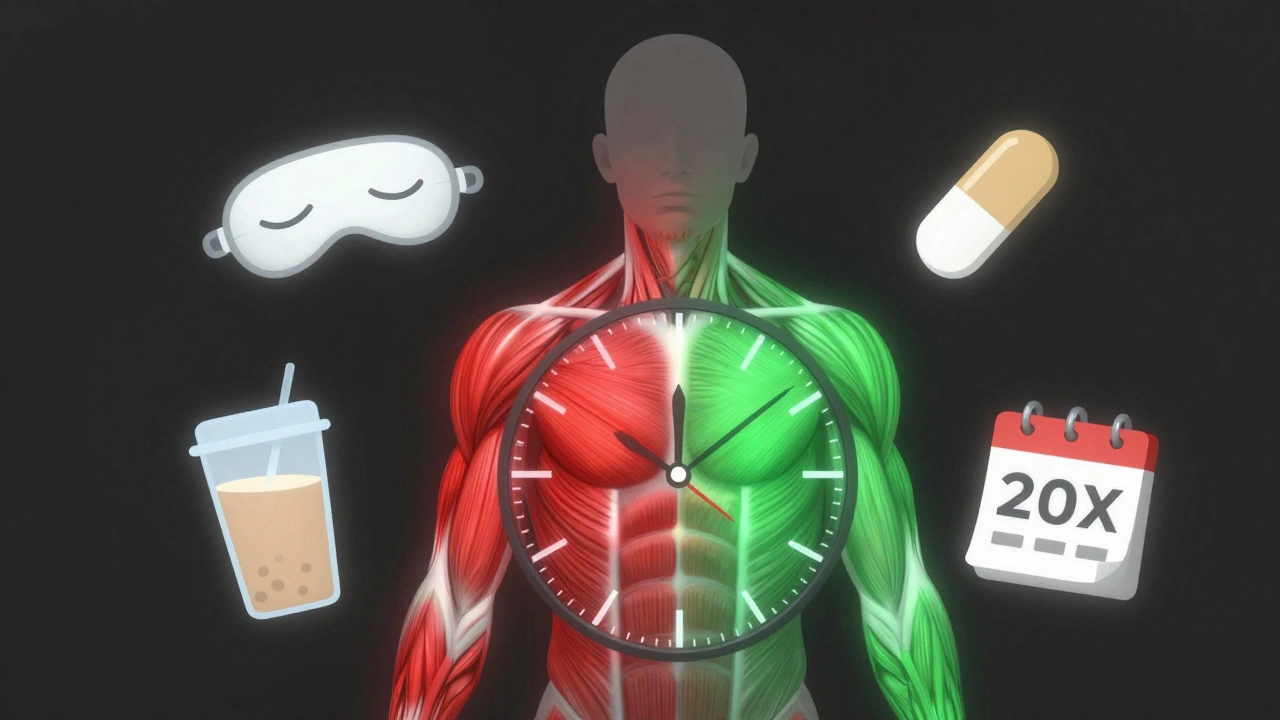
How Long Can You Keep This Up?
Even elite athletes don’t train twice a day year-round. They cycle it. A powerlifter might do double sessions for 6-8 weeks leading into a competition, then drop back to once a day for 3-4 weeks. That’s called periodization. It’s not just for pros-it’s essential for anyone serious about long-term progress.
Think of double sessions like a tool, not a lifestyle. Use them for short bursts when you need to peak. Don’t treat them as a permanent habit unless your job or sport demands it.
Real-Life Examples
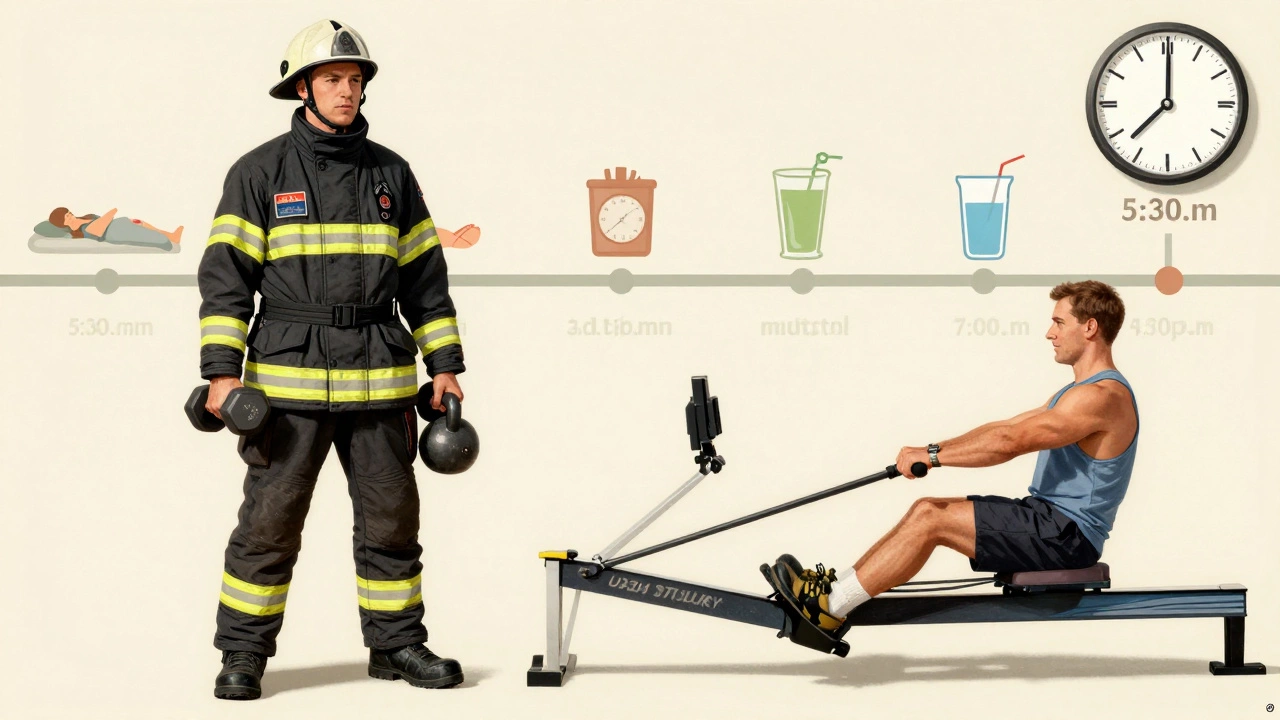
One client I worked with in Bristol, a 34-year-old firefighter, wanted to get stronger without losing stamina. He was already doing one 90-minute session five days a week but felt stuck. We switched him to:
- 5:30 a.m. Strength: Full-body, 40 minutes
- 7:00 p.m. Rowing machine: 20 minutes at moderate pace
Within six weeks, his deadlift went up 25 pounds. His recovery time after calls improved. He slept better. He didn’t feel drained.
Another client, a 28-year-old teacher, tried two HIIT sessions a day to lose weight. She lost muscle, got headaches, and quit after three weeks. Her body was screaming for rest. She went back to three strength sessions a week and added daily walks. She lost fat slower-but kept her strength, energy, and sanity.
Bottom Line
Is it OK to gym twice a day? Yes-if you know why you’re doing it and how to recover. No-if you’re just copying someone else’s routine without understanding your own limits.
The goal isn’t to train more. It’s to train smarter. Sometimes, less is more. Sometimes, doubling up is exactly what your body needs. Listen to it. Track your response. Adjust. And never ignore the signs that you’re pushing too hard.
Two workouts a day can be powerful. But they’re not a shortcut. They’re a commitment-with recovery as the price of admission.
Can I lose weight by working out twice a day?
Yes, but only if you’re eating the right amount. Working out twice a day burns more calories, but if you compensate by eating more, you won’t lose weight. The key is creating a small, sustainable calorie deficit. Focus on protein and whole foods, not just burning more. Most people lose fat better with consistent, moderate training plus good nutrition than with extreme workouts and crash diets.
Will I build muscle faster if I train twice a day?
Not necessarily. Muscle grows during rest, not during workouts. Training twice a day can help if you’re splitting volume (like upper body in the morning, lower body at night), but doing two full-body sessions won’t make you grow faster-it’ll just make you more tired. For most people, 3-4 well-structured sessions per week with enough protein and sleep build muscle just as well.
Is it bad to do cardio after lifting?
Not if you keep it moderate. Doing light to moderate cardio after lifting-like a 20-minute walk or bike ride-can actually help with recovery by increasing blood flow. But if you do long, intense cardio after a heavy leg day, you might interfere with muscle growth. Keep the second session low intensity and short unless you’re training for endurance sports.
How many rest days do I need if I work out twice a day?
At least one full rest day per week. Some people need two, especially if they’re new to training or under high stress. On rest days, don’t just sit. Move gently-walk, stretch, or do yoga. Complete inactivity slows recovery. The goal is to reduce stress on your muscles and nervous system, not stop movement entirely.
Can women train twice a day safely?
Absolutely-but they need to pay extra attention to energy intake and recovery. Female athletes who train hard without enough calories risk losing their period, weakening bones, and slowing metabolism. Make sure you’re eating enough carbs and fats, especially around workouts. If your period becomes irregular or stops, stop the double sessions and see a doctor.
What if I feel exhausted all the time?
That’s your body telling you to stop. Constant fatigue, irritability, trouble sleeping, or getting sick often are signs of overtraining. Don’t push through it. Take a full week off training. Focus on sleep, hydration, and eating well. Then come back with one session a day and build up slowly. Pushing harder when you’re drained leads to injury, not gains.