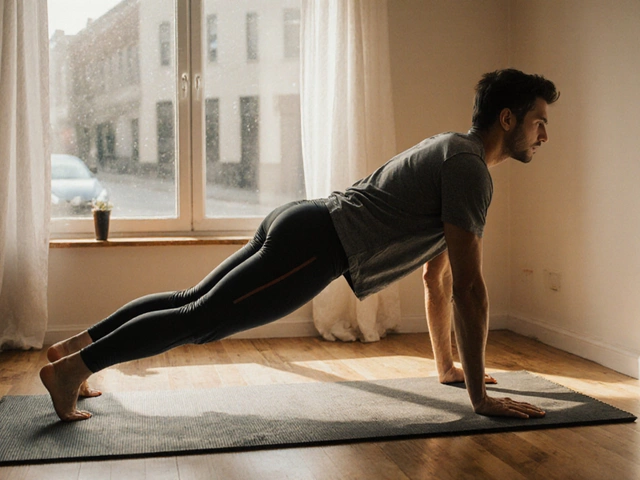
Compound Lifts: Build Strength, Not Just Muscle
When you hear compound lifts, multi-joint exercises that work several muscle groups at once. Also known as compound movements, they're the backbone of real strength training—not just for athletes, but for anyone who wants to move better, feel stronger, and stay injury-free. These aren’t fancy machine exercises or isolated bicep curls. They’re the big, heavy, foundational moves that have been used for decades because they actually work.
At the core of compound lifts are three staples: the deadlift, a full-body pull that trains your back, legs, and grip, the squat, a lower-body powerhouse that builds leg strength and core stability, and the bench press, a chest-and-triceps staple that also engages your shoulders and core. These aren’t optional extras—they’re the baseline. Every athlete, from rugby players needing explosive power to marathoners looking to stay injury-free, uses them. Even tennis players over 40 who want to stay mobile and strong rely on these lifts to keep their bodies working like they should.
Why do they matter? Because they don’t just build muscle—they build function. A strong deadlift helps you pick up groceries without straining your back. A solid squat lets you get up from a chair without using your hands. The bench press improves pushing power that translates to everything from shoveling snow to pushing a stalled car. And when you combine them with proper recovery, nutrition, and consistency—like the kind discussed in posts about working out three times a week or getting perfectly fit—you start seeing results that last.
Some people think you need to lift max weights every day to get strong. That’s not true. What matters is movement quality, progressive overload, and showing up. The 5x5 method you see mentioned in gym notation guides? That’s built around compound lifts. It’s simple: five sets of five reps, heavy but controlled. That’s how you build real strength without burning out. And if you’ve ever wondered why rugby players have massive legs or how to build muscle while running, the answer always comes back to these lifts. They’re the glue between endurance and power.
You won’t find compound lifts in flashy ads for miracle machines. But you’ll find them in the routines of people who’ve trained for years—people who know that strength isn’t about looking big, it’s about being capable. Whether you’re just starting out or you’ve been lifting for a while, these moves are where progress begins. Below, you’ll find real stories, practical guides, and no-nonsense advice on how to use compound lifts to get stronger, move better, and stay in the game longer—no matter your age or sport.
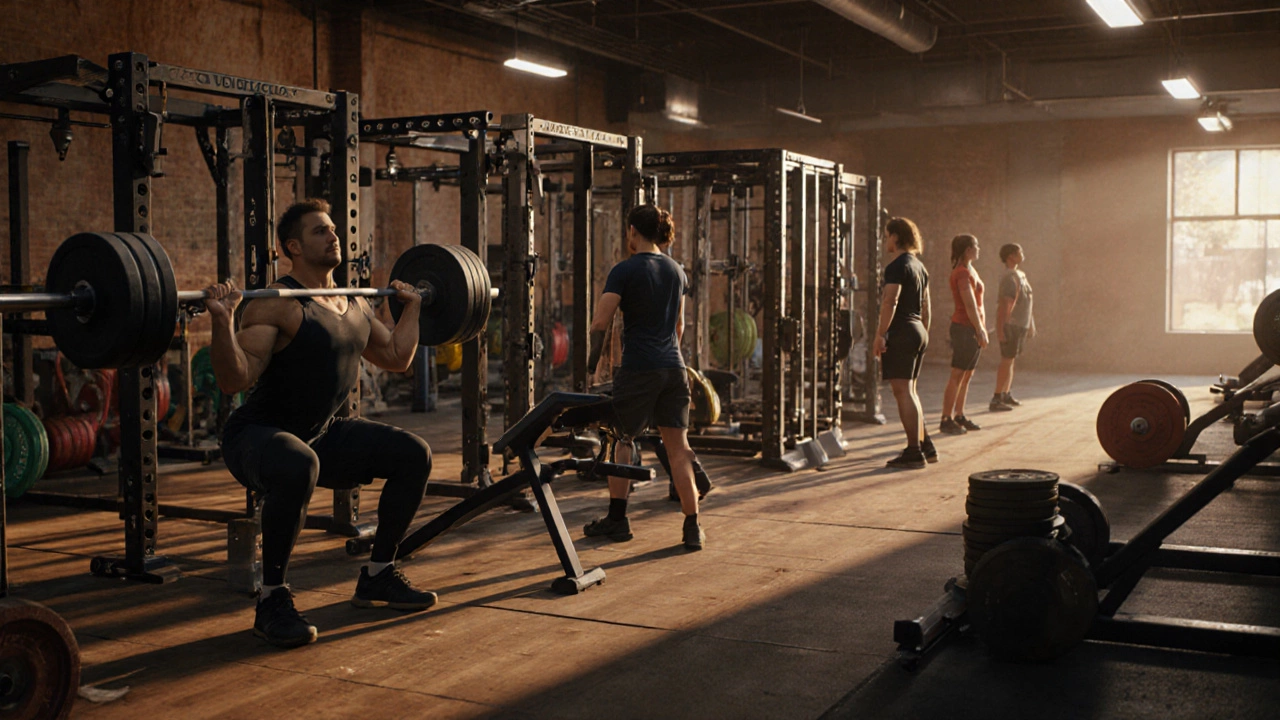
The Big 5 Exercises: Order, Form & Programming Guide
Discover the correct order, form tips, programming and common mistakes for the Big 5 compound lifts to build real strength efficiently.