Fitness October 1, 2026
How Difficult Is Yoga for Beginners? A Realistic Guide
Beginner Yoga Style Finder
Not sure which yoga class to try first? Answer these 3 quick questions to find your perfect starting point.
Recommended: Gentle or Restorative Yoga
Based on your answers, you need a low-intensity introduction. Restorative Yoga uses props extensively (bolsters, blankets) to support your body in comfortable positions for longer periods. This allows your nervous system to relax deeply without muscular strain.
Difficulty: Low
Best for: Relaxation & Recovery
Recommended: Hatha Yoga
Hatha Yoga is the ideal entry point for most beginners. It moves at a slower pace than Vinyasa, giving you time to learn the mechanics of each pose and adjust your alignment. You will spend several breaths in each posture, helping you build confidence and correct muscle memory.
Difficulty: Moderate-Low
Best for: Learning Basics & Alignment
Recommended: Vinyasa Flow
You are ready for movement! Vinyasa Flow links breath with movement in a continuous sequence. It is more cardio-intensive and requires some familiarity with basic poses. If you are active and want a dynamic workout, this style offers variety and keeps your heart rate up.
Difficulty: Moderate-High
Best for: Cardio & Endurance
Recommended: Power Yoga
You are seeking a challenge! Power Yoga is athletic and strength-focused, often derived from Ashtanga traditions. There are few breaks between poses, demanding significant core stability and upper body strength. Ensure you have mastered basic alignments before jumping into intense classes.
Difficulty: High
Best for: Strength & Intensity
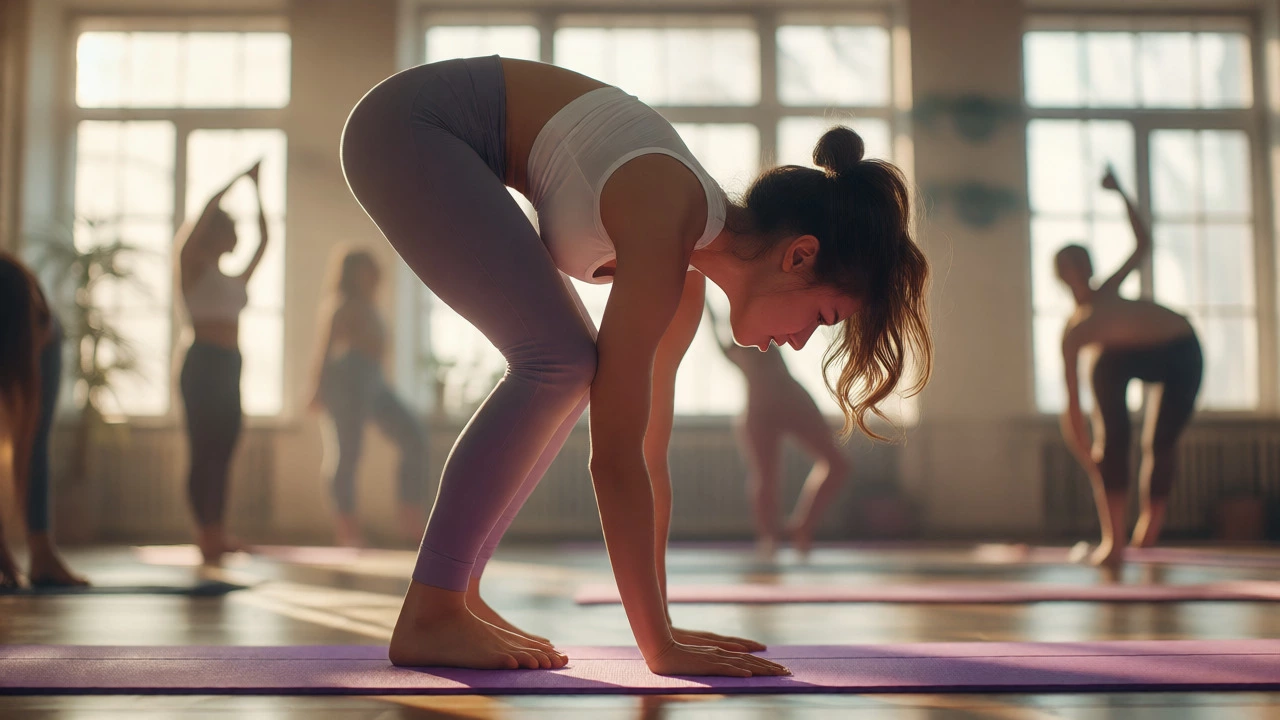
You walk into a studio or open a YouTube video, and suddenly you’re staring at someone who looks like they’re made of rubber. They fold in half without bending their knees, touch their toes with ease, and balance on one leg while looking bored. You try to mimic them, your hamstrings scream, your back rounds awkwardly, and you think: "Is this actually hard, or am I just not flexible enough?"
Here’s the truth: yoga for beginners isn’t about contorting yourself into pretzels. It’s about understanding your body’s current limits and gently expanding them. The difficulty isn’t in the pose itself; it’s in the patience required to hold still when your mind wants to quit. If you’ve ever felt intimidated by the idea of yoga, you’re not alone. But before you write off the practice as "too hard," let’s break down exactly what makes it challenging-and why it’s far more accessible than the Instagram highlights suggest.
The Myth of Flexibility: Why You Don’t Need to Touch Your Toes
Most people assume yoga is difficult because they lack flexibility. This is backward logic. You don’t do yoga because you’re flexible; you do yoga to become flexible. Think of it like weightlifting. You don’t need to be able to bench press 200 pounds to start lifting weights. You start with an empty bar or light dumbbells and build strength over time.
Hatha Yoga is a foundational style of yoga that focuses on basic postures and breathing techniques, making it ideal for newcomers. Unlike power yoga or Ashtanga, which move quickly, Hatha gives you time to adjust. In a typical beginner class, you’ll spend several breaths in each pose. This slow pace allows your nervous system to relax, which is crucial because tension-often caused by stress or fear-restricts movement more than tight muscles do.
When you first step onto the mat, your body might feel stiff. That’s normal. Most adults have shortened hip flexors from sitting at desks all day. Yoga addresses this by targeting specific muscle groups. For example, Downward-Facing Dog (Adho Mukha Svanasana) stretches the calves, hamstrings, and lower back. It’s not supposed to look perfect on day one. If your heels don’t touch the ground, bend your knees. The goal is lengthening the spine, not straight legs.
Physical Challenges: Strength vs. Endurance
While flexibility gets the headlines, strength is the hidden hurdle. Holding a plank position for three minutes feels easy until you realize your shoulders are shaking. Many beginners underestimate the muscular endurance yoga demands. Poses like Chaturanga Dandasana (low plank) require significant upper body and core stability. If you’ve never done push-ups, this will feel brutal initially.
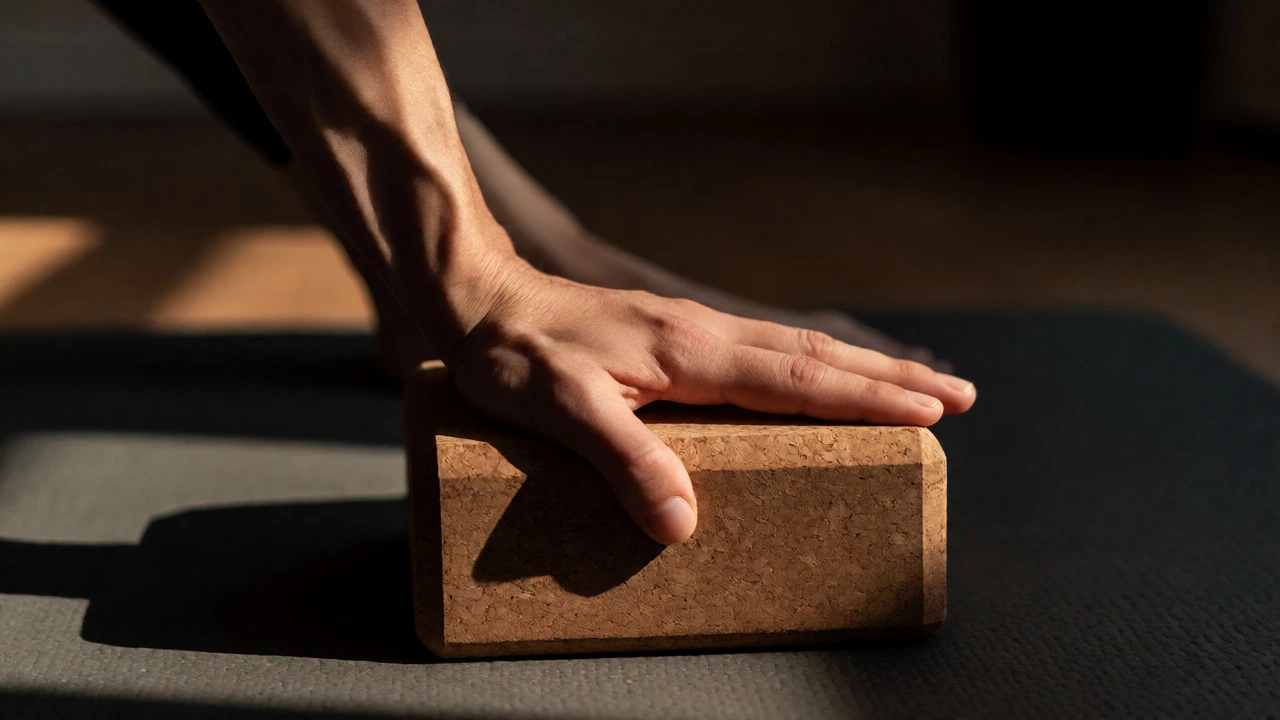
But here’s the good news: you can modify almost every pose. Using props isn’t cheating; it’s smart training. A Yoga Block brings the floor closer to you, reducing strain on the back and allowing proper alignment. If you can’t reach the floor in Triangle Pose, place your hand on a block instead of straining to touch the ground. This prevents injury and builds correct muscle memory.
| Pose Name | Primary Muscle Groups | Common Beginner Struggle | Easy Modification |
|---|---|---|---|
| Warrior II | Quads, Glutes, Core | Front knee collapsing inward | Shorten stance width |
| Cobra Pose | Spine extensors, Chest | Lower back pinching | Keep elbows bent close to ribs |
| Tree Pose | Ankles, Calves, Core | Falling over due to balance issues | Place toe on ankle, not knee |
| Child’s Pose | Hips, Thighs, Ankles | Knee discomfort | Place blanket under knees |
Mental Barriers: The Hardest Part Isn’t Physical
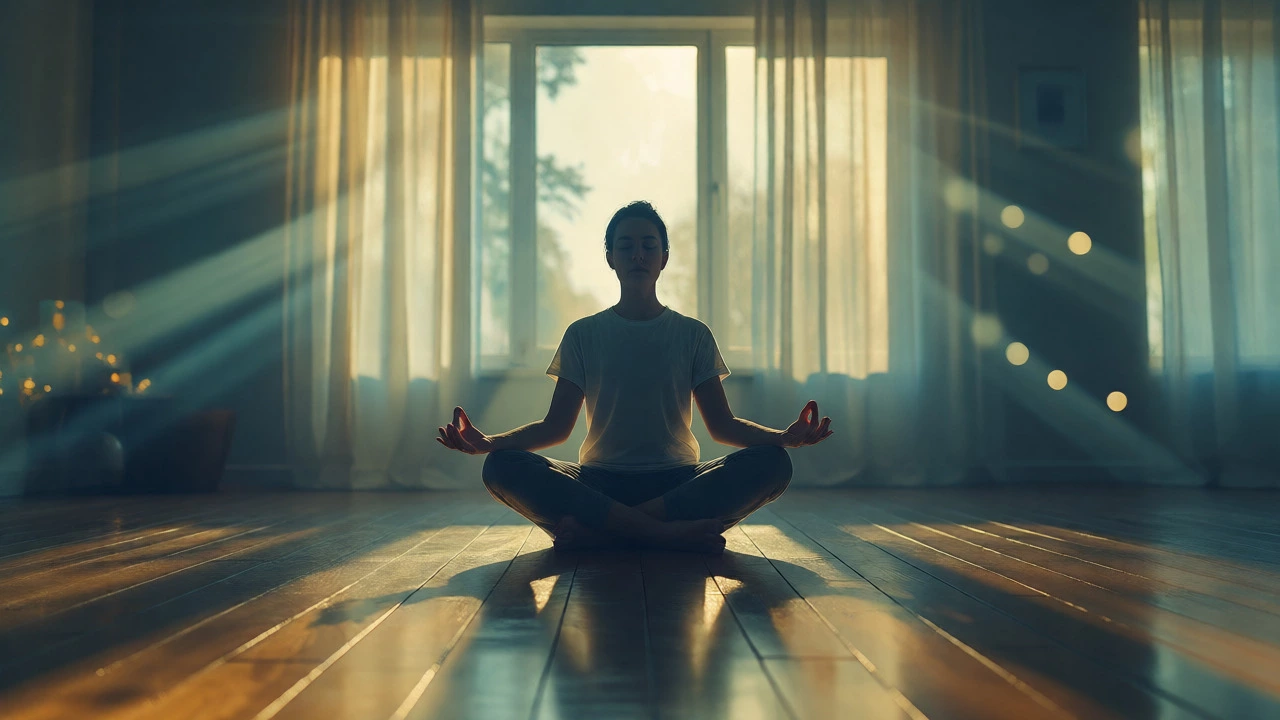
Ask any experienced yogi what was hardest when they started, and most won’t say "touching my toes." They’ll say "shutting up my brain." Yoga requires mindfulness, which is surprisingly difficult for modern humans accustomed to constant stimulation. During a ten-minute hold in a quiet room, your mind races. You worry about work, dinner, or whether you’re doing the pose correctly.
This mental resistance creates perceived difficulty. When your mind says "this is uncomfortable, stop," you interpret that discomfort as failure. But discomfort is often just sensation. Learning to observe it without reacting is a skill called equanimity. It takes practice. Initially, you might find yourself frustrated by the silence. Give it time. Within four to six weeks of regular practice, many beginners report feeling calmer during the session, even if their physical abilities haven’t changed dramatically.
Choosing the Right Style for Your Fitness Level
Not all yoga is created equal. Walking into a hot Bikram class expecting a gentle stretch can lead to heat exhaustion and discouragement. Understanding the spectrum of intensity helps you pick a class that matches your current capability.
- Gentle or Restorative Yoga: Best for absolute beginners or those recovering from injury. Uses props extensively and focuses on relaxation. Difficulty level: Low.
- Hatha Yoga: The standard entry point. Slower pace, focus on alignment. Great for learning basics. Difficulty level: Moderate-Low.
- Vinyasa Flow: Links breath with movement. Faster pace, can be cardio-intensive. Requires some prior familiarity with poses. Difficulty level: Moderate-High.
- Power Yoga: Athletic, strength-focused, often no breaks between poses. Not recommended for day-one beginners. Difficulty level: High.
If you’re unsure, start with Hatha. It teaches you the names and mechanics of poses so that when you eventually try Vinyasa, you aren’t confused by rapid transitions. Confusion adds unnecessary cognitive load, making the class feel harder than it needs to be.
Practical Tips to Reduce Perceived Difficulty
You can make yoga significantly easier by adjusting your approach. Here are concrete steps to smooth out the learning curve:
- Arrive Early: Talk to the instructor. Tell them you’re new. They can offer adjustments and warn you about tricky sequences. This reduces anxiety.
- Use Props Without Shame: Blocks, straps, and bolsters are tools, not crutches. A strap helps you deepen a hamstring stretch without rounding your back. This makes poses feel more effective and less painful.
- Focus on Breath, Not Shape: If you forget the pose, return to your breath. Deep, rhythmic breathing signals safety to your nervous system, helping muscles release tension naturally.
- Consistency Over Duration: Twenty minutes daily beats two hours once a week. Frequent exposure reinforces neural pathways, making movements feel smoother faster.
- Ignore the Neighbor: The person next to you might have been practicing for years. Comparing yourself to them steals joy and increases pressure. Focus on your own mat.
Timeline: How Long Until It Feels Easier?
Realistically, expect a adjustment period. Weeks 1-2 often feel clumsy. You might feel uncoordinated or overly tired. By Week 4, your body starts remembering sequences. You’ll spend less energy figuring out where to put your feet and more energy on breathing. By Month 3, many beginners notice improved posture and reduced stiffness in daily life.
Don’t measure progress solely by how deep you can fold forward. Look for subtler signs: Can you stand in Mountain Pose for five minutes without fidgeting? Do you feel calmer after class than before? These are wins. Yoga is a marathon, not a sprint. The difficulty decreases as competence increases, but competence comes from showing up, even when it feels awkward.
Do I need to be flexible to start yoga?
No. Flexibility is a result of yoga, not a prerequisite. Beginners often have tighter muscles, which means they may actually see faster initial gains in range of motion compared to already flexible individuals. Start with modifications and use props to support your body.
Which type of yoga is easiest for beginners?
Hatha Yoga is generally considered the best starting point because it moves slowly and emphasizes proper alignment. Gentle Yoga or Restorative Yoga are also excellent options if you want a very low-intensity introduction focused on relaxation and stretching.
Why does yoga feel so hard physically?
Yoga challenges muscular endurance and stabilizer muscles that aren't typically used in everyday activities. Holding poses requires isometric strength, which can cause shaking and fatigue. Additionally, unfamiliar movement patterns require high concentration, which is mentally taxing at first.
How often should a beginner practice yoga?
Aim for 2-3 times per week. This frequency allows your body to adapt and recover. Daily short practices (10-15 minutes) are also beneficial for building habit and mobility, but rest days are important to prevent overuse injuries.
Can older adults start yoga?
Yes, absolutely. Yoga is scalable for all ages. Older adults benefit from improved balance, joint health, and bone density. Chair yoga is a great option for those with limited mobility. Always consult a doctor if you have existing health conditions.