Tennis Tournaments April 23, 2026
Playing Tennis All Year Round: A Complete Seasonal Guide
Seasonal Tennis Gear & Strategy Planner
Select your current season to get a tailored setup guide for your game.
🛠️ Recommended Setup
⚠️ Critical Tip
Training Goal
Ideal Surface
Think you have to pack your rackets away the second the first leaf hits the ground? Think again. The short answer is yes, you can absolutely play tennis 365 days a year, but your strategy has to change with the thermometer. Trying to play a high-intensity match in a January drizzle using the same gear you wore in July is a recipe for a cold, miserable afternoon and a potentially pulled muscle.
To make this work, you need to understand that year-round tennis is a flexible approach to the sport that balances outdoor seasonal play with indoor facilities and climate-specific equipment. It isn't just about finding a court; it's about adjusting your physical preparation and expectations based on the environment.
Quick Tips for Every Season
- Spring: Focus on agility and warming up longer as muscles wake up from winter.
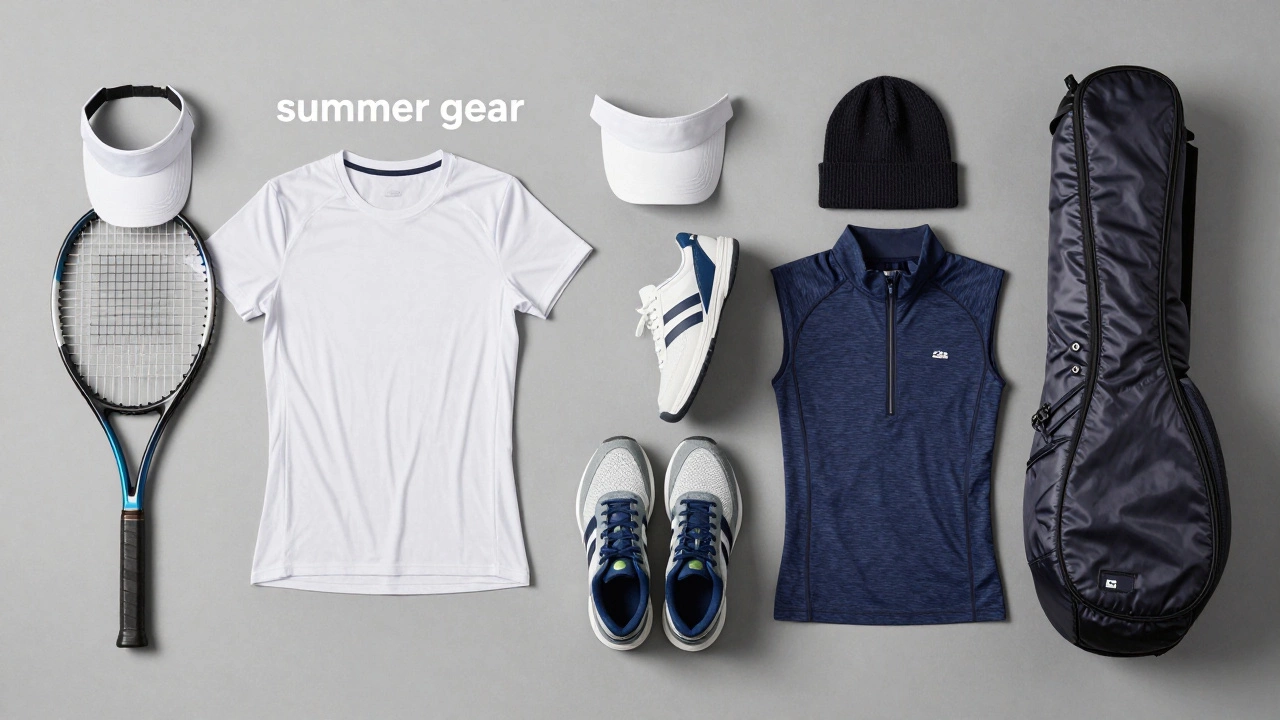
- Summer: Hydration is everything. Play early morning or late evening to avoid heatstroke.
- Autumn: Transition to more wind-resistant clothing and check court drainage.
- Winter: Move indoors or invest in high-quality thermal layers.
Mastering the Winter Transition
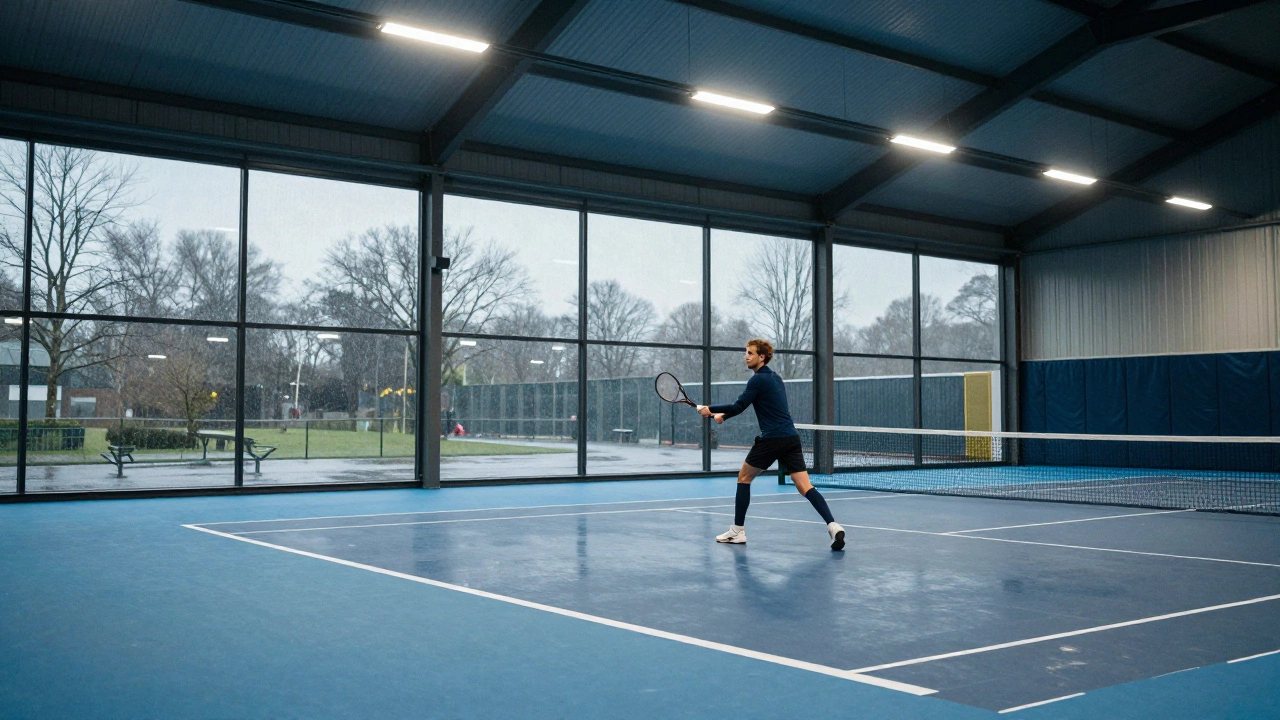
When the temperature drops, the biggest hurdle isn't just the cold-it's the surface. Most outdoor courts become slippery and dangerous when wet. This is where Indoor Tennis Courts become your best friend. These facilities use enclosed environments with controlled heating and lighting to keep the game going regardless of the weather outside.
If you don't have access to a club, look for community sports centers. Playing indoors changes the game's physics; without wind, the ball travels more predictably, which is a great time to work on your precision and timing. However, the lack of breeze can sometimes make the game feel faster, so be prepared to adjust your reaction time.
If you're brave enough to stay outdoors, your gear needs an upgrade. Standard gym clothes won't cut it. You need moisture-wicking base layers that trap heat without making you feel like you're wearing a sauna suit. A lightweight windbreaker is essential to stop the chill from cutting through your clothes during the gaps between points.
Navigating Summer Heat and Humidity
Summer is the peak of the tennis season, but it brings its own set of challenges. High temperatures affect not just your body, but your equipment. Have you noticed how your strings feel different in 30°C heat compared to 10°C? Tennis Strings, especially polyester ones, can lose tension faster in extreme heat, making your shots fly long.
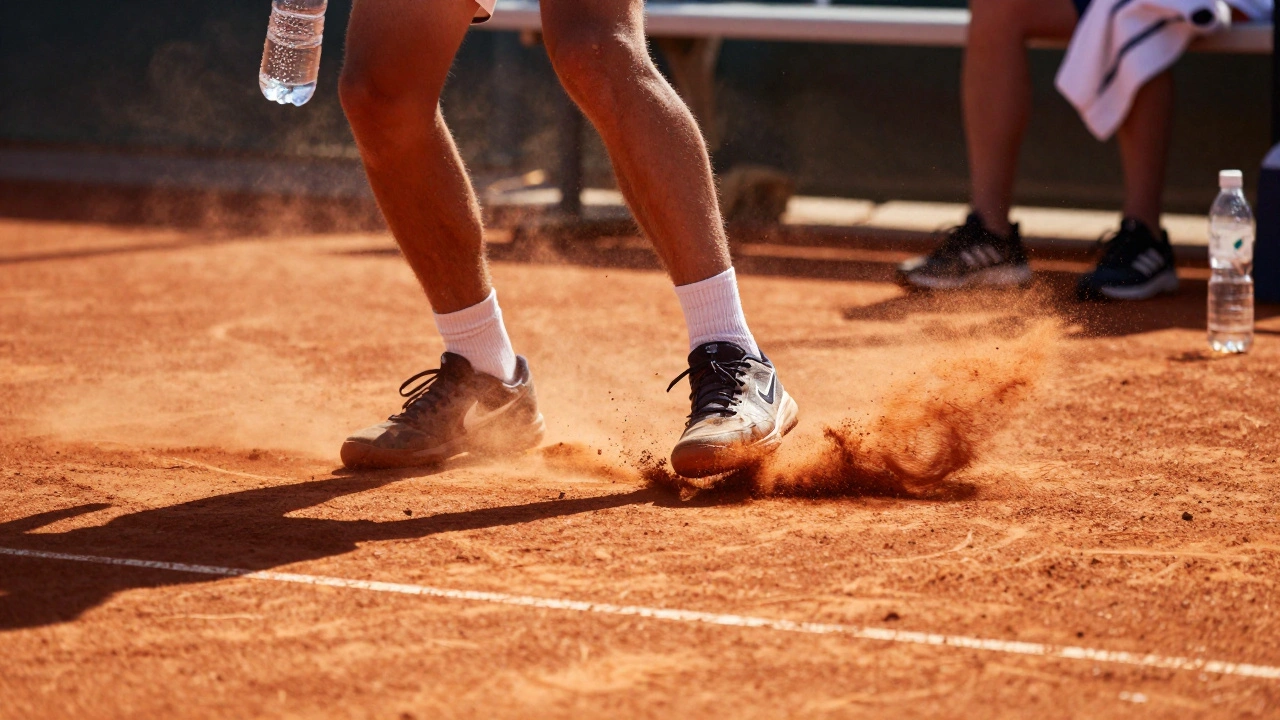
To keep your game consistent, consider switching to a string with higher temperature stability or re-stringing more frequently. Also, pay attention to the surface. Grass Courts, common in the UK and famous for the Wimbledon Championships, are incredibly fast and punish errors. Clay Courts, like those used at Roland Garros, slow the ball down but can become grueling in the summer sun due to the physical effort required to slide and recover.
| Surface Type | Best Season | Ball Speed | Physical Impact | Key Maintenance |
|---|---|---|---|---|
| Hard Court | Spring/Autumn | Medium-Fast | High (Joint stress) | Resurfacing every 5-10 years |
| Clay Court | Summer | Slow | Medium (Sliding) | Daily watering/brushing |
| Grass Court | Summer | Very Fast | Low (Surface soft) | Constant mowing/rolling |
The Role of Conditioning and Injury Prevention
Your body doesn't react the same way to a sprint in December as it does in June. In the winter, your muscles and tendons are naturally tighter. Jumping straight into a match without a proper warm-up is how most people end up with a strained calf or a tweaked shoulder. Spend at least 15 minutes on dynamic stretching-arm circles, leg swings, and light jogging-before you even touch the racket.
During the off-peak months, shifting some of your focus to Cross-Training can keep your game sharp. Working on core strength and balance in a gym helps you maintain the explosive power needed for serving and volleying. If you can't get to a court, hitting against a wall is a fantastic way to maintain your hand-eye coordination and stroke rhythm.
Equipment Management for the Long Haul
If you're playing all year, your gear will take a beating. Rackets aren't invincible. Extreme temperature swings can cause the frame to stress or the grip to degrade. I recommend using a racquet bag with thermal lining if you live in a place with harsh winters; this protects the strings from becoming brittle.
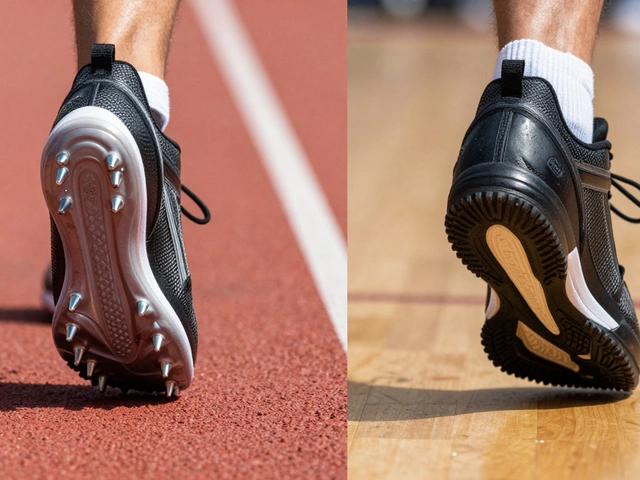
Shoes are another critical point. You shouldn't use the same pair for every surface. Using a hard-court shoe on clay will leave you sliding uncontrollably and likely ruin the sole. Likewise, grass-court shoes have a specific tread pattern to prevent you from slipping on the dew. Switching your footwear based on the season and surface is the simplest way to avoid ankle injuries.
Adapting Your Training Goals by Quarter
Since you aren't bound by the calendar, you can treat the year as a cycle of growth. Instead of just "playing," use the seasons to target specific improvements.
- Winter (The Technical Phase): Use the controlled environment of indoor courts to fix your grip, work on your footwork patterns, and refine your serve technique without wind interference.
- Spring (The Conditioning Phase): As the weather breaks, increase your intensity. Work on your endurance and speed to prepare for the more demanding summer matches.
- Summer (The Competitive Phase): This is the time for tournaments and match play. Put your winter technical work and spring fitness to the test in real-game scenarios.
- Autumn (The Recovery Phase): Focus on flexibility and light maintenance. It's a good time to analyze your game footage from the summer and plan your winter goals.
Is it safe to play on outdoor hard courts when it's cold?
Yes, provided the court is dry. However, the ball will feel "heavier" and less bouncy, and your muscles will be tighter. It is critical to warm up for twice as long as you would in summer to avoid strains. If there is any ice or frost on the court, avoid playing as it becomes dangerously slippery and can damage the court surface.
How do I keep my tennis strings from breaking in winter?
Extreme cold can make some string materials brittle. To prevent this, keep your rackets in a thermal bag and avoid leaving them in a cold car overnight. If you notice the strings feel stiff or "dead," it might be time to switch to a different gauge or material that handles cold temperatures better.
Do I need different balls for different seasons?
Generally, no, but you should check if your balls are "pressureless." Pressureless balls are more durable and maintain their bounce better in cold weather, though they feel different to hit. Standard pressurized balls lose their bounce faster in the cold.
Can I play on clay courts in the winter?
In most climates, clay courts are closed during winter. The moisture and freezing temperatures can ruin the clay structure, causing it to clump or crack. Most clubs will only open clay courts once the ground has thawed and dried sufficiently in the spring.
What are the best clothes for winter tennis?
Layering is the secret. Start with a synthetic, moisture-wicking base layer to keep sweat away from your skin. Add a thermal mid-layer (like a fleece or athletic sweater), and top it off with a wind-resistant jacket. Don't forget thermal socks and perhaps a light beanie to keep your head warm, as a lot of heat escapes from there.
Final Steps for Year-Round Success
If you're just starting your transition to a full-year schedule, start by auditing your local facilities. Find out which courts are lit for winter evenings and which clubs offer indoor memberships. Once you have your venue, reorganize your gear-separate your "summer kit" from your "winter kit" so you aren't scrambling for a jacket five minutes before your match.
Remember that consistency beats intensity. It's better to play two hours a week in a comfortable indoor setting during January than to force one outdoor session in the freezing rain and end up with a cold that sidelines you for a month. Adjust your goals, protect your joints, and enjoy the game no matter what the calendar says.