Sports Equipment February 26, 2026
Do Athletes Use Their Own Equipment? What Really Happens on and Off the Field
When you watch a professional athlete crush a home run, sink a three-pointer, or sprint past the finish line, it’s easy to assume they’re using gear they picked out themselves. But the truth? It’s rarely that simple. Do athletes use their own equipment? The answer isn’t yes or no-it’s complicated, messy, and shaped by money, contracts, and performance science.
It’s Not Theirs, It’s Theirs-Until It’s Not
Most elite athletes don’t buy their own gear. They don’t walk into a store, pick out a bat, a pair of cleats, or a helmet, and pay for it themselves. Instead, they’re signed to endorsement deals. These aren’t just sponsorships-they’re legal contracts that tie the athlete to a brand. In exchange for wearing, using, and promoting specific products, they get free gear, cash payments, bonuses, and sometimes equity in the company.
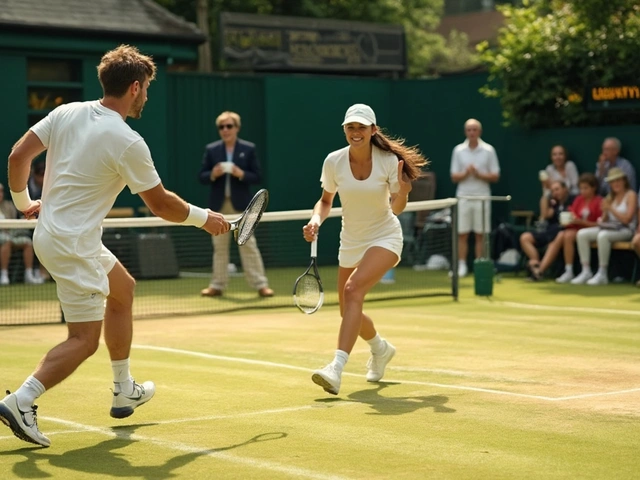
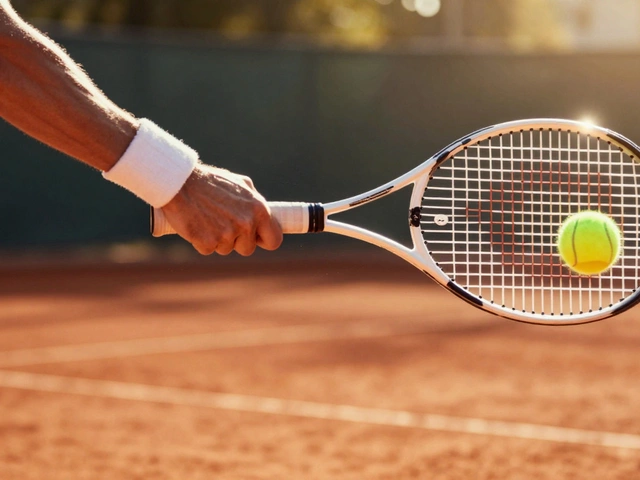
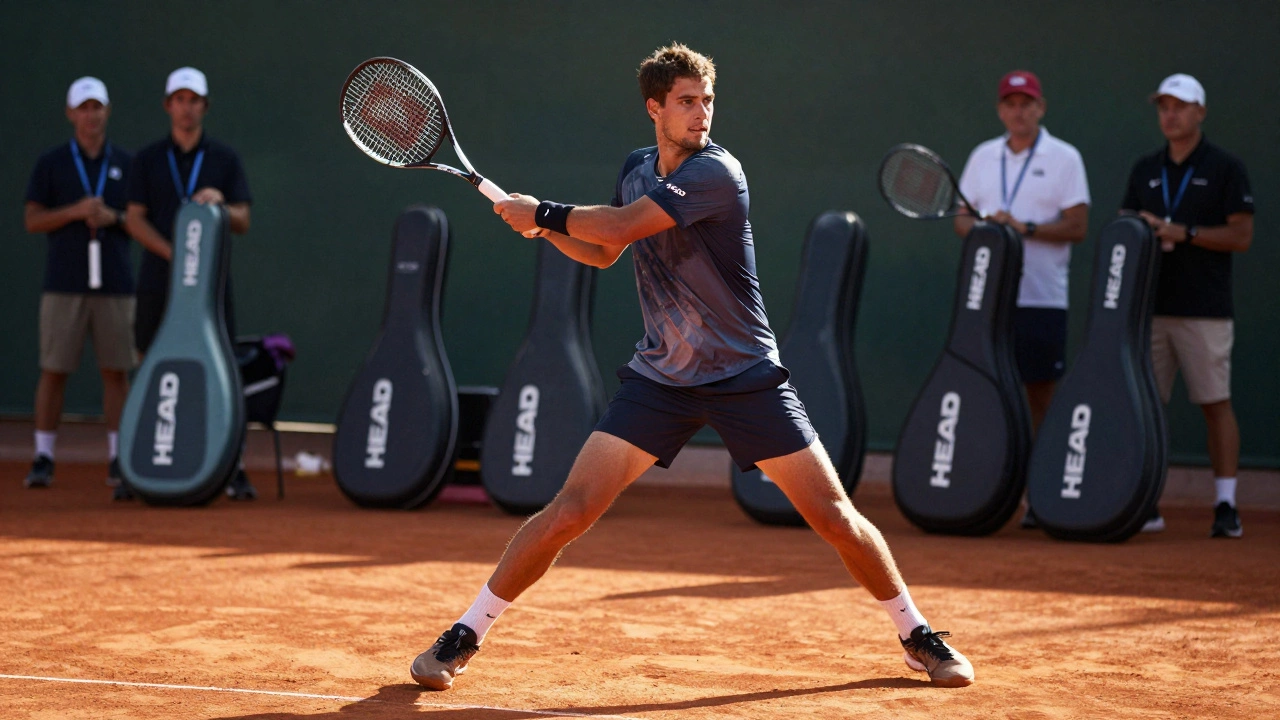
Take tennis. Novak Djokovic wears Nike shoes and uses Head rackets. But he didn’t choose those brands because he liked the color. He signed with them because they offered the best deal-performance tech, custom fit, and global exposure. The gear he uses? It’s technically theirs. He’s just the face of it.
Same goes for football. When Patrick Mahomes throws a spiral, he’s using a Wilson NFL football. But that ball isn’t sitting on his shelf at home. It’s provided by Wilson under contract. He might get a few to keep as memorabilia, but the ones he plays with? They’re inventory.
What About Customization? Isn’t That Theirs?
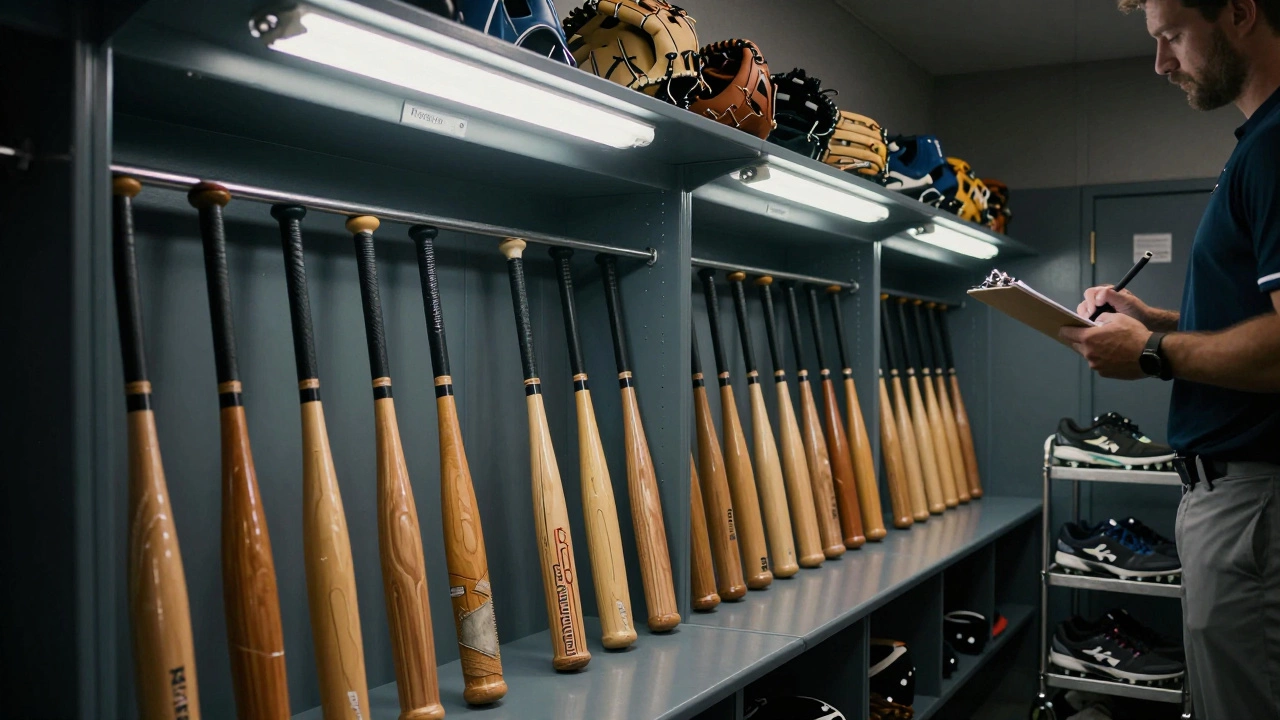
Here’s where things get interesting. Even though the gear is owned by the brand, athletes often get custom versions. A baseball bat might have their name, weight, grain pattern, and knob shape tweaked to match their swing. A running shoe might have a unique cushioning setup based on their foot strike data. A hockey stick might be carved to their exact flex and curve.
This isn’t just a perk-it’s performance engineering. Teams and brands work together to build gear that fits the athlete like a second skin. The materials, the balance, the grip-all are fine-tuned using motion capture, pressure mapping, and biomechanics labs. So while the bat is branded Rawlings, the version the player uses? It’s built for them, not for the store shelf.
That’s why you’ll see athletes with gear that looks slightly different from what’s sold to the public. It’s not a marketing trick. It’s science.
Amateur and College Athletes? Different Story
At the college level, things get messy. NCAA rules used to ban athletes from profiting off their name or image. That meant even if a player used a brand’s gear, they couldn’t post about it on social media. Now? NIL (Name, Image, Likeness) rules let college athletes sign deals. But most don’t have the leverage of pros.
So what do they use? Often, it’s whatever the team provides. A school might have a bulk deal with Adidas for uniforms and cleats. The athlete gets the gear, but doesn’t own it. If they leave the team, they have to return it.
Some athletes, especially in niche sports like rowing or fencing, do buy their own gear. A competitive rower might spend $2,000 on a custom shell. A fencer might spend hundreds on a glove and mask. But even then, they’re often sponsored by brands that supply replacements if something breaks.
What Happens When Gear Breaks?
Imagine a pitcher snapping his glove mid-game. Or a cyclist snapping a crank arm on a climb. What do they do?
At the pro level, teams have equipment managers who carry backups-often dozens of identical items. The gear isn’t just replaced. It’s replaced with the exact same model, same color, same wear pattern. Why? Because the athlete’s body has adapted to that specific feel. A new glove, even from the same brand, might feel off. That’s why teams keep spare gear in the exact same condition.
Some athletes even have their gear “broken in” before they use it. A baseball glove might be steamed, oiled, and worn for weeks before game day. A hockey stick might be taped and scraped to match the player’s preferred grip. This isn’t superstition-it’s physics.
Do Any Athletes Actually Own Their Gear?
Yes-but only in specific cases.
Some athletes, especially in endurance sports, buy their own gear. Marathoners often choose their own shoes based on personal fit and feel. They might get a discount from the brand, but they pay for it themselves. Same with triathletes: wetsuits, bikes, and helmets are often personal purchases.
Then there are the outliers. A few athletes, like golfer Tiger Woods or cyclist Chris Froome, have had their own gear lines. Woods’ Nike clubs were designed with him. Froome’s bikes were built to his exact specs. In those cases, they’re not just users-they’re co-designers.
And then there’s the rare case: the athlete who refuses to sign a deal. A few players in lower leagues, or those in sports with no major sponsors (like weightlifting or table tennis), buy their own gear. They might scrimp and save. They might use hand-me-downs. But they’re the exception.
Why Does This Matter?
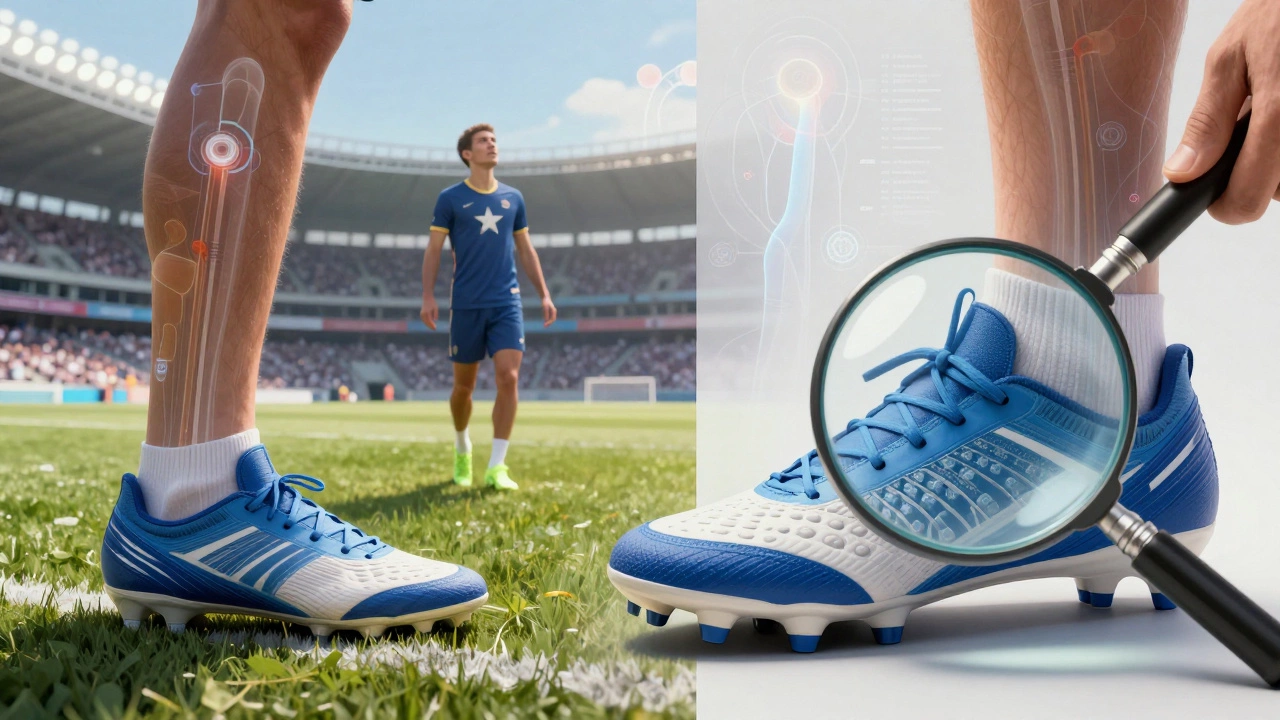
Because gear isn’t just equipment. It’s part of performance. A shoe that doesn’t fit right can cause injury. A bat that’s too heavy can slow your swing. A helmet that doesn’t sit right can change your reaction time.
When brands control the gear, they control the athlete’s edge. That’s why companies spend millions testing prototypes with athletes before releasing them. The gear you see in ads? It’s been tested by pros who didn’t pick it. They were paid to use it.
And when an athlete switches brands? It’s not just a marketing shift. It’s a performance reset. They have to relearn how to move with new gear. That’s why you’ll see a player struggle after a gear change-even if the new gear is objectively better.
What About the Fans?
Here’s the irony: fans buy the exact gear their favorite athletes use. But they’re buying the mass-market version. The one with standard weight, standard fit, standard padding. The pro version? It’s not sold to the public. It’s too expensive. Too specialized. Too customized.
So when you buy the same cleats as your favorite quarterback, you’re not getting what he uses. You’re getting a version designed for the average foot. The real gear? It’s locked in the locker room.
Bottom Line
Do athletes use their own equipment? Technically? No. But they use gear built for them-with their name on it. The line between ownership and access is blurry. For most pros, it’s not about who owns the gear-it’s about who controls the tech, the fit, and the performance edge. And that’s usually not the athlete. It’s the brand.
Next time you see a player celebrating with their gear, remember: they didn’t pick it. They were paid to wear it. And the version you can buy? It’s not the same.
Do professional athletes pay for their own equipment?
Almost never. Elite athletes get their gear through endorsement deals. Brands provide equipment for free in exchange for exposure and promotion. The gear is branded and owned by the company, not the athlete. Even if the athlete uses it daily, it’s still company property.
Can athletes use gear from any brand they want?
No. Most professional leagues and teams have strict equipment contracts. Athletes are legally bound to use specific brands. Breaking these contracts can lead to fines, loss of sponsorship, or even team discipline. Even if an athlete prefers a different brand, they’re usually locked into their deal for years.
Why don’t athletes just use their own gear if they’re good enough?
Because gear isn’t just about preference-it’s about performance science. Top brands invest millions in R&D, testing, and customization. A pro athlete’s bat, shoe, or racket is often a one-of-a-kind prototype built from their body data. No store-bought version matches it. Even if they could afford it, they wouldn’t get the same edge.
Do college athletes use their own equipment?
Most don’t. College teams provide gear through institutional contracts. Even with NIL deals, most athletes can’t afford to buy their own high-end gear. Some may get discounts or free items from sponsors, but ownership is rare. The gear usually belongs to the school and must be returned after the season.
Can fans buy the exact same gear as pros?
Almost never. The gear used by professionals is custom-made: different weight, flex, padding, or fit. It’s built for one person’s body and movement. The version sold to the public is a standardized model designed for the average user. It looks similar-but it doesn’t perform the same.