Running Shoes October 11, 2026
Can I Use Running Shoes for Everyday Wear? A Practical Guide
Running Shoe Lifespan & Wear Estimator
Calculate how long your running shoes will last when used for both running and daily wear.
Your Usage Profile
Average miles run per week.
Average steps taken per day (approx. 2,000 steps = 1 mile).
Enter your usage details to see estimated lifespan and tips.
You bought a top-tier pair of running shoes because you wanted to crush your 5K. But now they’re sitting in your closet, and you’re wondering if you can just wear them to the grocery store or the office. It’s a common dilemma. You want that cloud-like cushioning all day long, but you also don’t want to destroy a $150 piece of equipment by walking on concrete.
The short answer is yes, you absolutely can. But there’s a catch. Using running shoes for daily life changes how they age, how they feel after eight hours, and whether they’ll still be good for actual running when you need them. Let’s break down exactly what happens when you switch from pavement pounding to sidewalk strolling.
Why Running Shoes Feel So Good Off the Track
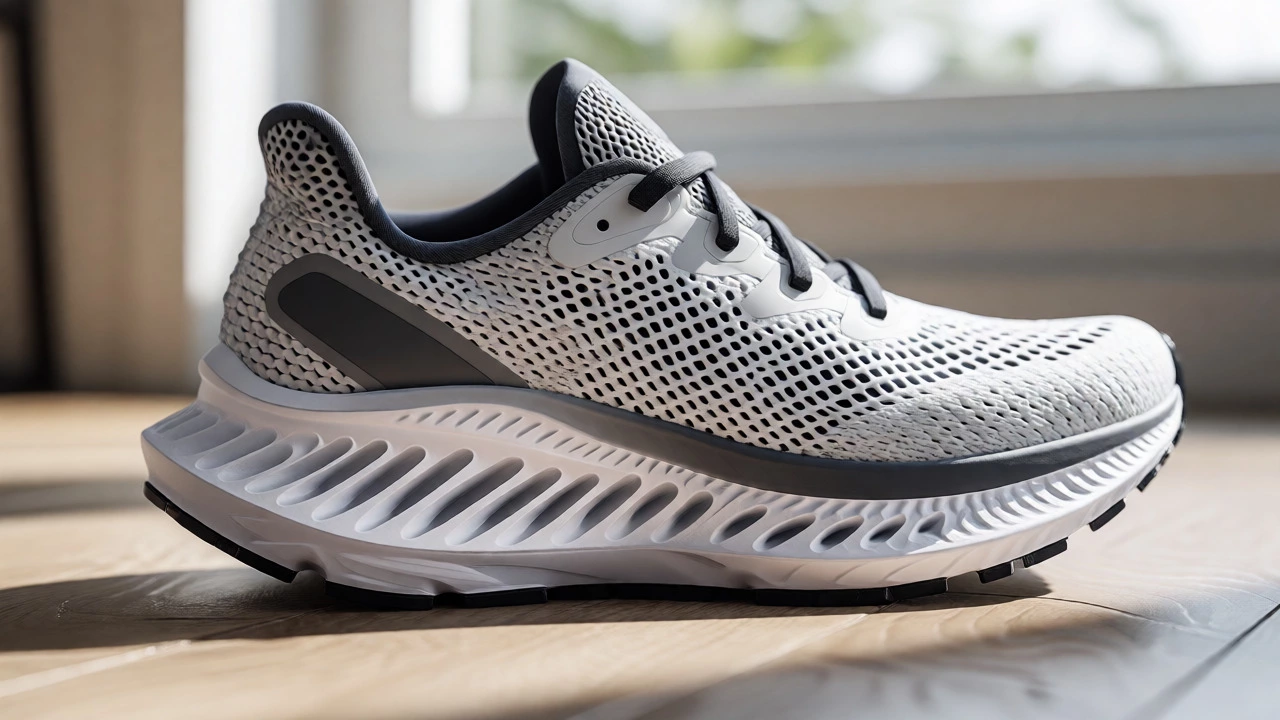
Let’s be honest: modern running shoes are engineering marvels. Brands like Nike, Adidas, and Brooks spend millions developing foams that return energy with every step. Technologies like ZoomX or Boost aren’t just marketing fluff; they physically compress and rebound under load.
When you walk, you’re not generating the same force as when you run. This means the foam doesn’t compress as deeply. For many people, this feels amazing initially. Your feet float. The arch support holds you up. The breathability keeps your toes cool. If you stand at work for six hours, a pair of max-cushion trainers often beats a flat-soled sneaker any day of the week.
The Hidden Cost of Wearing Running Shoes Everywhere
Here is where it gets tricky. Running shoes are specialized tools. They are designed to move forward efficiently. They have features optimized for high-impact, repetitive motion. When you use them for general tasks-standing in line, twisting to grab something off a shelf, walking on uneven terrain-you introduce stress patterns they weren’t primarily built for.
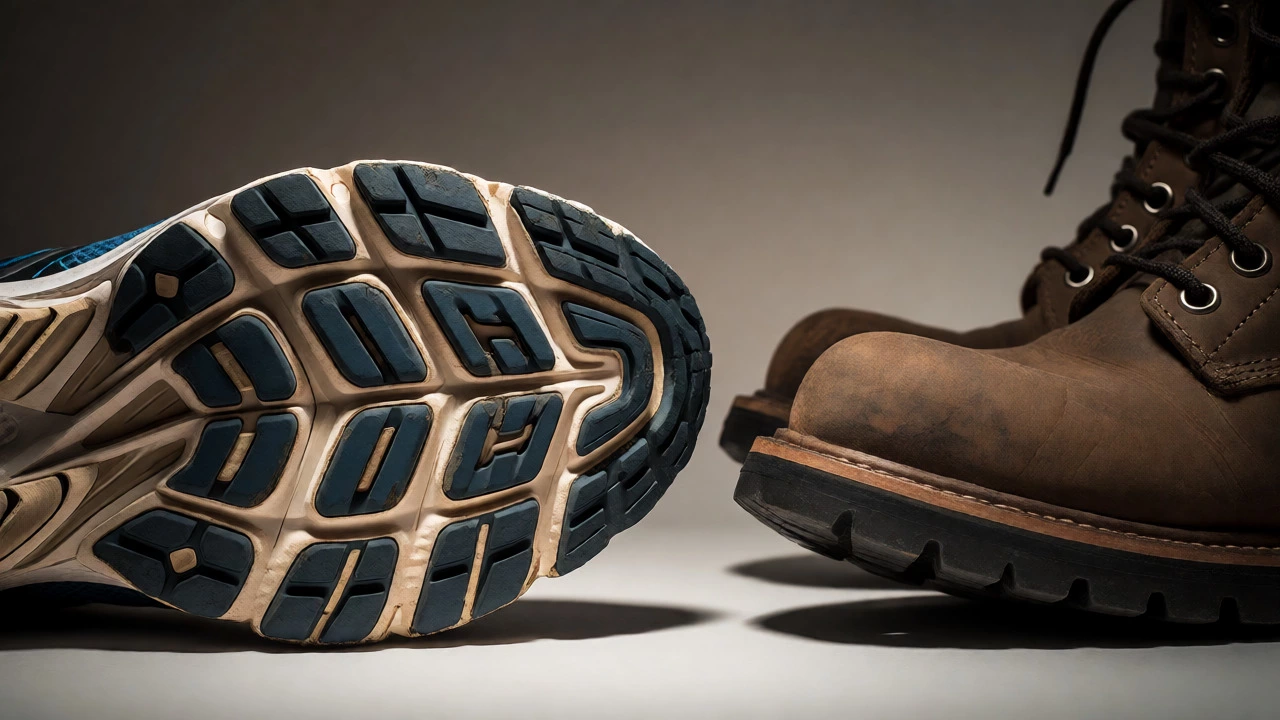
Consider the outsole rubber. On a road runner, the rubber is placed strategically where runners strike the ground (usually heel or midfoot). It’s often thinner in other areas to save weight. Walking involves more scuffing, twisting, and dragging than running does. You might find that the toe area wears down faster than expected, or that the tread pattern clogs up with city grime, losing its grip.
Then there’s the upper material. Many performance runners use engineered mesh that is lightweight but delicate. Daily wear exposes these materials to abrasion from car doors, backpack straps, and rough surfaces. You might see pilling or tearing much sooner than you would on a sturdy leather boot or a canvas sneaker.
Durability: How Long Will They Last?
If you use one pair of shoes for both running and walking, you’re effectively doubling their mileage. A typical running shoe lasts between 300 and 500 miles. That sounds like a lot until you realize that an average person walks about 3 to 4 miles a day just living their life.
By wearing your running shoes for everything, you might burn through their lifespan in three months instead of six. More importantly, the degradation isn’t linear. The midsole foam-the part that gives you the bounce-breaks down over time regardless of mileage, but compression sets in faster if the shoe is constantly compressed without full recovery periods. Running shoes need air-out time. If you wear them every single day without rotation, the foam stays compressed, leading to a "dead" feeling before the shoe looks worn out.
| Feature | Running Shoes | Casual Sneakers |
|---|---|---|
| Cushioning | High energy return, soft | Basic impact absorption |
| Weight | Lightweight (often < 9 oz) | Moderate to Heavy |
| Stability | Forward-motion focused | Broad base for standing |
| Durability | Lower (specialized materials) | Higher (robust construction) |
| Aesthetics | Sporty, technical look | Versatile, minimalist |
Biomechanics: Is Walking Bad for Running Shoes?
Not necessarily bad, but different. Running is a ballistic activity. You are airborne for a portion of each stride. Walking is always grounded. One foot is always on the ground. This changes the mechanics significantly.
Running shoes often have a rocker geometry-a curved sole that helps roll you forward during a run. In walking, this curve can sometimes feel unstable if you have weak ankles or poor balance. You might find yourself compensating with your hips or knees to stay upright. Conversely, some stability running shoes have medial posts (firm foam on the inner side) to prevent overpronation. During walking, you might not pronate enough to trigger that support, making the shoe feel lopsided or uncomfortable.
If you have flat feet or plantar fasciitis, this distinction matters even more. What supports you during a high-impact run might not provide the static support you need while standing still for twenty minutes.
Style and Social Acceptance
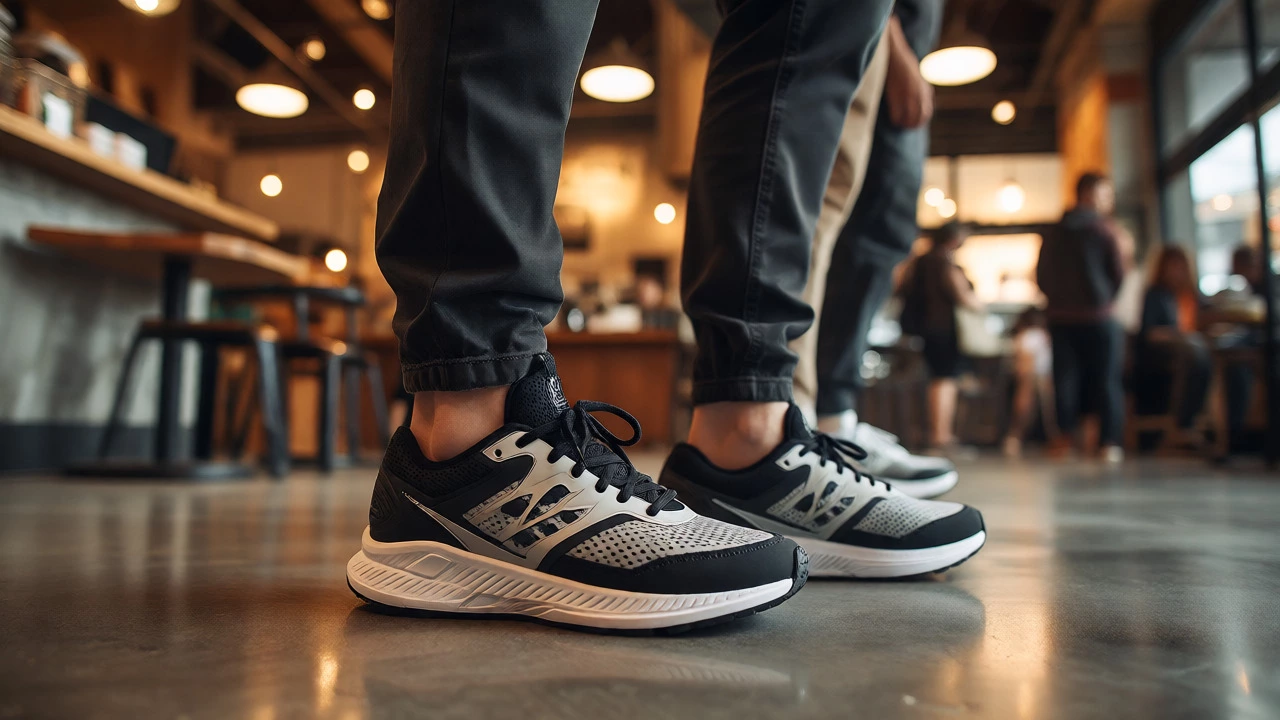
Let’s address the elephant in the room: do they look okay? Ten years ago, wearing athletic gear outside the gym was a fashion faux pas. Today, the lines are blurred. Athleisure is mainstream. Wearing Hoka Cliftons or New Balance Fresh Foam to a coffee shop is perfectly acceptable in most urban settings.
However, context is key. Chunky trail runners with aggressive lugs might look out of place in a sleek, minimalist office environment. Sleek road racers, on the other hand, often pass as lifestyle sneakers. If you’re worried about looking too sporty, opt for neutral colorways-black, white, grey-and avoid neon accents. You can get the comfort benefits without screaming "I just came from a marathon."
How to Make Them Last Longer
If you decide to go all-in on running shoes for daily wear, you can mitigate the downsides with a few simple habits.
- Rotate your pairs: Never wear the same running shoes two days in a row. Give the foam 24-48 hours to decompress. This extends the life of the midsole significantly.
- Keep them clean: City grit acts like sandpaper inside the shoe. Brush off dirt regularly to preserve the upper fabric and outsole tread.
- Use them wisely: Save your expensive carbon-plated racers for race day. Use durable, max-cushion trainers for daily errands. These are built tougher and handle abuse better.
- Watch for asymmetry: Check the wear pattern on the sole. If one side is wearing down much faster, your gait might be changing due to fatigue or injury. It’s a warning sign to rest or see a specialist.
When You Should Buy Separate Shoes
There are scenarios where using running shoes for everything is a mistake. If you work on your feet all day in a kitchen or warehouse, you need slip resistance and wide-base stability. Running shoes are often narrow and slippery on wet tile. Invest in proper work shoes.
Similarly, if you are training for a specific race, keep your daily shoes separate from your training shoes. Why? Because your body adapts to specific biomechanical inputs. Mixing purposes dilutes the training effect and accelerates wear on your primary trainer. Having a dedicated "beater" pair for errands preserves your "workhorse" pair for quality workouts.
Does wearing running shoes for walking ruin them?
It doesn't ruin them immediately, but it accelerates wear. Walking causes different friction points, particularly on the toe box and outer heel. Over time, this can degrade the outsole rubber and upper mesh faster than pure running would.
Are running shoes good for standing all day?
Generally, yes. The cushioning reduces fatigue compared to hard-soled dress shoes or flats. However, ensure the shoe has adequate arch support for static standing, as some minimal racing flats lack the structure needed for prolonged stationary positions.
How many miles should I expect from my daily running shoes?
If used for both running and walking, expect a lifespan of 300-400 miles rather than the standard 500. Monitor the midsole for permanent creasing or loss of rebound, which indicates the foam has broken down.
Can I wear running shoes to the office?
In most modern workplaces, yes. Choose neutral colors and cleaner designs. Avoid heavily textured trail shoes or shoes with loud branding if your office leans traditional. Pair them with chinos or dark jeans for a smart-casual look.
Is it cheaper to buy one pair for everything?
Initially, yes. But since you'll replace them twice as often, the cost per month is similar to buying two cheaper pairs. Plus, you lose the ability to rotate shoes, which further reduces their total lifespan.