Rugby Fixtures June 20, 2026
The Dark Side of Rugby: Injuries, Costs, and Cultural Barriers Explained
Rugby Commitment & Cost Estimator
Player Profile
Includes training, matches, and recovery.
Includes boots, mouthguards, pads, and jerseys. Premium includes frequent replacement of high-wear items.
Estimated Impact
Total Estimated Cost
£0
Based on current inputs
Weekly Time Commitment
0 Hours
This is equivalent to a part-time job.
Injury Risk Profile
Moderate
Standard collision sport risks apply. Focus on technique to minimize impact.
Cost Breakdown Details
| Expense Category | Est. Annual Cost | Total (Selected Duration) |
|---|
Rugby is often painted as the ultimate team sport. You hear about brotherhood, grit, and the sheer joy of a hard-fought match on a muddy Saturday afternoon. But if you’ve ever watched a tackle from the wrong angle or tried to join a club without a trust fund, you know there’s another side to the game. It’s not all glory and golden bootlaces. There are real, tangible downsides that keep potential players away and make current athletes question their commitment. From the physical toll that can last decades after you hang up your boots to the social barriers that make the sport feel exclusive, the negatives are worth discussing honestly.
Why do so many people love this game yet hesitate to recommend it? The answer lies in the gap between the romanticized image of rugby and the gritty reality of playing it. Whether you’re a parent wondering if you should let your child pick up a ball, a prospective player weighing the pros and cons, or just a fan curious about the sport's flaws, understanding these drawbacks is crucial. Let’s look past the highlight reels and examine what makes rugby difficult, dangerous, and sometimes disappointing.
The Physical Toll: Concussions and Chronic Pain
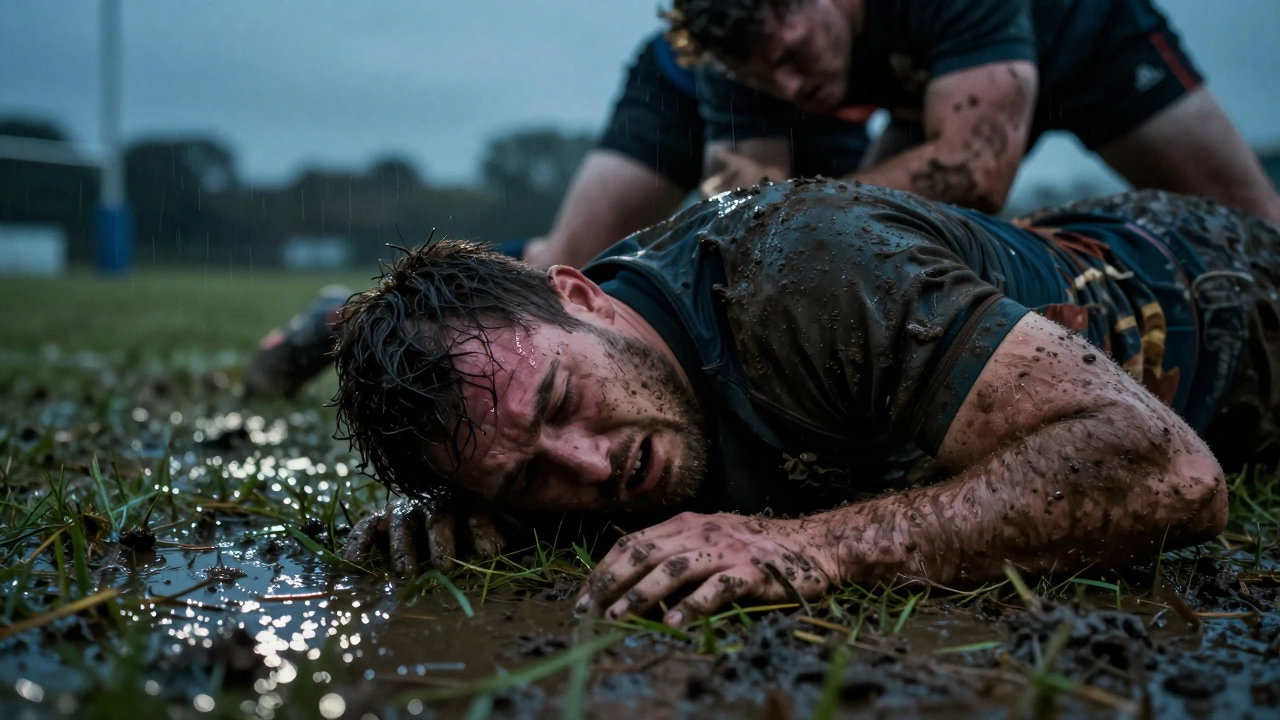
The most obvious negative aspect of rugby is the physical damage. This isn’t just about bruised shins or pulled muscles; it’s about long-term neurological and skeletal health. Rugby involves high-impact collisions at speed. When two 100kg+ players collide, the force is immense. While rules have tightened regarding head contact, the risk remains significant. Concussions are common. Even with proper technique, accidental head impacts happen. Repeated sub-concussive hits-those smaller bumps that don’t cause immediate symptoms-can accumulate over time. Studies link this accumulation to chronic traumatic encephalopathy (CTE), a degenerative brain disease found in many former professional players. Symptoms include memory loss, depression, and cognitive decline, often appearing years after retirement.
Beyond the brain, joints take a beating. Ankles, knees, and shoulders are particularly vulnerable. A simple ruck can lead to a torn ACL or a dislocated shoulder. Recovery times vary, but serious injuries can sideline a player for months or end their career prematurely. For amateur players, this means missing work, struggling with rehabilitation costs, and dealing with chronic pain that affects daily life. The idea that “pain is temporary” doesn’t hold up when you’re managing arthritis in your thirties because of tackles taken in your twenties. The physical sacrifice required to play at any level is substantial, and the body keeps score.
The Financial Barrier to Entry
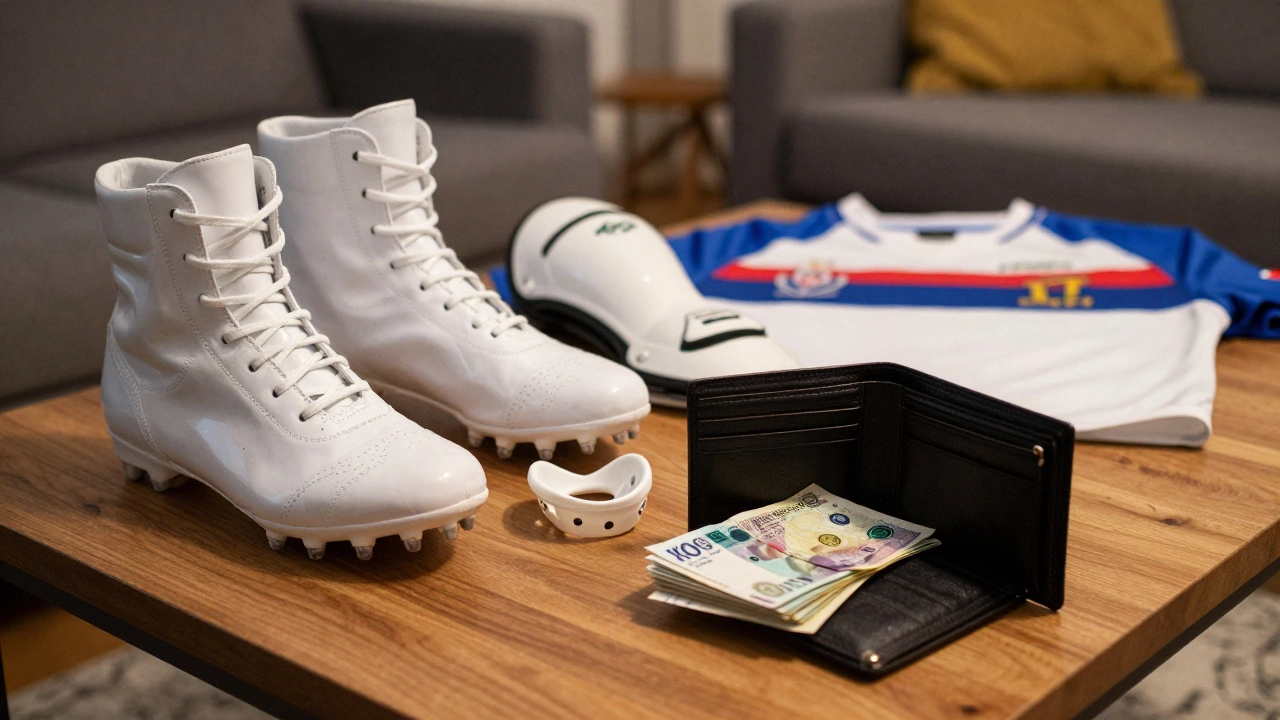
Rugby has a reputation for being an elitist sport, and financially, there’s truth to that stereotype. Unlike football or basketball, where talent can emerge from anywhere, rugby often requires significant investment. Boots alone can cost £100-£150. Add in mouthguards, shin pads, jerseys, and training gear, and the initial outlay quickly exceeds £300. Then there are club fees. Many clubs charge annual membership dues ranging from £100 to £500, depending on whether they’re community-based or semi-professional. Travel costs for away matches add up, especially for younger players whose parents drive them across the country for weekend tournaments.
This financial burden excludes talented individuals from lower-income backgrounds. If you grow up in a household where every penny counts, spending hundreds on sports equipment feels unjustifiable. Schools in underfunded areas may cut rugby programs due to lack of resources, further limiting access. The result is a player pool skewed toward those who can afford the privilege. This isn’t unique to rugby, but the culture of self-funding makes it more pronounced. For families considering the sport, the hidden costs can be a dealbreaker before a single ball is kicked.
Cultural Exclusivity and Social Pressure
Beyond money, rugby carries cultural baggage. Historically associated with private schools and upper-middle-class circles, the sport still struggles with perceptions of exclusivity. Newcomers, especially those from diverse ethnic or socioeconomic backgrounds, often report feeling like outsiders. Club cultures can be insular, with inside jokes, traditions, and social rituals that take years to decode. If you’re not invited to the post-match pub gathering, you miss out on the informal networking that strengthens team bonds. This social pressure can be isolating.
There’s also an expectation of conformity. Rugby values toughness, stoicism, and adherence to hierarchy. Questioning authority or showing vulnerability can be frowned upon, even though modern coaching emphasizes mental health. Players might hide injuries to avoid letting the team down, leading to worse outcomes later. The “man-up” mentality persists, discouraging open conversations about fear, anxiety, or burnout. For anyone who doesn’t fit the traditional mold-the quiet introvert, the non-conformist, or someone uncomfortable with aggressive displays-rugby’s social environment can feel unwelcoming. Breaking into these circles requires resilience beyond athletic ability.
Time Commitment and Lifestyle Impact
Rugby demands a huge chunk of your time. Training sessions typically run three to four times a week, each lasting 90 minutes to two hours. Add in match days, recovery protocols, strength conditioning, and travel, and you’re looking at 15-20 hours weekly. For students, this means sacrificing study time. For working professionals, it cuts into evenings and weekends. Families struggle to balance childcare, work, and match schedules. The intensity leaves little room for other hobbies or rest.
Burnout is real. Many players quit not because they lose interest, but because life gets in the way. The rigid schedule clashes with unpredictable job demands or academic deadlines. Missing a session can mean falling behind physically, creating stress. The pressure to maintain fitness levels year-round prevents true downtime. Even during off-seasons, maintenance workouts are expected. This relentless pace contributes to fatigue and resentment, turning passion into obligation. For those seeking flexibility, rugby’s structure can feel suffocating.
Injury Risks Beyond the Pitch
We’ve discussed concussions and joint injuries, but rugby’s danger extends to less visible areas. Dental trauma is surprisingly common. Teeth get knocked out or cracked during scrums or tackles, requiring expensive orthodontic repairs. Soft tissue damage, like muscle tears, happens frequently during sudden stops or changes in direction. These injuries aren’t always catastrophic, but they disrupt progress and require careful management.
Psychological scars also linger. Witnessing teammates suffer severe injuries can traumatize players. The fear of getting hurt again leads to hesitation on the field, reducing performance and enjoyment. Some players develop anxiety around contact situations, affecting their confidence. Mental health support within rugby clubs is improving, but stigma still exists. Admitting fear is seen as weakness, preventing early intervention. The emotional weight of carrying others’ expectations while risking personal safety creates a complex psychological burden.

Environmental and Logistical Challenges
Rugby is played outdoors, regardless of weather. Rain, snow, mud, and extreme heat are part of the experience. While some embrace the elements, others find them punishing. Playing in freezing temperatures increases injury risk due to stiff muscles and poor traction. Mud slows down play, making technical skills harder to execute. Heat exhaustion becomes a concern in summer matches, requiring constant hydration breaks. These conditions affect performance consistency and comfort.
Logistics pose another hurdle. Finding quality pitches is difficult in urban areas. Many clubs rely on shared facilities, leading to scheduling conflicts. Maintenance varies widely; poorly drained fields become waterlogged quagmires, increasing slip hazards. Transportation to remote venues adds stress, especially for youth teams relying on volunteer drivers. Weather cancellations disrupt planning, causing frustration among players eager to train. These practical issues detract from the pure enjoyment of the game, adding layers of inconvenience.
| Factor | Rugby | American Football | Soccer |
|---|---|---|---|
| Concussion Risk | High (repeated impact) | Very High (helmet dependency) | Low-Moderate |
| Equipment Cost | Moderate-High (£300+) | Very High ($500+) | Low (<£50) |
| Social Exclusivity | High (club culture) | Medium (school systems) | Low (global accessibility) |
| Time Commitment | High (15-20 hrs/week) | Seasonal Intensive | Flexible |
| Weather Dependency | High (outdoor only) | Medium (stadiums available) | High (outdoor only) |
Understanding these comparisons helps contextualize rugby’s challenges. While American football offers better protection gear, its seasonality limits year-round engagement. Soccer is cheaper and more accessible but lacks the structured community rugby provides. Each sport trades off different values. Recognizing these trade-offs allows players to make informed choices based on personal priorities rather than blind loyalty.
Alternatives for Those Seeking Similar Thrills
If rugby’s negatives outweigh the benefits, alternatives exist. Touch rugby removes tackling, reducing injury risk while preserving teamwork and strategy. Flag football offers similar dynamics without full-body contact. Martial arts like judo or wrestling teach grappling skills safely under controlled supervision. Even hiking or trail running provide outdoor adventure without collision risks. Choosing an alternative doesn’t mean abandoning athleticism; it means prioritizing sustainability and well-being.
For those determined to stay in rugby, modifications help. Focus on skill development over aggression. Join recreational leagues emphasizing fun over competition. Advocate for better medical support and mental health resources within your club. Educate yourself on proper tackling techniques to minimize harm. Small changes reduce exposure to negatives while retaining core joys. Balance is key.
Is rugby safer now than it used to be?
Yes, significantly. Rule changes banning high tackles, improved referee enforcement, and mandatory concussion protocols have reduced severe injuries. However, residual risks remain due to the nature of contact. Safety improvements focus on prevention, not elimination.
Can I play rugby without joining a formal club?
Casual pickup games exist, but organized play requires affiliation for insurance and pitch access. Informal matches carry higher injury risks due to lack of structure and first aid availability. Clubs provide essential safeguards.
How much does it really cost to start playing rugby?
Initial setup runs £300-£500 including boots, protective gear, and kit. Annual club fees add £100-£500. Travel expenses vary by location. Second-hand markets and sponsorship opportunities can reduce costs substantially.
Are women facing fewer barriers in rugby today?
Progress is evident with growing participation rates and professional pathways. Yet disparities persist in funding, media coverage, and facility access. Cultural attitudes slowly shift, but systemic inequality remains a challenge.
What should I do if I suspect a concussion?
Stop playing immediately. Seek medical evaluation. Follow return-to-play guidelines strictly. Never ignore symptoms like headache, dizziness, or confusion. Early intervention prevents long-term complications.