Boxing Matches July 23, 2026
Boxing Match vs. Sparring: What's the Real Difference?
Boxing Match vs. Sparring Simulator
How it works: Select the option that best describes your current situation in the ring. The tool will analyze whether you are in a competitive Match or a learning Sparring session.
1. What is your primary goal right now?
🏆
Win at all costs
I want to knock them out or score decisively.
🧠
Learn & Improve
I am testing my skills and refining technique.
2. What equipment are you wearing?
🥊
Minimal Gear
Small gloves (8-10oz), mouthguard, no headgear.
🛡️
Safety First
Heavy gloves (14-16oz), headgear, maybe shin guards.
3. Who is watching and controlling the action?
⚖️
Referee & Judges
Strict rules, point deductions, official record.
📣
Coach / Trainer
Gym rules, can stop action anytime for corrections.
4. How intense is the physical contact?
🔥
Maximum Effort
Full power punches, survival instincts engaged.
🤝
Controlled Contact
Light touch to moderate power, cooperative.
Based on your selections, this is...
Key Differences Identified:
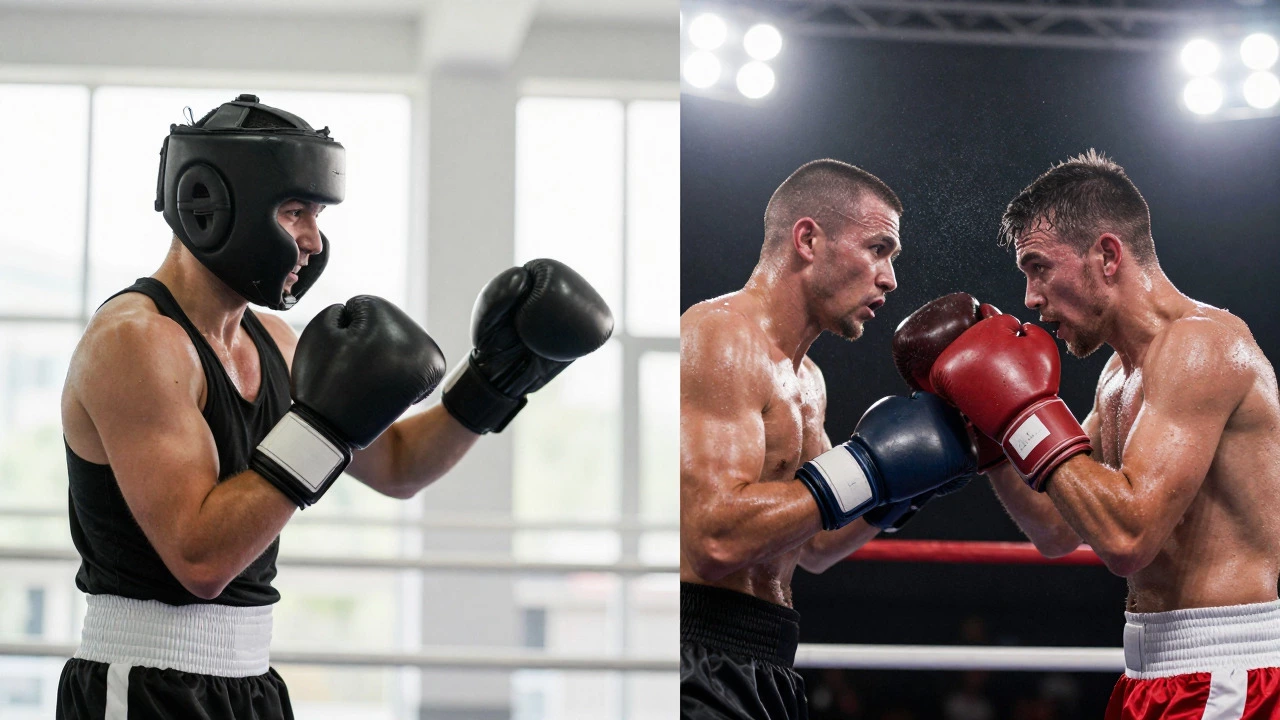
Walk into any gym on a Tuesday evening and you’ll see two people throwing punches at each other. Now, go to a stadium for a Saturday night main event, and you’ll see two people throwing punches at each other. To the untrained eye, it looks like the same thing. But ask a trainer, and they will tell you that confusing these two activities is one of the biggest mistakes beginners make. One builds your skill; the other tests your survival instincts.
The question "Is it a boxing match or game?" usually comes from someone trying to understand why their training session feels different from what they see on TV. The short answer is that there is no such thing as a "game" in serious boxing. There is only sparring, which is practice with contact, and a boxing match, which is a competitive contest governed by strict laws. Understanding the line between the two keeps you safe, improves your technique, and stops you from walking out of the ring with a broken nose when you just wanted to work on your footwork.
The Purpose Defines the Activity
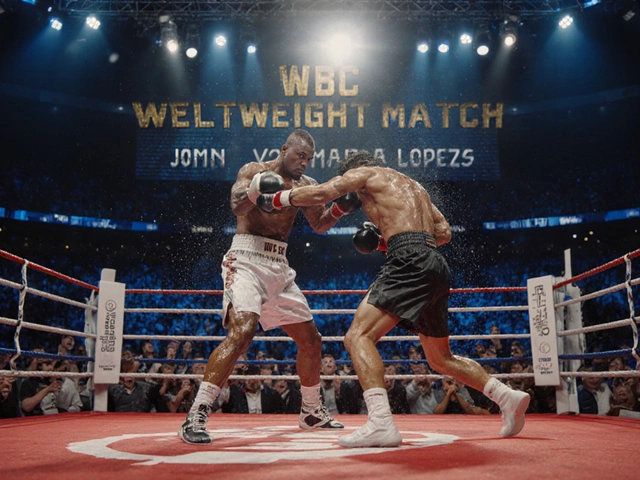
The first thing to look at is intent. In a professional boxing matcha sanctioned athletic competition where two opponents fight under specific rules to determine a winner via knockout or points, the goal is singular: win. You want to hurt the other person enough to stop them, or outscore them so decisively that the judges have no choice but to give you the decision. Every punch thrown has a purpose rooted in aggression and strategy aimed at victory.
In contrast, sparringa training exercise where boxers practice techniques against a resisting opponent with controlled intensity is about learning. When you spar, you are testing your skills in a live environment. If you try to "win" every sparring session like it’s a championship bout, you will burn out, get injured, and annoy your training partners. Good sparring requires cooperation. Your partner helps you learn by offering openings and reacting realistically, not by trying to put you through the canvas. It is a dialogue, not a monologue.
Think of it this way: sparring is like driving a car on an empty track with an instructor in the passenger seat. A boxing match is like driving in a high-stakes race where everyone else wants to take you out. Both involve cars, speed, and steering wheels, but the mindset is completely different.
Rules and Regulations: The Legal Framework
If you think the rules are the same, you might be in for a surprise. A sanctioned boxing matchan official bout regulated by athletic commissions with strict weight classes, time limits, and scoring systems operates under the authority of a state or national athletic commission. These organizations enforce the Marquess of Queensberry Rules, which dictate everything from glove size to ring dimensions.
In a standard professional match:
- Fights last three minutes per round.
- There are mandatory breaks between rounds for rest and coaching.
- A referee watches closely for fouls like hitting below the belt or holding.
- Judges score every round based on clean punching, effective aggressiveness, ring generalship, and defense.
Sparring rules are set by the gym or the coach. Some gyms allow headshots; others ban them entirely to protect long-term brain health. Some sessions are "light touch" where you barely graze the pads, while others are "hard sparring" where power is applied. There are no judges in sparring. There is no official record. If you hold your opponent’s head for too long during sparring, your coach yells at you. In a match, the referee deducts a point, and if you do it again, you lose the fight by disqualification.
This difference matters because it changes how you move. In a match, you know exactly when the bell rings. In sparring, the coach can stop the action instantly if things get too chaotic. That safety net allows you to take risks and try new combinations without fearing a career-ending injury.
Equipment and Safety Gear
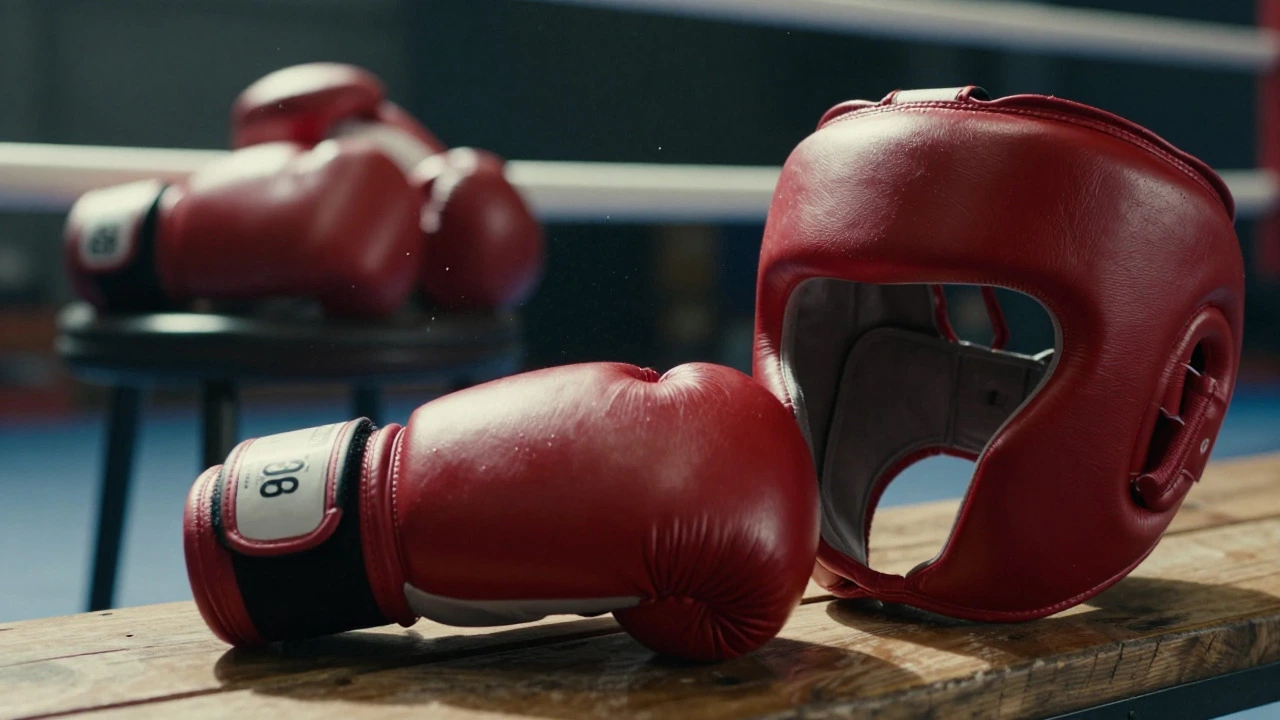
Look at the gear, and the distinction becomes obvious. In a professional boxing matcha competitive event requiring minimal protective gear to maximize impact and visibility, fighters wear very little. They use 8oz to 10oz gloves, which are thin and designed to transfer maximum force. They wear mouthguards and groin protection, but their heads are bare. The idea is to minimize padding so the punishment is real. This is why boxers tape their hands meticulously-to prevent fractures when those small gloves hit bone.
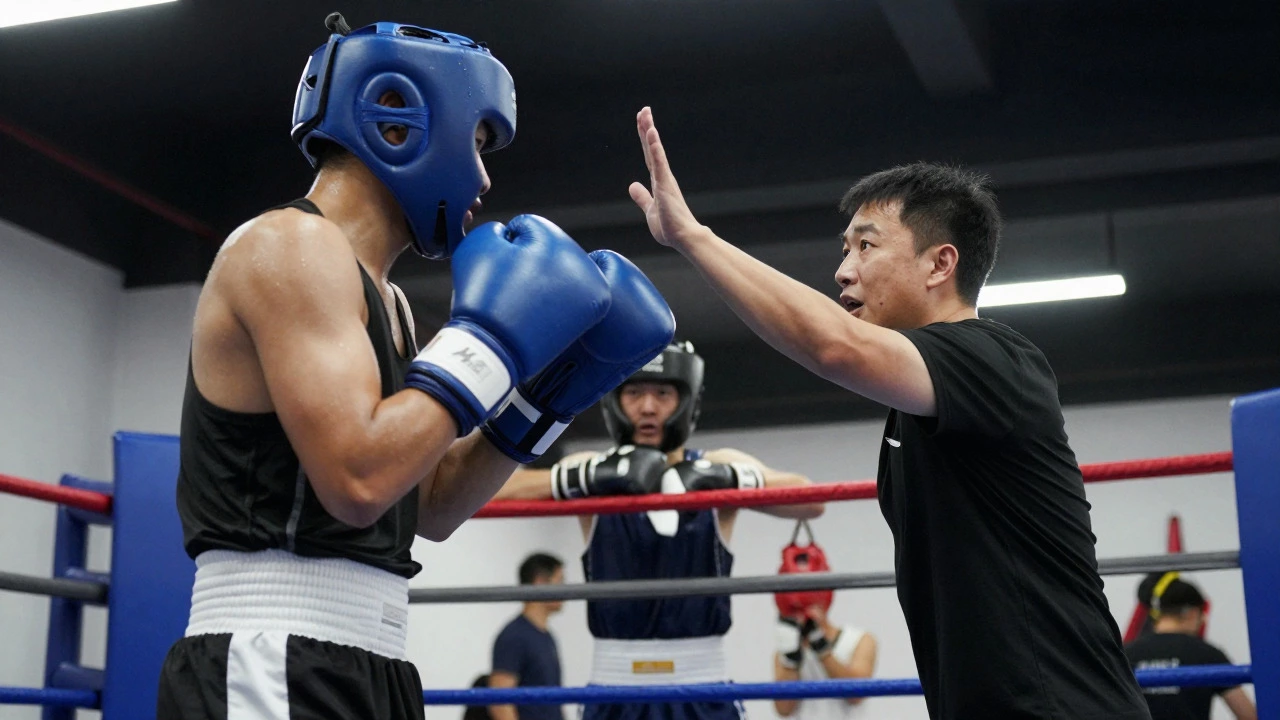
In sparring, safety is the priority. Most reputable gyms require headgearprotective equipment worn during training to reduce cuts and absorb impact to the skull. You’ll also see larger gloves, typically 14oz to 16oz. These heavier gloves cushion the blow, protecting both the hitter’s hand and the receiver’s face. Many trainers also insist on shin guards if kicks are involved (in kickboxing) or simply thicker headgear for younger athletes.
Why does this matter? Because the gear dictates the style. With heavy sparring gloves, you don’t need to worry as much about breaking your hand, so you can focus on accuracy. With small match gloves, every punch must be precise, or you risk injuring yourself. The equipment tells you immediately whether you are in a learning environment or a combat zone.
The Role of the Coach and Referee
In a match, the referee is an impartial observer. Their job is to ensure fairness and safety, but they don’t teach. They step in only when a fighter is in trouble or breaking rules. The coaches stand in the corners, shouting advice, but they cannot enter the ring during the action. The fighter is alone in the storm.
In sparring, the coach is the director. They watch from the outside, calling out corrections like "keep your hands up" or "move your feet." They can pause the action to demonstrate a counter-punch. They control the pace. If one boxer is dominating too hard, the coach steps in to reset the dynamic. This feedback loop is essential for improvement. Without it, sparring becomes just brawling, and bad habits form quickly.
This is why experienced boxers often say, "You don’t spar to win; you spar to find out what you don’t know." The coach helps you identify those gaps. In a match, you have to hide those gaps from your opponent.
Physical and Mental Toll
Let’s talk about the body. A single hard sparring session can leave you bruised and tired, but it shouldn’t leave you concussed or unable to train the next day. If you walk away from sparring needing ice packs and painkillers, something went wrong. The mental toll is lower too. You’re focused on technique, not survival. You can relax slightly, knowing your partner has your back.
A boxing match is a different beast. The adrenaline dump is massive. The physical strain is cumulative over multiple rounds. The mental pressure is immense. You are being attacked by someone whose sole job is to exploit your weaknesses. Even if you win, you might feel drained for days. The stress hormones spike, and the recovery period is longer. This is why fighters camp for weeks before a big fight, tapering their training to save energy for the actual event.
Amateur boxing matches sit somewhere in the middle. They use headgear and lighter gloves than pros, but the intent is still to win. The rounds are shorter (two minutes), and there are fewer of them. But the competitive fire is there. It’s not a game; it’s a test.
| Feature | Boxing Match | Sparring Session |
|---|---|---|
| Primary Goal | Win (KO or Decision) | Learn and Improve Technique |
| Glove Size | 8oz - 10oz | 14oz - 16oz |
| Headgear | Rarely (except Amateur) | Often Required |
| Authority | Athletic Commission / Referee | Coach / Gym Rules |
| Intensity | Maximum Effort | Controlled to Moderate |
| Outcome | Official Record / Title | Skill Development |
When Does Sparring Become a Fight?
There is a gray area called "hard sparring." This is where things get tricky. Hard sparring mimics the intensity of a real fight. Punches are thrown with full power, but the intent to injure is still absent. It’s common in the final weeks before a professional bout. Fighters use it to sharpen their reflexes and build mental toughness.
The danger lies in ego. If one person starts trying to prove they are better, the sparring turns into a street fight. Egos cause injuries. A good sparring partner knows when to pull a punch. A bad one doesn’t. Always communicate with your partner before you start. Ask, "How hard do you want to go?" If they say "all out," make sure you are ready for it. If you’re a beginner, stick to light technical sparring until your timing and defense improve.
Another sign that sparring has crossed the line is the lack of respect. In a match, respect is shown after the bell. In sparring, respect is shown throughout. If someone keeps hitting you when your hands are down, or targeting weak spots repeatedly without letting you recover, it’s no longer training. It’s bullying. Walk away. Any decent gym will support you.
Conclusion: Know Why You Are Stepping Into the Ring
So, is it a boxing match or a game? Neither. It’s either a competition or a classroom. Recognizing which one you are in determines how you prepare, how you perform, and how you recover. If you treat sparring like a match, you’ll get hurt. If you treat a match like sparring, you’ll get knocked out.
For most people, boxing is a hobby. You train to stay fit, learn self-defense, and enjoy the camaraderie of the gym. In that case, sparring is your main tool. Use it wisely. Keep it light, keep it fun, and keep learning. Save the war for the professionals, unless you’ve got a title shot lined up.
What is the difference between boxing and sparring?
Boxing refers to the sport itself, including matches and training. Sparring is a specific type of training where two boxers fight each other with controlled intensity to practice skills. A boxing match is a formal competition with judges and referees, while sparring is informal practice supervised by a coach.
Can you get hurt during sparring?
Yes, injuries can happen during sparring, especially if proper gear isn't used or if intensity isn't controlled. Common injuries include bruises, cuts, and sprains. Concussions are rare in light sparring but possible in hard sparring. Always wear mouthguards and appropriate headgear to minimize risk.
Do beginners need to spar?
Beginners should start with technical drills and pad work before sparring. Once basic stance, footwork, and punching mechanics are solid, light technical sparring can help apply these skills. Heavy sparring is not recommended for beginners due to higher injury risk and poor defensive habits.
What are the rules of a professional boxing match?
Professional boxing matches follow the Marquess of Queensberry Rules. Fights consist of timed rounds (usually 3 minutes), separated by rest periods. Winners are determined by knockout, technical knockout, or judges' decisions based on scoring criteria. Fouls include hitting below the belt, holding, and hitting after the bell.
Is sparring considered a game?
No, sparring is not a game. It is a serious training method designed to simulate combat conditions. While it may feel playful compared to a real fight, it requires focus, discipline, and respect for your partner. Treating it like a game can lead to injuries and poor skill development.