
Fitness March 5, 2026
How to Live a Gym Lifestyle: Build Habits That Last
Habit Accumulation Calculator
How your weekly gym sessions build momentum over time. Remember: consistency > intensity.
Your Habit Accumulation
Consistency is your superpower. Here's what your commitment looks like over time.
After 1 week
Total sessions
0
After 1 month
Total sessions
0
After 1 year
Total sessions
0
"Transformation is the side effect of daily habits. One workout doesn't change your body. But 100 workouts? That's a new person." - Article
Living a gym lifestyle isn’t about lifting the heaviest weight or having the most Instagram-worthy abs. It’s about making the gym part of your life the way brushing your teeth is-something you do without thinking. If you’ve ever started strong, then faded after two weeks, you know it’s not about willpower. It’s about systems. Here’s how to make the gym your normal, not your hobby.
Start with the smallest possible habit
Most people fail because they try to do too much too fast. You don’t need to train for two hours every day. You don’t need to go five days a week. You just need to show up. The first step? Commit to putting on your gym clothes and walking into the gym. That’s it. No lifting. No cardio. Just walk in, check your bag, and leave. More than half the time, you’ll end up working out. But even if you don’t, you’ve trained your brain: gym = routine.
This is called the two-minute rule. If a habit takes less than two minutes to start, you’re far more likely to do it. And once you’re there, momentum kicks in. Your body remembers what it’s like to move. Your mind remembers how good it feels after.
Plan your week like a schedule, not a to-do list
People who stick with the gym don’t wait for motivation. They schedule workouts like meetings. You wouldn’t skip a doctor’s appointment because you didn’t feel like it. Why treat your workout differently?
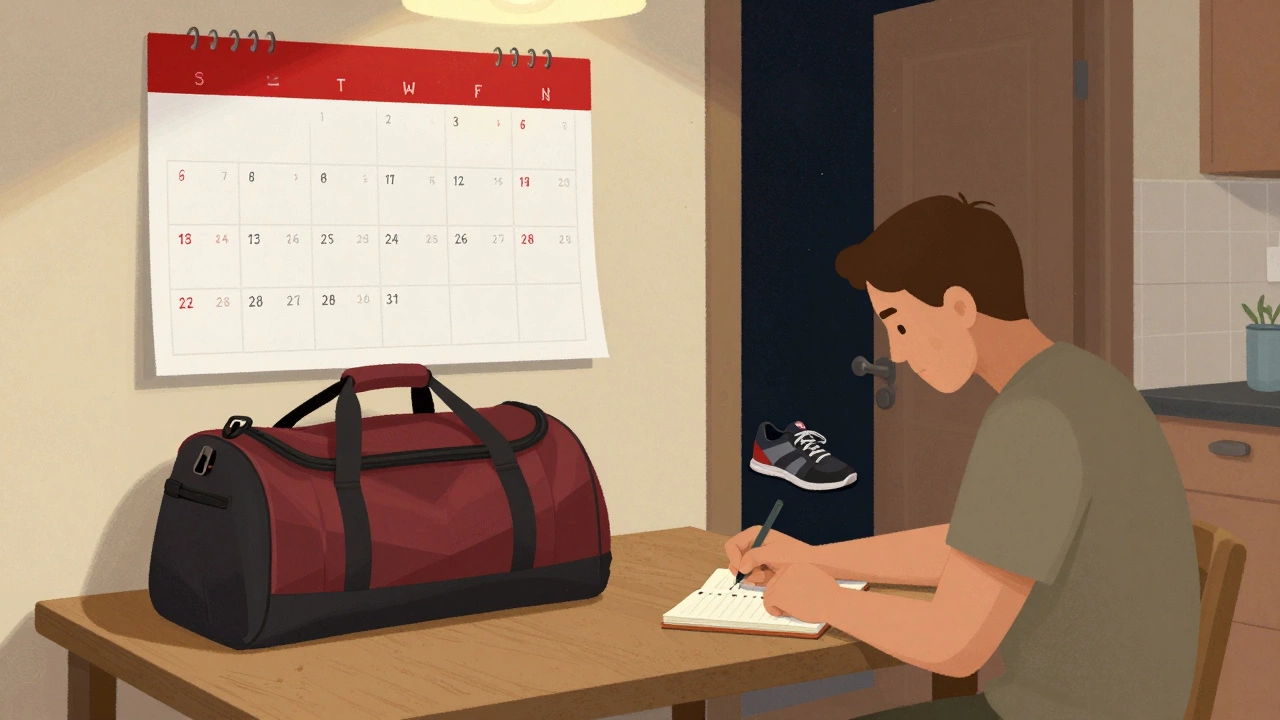
Block out three days a week on your calendar. Monday, Wednesday, Friday. 6:30 p.m. That’s your time. No exceptions. If something comes up, reschedule it-not cancel it. Treat it like a non-negotiable appointment with your future self.
And don’t overcomplicate it. Three days of strength training is better than five days of half-hearted effort. Focus on compound movements: squats, deadlifts, push-ups, rows, overhead presses. These work more muscles, take less time, and build real strength. You don’t need 10 different machines. A barbell, a bench, and a pull-up bar will take you far.
Track progress, not perfection
You don’t need to get stronger every week. But you do need to know you’re moving forward. Keep a simple log: date, exercise, weight, reps. Even if you just write down “did 3 sets of squats with 50kg” once a week, you’re building awareness.
Look back after a month. You’ll see patterns. Maybe you skipped Wednesday because you were tired. Maybe you did extra sets on Friday because you felt good. That’s data. That’s insight. That’s how you adjust, not quit.
Progress isn’t always visible. Sometimes it’s just showing up when you didn’t feel like it. Sometimes it’s choosing the gym over scrolling. That’s the real win.
Make recovery part of the routine
People think the gym is where you get fit. But recovery is where you become consistent. If you’re sore all the time, you’ll stop going. If you’re exhausted, you’ll skip sessions. Recovery isn’t optional-it’s part of the workout.
Sleep. Aim for 7-8 hours. Your muscles repair while you sleep. No supplement replaces that.
Hydrate. Drink water throughout the day. Not just after training. If you’re dehydrated, your energy drops, your focus fades, and your recovery slows.
Mobility. Spend 10 minutes after each session stretching your hips, shoulders, and spine. A foam roller for 5 minutes helps more than you think. You’re not just preventing injury-you’re making your next workout easier.
Surround yourself with quiet consistency
You don’t need to join a cult-like fitness group. You don’t need to follow influencers who post 6 a.m. workouts and kale smoothies. You need people who show up, do their thing, and leave.
Find the regulars at your gym. The guy who always does his deadlifts at 7 a.m. The woman who stretches on the mat every Friday. You don’t have to talk to them. But seeing them-knowing they’re there, week after week-gives you a silent kind of accountability.
Also, remove the friction. Keep your gym bag packed. Put your sneakers by the door. Set your alarm the night before. Make it easier to go than to skip.
Forget transformation. Focus on accumulation
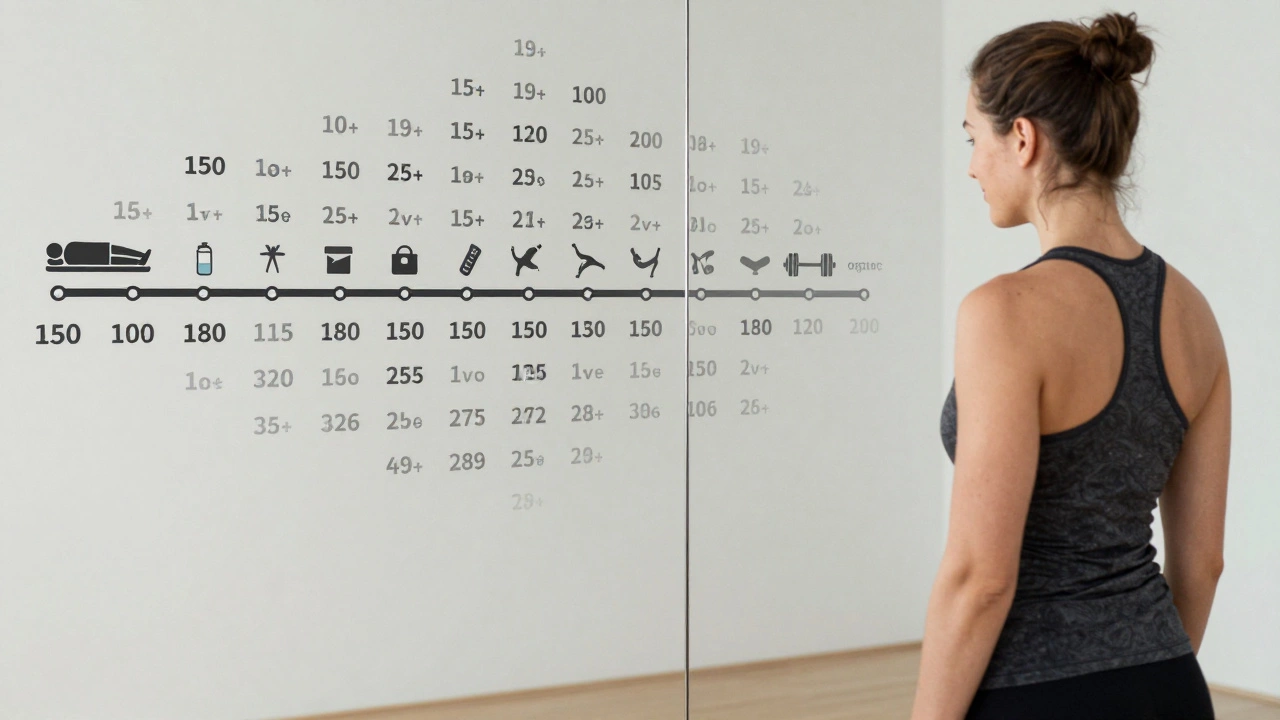
You won’t wake up one day and look completely different. That’s not how it works. Transformation is the side effect of daily habits. One workout doesn’t change your body. But 100 workouts? That’s a new person.
Think in months, not weeks. One year of consistent training adds up to 150+ sessions. That’s enough to build real muscle, lose stubborn fat, and gain confidence you didn’t know you had.
And it’s not about how much you lift. It’s about how you feel. The way you carry yourself. The way you sleep. The way you handle stress. The gym doesn’t just change your body-it changes your relationship with yourself.
When you slip up, don’t restart. Just continue
You’ll miss a week. Maybe two. Maybe you got sick, or work got crazy, or you just burned out. That’s normal. The people who live the gym lifestyle don’t see it as failure. They see it as a pause.
Don’t say, “I’ll start again Monday.” That’s a trap. You’re not restarting. You’re continuing. Walk in on Monday like nothing happened. No guilt. No “I’ve got to make up for it.” Just show up. You’re still part of the routine.
Consistency doesn’t mean never missing. It means never staying gone.
What does a real gym lifestyle look like?
It’s not about six-pack abs or bulging biceps. It’s about showing up when no one’s watching. It’s about choosing the gym over Netflix when you’re tired. It’s about knowing your body feels better after you move, even if you don’t feel like it.
It’s waking up and thinking, “I get to go today,” not “I have to go.”
It’s knowing your strength isn’t just in your arms-it’s in your discipline. Your patience. Your refusal to quit on yourself.
That’s the gym lifestyle. Not a phase. Not a challenge. A way of living.
Do I need to lift heavy to live a gym lifestyle?
No. Lifting heavy can help build strength, but it’s not required. A gym lifestyle is about consistency, not intensity. Bodyweight exercises, resistance bands, and moderate weights can all build lasting habits. What matters is showing up regularly, not how much you can bench press.
How many days a week should I go to the gym?
Three days a week is more than enough to build a sustainable routine. Many people who stick with it long-term train 3-4 times weekly. The key is not frequency-it’s regularity. Going three days a week for a year is better than going five days for two weeks and quitting.
What if I don’t enjoy the gym?
You don’t have to love the gym-you just have to respect it. If weights aren’t your thing, try swimming, cycling, or bodyweight circuits. If the gym feels too loud, go early in the morning or on weekends. The goal isn’t to love the equipment-it’s to love the feeling of being stronger, more energized, and more in control of your body.
Can I live a gym lifestyle without a membership?
Absolutely. A gym membership helps, but it’s not required. You can build strength with bodyweight exercises, dumbbells at home, or outdoor workouts. Push-ups, squats, lunges, and planks are powerful. A pull-up bar on a doorframe can replace a gym machine. What matters is consistency, not equipment.
How long until I see results?
You’ll start feeling better within 2-4 weeks-better sleep, more energy, less stress. Visible changes in muscle tone or fat loss usually take 8-12 weeks. But the real results aren’t in the mirror. They’re in how you carry yourself, how you handle pressure, and how confident you feel in your own skin.
Next steps: Your 7-day challenge
- Day 1: Put your gym clothes in your bag tonight. Leave it by the door.
- Day 2: Walk into the gym-even if you don’t work out.
- Day 3: Do one set of squats and one set of push-ups. That’s it.
- Day 4: Write down how you felt after your workout.
- Day 5: Go at the same time you did yesterday. No excuses.
- Day 6: Stretch for 5 minutes after your workout.
- Day 7: Repeat the whole week again.
This isn’t about results. It’s about proving to yourself that you can stick to something. And once you do that, the gym isn’t a chore anymore. It’s just part of who you are.