Fitness March 8, 2026
How Much Yoga Should a Beginner Do to See Real Results?
Yoga Consistency Calculator
Your Practice Plan
Warning: You're practicing more than recommended for beginners. Consider reducing your sessions to avoid injury.
Great progress! You're following the recommended beginner practice pattern. Keep it up!
Starting yoga as a beginner can feel overwhelming. You hear people talk about daily practice, 30-minute sessions, or even hour-long flows. But how much should you actually do? The answer isn’t one-size-fits-all, but there’s a clear, practical path that works for most people starting out.
Start with 20 minutes, three times a week
If you’re new to yoga, aim for three short sessions a week-around 20 minutes each. That’s not a lot of time, but it’s enough to build a habit without burning out. Most beginners think they need to do yoga for an hour or every day to get results. That’s not true. What matters is consistency, not duration.
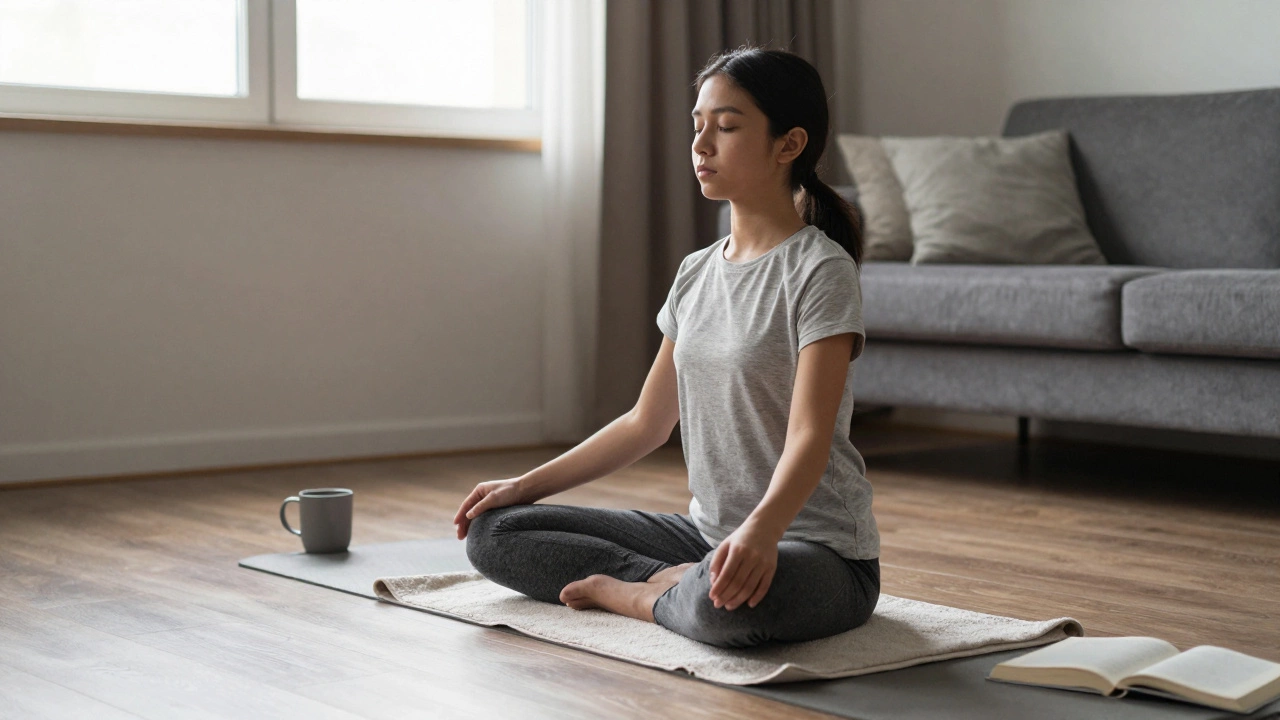
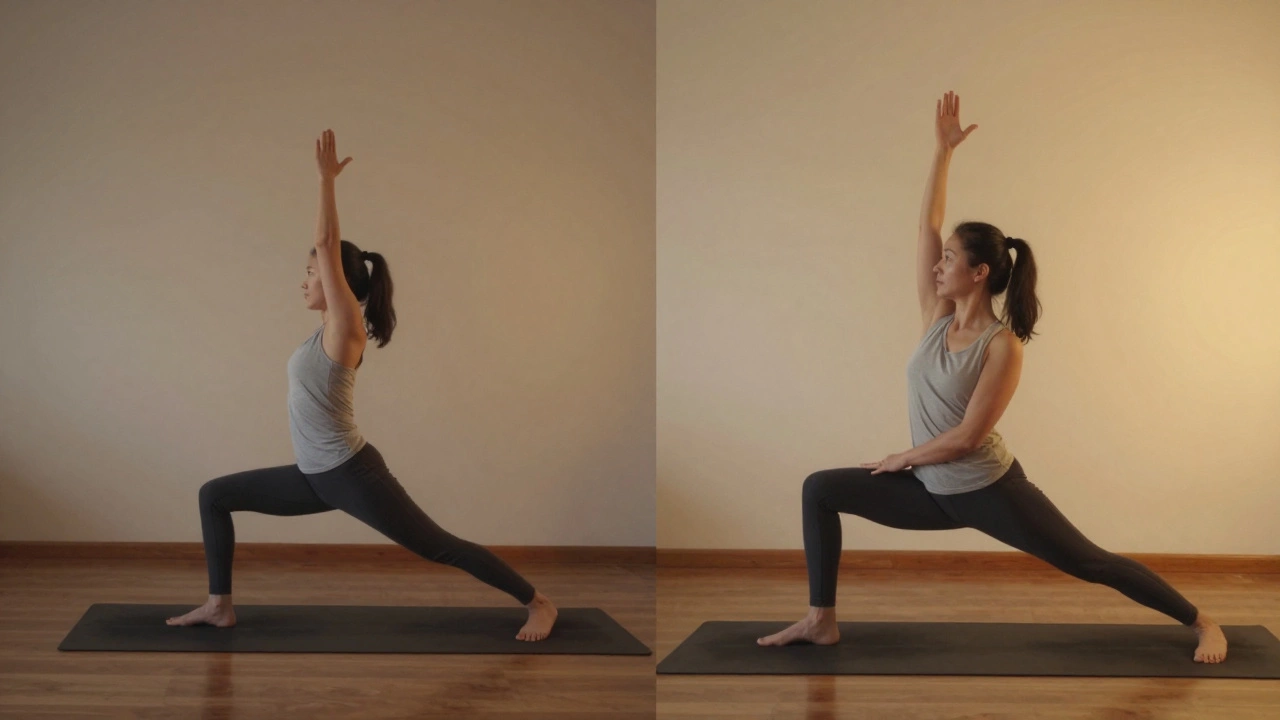
Try doing yoga on Monday, Wednesday, and Friday. Pick a time that fits your schedule-morning before coffee, lunch break, or right before bed. You don’t need a fancy mat or studio. A quiet corner of your living room and a towel will do. A 20-minute session can include gentle stretches, a few standing poses like mountain and warrior, and a short relaxation at the end. That’s it.
Why not more? The risk of overdoing it
Many beginners push too hard too fast. They watch YouTube videos of advanced yogis flipping into handstands and think they need to match that. That’s where injuries happen. Tight hamstrings, sore shoulders, or lower back pain often come from doing too much too soon.
Yoga isn’t about pushing your body into shapes. It’s about learning how your body moves and breathes. If you’re feeling pain instead of stretch, stop. If you’re exhausted after every session, you’re doing too much. The goal isn’t to sweat buckets-it’s to feel calmer, more grounded, and more aware of your body.
Studies from the Journal of Bodywork and Movement Therapies show that beginners who practiced yoga just twice a week for eight weeks reported better sleep, less stress, and improved flexibility-without any injuries. Three times a week? Even better.
What to do on non-yoga days
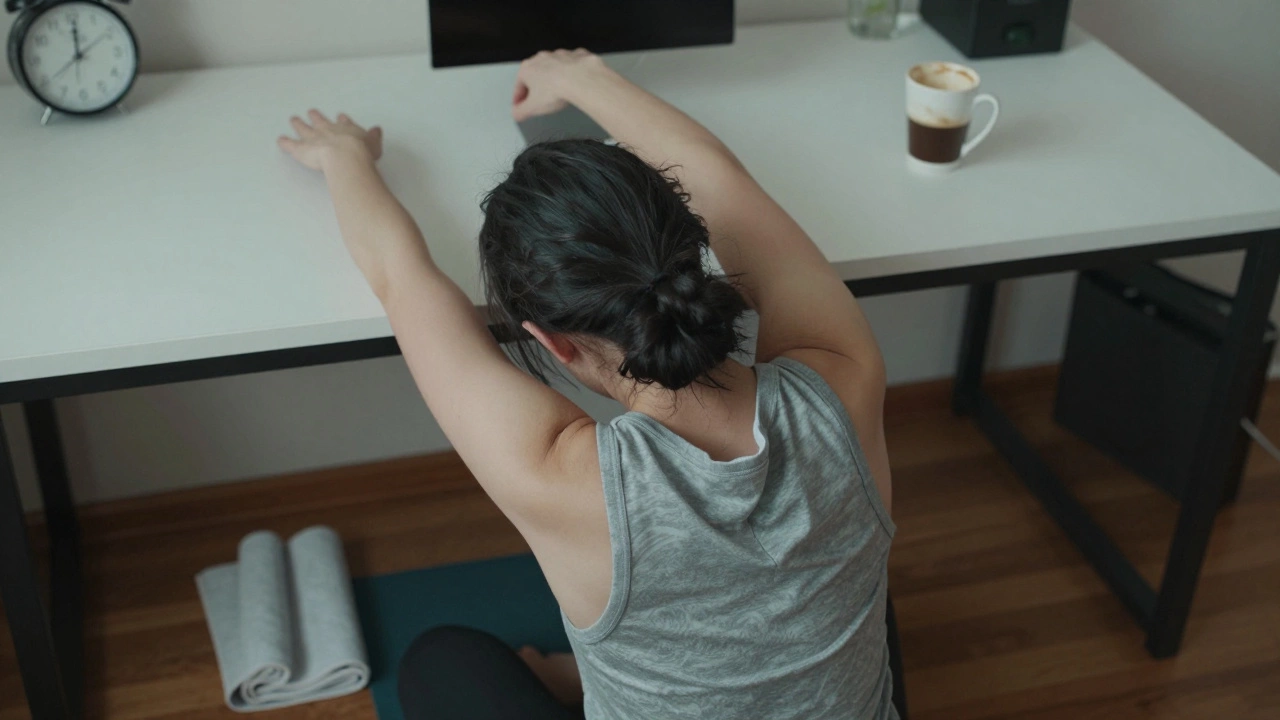
You don’t need to sit still on the days you skip yoga. Movement matters, but it doesn’t have to be yoga. Go for a walk. Stretch while watching TV. Roll out your shoulders after sitting at a desk. These small habits keep your body moving and help your yoga practice improve faster.
Think of yoga as your main training, and everyday movement as the support system. Walking 10 minutes after lunch, standing up every hour, or doing a quick neck roll while waiting for your coffee-all of that adds up. It keeps your muscles from stiffening and makes your yoga sessions more effective.
Progress slowly: From 20 minutes to 30, then 45
After four to six weeks, if you’ve stuck with three sessions a week and feel good, try adding five more minutes. Go to 25 minutes. Then 30. Don’t rush. Most people don’t need longer sessions to see results. In fact, many yoga teachers recommend keeping sessions under 45 minutes for beginners because attention and energy drop after that.
When you hit 30 minutes, you can start adding a few more poses-child’s pose, downward dog, cat-cow, bridge. You’ll notice your breathing gets deeper. Your balance improves. You might even sleep better. That’s the real win.
Listen to your body, not the app
There are hundreds of yoga apps and YouTube channels promising 7-day challenges or 10-minute fixes. They’re tempting, but they’re not always right for you. Your body isn’t the same as someone else’s. Maybe you have stiff hips from sitting at a desk. Maybe your knees are sensitive. Maybe you’re recovering from an old injury.
Yoga adapts to you. Not the other way around. If a pose hurts, skip it. Use a pillow under your hips in seated poses. Sit on a block instead of the floor. Modify. That’s not failure-that’s smart practice.
Signs you’re doing enough
You don’t need to be flexible to benefit from yoga. You don’t need to touch your toes. But you will know you’re on the right track when:
- You wake up feeling less stiff
- You breathe deeper when you’re stressed
- You catch yourself sitting up straight without thinking
- You feel calmer after a session, even if it was short
- You look forward to your yoga time instead of dreading it
These are the real signs of progress. They’re not visible in a mirror. They’re felt in your daily life.
What if you miss a week?
Life happens. You get sick. You travel. You work late. If you miss a week, don’t guilt-trip yourself. Just start again. No need to double up or do 90 minutes to make up for it. One 20-minute session is better than zero. Yoga isn’t a test. It’s a practice.
Think of it like brushing your teeth. You don’t skip for three days and then brush for an hour. You just go back to brushing for two minutes. Same here.
What equipment do you really need?
You don’t need much. A yoga mat is helpful, but a carpeted floor and a towel work fine. A yoga block? Great if you have one, but a thick book or a stack of towels works too. A strap? A belt or a scarf is fine. You can do a full beginner practice with nothing but your body and a quiet space.
Don’t spend money on gear before you’ve tried it. Wait until you know what you like. A good mat costs around £25-£40, but you can find decent ones secondhand or borrow one from a friend.
Where to find good beginner routines
Look for teachers who focus on alignment and breath-not flashy poses. YouTube channels like Yoga with Adriene and Boho Beautiful have solid beginner series. If you prefer structure, try a 30-day beginner challenge on a free app like Down Dog or Insight Timer. Pick one, stick with it for a month, and see how you feel.
Don’t jump between teachers. Consistency matters more than variety at this stage.
Realistic timeline: What to expect in 30, 60, and 90 days
- 30 days: You’ll notice better posture. Your breathing will feel slower. You might sleep deeper.
- 60 days: Your flexibility will improve noticeably. You’ll hold poses longer without shaking. Stress feels more manageable.
- 90 days: You’ll want to do yoga more often. You might start noticing how your body moves in daily life-how you stand, sit, lift things. That’s when yoga stops being a workout and starts being a way of moving through the world.
That’s the magic. It doesn’t take years. It doesn’t take hours. It takes consistency, patience, and a little kindness toward yourself.
What to avoid as a beginner
- Don’t compare yourself to others
- Don’t force poses
- Don’t skip rest
- Don’t think you need to be flexible to start
- Don’t believe you need to do yoga every day
Yoga isn’t about perfection. It’s about presence. Show up. Breathe. Move slowly. That’s all it takes.
Can I do yoga every day as a beginner?
Yes, but only if you’re doing gentle, restorative sessions. Daily yoga isn’t required, and pushing too hard can lead to injury. Stick to three shorter sessions a week for the first month, then consider adding a light 10-minute stretch on off days. Avoid intense flows every day until your body adapts.
How long until I see results from yoga?
Most beginners notice changes in 30 days-better sleep, less tension, improved posture. Flexibility and strength improve noticeably by 60 days. The mental benefits-calmer mind, better focus-often show up even faster, sometimes within a week.
Do I need to be flexible to start yoga?
No. Yoga is designed for people who aren’t flexible. In fact, that’s who benefits the most. The goal isn’t to touch your toes-it’s to move with awareness. Every pose can be modified. You’ll get flexible by doing yoga, not before it.
Is 10 minutes of yoga enough for a beginner?
Absolutely. Ten minutes is better than nothing. If you’re short on time, focus on deep breathing, a few stretches, and a minute of stillness. Over time, you can build up to 20 or 30 minutes. But even short sessions reduce stress and improve body awareness.
Should I take a yoga class or practice at home?
Both work. If you’re unsure about form or need guidance, try one or two in-person classes to learn basics. After that, home practice with a reliable video series is perfectly fine. Many people stick with home practice because it’s easier to fit into a busy schedule.
Final thought: Less is more
Yoga isn’t about how long you hold a pose. It’s about how present you are in it. Three 20-minute sessions a week-done with awareness, patience, and kindness-are more powerful than five hours of forced stretching. Start small. Stay consistent. Let yoga find you, not the other way around.