Running Shoes June 11, 2026
Are Converse Good for Running? The Truth About Canvas Sneakers and Joint Health
Running Shoe Impact & Injury Risk Calculator
Analysis Result
Potential Injuries if Ignored:
Recommendation:
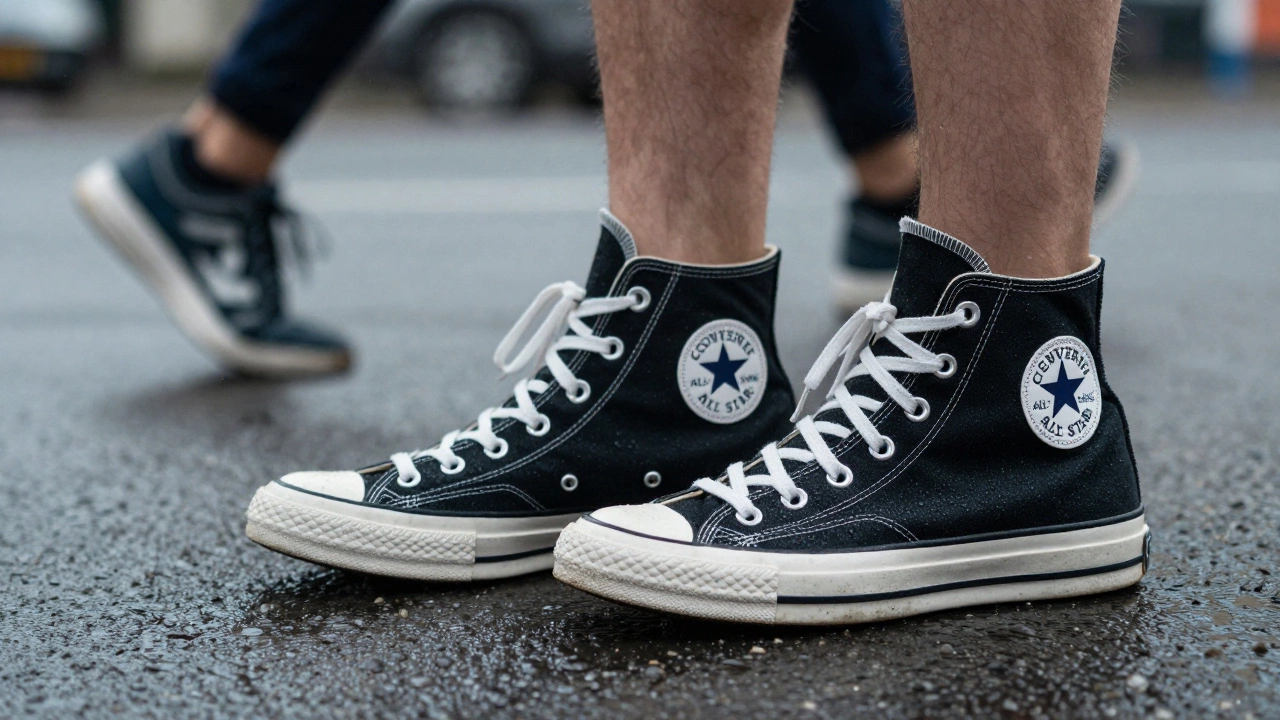
You’ve got your playlist queued up, the weather is perfect, and you’re ready to hit the pavement. But instead of lacing up those expensive technical trainers, you look down at your trusty pair of Converse Chuck Taylors, which are iconic canvas sneakers known for their flat rubber soles and minimalist design. They fit like a glove, they look great with everything, and honestly, why spend another hundred quid on running gear? It’s a tempting thought. We all want our workout gear to double as streetwear. But here is the hard truth: wearing Converse for running is one of the fastest ways to turn a healthy habit into a trip to the physiotherapist.
Let’s cut through the noise. Are Converse good for running? Short answer: no. Long answer: they are terrible for it, and here is exactly why your knees, shins, and ankles will thank you for listening.
The Anatomy of a Flat Sole
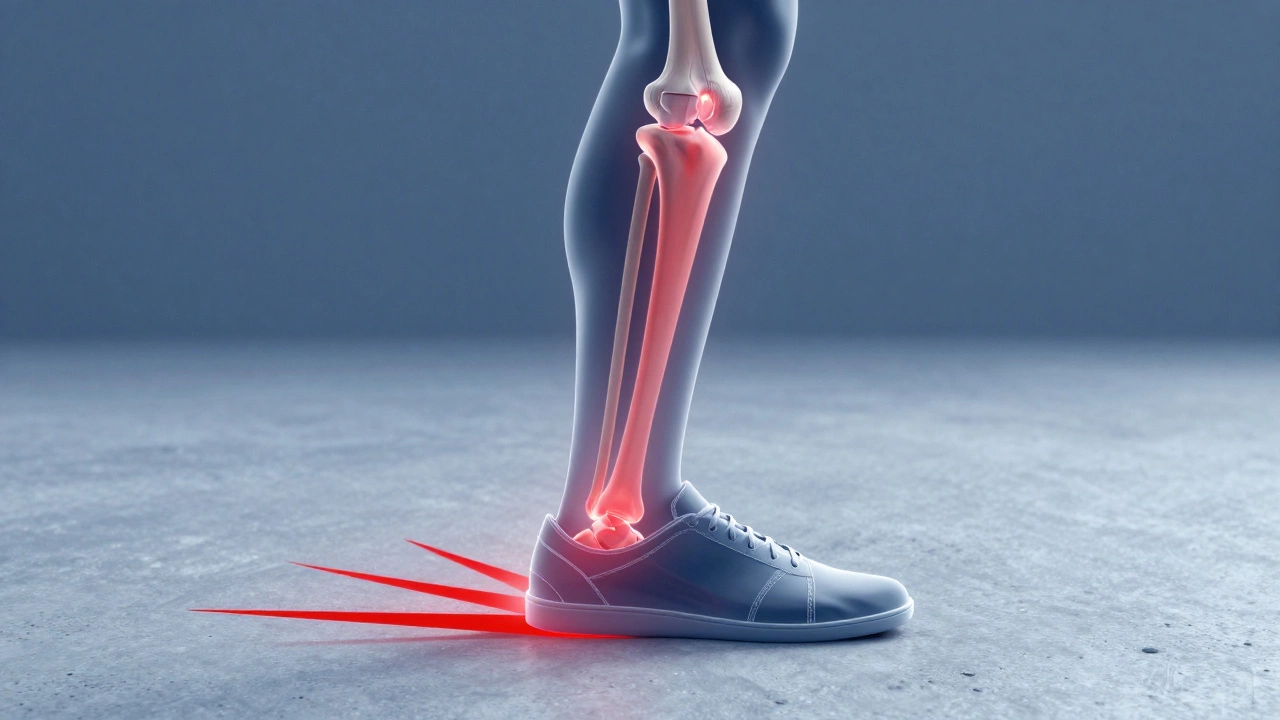
To understand why Converse fail as running shoes, we have to look at what makes a shoe work-or fail-when you’re pounding the ground. Running generates impact forces. Every time your foot hits the pavement, your body absorbs shock equivalent to two or three times your body weight. Modern running shoes are engineered with midsole cushioning materials like EVA foam or gel that compress to absorb impact energy. This cushioning acts as a buffer between your skeletal system and the concrete.
Now, look at the bottom of a Chuck Taylor. You’ll see a thin layer of vulcanized rubber. That’s it. There is no midsole. There is no foam. When you run in them, that impact force travels straight up through your heel, into your tibia (shinbone), and settles in your knee joints. It’s like trying to drive a car over speed bumps without any suspension. Eventually, something breaks.
Furthermore, Converse lack arch support, which is structural reinforcement in the midfoot area that helps distribute weight evenly across the foot. Most people have some degree of arch collapse when they stand or walk. Running exacerbates this. Without support, your foot rolls inward excessively-a condition called overpronation. This misalignment twists your knee and hip, leading to pain that radiates up your entire leg.
Why Your Ankles Are at Risk
If impact absorption isn’t enough to scare you off, consider stability. Running is a dynamic activity. Your foot needs to grip the ground but also allow for natural flexion. Converse are stiff. The canvas upper doesn’t breathe well, trapping sweat and causing blisters, but more importantly, the sole is rigid. It doesn’t bend where your foot bends. Instead, it forces your foot to twist against the shoe’s resistance.
This rigidity puts immense stress on the lateral ligaments of your ankle. One slight misstep on uneven pavement, and because the shoe offers zero proprioceptive feedback or stability features, you are highly prone to rolling your ankle. I’ve seen it happen too many times in Bristol parks. People try to jog in fashion sneakers, trip on a root, and end up with a sprained ligament that keeps them off their feet for weeks. Is saving money on shoes worth six weeks of walking with a limp?
The Myth of "Minimalist" Running
Some defenders of the Converse-running combo argue, "But minimalist running is popular! Barefoot running is natural!" This is a dangerous misconception. True minimalist running involves specific footwear designed to mimic barefoot conditions while offering protection from debris and extreme temperatures. These shoes have flexible soles, wide toe boxes, and zero drop (meaning the heel and forefoot are at the same height). They require a gradual transition period of months to strengthen the small muscles in your feet.
Converse are not minimalist running shoes. They are heavy, stiff, and have a narrow toe box that cramps your toes together. Toes need room to splay upon impact to help stabilize the body. In a Chuck Taylor, your toes are pinned. This restricts blood flow and reduces balance. If you want to try minimalist running, buy proper shoes like Vibram FiveFingers or Merrell Vapor Glove. Do not confuse a 1917 basketball sneaker with modern biomechanical science.
When Can You Wear Converse?
This isn’t to say Converse are useless. They are fantastic for certain activities. Their flat, stable platform makes them ideal for:
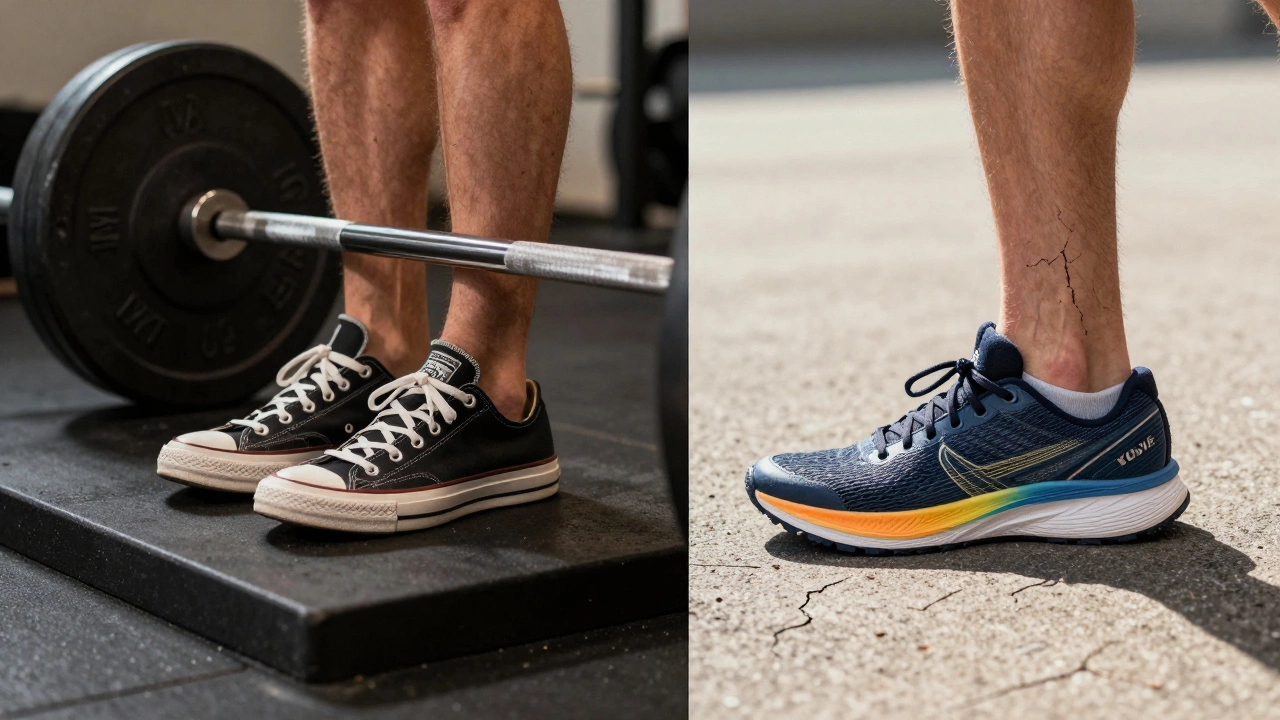
- Weightlifting: Squats and deadlifts benefit from a solid, non-compressible base. The flat sole keeps your center of gravity low and stable.
- Casual Walking: Strolling around town, going to concerts, or hanging out at cafes. For short distances on smooth surfaces, they are comfortable enough.
- Dance Practice: Many jazz and tap dancers prefer the grip and flexibility of canvas shoes.
But the moment you start jogging, sprinting, or doing high-impact cardio, you need to swap them out. The distinction lies in the intensity and duration of the impact. Walking is low-impact; running is high-impact. Converse can handle the former, but they buckle under the latter.
What Happens If You Ignore This?
Let’s talk about the injuries. If you persist in running in Converse, you aren’t just risking a bad day. You risk chronic conditions:
- Shin Splints: Pain along the front of your lower leg caused by inflammation of the muscle tissue. This is the most common complaint from runners in flat shoes.
- Plantar Fasciitis: Sharp heel pain, especially in the morning, caused by strain on the thick band of tissue connecting your heel bone to your toes.
- Stress Fractures: Tiny cracks in the bone, often in the metatarsals or tibia, resulting from repetitive overload without adequate recovery or cushioning.
- Knee Tendinitis: Inflammation of the tendons around the kneecap due to poor alignment and shock absorption.
These injuries don’t heal overnight. They require rest, physical therapy, and sometimes surgery. The cost of treatment far exceeds the price of a decent pair of running shoes.
Choosing the Right Running Shoe
So, if Converse are out, what should you wear? You don’t need the most expensive model on the market. You need a shoe that fits your foot type and running style. Here is a simple guide:
| Shoe Type | Cushioning | Best For | Avoid For |
|---|---|---|---|
| Converse Chuck Taylor | None | Walking, Lifting, Style | Running, Jogging, HIIT |
| Neutral Running Shoe | High | Most Runners, Road Running | Heavy Weightlifting |
| Stability Running Shoe | Moderate-High | Overpronators, Flat Feet | Trail Running (usually) |
| Minimalist Trainer | Low | Form Drills, Short Sprints | Long Distance, Beginners |
Visit a local running store in Bristol or London. They can analyze your gait. Do you pronate? Supinate? Or are you neutral? Based on that, they’ll recommend brands like Brooks, Asics, New Balance, or Hoka. Look for shoes with responsive foam, breathable mesh uppers, and a secure heel counter. Test them out. Walk around the store. If they feel stiff or pinch, put them back.
The Verdict
Converse are cultural icons. They represent rebellion, rock and roll, and timeless style. But they were never designed for endurance or impact. Using them for running is like using a hammer to screw in a lightbulf. It might seem to work for a second, but you’ll damage the bulb, the wall, and probably your hand.
Respect your body. Invest in proper running shoes. Keep your Chucks for the streets, the gym floor, and the couch. Your joints will thank you, and you’ll be able to keep running for years to come.
Can I wear Converse for short jogs?
Even for short jogs, Converse offer no cushioning or support. While you might not get injured immediately, the lack of shock absorption still stresses your joints. It is better to use proper running shoes even for brief runs to build healthy habits and prevent cumulative damage.
Are Vans better than Converse for running?
No. Vans have a similar construction to Converse: flat rubber soles and minimal cushioning. While some skateboarding models have slightly more padding, they are still not designed for the repetitive impact of running. Both brands are unsuitable for cardiovascular exercise involving foot strikes.
What is the best cheap running shoe brand?
Brands like Skechers, New Balance, and ASICS often have entry-level models under £50-£60 that provide adequate cushioning and support. Look for sales or last year’s models. Avoid buying used running shoes as the midsole foam degrades over time, losing its protective properties.
Can I stretch my Converse to make them more comfortable for running?
Stretching the canvas upper might improve fit, but it does nothing to address the lack of cushioning, arch support, or flexibility in the sole. The structural limitations of the shoe remain, making them unsafe for running regardless of how well they fit.
How do I know if my current running shoes are worn out?
Check the tread pattern for excessive wear, especially on the heel. Feel the midsole; if it feels hard or compressed rather than springy, it has lost its cushioning. Generally, running shoes last between 300 to 500 miles. If you experience new joint pain, it might be time for a replacement.