Running Shoes November 19, 2026
Why You Shouldn't Wear Running Shoes Every Day
Shoe Rotation & Lifespan Calculator
Running shoes are specialized tools. Using them for everything shortens their life and hurts your feet. Use this tool to calculate the optimal rotation for your routine.
Your Running Stats
Typical range for recreational runners: 5–30 miles/week.
Estimated Results
Enter your stats and click Calculate to see your estimated shoe lifespan.
Why Rotate? Key Insights
Foam Recovery
The 24-Hour Rule
Midsole foam needs ~24 hours to decompress. Wearing one pair daily prevents full recovery, leading to premature loss of cushioning and increased joint impact.
Biomechanics
Gait Mismatch
Running shoes have high heel drops and rockers designed for flight phases. Walking keeps you grounded longer, making these features unstable and potentially causing calf or Achilles strain.
Hygiene
Moisture Control
Feet produce up to half a pint of sweat daily. Alternating pairs allows moisture to evaporate completely, reducing odor and preventing fungal infections like athlete's foot.
You probably love your running shoes. They’re comfortable, they look cool, and you’ve got a favorite pair that feels like walking on clouds. So, why not just live in them? It seems logical. If they protect your feet during a 5K, surely they’ll be fine for your commute, grocery runs, and sitting at your desk all day.
But here’s the thing: running shoes are highly specialized tools, not all-purpose footwear. Using them as your daily driver can actually shorten their lifespan, mess with your biomechanics, and even cause discomfort when you aren’t running. Let’s break down exactly why keeping those sneakers for the track-or at least rotating them-is smarter for your wallet and your feet.
The Foam Has Memory (And It Needs Rest)
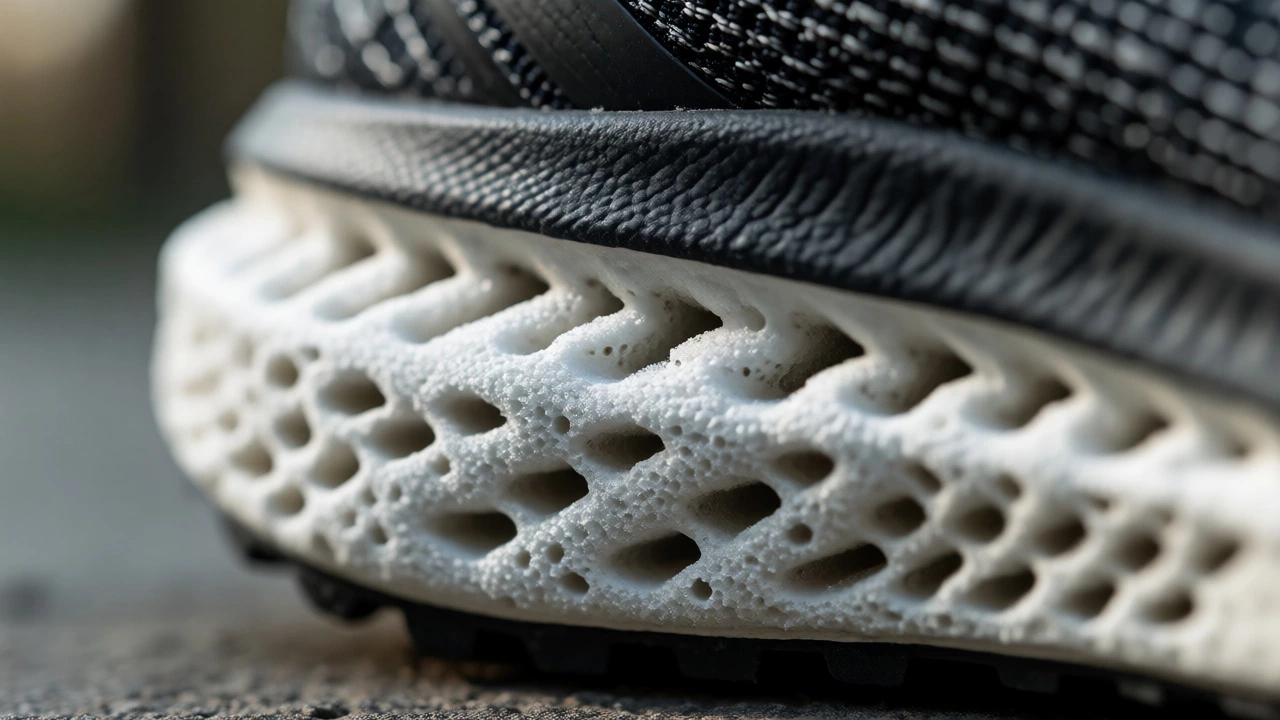
Most modern running shoes rely on advanced foam midsoles, such as EVA or TPU-based compounds, to absorb impact. This foam is engineered to compress under the high-impact forces of running and then spring back to its original shape. But this material has a limit. It needs time to decompress fully between uses.
If you wear the same pair every single day, the foam never gets that critical recovery window. Think of it like a sponge that’s constantly being squeezed. Eventually, it stays squashed. When the midsole loses its resilience, you lose the shock absorption you paid for. Suddenly, your knees and hips take more hit than usual because the shoe isn’t doing its job anymore. Most manufacturers recommend waiting at least 24 hours between runs in the same pair. For daily wear, where you’re standing and walking rather than sprinting, the compression is different but still cumulative. Rotating shoes allows the molecular structure of the foam to reset, extending the life of the shoe significantly.
Different Gait Mechanics Require Different Support
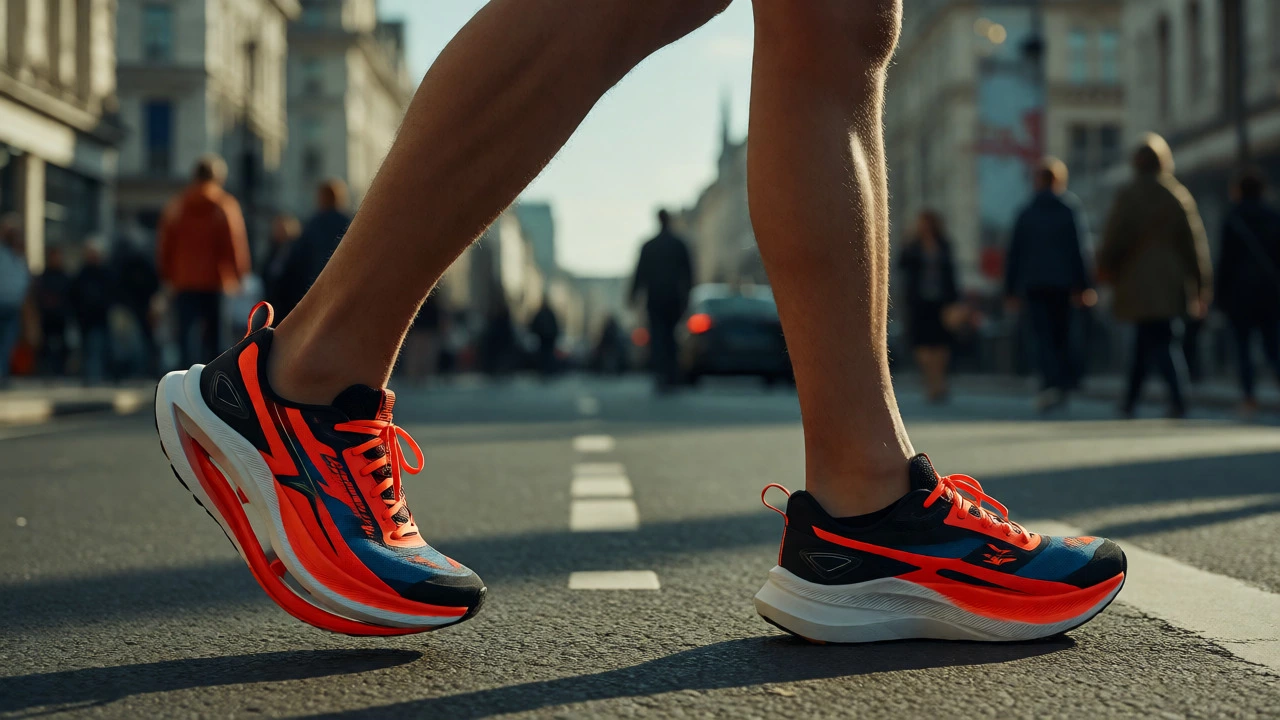
Walking and running are not the same movement. When you run, you spend about 10% of your time in contact with the ground, with long flight phases in between. Your gait cycle involves a distinct heel strike, roll-through, and toe-off pattern designed for forward propulsion. Walking, however, keeps one foot on the ground almost 60% of the time. The mechanics are slower, flatter, and involve less vertical impact but more sustained pressure on specific areas of the sole.
Running shoes often feature a pronounced heel drop (the height difference between heel and toe) and curved rockers to encourage forward momentum. These features are great for speed but can feel awkward or unstable when you’re just strolling around town. Wearing aggressive runners for casual walking can alter your natural stride, potentially leading to calf tightness or Achilles strain because your foot is forced into a position it doesn’t naturally adopt while walking. A flat-soled casual shoe or a dedicated walking shoe provides the stability and flexibility needed for low-impact, long-duration standing.
The Hygiene Factor Is Real
Let’s get practical. Feet sweat. Even if you don’t notice it, your feet produce up to half a pint of sweat per day. Running shoes are typically built with breathable mesh uppers and moisture-wicking liners to handle the heat generated by intense exercise. However, once you stop moving, that moisture doesn’t always evaporate quickly, especially if you’re wearing them indoors or in cooler weather.
Wearing the same sweaty shoes every day creates a breeding ground for bacteria and fungi. This leads to two unpleasant outcomes: persistent odor and an increased risk of athlete’s foot. By alternating pairs, you give each shoe enough time to dry out completely. Sunlight and air circulation are your best friends here. If you only have one pair, consider using shoe inserts that can be removed and washed separately, or simply leaving the shoes in a well-ventilated area overnight. But honestly, two pairs are better than one for hygiene alone.
Aesthetic Wear and Tear Happens Faster Than You Think
You might not care about performance metrics, but you probably care about how your shoes look. Running shoes are designed with lightweight materials that prioritize function over durability against abrasion. The upper mesh tears easily if scraped against curbs or rough pavement. The outsole rubber, optimized for grip on roads and tracks, wears down quickly when used for dragging feet across office carpets or twisting in tight spaces.
When you use running shoes for everything, they degrade faster in ways that affect both looks and function. The heel counter-the stiff part at the back that holds your ankle-can soften from constant flexing in non-running scenarios. Once that support structure weakens, the shoe becomes sloppy. You end up with a pair that looks beaten down and offers poor support, forcing you to replace them sooner than necessary. Dedicated casual shoes, like canvas sneakers or leather loafers, are built to withstand the scuffs and twists of daily life without compromising their structural integrity.
How to Build a Smart Shoe Rotation
You don’t need a closet full of ten pairs. A simple rotation strategy protects your investment and your health. Here’s a basic framework:
- The Workhorse: One pair of high-quality running shoes reserved strictly for training. Use these for runs, gym sessions, and high-impact activities.
- The Daily Driver: A separate pair of comfortable, supportive casual shoes. Look for good arch support and a flat profile suitable for walking and standing. Brands like Allbirds, Vans, or even older minimalist runners work well here.
- The Backup: Ideally, a second pair of running shoes. Alternate them every other run. This doubles the lifespan of both pairs and ensures you always have a fresh-feeling option.
This approach spreads the wear evenly. If you run three times a week, your primary runners last twice as long before hitting the 300-500 mile mark where they typically lose effectiveness. Meanwhile, your daily shoes stay clean and structurally sound because they aren’t being subjected to the pounding of pavement.
| Feature | Running Shoes | Casual/Walking Shoes |
|---|---|---|
| Midsole Foam | High rebound, needs rest periods | Lower density, consistent comfort |
| Heel Drop | Often 8mm-12mm (promotes forward lean) | 0mm-6mm (neutral stance) |
| Outsole Durability | Lightweight rubber, wears fast on rough surfaces | Thicker rubber, resistant to scuffs |
| Best For | Impact absorption, speed | Long duration standing, walking |
What About Minimalist or Barefoot Shoes?
You might think, “If running shoes are too structured, should I just go barefoot-style?” Not necessarily. While zero-drop shoes promote a natural foot position, they require strong foot muscles to handle the lack of cushioning. If you’re used to heavily cushioned runners, switching abruptly to minimalists for all-day wear can cause plantar fasciitis or stress fractures. Transition slowly. And remember, even minimalist shoes benefit from rotation to let the upper materials stretch back and recover.
Frequently Asked Questions
Is it bad to wear running shoes to work?
It depends on your workplace and shoe type. If you stand all day, the cushioning helps, but the lack of lateral stability can tire your ankles. Also, visible sweat stains and odors may become issues. A dedicated supportive sneaker is usually better for professional settings.
How many pairs of running shoes do I really need?
For most people, two pairs of running shoes and one pair of casual shoes is ideal. This allows you to rotate your running shoes to extend their life and keep your daily wear separate from your athletic gear.
Do running shoes lose their bounce if I don’t run in them?
Yes, foam degrades over time regardless of use, but heavy daily walking accelerates the breakdown of the midsole’s cellular structure. The foam compresses permanently faster when used continuously without rest days.
Can wearing running shoes cause knee pain?
Not directly, but worn-out running shoes can. If the cushioning is dead from daily overuse, your joints absorb more shock. Additionally, the altered gait mechanics from walking in high-drop shoes can sometimes lead to compensatory pain in the knees or hips.
How long do running shoes last if worn daily?
Typically 300 to 500 miles of running, but for daily wear, expect 6 to 9 months depending on quality. Visual cues like compressed foam or uneven tread wear are better indicators than mileage alone.
Next Steps: Audit Your Footwear
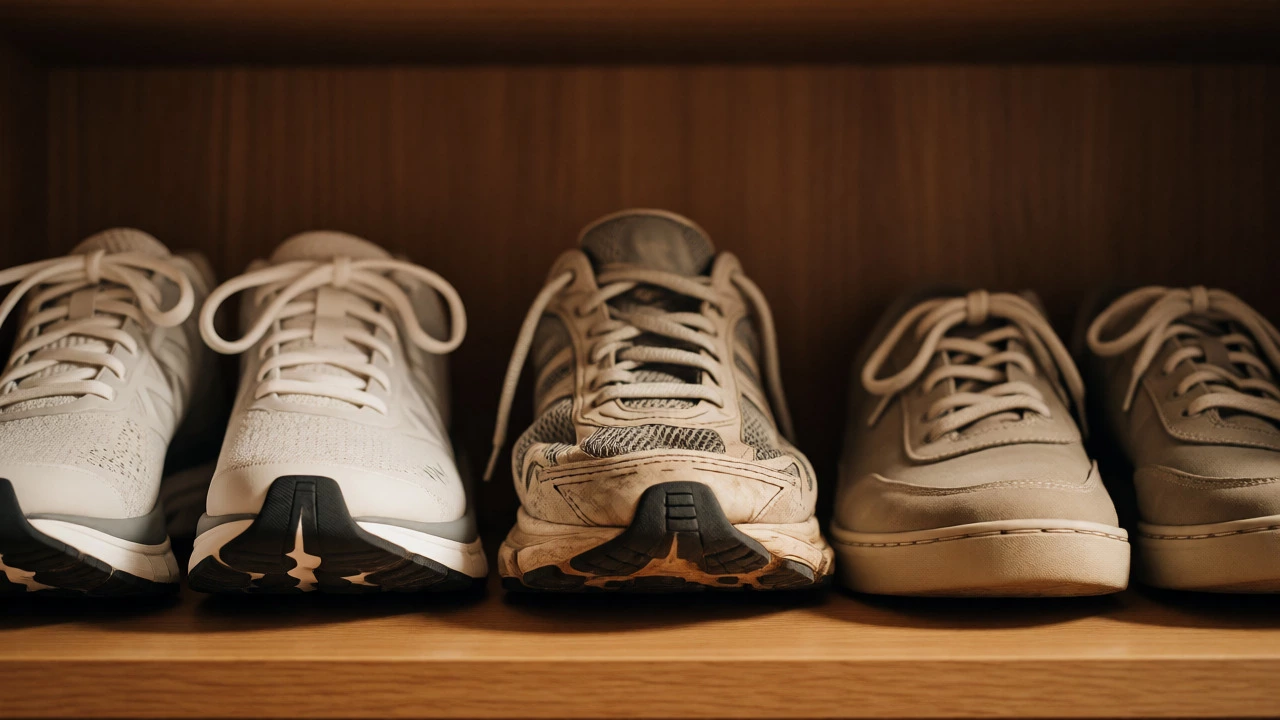
Take a look at your current setup. Are you living in one pair? Check the soles. If the tread is smooth or the foam looks creased and hard, it’s time for a change. Invest in a decent pair of everyday shoes that fit your lifestyle, not just your workout routine. Your feet will thank you, and your running shoes will perform better when you actually need them to.