Swimming May 25, 2026
What Is the Best Month to Learn Swimming? A Guide for Adults and Kids
Best Month to Learn Swimming Calculator
Answer these questions to find out when you should start your swimming journey.
Recommended Start:
Match Score:
0%
Most people assume that summer is the obvious time to jump into a pool and learn how to swim. The water is warm, the days are long, and everyone seems to be wearing swimsuits anyway. But if you’ve ever tried to book a beginner’s class in July or August, you know the reality: pools are packed, lanes are full of splashing families, and instructors are stretched thin. So, what is actually the best month to learn swimming? The answer might surprise you.
The truth is, the "best" time depends less on the calendar and more on your personal goals, your tolerance for cold water, and your ability to handle crowds. For most adults looking to build genuine confidence in the water, late autumn and early spring offer the ideal conditions. Let’s break down why timing matters and how to pick the right season for your learning journey.
Why Summer Isn’t Always the Best Choice
We love summer for vacations and beach trips, but it’s often the worst time for structured learning. Here is why:
- Crowded Pools: During peak holiday months, public leisure centers operate at maximum capacity. You’ll be sharing the water with dozens of other beginners, which can make it hard to focus.
- Instructor Availability: Qualified teachers are in high demand. Classes fill up weeks in advance, and waitlists are common.
- Distractions: With school holidays in full swing, younger siblings or family members may need supervision, making it harder to commit to regular, focused sessions.
If you start in July, you’re fighting against the clock and the crowd. By the time you get comfortable, the season is over, and motivation might dip as the weather turns.
The Case for Autumn (September-November)
For many learners, September through November is the sweet spot. Schools are back in session, meaning fewer children in the pool during weekday mornings. Leisure centers see a significant drop in casual swimmers, leaving lanes open and quiet.
Here is why this period works so well:
- Consistency: The routine of returning to work or school helps establish a regular practice schedule. You’re less likely to skip a lesson because you’re busy with holiday plans.
- Water Temperature: Most indoor pools in the UK are heated to around 27-29°C (80-84°F). In autumn, the air temperature outside is cooler, making the warm pool feel even more inviting and relaxing after a brisk walk or commute.
- Focus: Without the distraction of holiday noise and activity, you can concentrate fully on technique. Learning to float, kick, and breathe requires mental calmness, which is easier to find in a quieter environment.
Starting in October means you’ll have built a solid foundation by December. Even if progress slows slightly due to festive breaks, you won’t lose much momentum.
Winter Swimming: Building Resilience
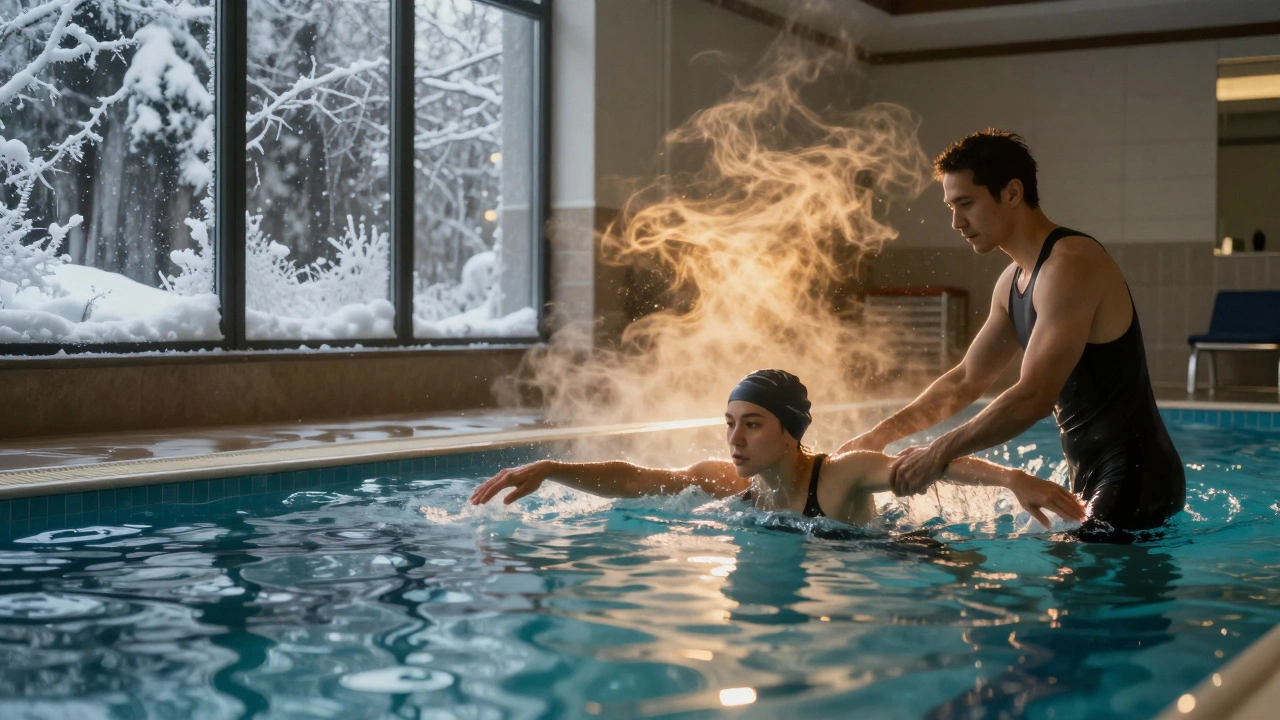
December to February might seem counterintuitive for learning to swim. After all, who wants to get wet when it’s freezing outside? However, winter offers unique advantages for dedicated learners.
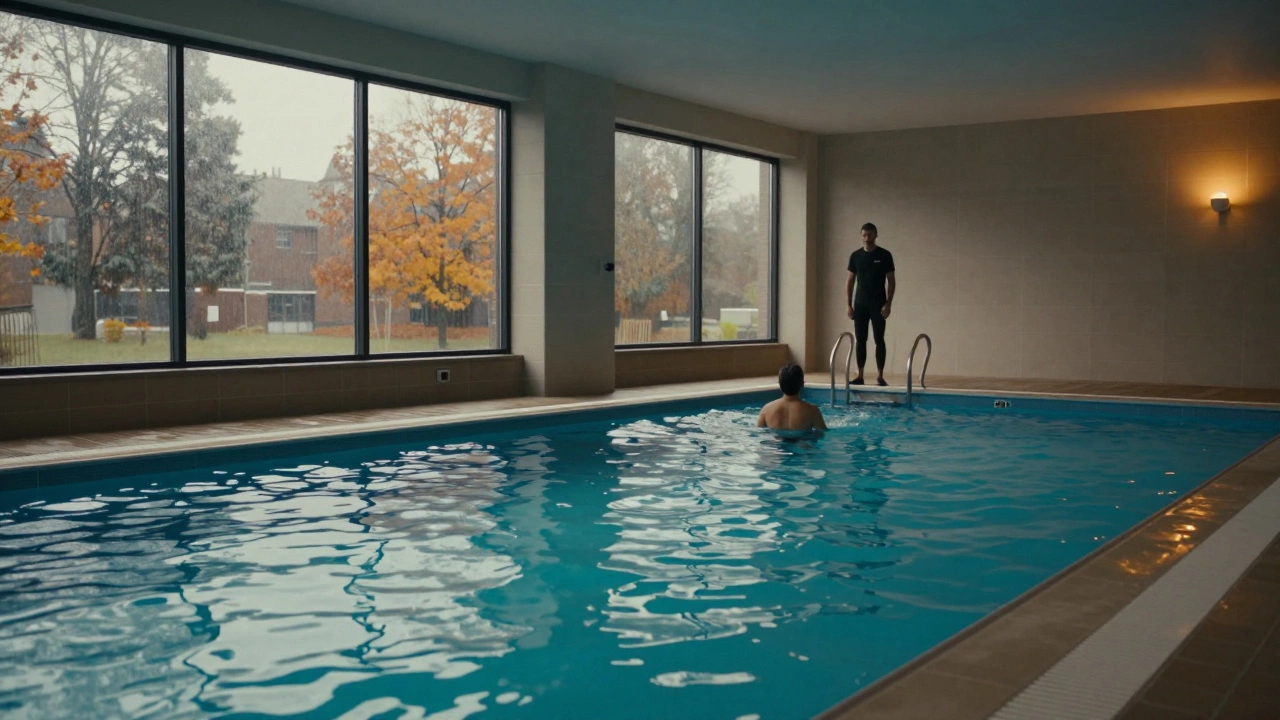
Indoor pools remain warm year-round. The contrast between the cold air and hot water can actually help you relax your muscles more effectively. Many instructors report that students in winter classes tend to be more serious and committed. They aren’t there for fun; they’re there to learn. This shared mindset creates a supportive group dynamic.
Plus, mastering basic strokes in winter prepares you for any eventual outdoor swimming later in the year. If you can stay calm and coordinate your breathing in a quiet winter pool, you’ll be far more confident when you eventually try open-water swimming in spring or summer.
Spring: The Perfect Launchpad
March to May is another excellent window. As days get longer and temperatures rise, energy levels naturally increase. Starting in March allows you to build skills gradually before the heat of summer arrives.
By June, you’ll be ready to enjoy the water recreationally rather than struggling with basics. Spring classes also benefit from improved daylight, making travel to and from the pool safer and more pleasant. For parents enrolling children, spring aligns well with the end of the academic term, allowing kids to show off their new skills during summer holidays.
Key Factors Beyond the Calendar
While the month matters, several other factors influence your success:
| Factor | Impact | Tip |
|---|---|---|
| Pool Type | Indoor pools offer consistent temperature; outdoor pools vary with weather. | Choose an indoor facility for beginners to avoid temperature shock. |
| Class Size | Smaller groups (1:3 or 1:4) provide more individual feedback. | Look for "private" or "small group" tags when booking. |
| Frequency | Once-a-week lessons lead to slow progress; twice-a-week accelerates learning. | Aim for at least two sessions per week if possible. |
| Instructor Qualification | Certified teachers (e.g., STA, ASA) ensure safe, effective techniques. | Verify credentials before signing up. |
How to Choose Your Start Date
Ask yourself these questions:
- Do I prefer a quiet environment or don’t mind distractions?
- Am I willing to commit to regular lessons despite bad weather?
- Is my goal recreational enjoyment or competitive training?
If you want a relaxed, focused experience, aim for September or March. If you’re highly motivated and want to tackle challenges head-on, winter classes could be rewarding. Avoid peak summer unless you’re prepared for larger groups and limited availability.
Common Mistakes to Avoid
Many beginners make the same errors when starting out:
- Skipping lessons due to minor discomfort or fear.
- Trying to learn too much too quickly without mastering basics like floating and breathing.
- Not practicing outside of formal lessons (even dry-land exercises help).
Remember, learning to swim is a skill, not just physical exertion. It takes time, patience, and repetition. Consistency beats intensity every time.
Can I learn to swim as an adult?
Absolutely. Many adults start swimming lessons later in life. Adult classes are tailored to address specific fears and physical limitations. The key is finding an instructor experienced with adult learners.
Are outdoor pools better for learning?
Not necessarily. Outdoor pools are subject to weather changes, which can disrupt lessons. Indoor pools provide a controlled environment with stable temperatures, making them ideal for beginners.
How long does it take to learn to swim?
It varies by individual. Most beginners achieve basic water confidence within 6-10 weekly lessons. Mastery of strokes takes longer and depends on practice frequency.
Is it safe to swim alone while learning?
No. Always swim under supervision, especially when learning. Never attempt solo swims until you have certified proficiency and feel completely comfortable in deep water.
What should I wear to my first lesson?
Wear a well-fitting swimsuit, goggles, and a swim cap if required by the pool. Avoid loose clothing that can hinder movement. Bring a towel and change of clothes for afterward.