Rugby Fixtures May 14, 2026
What is Slang for Rugby? The Real Nicknames and Terms You Need to Know
Rugby Slang & Nickname Translator
Translation:
Why this term?
Ever walked into a pub in Bristol or watched a match on TV and heard someone refer to the game as something other than 'rugby'? It happens more often than you think. If you are new to the sport, these nicknames can be confusing. Are they talking about the same thing? Why do people use different names for the exact same sport?
The short answer is that rugby has several nicknames depending on where you are in the world and which specific version of the game is being played. In most places, it’s just called "the game" by fans. But if you want to sound like a local, you need to know the difference between "Union," "League," and the older terms like "football."
The Two Main Branches: Union vs. League
To understand the slang, you first have to understand the split. Rugby isn't one single game anymore; it's two distinct codes with different rules, teams, and cultures. This split happened over a century ago, mostly due to disputes about paying players.
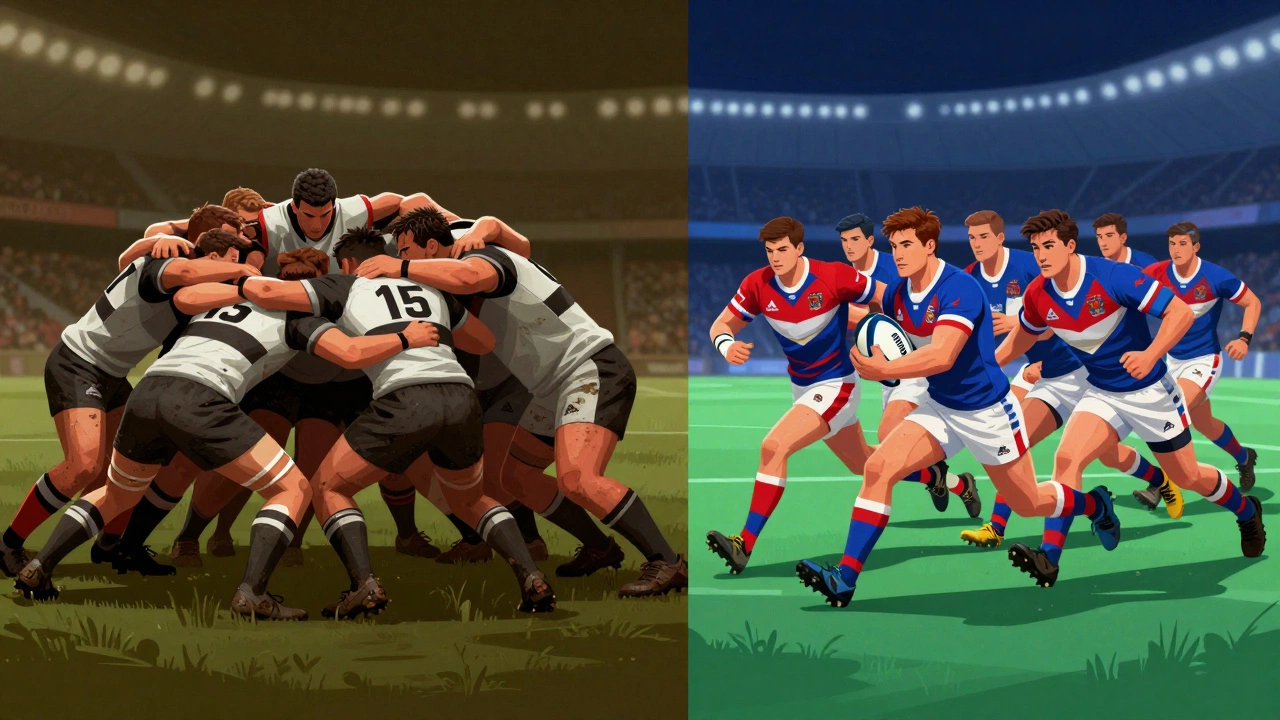
Rugby Union is the more globally popular version, featuring 15 players per side, no tackling below the waist, and a complex set of laws regarding scrums and rucks. It is the code you see in the World Cup and the Six Nations Championship. Fans and media often shorten this to just "Union" or even "the game" when the context is clear.
Rugby League is a faster-paced variant with 13 players per side, six tackles before losing possession, and a simpler scoring system. It is dominant in northern England, Australia, New Zealand, and parts of France. People here usually call it "League" or simply "rugby" without any qualifier.
If you are in London or Paris, "rugby" almost always means Union. If you are in Wigan or Newcastle, "rugby" likely means League. This geographic divide is the biggest source of confusion for outsiders.
Historical Slang: When It Was Just "Football"
Before the professional era, both codes were often referred to collectively as "football." This still lingers in some older contexts. You might see historical records or older generations referring to "rugby football" to distinguish it from "association football" (soccer).
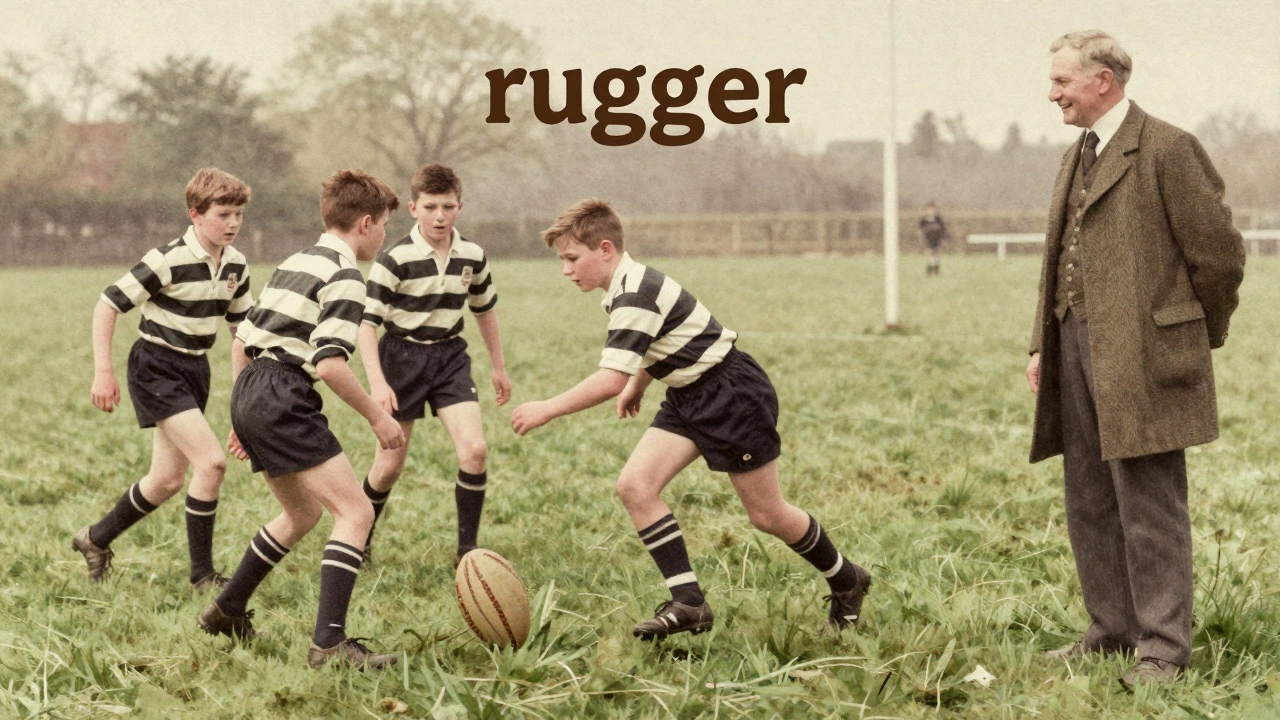
In the late 19th and early 20th centuries, the term "rugger" was extremely common. It’s an affectionate, informal diminutive. While younger players rarely use it today, you will still hear older coaches, parents, or traditionalists say, "I used to play rugger at school." It carries a sense of nostalgia and amateur roots.
Another archaic term is "the oval ball game." This wasn't really slang but a descriptive phrase used to differentiate it from soccer matches. Today, it’s mostly found in historical texts or very formal invitations, not in casual conversation.
Regional Nicknames and Local Dialects
Slang is heavily influenced by geography. Here is how different regions refer to the sport:
- Australia & New Zealand: They often call Rugby League "footy." Yes, the same word Australians use for Australian Rules Football and sometimes soccer. Context is key. If it’s winter and there’s a tackle, it’s League. If it’s summer and they’re kicking a round ball, it’s AFL. Rugby Union is usually just "Union" or "the Wallabies/Kiwis" (referring to the national teams).
- Northern England: In cities like Leeds, Manchester, and Wigan, "League" is king. They might refer to the sport as "the league game" to distinguish it from soccer. The term "super league" is also used frequently when discussing the top-tier competition.
- France: French fans often use the term "le ballon ovale" (the oval ball). It’s a poetic way to describe the sport, emphasizing its unique shape compared to soccer. You’ll see this in newspapers and headlines.
- South Africa: Known as "rugby" or "union." The Springboks are so iconic that the sport is sometimes referred to through the lens of the team, e.g., "Springbok rugby."
In-Game Slang: What Players Say
Beyond the name of the sport itself, players use specific slang during matches. Knowing these terms helps you follow commentary and locker room talk.
| Term | Meaning | Context |
|---|---|---|
| The Pod | The scrum | When forwards bind together |
| Chin Music | High tackles | Often dangerous or penalized |
| Poddy | A loose forward | Usually a flanker or number 8 |
| Backline | Players behind the scrum | Includes wingers, centers, fly-half |
| Forward Pack | The eight front players | Known for physicality and set pieces |
You might also hear "mudlarking" when describing a messy, physical phase of play near the breakdown. Or "playing in the trenches" to emphasize the hard work done by forwards. These aren’t names for the sport, but they are part of the linguistic identity of rugby culture.
Why Do Nicknames Matter?
Using the right slang signals belonging. If you go to a Rugby League club in Huddersfield and ask about "Union," you might get a blank stare. Conversely, walking into a Premiership Rugby stadium in London and asking about "League" fixtures could confuse staff.
These terms also reflect the history and values of each code. "Union" suggests tradition, global reach, and amateur roots. "League" implies speed, working-class heritage, and professionalism. Understanding these nuances enriches your experience as a fan.
How to Use These Terms Correctly
If you want to avoid awkward moments, follow these simple rules:
- Know the location: In most of Europe, South Africa, and Japan, assume "rugby" means Union. In Northern England, Australia, and New Zealand, clarify whether it’s League or Union.
- Use "Union" and "League" explicitly: When talking to mixed audiences, specify the code. "I’m watching the Union match tonight" is clearer than "I’m watching rugby."
- Avoid "Rugger" unless joking: It sounds old-fashioned. Use it only if you’re mimicking a grandparent or making light of tradition.
- Listen to locals: If everyone around you says "footy," lean in and ask which code they mean. It’s a great conversation starter.
Remember, slang evolves. With the rise of social media, younger fans might blend terms or create new ones. But the core distinction between Union and League remains the foundation of rugby language.
Is rugby ever called football?
Historically, yes. Both Rugby Union and Rugby League were originally forms of "rugby football." Today, this term is rarely used in casual conversation but may appear in historical contexts or legal documents to distinguish it from association football (soccer).
What is the difference between Rugby Union and Rugby League?
Rugby Union has 15 players, no limit on tackles, and complex set pieces like scrums and lineouts. Rugby League has 13 players, a six-tackle rule, and simpler restarts. The skills and strategies differ significantly between the two codes.
Why do Australians call Rugby League "footy"?
In Australia, "footy" is a generic term for major football codes. Context determines the meaning. In states like Queensland and New South Wales, "footy" often refers to Rugby League, especially during the NRL season. In Victoria, it usually means Australian Rules Football.
Is "rugger" still used today?
Yes, but primarily by older generations or in traditional schools. Younger players and modern media rarely use it. It’s considered affectionate and nostalgic rather than standard slang.
What should I call the sport if I'm unsure which code?
Simply say "rugby." Most people will understand based on context. If clarity is needed, add "Union" or "League" after the word. Avoid using ambiguous terms like "football" unless you are certain of the listener's background.