Boxing Matches April 13, 2026
What Do You Call a Fighting Game? Understanding Boxing and Combat Sports Terms
Combat Terminology Finder
Select the scenario that best describes your situation to find the most appropriate term to use.
Recommended Term
-
Select a scenario above to see the best term.
Pro Tip: Avoid calling these "games" unless you're talking about a video game like Street Fighter!
The goal here is to help you navigate the specific language of the ring and the cage so you can talk shop with actual fans and fighters without feeling out of place.
The Quick Cheat Sheet
- Bout: The professional term for a single boxing match.
- Fight: The most common, general term used by everyone.
- Contest: A formal term often used by commissions and regulators.
- Sparring: Practice fighting in a gym setting.
- Main Event: The headline fight of the night.
The Most Common Terms for a Match
When you're talking about boxing matches, the word you choose tells people how much you know about the sport. If you're watching a professional event, you'll most often hear the word "fight." It's simple, direct, and covers everything from a three-round opener to a twelve-round title clash.
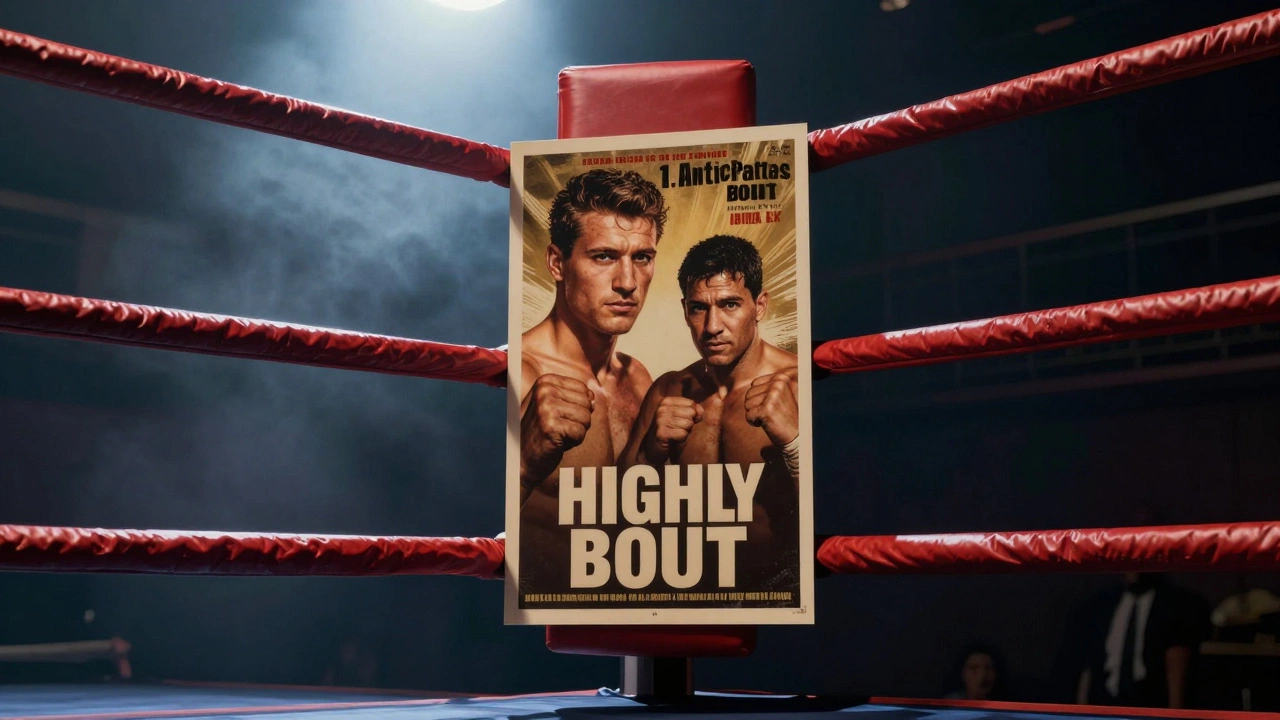
However, if you want to sound more seasoned, use the word Bout is a formal term for a boxing match, specifically emphasizing the scheduled encounter between two opponents. You'll see this in official contracts or read it in old-school sports journalism. For example, a promoter wouldn't just say "we have a fight on Friday"; they might refer to it as a "highly anticipated bout." It adds a layer of prestige to the event.
Then there is the word "contest." This is rarely used in casual conversation but appears constantly in the rulebooks of Boxing Commissions is the regulatory bodies that oversee the licensing and safety of professional boxing matches. When a referee says "the contest is over," they aren't just saying the fight ended; they are officially closing the legal proceeding of the match.
Different Names for Different Styles
Not every "fight" is the same. Depending on the rules, the gear, and the goal, the name changes. If you are talking about the sport of hitting with gloves, you are in the realm of Pugilism is the ancient and formal art of boxing, derived from the Latin word pugil meaning boxer. While nobody says "I'm going to a pugilism match" today, you'll find the term in historical contexts or very formal sporting essays.
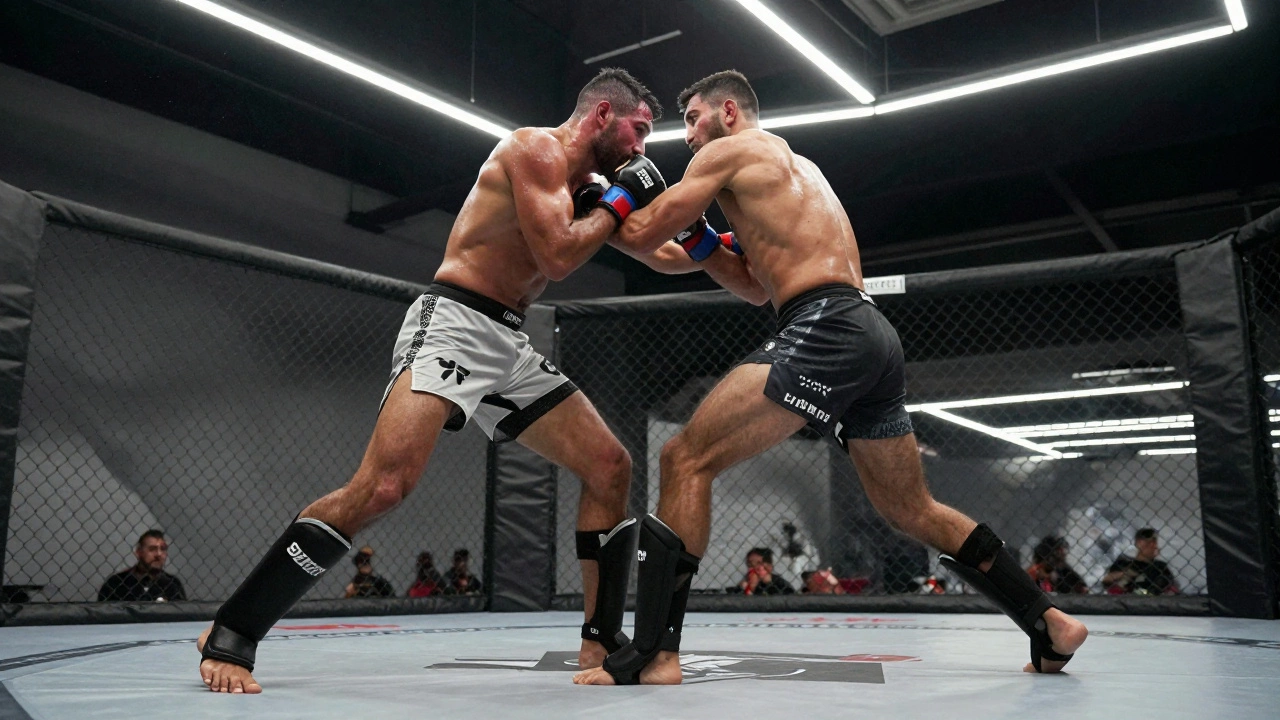
If the match takes place in a cage rather than a ring, you've moved from boxing to Mixed Martial Arts is a full-contact combat sport that allows a wide variety of fighting techniques from both striking and grappling. In the MMA world, the term "fight" is still king, but you'll also hear people refer to "walk-outs" (the entrance) or "clashes." Because MMA involves wrestling and Jiu-Jitsu, the nature of the "game" changes from a striking match to a more complex physical puzzle.
| Context | Common Term | Formal Term | Vibe |
|---|---|---|---|
| Professional Boxing | Fight | Bout | Prestige/Sporty |
| MMA (UFC/PFL) | Fight | Contest | Aggressive/Modern |
| Training Gym | Sparring | Session | Educational/Safe |
| Amateur/Olympic | Bout | Match | Structured/Technical |
Gym Language: When It's Not a Real Fight
If you go into a boxing gym and tell your partner "let's have a fight," you might actually get punched in the face. Why? Because in a gym, a "fight" implies a real grudge or an uncontrolled brawl. What you actually want is Sparring is the act of practicing boxing techniques with a partner in a controlled environment using protective gear.
Sparring isn't a "game" in the sense of winning or losing; it's a conversation with your fists. There are different types of this, too. "Light sparring" or "technical sparring" is where you barely touch each other just to work on timing. Then there is "hard sparring," which feels much more like a real bout and is used to prepare for an actual fight. If you're just hitting a bag, that's called "pad work" or "heavy bag work," not a fight.
The Anatomy of a Fight Night
When a full event happens, the terminology expands to describe the structure of the evening. You don't just have one fighting game; you have a Fight Card is the scheduled list of matches for a specific event, typically ordered from least to most important.
At the bottom of the card, you have the "undercard." These are the matches that build the energy for the crowd. They are often the place where young prospects try to make a name for themselves. Then you have the "co-main event," which is the second most important fight of the night. Finally, you reach the "main event." This is the big one-the championship belt is usually on the line here, and the atmosphere is electric.
Inside the match itself, you'll hear terms like "rounds" and "bell." A professional boxing match is divided into rounds (usually 3 minutes each). If a fighter is knocked down, the referee starts a "ten-count." If the referee stops the match entirely because one fighter is taking too much damage, it's called a TKO is Technical Knockout, occurring when a referee or doctor stops a fight because a fighter cannot safely continue. This is different from a KO (Knockout), where the fighter is literally unconscious or unable to stand up by the count of ten.

Why the Language Matters
You might wonder why we have so many words for the same thing. It comes down to the culture of combat. Boxing is one of the oldest sports in the world, and its language reflects that. The use of "bout" and "pugilism" connects the modern sport to the era of the London Prize Ring Rules and the bare-knuckle days of the 18th century.
Using the correct terms also helps with safety and communication. In a high-stress environment like a gym, knowing the difference between "sparring" and "fighting" prevents unnecessary injuries. In a professional setting, using terms like "contest" and "commission" ensures that everyone is following the same legal guidelines to protect the athletes.
Is a boxing match called a "game"?
Generally, no. In sports terminology, a "game" usually involves a ball or a set of objectives like scoring goals. Boxing is referred to as a "fight," a "bout," or a "contest." Calling it a "game" is a common mistake for people who are used to video games or team sports.
What is the difference between a bout and a fight?
A "fight" is the universal term used by everyone. A "bout" is a more formal or professional term often used by promoters, historians, and officials. Essentially, every bout is a fight, but not every fight (like a street fight) is a bout.
What is a "Main Event" in boxing?
The main event is the final and most significant fight on a fight card. It usually features the most famous athletes or a world championship title match and is the primary reason the audience bought tickets.
What does "sparring" mean compared to a match?
Sparring is a training exercise. It is a controlled version of a fight where the goal is to learn and improve technique, not to knock the other person out. A match, or bout, is a competitive event with a winner and a loser.
What is a TKO?
TKO stands for Technical Knockout. This happens when the referee, the ringside doctor, or the fighter's own corner decides that the fighter cannot safely continue the match, even if they haven't been knocked completely unconscious.
Next Steps for the Combat Sport Fan
If you're just starting to follow the sport, don't worry about mastering every term immediately. Start by watching a few professional events and listen to how the announcers describe the action. You'll notice they rarely say "game" and almost always use "bout" or "clash" when trying to build excitement.
If you're planning to join a gym, the most important thing is to be clear about your intentions. Tell your coach you want to learn "technical sparring" rather than "fighting." This ensures you get the right gear-like 16oz gloves and a mouthguard-and a partner who is there to help you grow, not just beat you up.