
Football June 29, 2026
What Do British People Call Soccer? The Truth About Football Terminology
British Football Terminology Translator
Translate your sentence:
Common Terms Dictionary
Translation Result
Your translated sentence will appear here...
Local Knowledge Score
0%
Walk into any pub in Bristol on a Saturday afternoon, and you will hear one word echoing from every television screen: football. If you are an American tourist asking for directions to the "soccer stadium," you might get a confused look. In the United Kingdom, the sport is almost exclusively known as football. But why do we call it that when Americans call it soccer? And more importantly, what exactly do British people mean when they use these terms?
The confusion isn't just about vocabulary; it’s about cultural identity. For millions of Britons, this sport is woven into the fabric of daily life, from school playgrounds to professional stadiums like Wembley. Understanding the naming conventions helps you navigate not just the language, but the culture surrounding the game.
The Origin of the Word "Soccer"
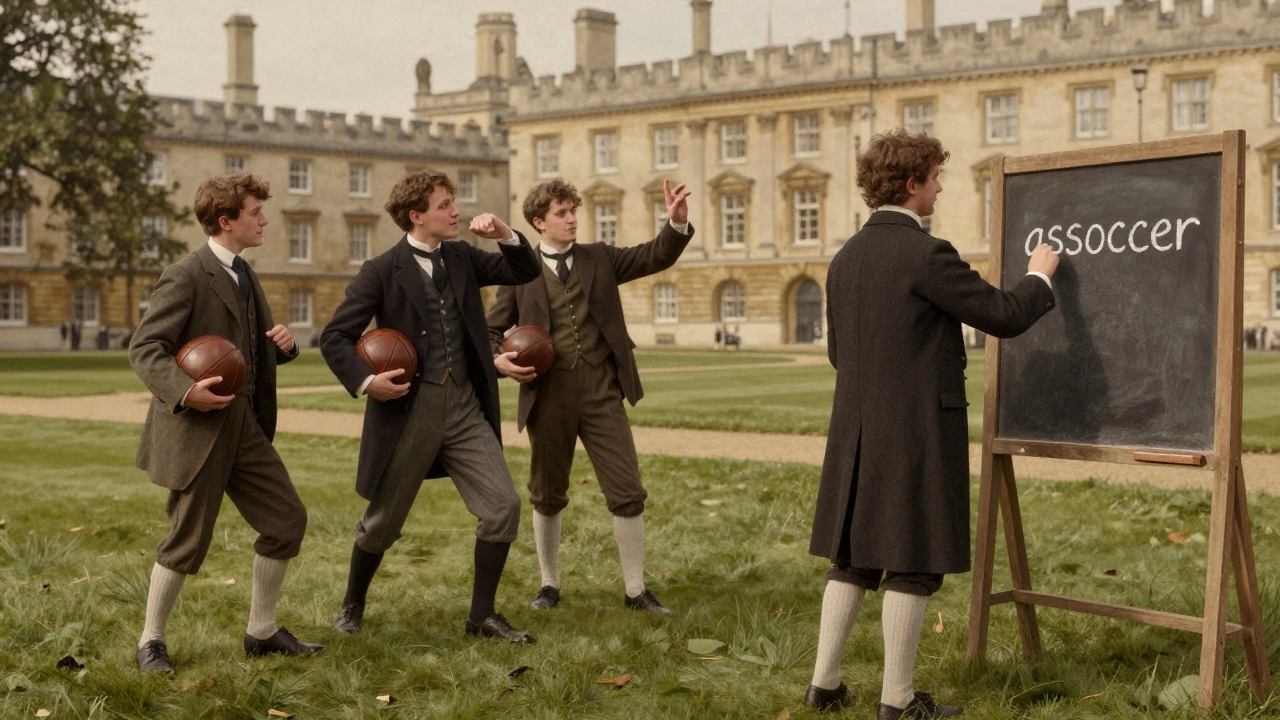
Here is a fact that surprises many Americans: the word "soccer" was invented in Britain. It didn’t come from the US; it came from Oxford University slang in the late 19th century. Back then, students loved adding "-er" to shortened words. Rugby became "rugger," and association football became "assoccer," which eventually morphed into "soccer."
For decades, both "football" and "soccer" were used interchangeably in the UK. You would find newspapers using both terms without anyone batting an eye. However, as the term gained popularity in America to distinguish the sport from American football, British usage shifted. Today, using "soccer" in the UK can sometimes sound pretentious or distinctly American, though younger generations exposed to global media are becoming more familiar with the term again.
Did British people invent the word soccer?
Yes, the term originated in England at Oxford University in the 1800s as a shortening of "association football." It was common usage in the UK until the mid-20th century when "football" became the dominant term locally.
Why "Football" Dominates in the UK
In the UK, "football" refers specifically to association football-the game played with feet, a round ball, and two goals. There is no ambiguity because other forms of football, like rugby, are clearly labeled as such. When a Briton says "I’m going to watch the football," they mean the match between Manchester United and Liverpool, not an NFL game.
This distinction matters because the sport is the most popular in the country. The Premier League is the top tier of English football, watched by billions globally draws massive audiences. Local clubs have deep roots in communities. In Bristol, for example, supporters split their loyalty between Bristol City and Bristol Rovers, creating a fierce local rivalry known as the "Bristol Derby." This emotional connection reinforces the use of "football" as the natural, default term.
American Football vs. Association Football
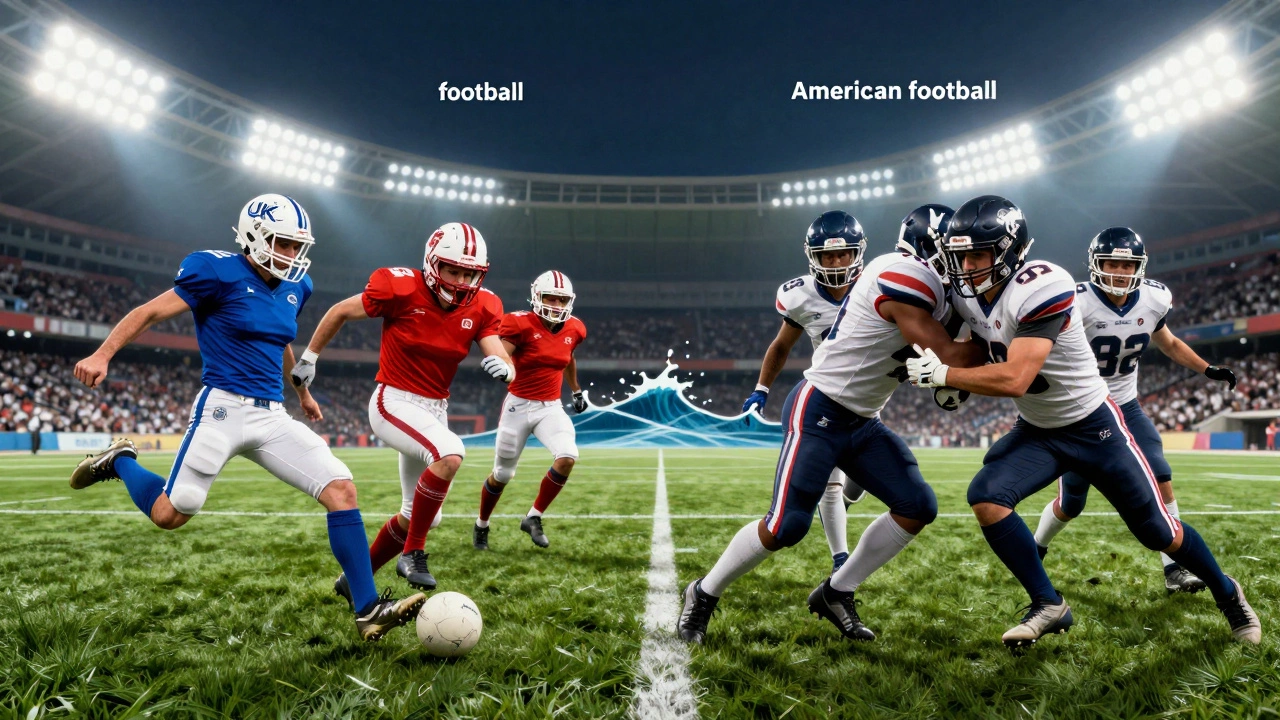
The real source of confusion lies across the Atlantic. In the United States, "football" refers to a completely different sport involving helmets, pads, and forward passes. To avoid mixing up the two, Americans adopted "soccer" for the British version. This linguistic split created a divide that persists today.
| Term | UK Meaning | US Meaning |
|---|---|---|
| Football | Association football (soccer) | American football (NFL) |
| Soccer | Rarely used, often seen as American | Association football |
| Pitch | The playing field | Not commonly used; "field" is preferred |
| Goalkeeper | Common term for the goalie | Often called "goalie" |
Understanding this difference helps travelers and fans communicate better. If you are watching a match in London and ask about the "soccer score," locals will understand, but they will likely correct you gently. Using "football" shows cultural awareness and respect for local traditions.
Other British Sports Terminology
Beyond the name of the sport, there are several other terms that differ between British and American English. These variations can trip up visitors if they aren’t aware of them.
- Pitch: The area where the game is played. Americans say "field."
- Kit: The uniform worn by players. Americans say "uniform" or "jersey."
- Half-time: The break in the middle of the match. Americans say "halftime" (one word).
- Referee: The official who enforces rules. Americans might shorten this to "ref."
- Supporters: Fans of the team. Americans typically say "fans."
These small differences add flavor to the experience. Hearing chants in the stands referencing the "kit" or the "pitch" immerses you in the authentic atmosphere of a British match.
The Global Impact of British Football
As the birthplace of modern football, the UK has influenced how the sport is played and perceived worldwide. The laws of the game were codified in England in 1863 by the Football Association (FA). This standardization allowed the sport to spread globally, carrying the British terminology with it.
Today, while "football" is the international standard, the US remains a notable exception. Even FIFA, the global governing body, uses "football" in its official communications. This global dominance reinforces the UK’s preference for the term. When British expats live abroad, they often continue to use "football," influencing local communities and maintaining cultural ties.
How to Talk Like a Local
If you want to blend in at a British football match, start by using the right words. Say "football" instead of "soccer." Refer to the team’s "kit" rather than their "uniform." Use "pitch" when discussing the playing surface. These small adjustments signal that you respect the local culture and understand the nuances of the game.
Also, be prepared for passionate discussions. British fans are knowledgeable and opinionated. They love debating tactics, player performances, and historical moments. Engaging in these conversations can deepen your appreciation for the sport and connect you with fellow enthusiasts.
Is it rude to call it soccer in the UK?
It is not necessarily rude, but it may mark you as an outsider or American. Most Britons will understand you, but using "football" is preferred and shows cultural sensitivity.
What do British people call American football?
They usually call it "American football" to distinguish it from their own version. Some might refer to it as "gridiron," though this is less common.
Do British kids play soccer?
Kids play "football" in schools and parks. The term "soccer" is rarely used in everyday conversation among children.
Why did the UK stop using soccer?
The shift happened gradually as "football" became associated with national identity and "soccer" became linked with American usage. By the late 20th century, "football" was the dominant term.
Are there other sports with similar naming conflicts?
Yes, for example, "cricket" is widely understood, but terms like "tennis" and "basketball" have minor variations. However, football/soccer is the most prominent example.
Next Steps for New Fans
If you are new to British football, start by following a local team. Attend a match to experience the atmosphere firsthand. Listen to the chants, learn the terminology, and engage with other fans. Over time, you will naturally adopt the local language and feel more connected to the community.
Remember, language evolves. While "football" is the standard, understanding the history behind "soccer" adds depth to your knowledge. Whether you are a casual viewer or a dedicated supporter, embracing the terminology enhances your enjoyment of the game.