Video Analysis Tools for Athletes: See Your Progress, Fix Your Form
When you're trying to get faster, stronger, or more efficient, what you feel isn't always what's actually happening. That's where video analysis tools, digital systems that capture and break down movement for performance improvement. Also known as motion tracking software, they let you see your stride, swing, or stance in slow motion—exactly how coaches and elite athletes use them to find tiny flaws that hold you back. You don’t need a lab or a $10,000 system. Even your phone and a free app can show you why your knee collapses on landing, why your tennis serve loses power, or why your marathon pace drops after mile 18.
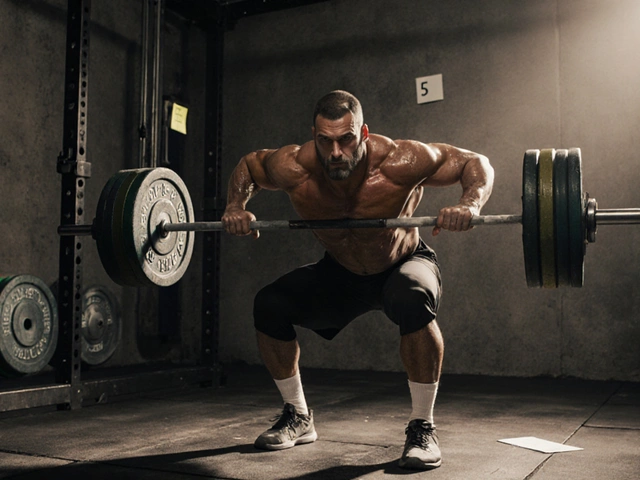
These tools aren’t just for pros. Whether you're a runner trying to cut down injury risk, a tennis player fixing a shaky backhand, or a boxer cleaning up your jab, video analysis gives you a mirror you can replay. It connects directly to the training methods you already use. For example, if you’ve read about compound lifts, multi-joint strength exercises like squats and deadlifts that build real power, you know form matters. Video analysis shows you if your hips are dropping on the way down, or if your back rounds under load. Same goes for marathon training, the long-term plan to build endurance for 26.2 miles. A quick clip of your last long run might reveal you’re leaning too far forward after mile 15—something you’d never notice while running.
What you’ll find in these posts isn’t theory. It’s real-world fixes. One article breaks down how tennis players over 40 use video to adjust their footwork without losing power. Another shows how someone built muscle and still ran a marathon by using slow-mo clips to balance strength and endurance. There’s even a guide on how to use your phone to analyze your swimming stroke—no coach needed. These tools turn guesswork into data. They help you stop doing what feels right and start doing what actually works. And the best part? You can start today. No fancy gear. Just your phone, a wall to lean against, and five minutes to record yourself. The improvements don’t come from buying more gear. They come from seeing what you’re really doing—and fixing it.
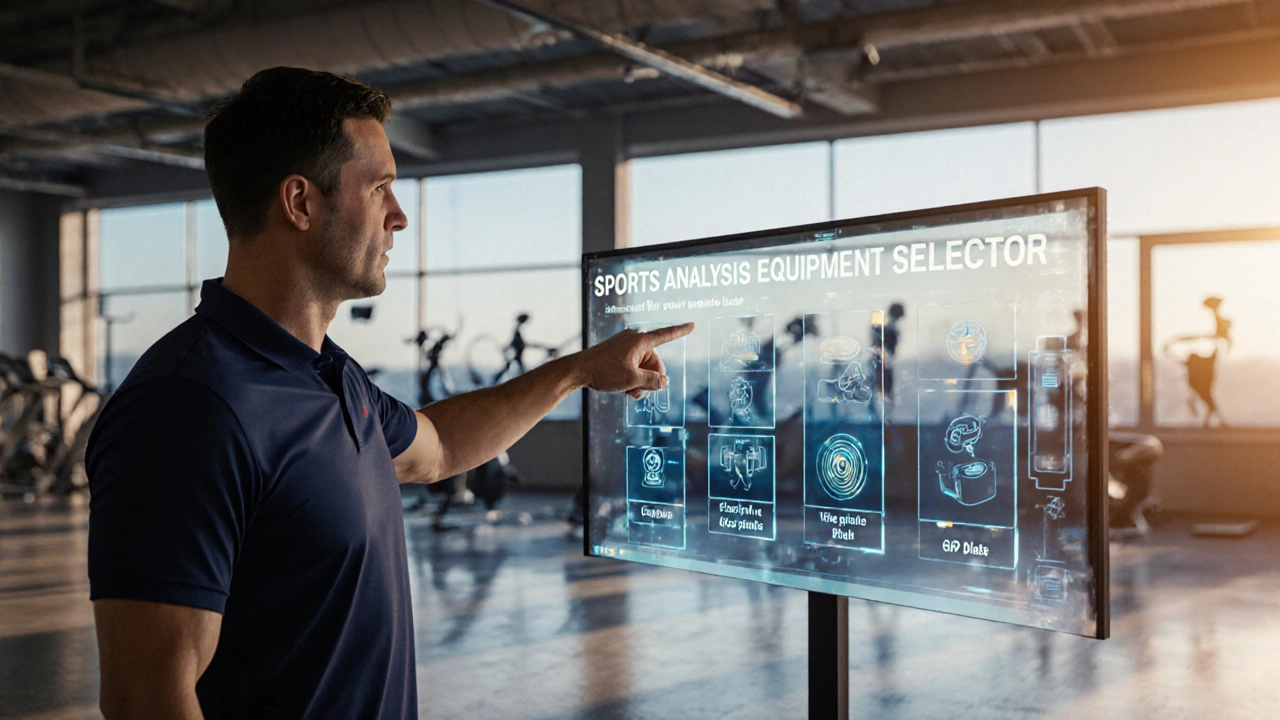
Essential Sports Analysis Equipment Guide
Discover the essential sports analysis equipment, from video cameras and drones to GPS trackers and force plates, with buying tips, a comparison table, and a practical FAQ.