Running Gear Tips: What Actually Works for Runners
When it comes to running gear, the equipment runners use to train and compete, including shoes, clothing, and accessories. Also known as running equipment, it’s not about buying the most expensive stuff—it’s about choosing what fits your body, your pace, and your goals. Too many runners waste money on flashy gadgets that don’t make a difference. The truth? Your best gear is the stuff you forget you’re wearing.
running shoes, the most critical piece of gear for any runner, designed to support foot mechanics and absorb impact. Also known as running trainers, it’s not about brand names or color schemes—it’s about how your foot lands, how your arch supports, and how the sole wears over time. A 2021 study from the British Journal of Sports Medicine found that runners who switched to shoes matching their foot type cut injury risk by nearly 30%. You don’t need the latest model—you need the right one for you. And if your shoes are over 500 miles old, it’s time to replace them, no matter how good they look.
running apparel, clothing designed to manage moisture, temperature, and movement during runs. Also known as athletic wear for running, it’s not about looking like a pro—it’s about staying dry and comfortable. Cotton kills. Seriously. It holds sweat, chafes, and makes cold days worse. Stick to synthetic blends or merino wool. A good running shirt should wick sweat away fast. Shorts should have a built-in liner. Socks? No cotton socks. Look for padded, seamless, moisture-wicking ones. You’ll notice the difference after your first 5K.
Then there’s running hydration, the practice of drinking water or electrolytes during runs to maintain performance and avoid cramps or heat stress. Also known as fluid intake for runners, it’s not just for marathoners. Even a 60-minute run in warm weather can leave you dehydrated. A simple waist belt or handheld bottle makes a real difference. And if you’re running longer than an hour, you need electrolytes—not just water. Skip the sugary sports drinks unless you’re burning through serious miles.
And don’t get lost in the noise around running accessories, small tools like GPS watches, armbands, headphones, or reflective gear that enhance safety or tracking. Also known as running tech gadgets, they’re helpful—but not essential. A cheap phone armband works just as well as a $200 smartwatch for tracking distance. Headphones? Fine, if they don’t block traffic noise. Reflective gear? Non-negotiable if you run at dawn or dusk. But none of these replace good shoes, proper clothing, or smart hydration.
What you’ll find below isn’t a list of the top 10 running gadgets. It’s a collection of real stories, real mistakes, and real fixes from runners who’ve been there. You’ll learn what gear saved someone’s knees, what shirt made a 10-mile run bearable, and why one runner ditched their fancy watch and started using a free app instead. No fluff. No hype. Just what works.
Which Brand Is Good for Running Shoes? Honest Guide for Your Next Pair
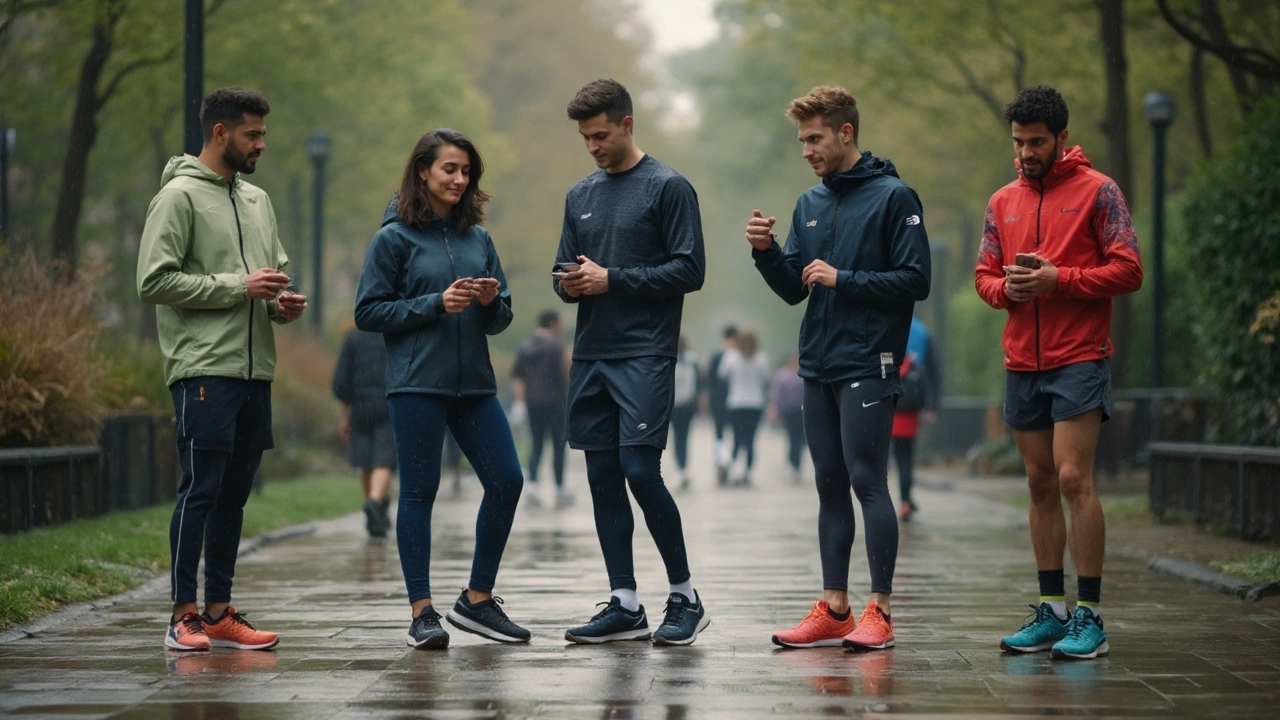
Picking the right brand for running shoes can change the way you move and even how you feel after a run. There are some top brands out there, but choosing depends on your feet and goals. This article breaks down what actually matters when picking a brand and why certain names pop up so much. Real tips about fit, tech, price, and brand strengths are all here. Cut through the noise and find the shoe brand that works for your runs, not just the marketing hype.