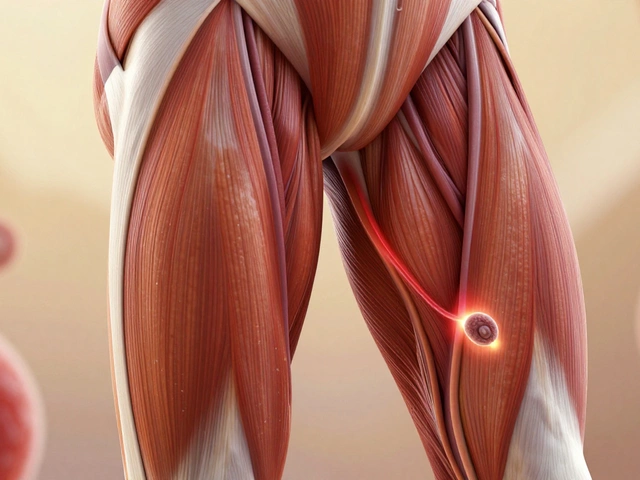
Rugby Turnovers: What They Are, Why They Matter, and How to Win Them
When a team loses the ball in rugby, it’s not just a mistake—it’s a rugby turnover, a sudden shift in possession where one team steals the ball from the other during open play or set pieces. This single moment can flip a game in seconds, turning defense into attack and hope into victory. Also known as ball recovery, a turnover is the heartbeat of modern rugby—fast, physical, and full of strategy. It’s not about luck. It’s about timing, technique, and reading the game.
Turnovers happen in two main ways: through rucks, the contest for the ball on the ground after a tackle, and mauls, when players bind together and drive forward with the ball still in hand. But the most dangerous turnovers come from steals—like a flanker ripping the ball out of a tackled player’s grip, or a scrum-half intercepting a loose pass. These aren’t just plays; they’re psychological blows. Teams that force turnovers consistently win more games, because they control the tempo, drain the opponent’s energy, and create scoring chances out of chaos.
Great teams don’t just wait for turnovers—they create them. That means disciplined tackling, fast ruck clearance, and constant pressure on the ball carrier. It’s not just about strength; it’s about anticipation. Watch the best defenders: they don’t rush in. They wait, read the pass, and strike when the ball is loose. And when they get it? They turn it into points. That’s why the top rugby nations—New Zealand, South Africa, England—train turnovers like a science. They drill ruck speed, practice jackaling under pressure, and teach players to spot the exact millisecond the ball is vulnerable.
And it’s not just for forwards. Backs need to know how to defend against turnovers too. A poorly timed pass, a lazy foot placement, or a lack of communication can hand the ball over. That’s why modern rugby training focuses on ball security as much as speed. Every player, no matter their position, must understand how to protect the ball and how to steal it.
Below, you’ll find real insights from players and coaches who’ve turned turnovers into wins. From how to win the ruck without getting penalized, to why leg strength matters more than you think, to what happens when a team loses possession too often—these articles give you the tools to understand, force, and capitalize on the moments that change rugby games.
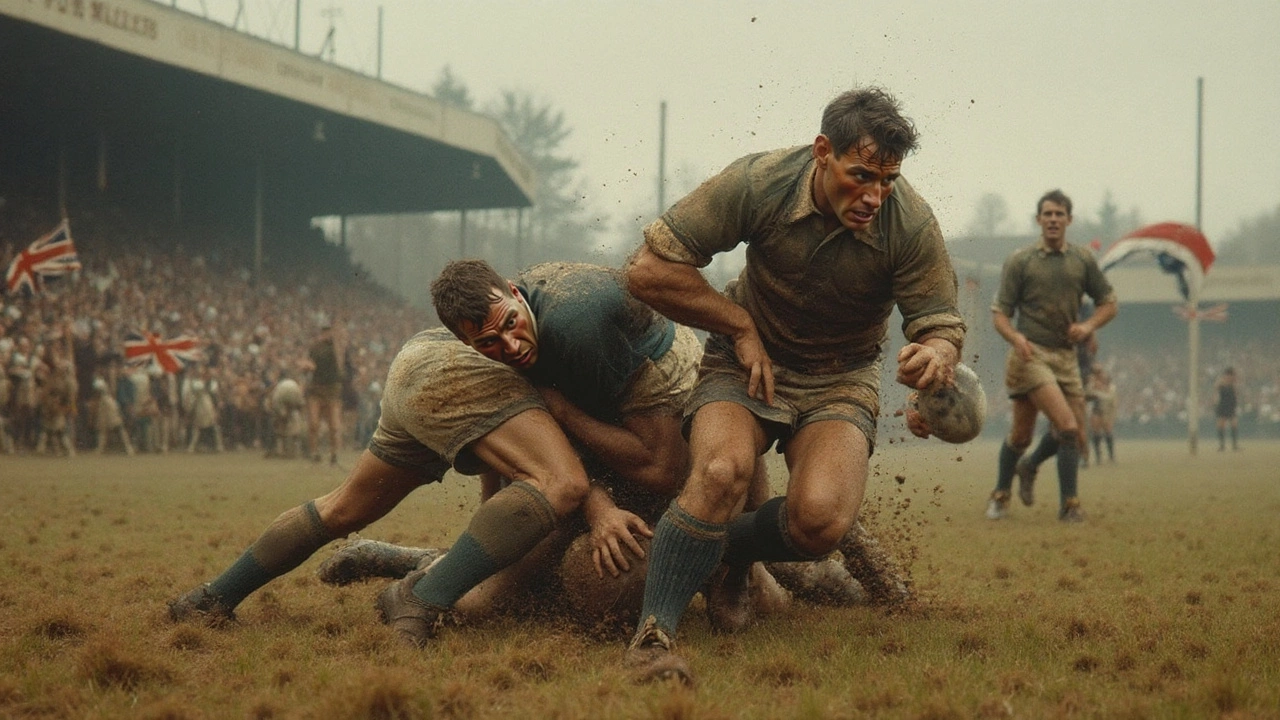
Why Is It Called a Jackler in Rugby? The Story Behind Rugby's Fierce Turnover Specialist
Ever wondered where the term 'jackler' in rugby comes from? This detailed read reveals its origins, the skills required, and its impact on modern rugby.