Rugby Rules: What You Need to Know About the Game, Its Plays, and How It Works
When you watch a rugby match, you’re seeing a sport built on rugby rules, a structured set of guidelines governing how the game is played, scored, and enforced. Also known as rugby football, it’s not just about tackling—it’s about timing, teamwork, and strict boundaries that keep the game fair and fast. Unlike soccer, rugby lets you carry the ball, pass it backward, and contest possession in physical ways like rucks and mauls. These aren’t random actions—they’re defined by rules that have been refined over 150 years, starting from a schoolyard moment in Rugby, England.
The core of rugby gameplay, the flow of play that includes passing, tackling, scrums, and lineouts revolves around continuous action. You can’t pass forward, but you can kick the ball ahead and chase it. Scoring happens through tries (five points), conversions (two), penalties (three), and drop goals (three). Each has a specific setup and timing. Referees enforce these rules strictly—penalties for offside, high tackles, or collapsing scrums can shift momentum fast. And those massive legs you see on players? That’s not just genetics—it’s training built around the physical demands of rugby positions, the specialized roles like props, flankers, and fly-halves that each require different strength, speed, and strategy.
There’s no magic trick to understanding rugby rules. It’s about seeing the patterns: why a scrum forms after a forward pass, why players must release the ball after a tackle, why the offside line moves with the ruck. These aren’t arbitrary—they exist to balance chaos with control. Once you get how the rugby penalties, the sanctions given for rule violations that result in free kicks or penalty kicks work, you start seeing the game differently. A yellow card isn’t just punishment—it’s a tactical moment that changes the entire match.
You’ll find posts here that explain why rugby players train their legs like weightlifters, how the sport spread from a small English town to global leagues, and even what the French call it (spoiler: they still say "rugby"). There’s no fluff—just real breakdowns of what happens on the field, why it matters, and how you can follow along even if you’ve never held a ball. Whether you’re watching your first match or trying to coach a team, the answers are here. What you’re about to read isn’t theory—it’s what actually happens when 15 players collide, pass, and fight for every inch of ground.
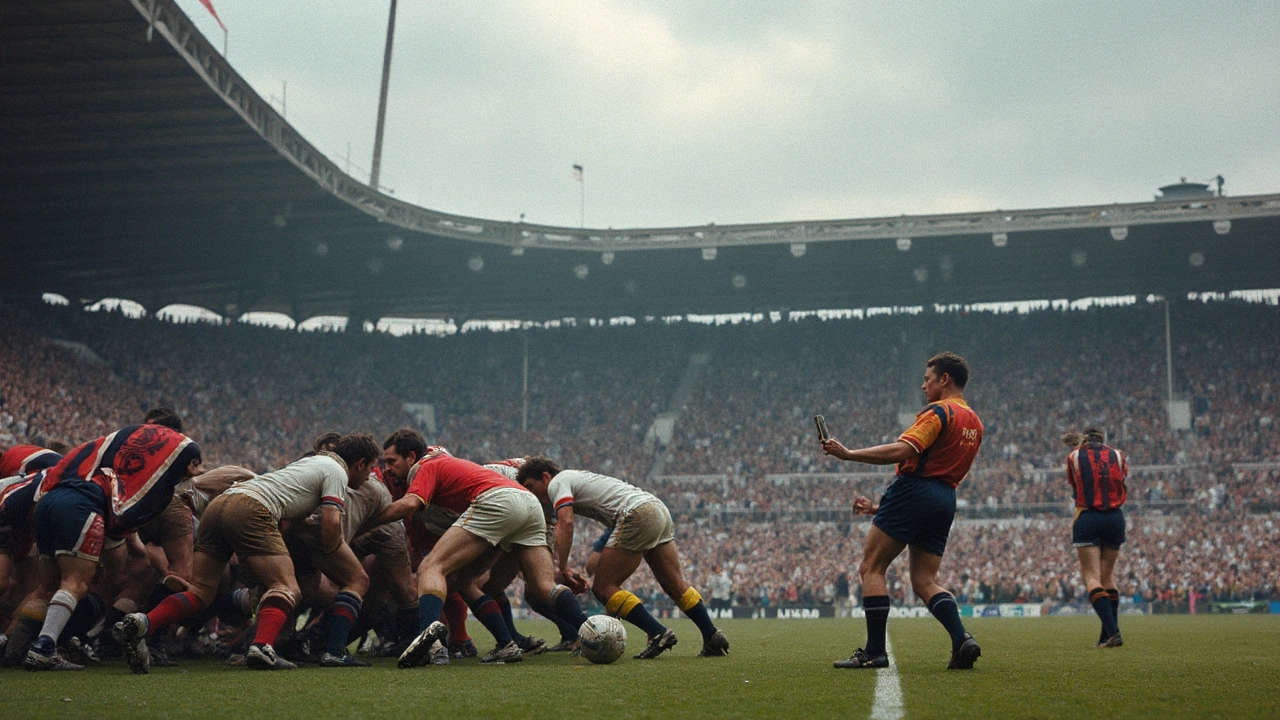
Rugby Rules: The Five Basics Every Fan Should Know
Rugby can look chaotic if you don’t know the basics, but everything boils down to just a handful of simple rules. Knowing these five core rules helps you follow any match and understand why the referee blows the whistle. This guide breaks down the must-know rules with clear tips, examples, and insider info to keep you in the loop during any rugby fixture. It’s your cheat sheet for sounding like a rugby pro. Don't get caught offside—keep reading for the essential rugby playbook.