Rugby: History, Culture, and What Makes It Unique
When you think of rugby, a full-contact team sport originating in England that combines running, tackling, and strategic passing. Also known as rugby football, it’s the game where players don’t just wear pads—they earn them. It started not in a stadium, but on a schoolyard in 1823, when William Webb Ellis picked up a football and ran with it at Rugby School. That moment didn’t just break a rule—it created a whole new sport. From there, rugby split from soccer, spread across the British Empire, and became a cultural force in countries where toughness is valued more than trophies.
Rugby players aren’t just athletes—they’re built differently. Their legs? Massive. That’s not luck. It’s the result of scrums that demand leg power like a locomotive, tackles that turn hips into battering rams, and sprints that need explosive strength. You don’t grow those muscles by doing leg presses alone—you grow them by playing the game. And it’s not just the body. The mental side? Just as intense. You learn to keep going after a 100-kilo tackle, to trust your teammate in a ruck, and to play through pain because the game doesn’t stop for anyone.
Rugby’s popularity isn’t spread evenly. It thrives where history and identity tie into the sport. In New Zealand, it’s almost religious. In England and Wales, it’s family tradition. In Japan, it’s grown from niche to national pride. Even Brazil, often seen as a soccer nation, has a rising rugby team pushing into international rankings. TV ratings, youth participation, and stadium crowds all tell the same story: rugby isn’t fading—it’s expanding. And it’s not just about the elite. Local clubs, school teams, and amateur leagues keep the spirit alive every weekend across the UK and beyond.
What you’ll find below isn’t just a list of articles. It’s a window into the real world of rugby—the stories behind the name, the science behind the muscle, the countries where it’s more than a game, and the surprising facts most fans never hear. Whether you’re curious why the French call it "rugby" the same way we do, or why a player’s legs look like tree trunks, these posts answer the questions no highlight reel ever will.
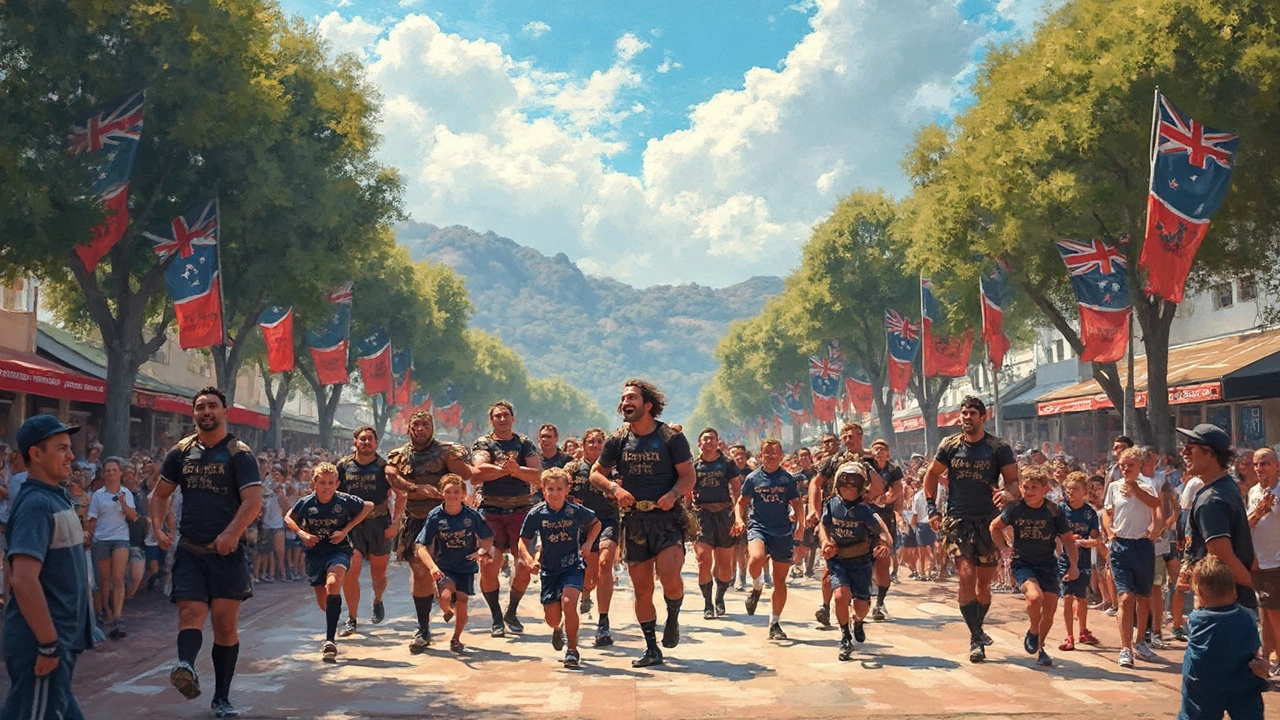
Why New Zealand Calls Rugby 'The Game of a Nation'
In New Zealand, rugby isn't just a sport—it's practically a national treasure. They call it 'The Game of a Nation,' reflecting its deep-rooted cultural significance. The All Blacks, the national team, are household names, and their games are cultural events. Learn about the impact of rugby on New Zealand's identity, why it's so beloved, and how locals keep up with fixtures.