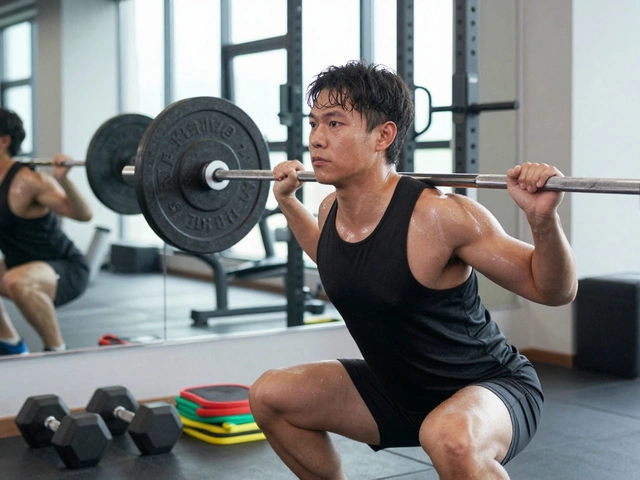
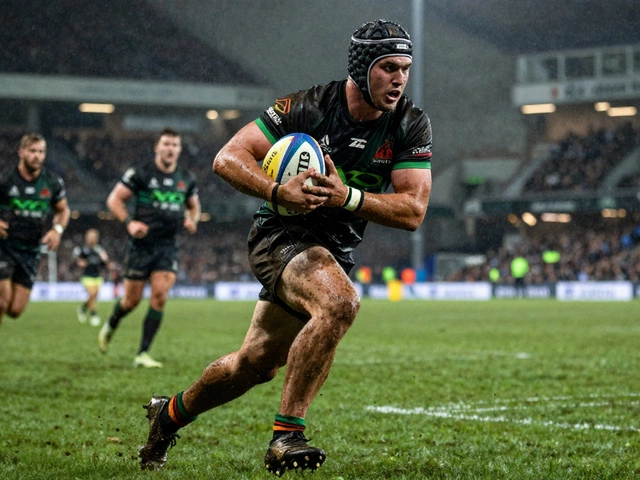
Post-Meal Exercise: When to Move After Eating for Better Results
When you eat, your body shifts into digestion, the process of breaking down food into energy and nutrients your body can use. This process needs blood flow—right where your muscles want it during a workout, a physical activity designed to improve strength, endurance, or overall fitness. So what happens when you try to do both at once? It’s not magic. It’s biology. Some people feel sluggish after a big meal and avoid moving. Others push through, thinking they’ll burn more fat. The truth? It depends on what you ate, how hard you plan to go, and what your goal is.
There’s no one-size-fits-all rule for post-meal exercise. If you’re going for a light walk after dinner, go ahead—your body handles it fine. But if you’re planning a heavy lift session or a 10-mile run right after a burger and fries? You’re asking for trouble. Your stomach needs time. Studies show that waiting 1–2 hours after a large meal gives your body enough time to start digesting without stealing oxygen and blood from your muscles. Smaller snacks? 30–45 minutes is usually enough. The key is matching intensity to intake. A protein shake and banana before a morning run? Fine. A full pasta dinner followed by HIIT? Not so much.
It’s not just about comfort—it’s about performance. Athletes who time their meals right recover faster, train harder, and avoid cramps or nausea. Runners who fuel properly before long sessions don’t hit the wall. Lifters who eat before strength training build more muscle because their bodies have the fuel to push through. But the same people who eat right also know when to pause. If your goal is fat loss, exercising after a meal doesn’t magically burn more fat—it just makes you feel worse. If your goal is endurance, timing matters more than you think. The posts below cover real stories from people who’ve tried it all: early morning runs on an empty stomach, lunchtime gym sessions after a salad, late-night cycles after dinner. You’ll find what works for different body types, sports, and schedules. No fluff. Just what actually happens when you move after eating—and how to make it work for you.
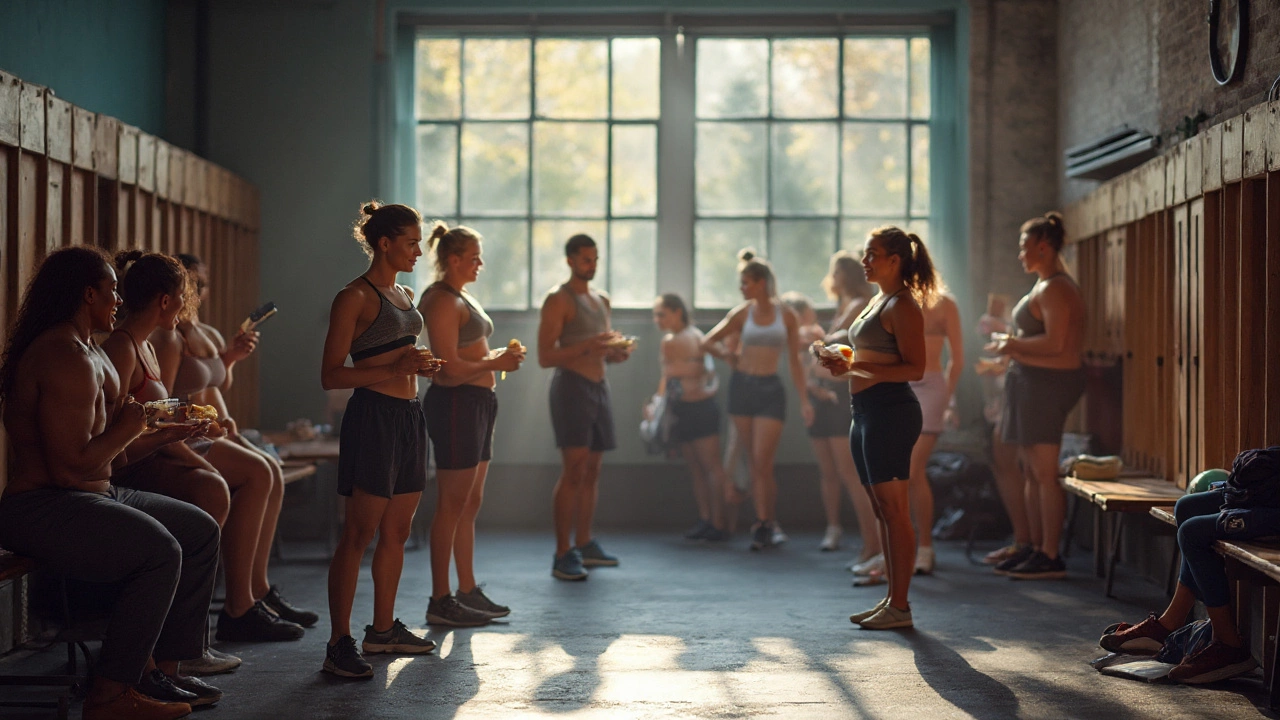
Should You Exercise After Eating? Timing Your Workouts Right
Wondering if it’s smart to hit the gym after eating? This guide breaks down the facts, explains how digestion affects workouts, and helps you time your exercise for the best results.